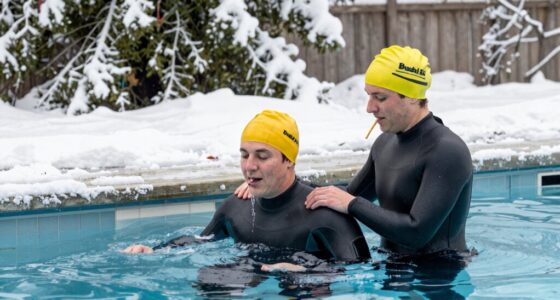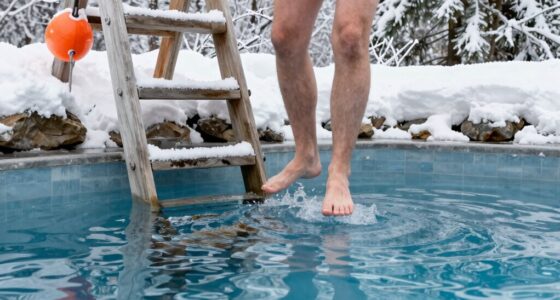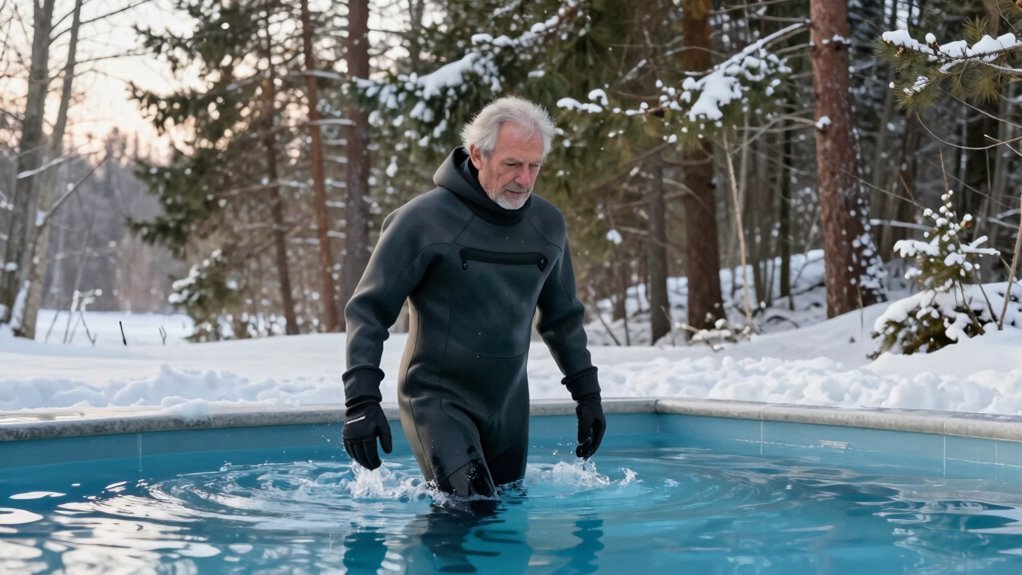

To safely try cold plunges as an older adult, start gradually by lowering water temperature over time and always consult your healthcare provider first. Use a buddy to monitor your condition and keep sessions brief, ideally just a few minutes. Wear thermal gear or a wetsuit, and be aware of your body’s signals like dizziness or numbness. Monitoring temperature and having warm clothes ready help prevent shock and hypothermia. Continue exploring safe practices to enjoy the benefits confidently.
Key Takeaways
- Consult healthcare providers before starting cold plunges, especially for those with heart or respiratory conditions.
- Gradually acclimate to colder water, beginning with tepid temperatures to minimize shock risks.
- Limit immersion time to a few minutes and monitor water temperature to prevent hypothermia.
- Always have a warm blanket or towel ready and avoid sudden entry into cold water.
- Perform cold plunges with a buddy or supervision for added safety and assistance if needed.
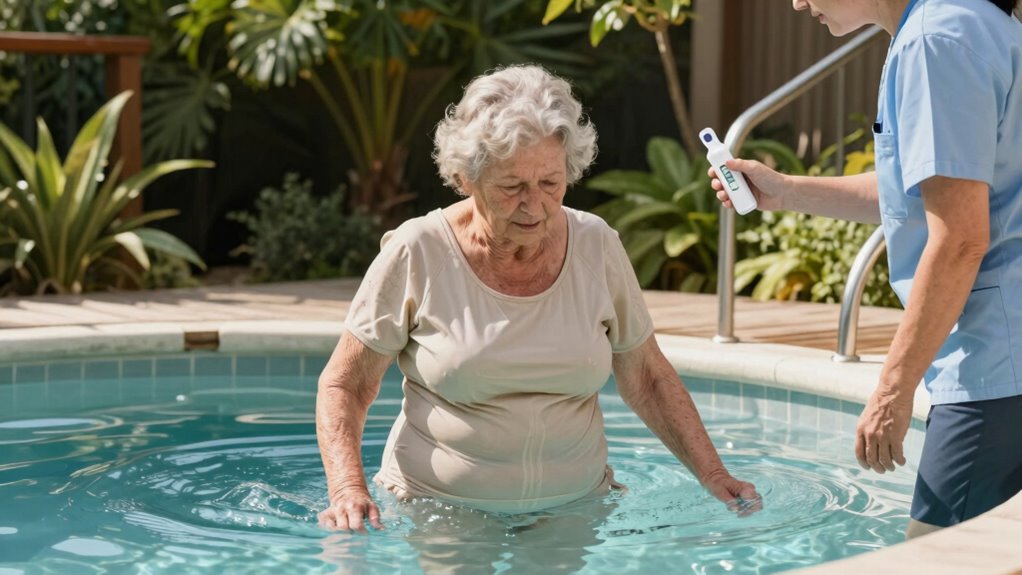
Taking a cold plunge can be invigorating, but for older adults, it’s essential to prioritize safety. As you consider embracing cold water therapy, understanding the risks involved, especially for seniors, is vital. Cold shock is one of the immediate dangers you face when entering cold water. It can cause involuntary gasping, rapid breathing, and increased heart rate, which may be dangerous if you aren’t prepared or if you have underlying health issues. To reduce this risk, gradually acclimate yourself to colder temperatures instead of jumping in abruptly. Start with tepid water and slowly lower the temperature over time, giving your body a chance to adapt. Additionally, monitoring your environment for air quality can help ensure overall safety during cold water activities.
Hypothermia prevention is another critical component of safe cold plunging. Older adults are more susceptible to hypothermia because of decreased body fat and slower metabolic responses. To prevent this, keep your immersions brief—no more than a few minutes—and always stay within a comfortable temperature range. It’s best to use a thermometer to monitor the water temperature, ensuring it doesn’t drop below a safe threshold, typically around 50°F (10°C). Wearing appropriate gear, like a wetsuit or thermal swimwear, can help conserve body heat and reduce hypothermia risk. Also, have a warm towel or blanket nearby to help you heat up quickly after exiting the water.
Before attempting a cold plunge, consult your healthcare provider, especially if you have cardiovascular issues, respiratory problems, or other chronic conditions. Cold water immersion can cause sudden changes in blood pressure and heart rate, which might be dangerous if your health isn’t stable. Always inform someone you trust before starting your cold water routine, and consider having a buddy nearby who can assist if you experience dizziness, shivering, or other adverse reactions.
Frequently Asked Questions
Are There Specific Health Conditions That Prevent Cold Plunges?
Yes, certain health conditions like heart disease and high blood pressure can prevent you from safely doing cold plunges. These conditions put you at risk of sudden blood pressure drops or heart strain during cold exposure. You should consult your healthcare provider before trying cold plunges, especially if you have cardiovascular issues. They can advise whether this activity suits your health status and help you avoid potential dangers.
How Often Should Older Adults Take Cold Plunges for Safety?
Imagine sitting by a roaring fire, then plunging into icy water—that’s quite a leap! For safety considerations, you should limit cold plunges to 1-2 times per week, allowing your body time to recover. Follow the recommended frequency guidelines to prevent shock or adverse effects. Always listen to your body, consult your healthcare provider, and gradually increase exposure to guarantee a safe, enjoyable experience.
What Signs Indicate a Cold Plunge Is Too Intense?
You’ll notice signs overexposure, like shivering that won’t stop or numbness in your limbs, indicating the cold plunge is too intense. Skin discoloration, such as blue or pale areas, also signals excessive cold exposure. If you experience dizziness, chest pain, or feel faint, stop immediately. Always listen to your body, and if these signs appear, ease out of the water and warm up gradually to prevent adverse effects.
Can Cold Plunges Help With Age-Related Muscle Loss?
Cold plunges can aid your muscle recovery and reduce inflammation, potentially helping counteract age-related muscle loss. Imagine soothing icy waters revitalizing your muscles, encouraging better strength and flexibility. While they won’t reverse aging, regular cold exposure may support your efforts to maintain muscle mass and speed recovery after activity. Just remember to start slowly, listen to your body, and consult a healthcare professional to make certain of safety.
Is There a Recommended Minimum Water Temperature for Safety?
You should aim for a water temperature of at least 50°F (10°C) to guarantee safety during cold plunges. Following safety guidelines, avoid water colder than this, especially if you’re an older adult, as extreme cold can cause shock or hypothermia. Always listen to your body, start with milder temperatures, and consult a healthcare professional before beginning cold plunge routines. Prioritizing safety helps you enjoy the benefits without risking your health.
Conclusion
Remember, safety comes first. Imagine your elderly neighbor trying a cold plunge without proper precautions and feeling dizzy afterward. By following conservative guidelines—such as checking temperature, limiting time, and consulting your doctor—you can enjoy the benefits securely. Always prioritize your health and listen to your body. A cautious approach ensures you stay safe while exploring wellness options, making cold plunges a beneficial addition to your routine without unnecessary risks.