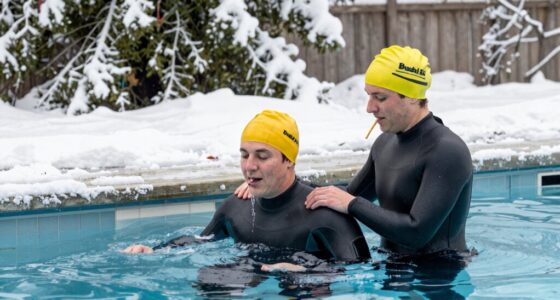
Cold urticaria is a rare allergy where cold exposure triggers hives, swelling, and even breathing problems. You might notice itchy welts that appear quickly after contact with cold water, air, or objects. Reactions can range from mild itching to severe difficulty breathing. Managing it involves avoiding cold triggers and carrying emergency medication if needed. Understanding how to spot symptoms and take precautions can protect you—stay with us to learn more about this unusual allergy.
Key Takeaways
- Cold urticaria causes rapid hives and allergic reactions triggered by cold exposure such as water, breeze, or objects.
- Symptoms include itching, swelling, breathing difficulties, and vary from mild to severe.
- Diagnosis involves controlled cold skin tests to confirm cold as the trigger.
- Management includes avoiding cold contact, carrying antihistamines, and preparing emergency kits.
- Awareness of triggers and early symptoms helps prevent severe reactions and improves quality of life.
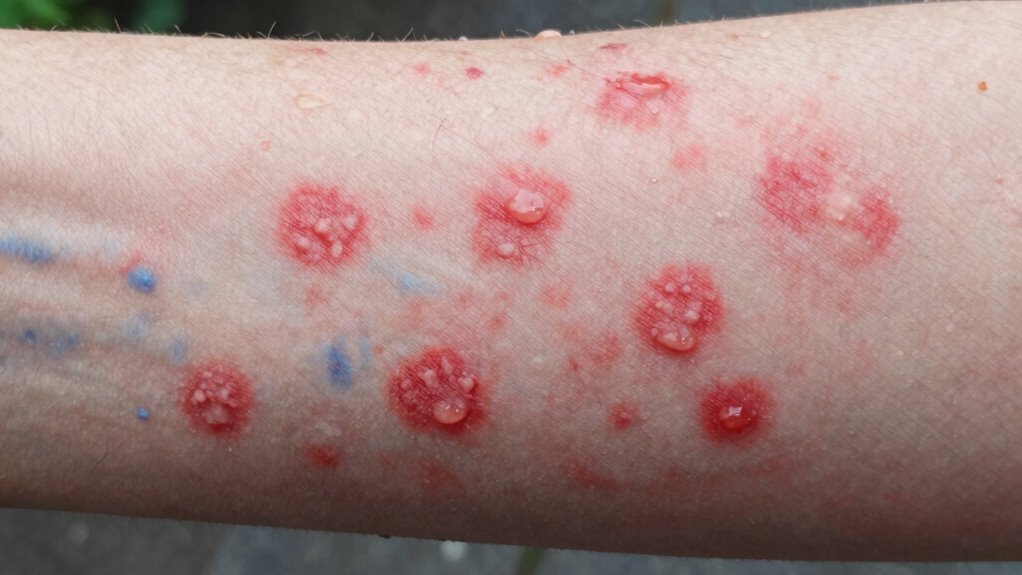
Cold urticaria is a condition where exposure to cold triggers hives and allergic reactions on your skin. When you come into contact with cold environments, whether it’s a chilly breeze, cold water, or even cold beverages, your immune system overreacts, causing raised, itchy welts known as hives. These hives can appear rapidly and sometimes spread beyond the areas directly exposed to cold. The reaction can range from mild discomfort to severe symptoms, including swelling, wheezing, or difficulty breathing, especially if an allergic response becomes more widespread. Recognizing the triggers is essential to managing your symptoms effectively.
Exposure to cold can cause hives, swelling, and breathing difficulties in cold urticaria.
If you suspect you have cold urticaria, the first step is understanding the role of cold exposure. Many people don’t realize that even brief contact with cold objects or environments can set off a reaction. To confirm your diagnosis, allergy testing is often recommended. During allergy testing for cold urticaria, your healthcare provider exposes small patches of your skin to controlled cold stimuli. This process helps determine whether your skin reacts abnormally to cold and identifies the severity of your sensitivity. Allergy testing provides valuable insight, confirming whether cold is the trigger and helping differentiate cold urticaria from other skin conditions that might cause similar symptoms.
Once diagnosed, avoiding cold exposure becomes a key part of your management plan. This means being cautious about your environment—covering exposed skin, avoiding swimming in cold water, and staying warm in chilly weather. It’s also helpful to carry an emergency allergy kit, including antihistamines or an epinephrine auto-injector if your reactions are severe. Regular allergy testing may be necessary over time to monitor your condition, especially if your symptoms change or worsen. These tests can guide you and your healthcare provider to adjust your prevention strategies accordingly.
Living with cold urticaria requires vigilance, but understanding your triggers and knowing how to identify them makes a significant difference. Education about cold exposure and allergy testing empowers you to take control of your condition. While you can’t always avoid cold entirely, being prepared and informed minimizes your risk of unexpected reactions. You’ll learn to recognize early signs of a flare-up, such as itching or swelling, so you can act quickly. With the right precautions and medical support, you can manage cold urticaria effectively and reduce its impact on your daily life.
Frequently Asked Questions
Can Cold Urticaria Develop Suddenly Without Known Triggers?
Yes, cold urticaria can develop suddenly without known triggers. You might experience a spontaneous onset of symptoms even if you haven’t been exposed to cold or any identifiable trigger. Sometimes, the condition appears unexpectedly, making it challenging to pinpoint specific causes. If you notice sudden hives or swelling after minor cold exposure or even without clear reasons, it’s important to consult a healthcare professional for proper diagnosis and management.
Are There Effective Long-Term Treatments for Cold Urticaria?
About 70% of people with cold urticaria find relief through a combination of lifestyle modifications and medical interventions. Long-term treatments include antihistamines and avoiding cold triggers, which can markedly reduce symptoms. While there’s no cure, maintaining a consistent management plan helps control flare-ups. You should work with your healthcare provider to develop a tailored approach, combining lifestyle changes and medications to effectively manage your condition over time.
How Can I Differentiate Cold Urticaria From Other Allergic Reactions?
You can differentiate cold urticaria from other allergic reactions by comparing symptoms and identifying triggers. Cold urticaria causes hives, swelling, or itching after cold exposure, unlike typical allergies triggered by food or pollen. Pay attention to symptom timing—cold urticaria symptoms usually appear within minutes of cold contact and resolve quickly. Focus on trigger identification, like cold weather or icy drinks, to distinguish it from other allergies with different triggers and symptom patterns.
Is Cold Urticaria More Common in Certain Age Groups?
Cold urticaria is more common in young adults and adolescents, with the age distribution showing a higher prevalence in these groups. Pediatric prevalence is relatively lower but still notable, especially in children who get exposed to cold environments frequently. You might notice it less in older adults, but anyone can develop symptoms. Being aware of this age-related pattern can help you recognize and manage cold urticaria effectively.
What Lifestyle Changes Can Help Manage Cold Urticaria Symptoms?
To manage cold urticaria symptoms, you should focus on trigger avoidance by staying away from cold environments and cold water. Clothing modification is also essential; wear insulated, layered clothing to protect your skin from cold exposure. Keep warm with gloves, hats, and scarves, especially in chilly weather. These lifestyle changes help minimize reactions, reduce discomfort, and keep you safe during cold conditions.
Conclusion
Think of cold urticaria as a hidden storm in your skin, ready to erupt at the slightest chill. By understanding your triggers and monitoring your body’s reactions, you can navigate this icy landscape more safely. Don’t let the fear freeze you in place—arm yourself with knowledge and proactive steps. With awareness, you can weather this rare reaction and keep your life moving smoothly, even when the cold tries to throw a icy curveball your way.