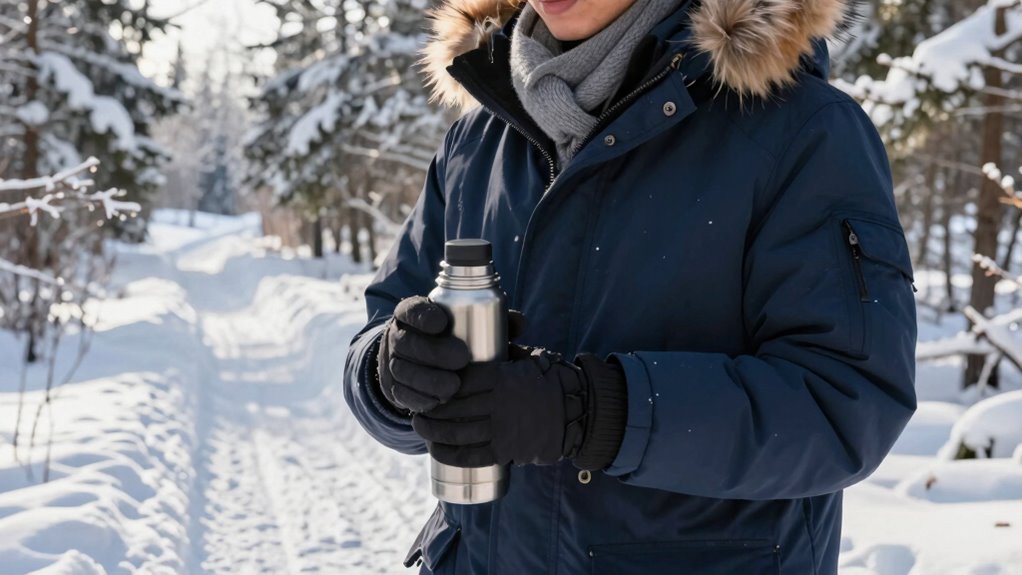

To lower your risk during cold outdoor exposure, dress in moisture-wicking base layers, insulate with mid-layers, and wear waterproof outerwear. Cover your extremities with gloves, thermal socks, and a warm hat, and stay dry and ventilated to prevent sweat buildup. Check weather conditions and avoid extreme drops, informing someone of your plans. Carry safety gear and know the signs of hypothermia. Following these tips will help you stay safe; find out more to stay prepared.

Get home appliances delivered free — and shop member deals
- Fast, free delivery on millions of items
- Access to Prime Big Deal Days deals on October 6–7
- Prime Video, Amazon Music and more included
Key Takeaways
- Dress in moisture-wicking, insulating, and waterproof layers, covering extremities to prevent heat loss and hypothermia.
- Check weather forecasts and avoid extreme or rapidly changing conditions.
- Carry safety gear, inform someone of your plans, and stay on marked trails.
- Monitor for signs of hypothermia and seek shelter or warm-up immediately if symptoms appear.
- Keep moving to generate body heat, stay hydrated, and use windproof clothing to reduce heat loss.
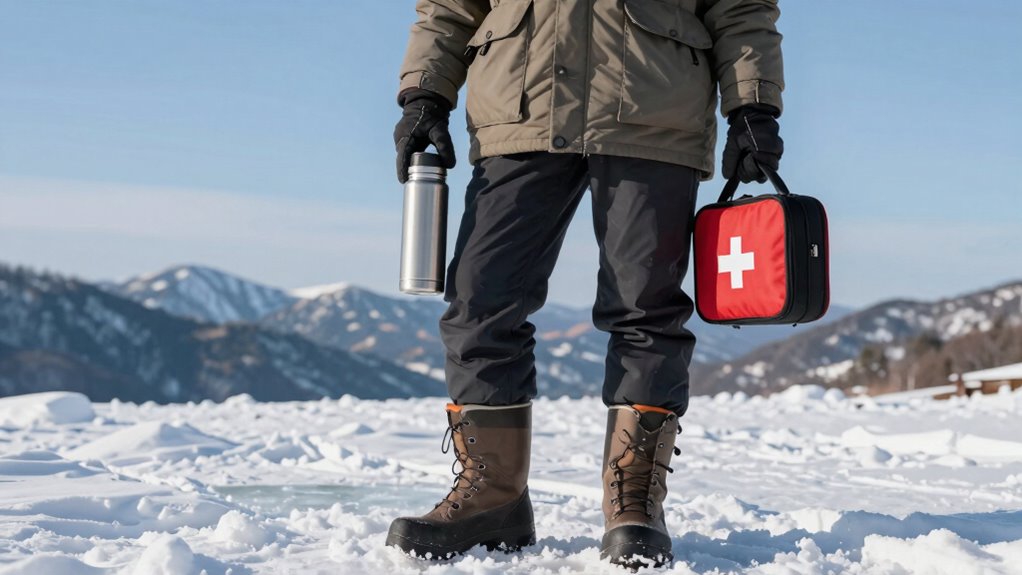
Cold exposure outdoors can offer many health benefits, but it also comes with risks if not approached carefully. One of the primary concerns is hypothermia, a dangerous condition that occurs when your body loses heat faster than it can produce it. To prevent this, you need to prioritize hypothermia prevention by dressing appropriately. Layer your clothing with moisture-wicking base layers, insulating mid-layers, and waterproof outerwear. This helps retain body heat and keeps you dry, reducing the risk of rapid heat loss. Remember to cover extremities like your hands, feet, and head, as they’re most vulnerable to cold exposure. Wearing insulated gloves, thermal socks, and a warm hat can make a significant difference.
Dress in layers and cover extremities to stay warm and prevent hypothermia during cold outdoor exposure.
In addition to proper clothing, understanding outdoor safety tips is essential for a safe cold exposure experience. Always check the weather forecast before heading out and avoid extreme conditions or sudden temperature drops. Inform someone about your plans, including your expected return time, so they can alert authorities if you don’t check in. Carry essential safety gear such as a fully charged cell phone, a map, and a whistle to signal for help if needed. Staying on marked trails or familiar routes minimizes the risk of getting lost, especially when visibility drops due to snow or fog. Being aware of cold weather safety practices can further enhance your preparedness and minimize hazards.
Staying dry is critical, as moisture accelerates heat loss. Avoid sweating excessively by adjusting your layers as needed, and change out of wet clothes immediately if they become damp. Keep moving, but don’t overexert yourself, as sweating can cool your body down rapidly and increase the risk of hypothermia. Hydration is also important, even in cold weather; staying hydrated helps your body regulate temperature more effectively. Proper ventilation of your clothing layers can also help prevent moisture buildup inside, reducing the risk of hypothermia. Additionally, understanding the importance of insulation in cold weather can help you choose the right clothing and gear to stay warm longer. Recognizing the effects of wind chill can help you better prepare for exposure and avoid dangerous situations. Being aware of signs of hypothermia can help you recognize early warning signs and take prompt action.
Another outdoor safety tip is to be mindful of your physical limits. Cold exposure can dull your judgment and impair your decision-making skills, so pay close attention to how you’re feeling. If you start shivering uncontrollably, feel numbness, or notice signs of fatigue, it’s time to seek shelter or head back. Always carry a small emergency kit with essentials like extra socks, a thermal blanket, and high-energy snacks. These can help you stay warm and energized if you’re delayed or stranded.
moisture-wicking base layer shirts
As an affiliate, we earn on qualifying purchases.
As an affiliate, we earn on qualifying purchases.
Frequently Asked Questions
What Are the Signs of Hypothermia During Cold Exposure?
You’ll notice hypothermia signs early on through shivering symptoms, which are your body’s way of generating heat. Other early warning signs include feeling drowsy, confusion, and numbness. As hypothermia worsens, shivering may stop, and you might experience slurred speech, slow movements, and a weak pulse. Recognizing these symptoms promptly helps you take action to warm up and prevent serious health complications.
How Long Should I Stay Outdoors in Cold Weather?
Imagine you’re planning a winter hike; you should limit your outdoor activity planning to about 1-2 hours in cold weather, depending on your clothing and physical condition. To lower risk, set time limits based on your comfort and monitor for signs of hypothermia. Always prioritize cold weather precautions, dress appropriately, and listen to your body. Staying outside too long increases your risk of cold-related illnesses.
What Clothing Is Best for Cold Outdoor Exposure?
You should wear layered clothing for cold outdoor exposure, starting with moisture-wicking fabrics to keep sweat away from your skin. Add insulating layers like fleece or down to trap heat, and top with a waterproof, windproof outer layer for protection against the elements. This layering technique allows you to adjust your clothing as needed, maintaining warmth and dryness while reducing risk. Proper clothing keeps you comfortable and safe during cold adventures.
How Can I Warm up Quickly After Cold Exposure?
Think of yourself as a hero returning from a frosty quest—your first move is to warm up quickly. Sip a warm drink to jumpstart your core temperature, and remove any wet or tight clothing. Then, layer up with dry, insulating clothes to trap heat. Moving around, doing light exercises, helps generate warmth fast. These actions help you recover swiftly and safely from cold exposure.
Are There Age Restrictions for Cold Exposure Activities?
Age restrictions for cold exposure activities vary based on safety guidelines and individual health. Generally, children and older adults should approach cold exposure cautiously, as their bodies respond differently to cold stress. Always follow safety guidelines, such as limiting exposure time and monitoring for signs of hypothermia. Consult healthcare professionals before involving minors or seniors in cold activities to make sure they’re safe and properly supervised.
As an affiliate, we earn on qualifying purchases.
Conclusion
By following these safety tips, you can enjoy cold exposure outdoors without putting yourself at unnecessary risk. Think of it like steering a boat through icy waters—you want to stay alert and cautious to avoid trouble. Dress appropriately, limit your time outside, and listen to your body’s signals. With proper preparation, you’ll build resilience safely, like a sturdy tree weathering winter’s fiercest storms. Stay smart, stay safe, and embrace the cold responsibly.
As an affiliate, we earn on qualifying purchases.
As an affiliate, we earn on qualifying purchases.
Fall Picks
fall essentials
As an affiliate, we earn on qualifying purchases.