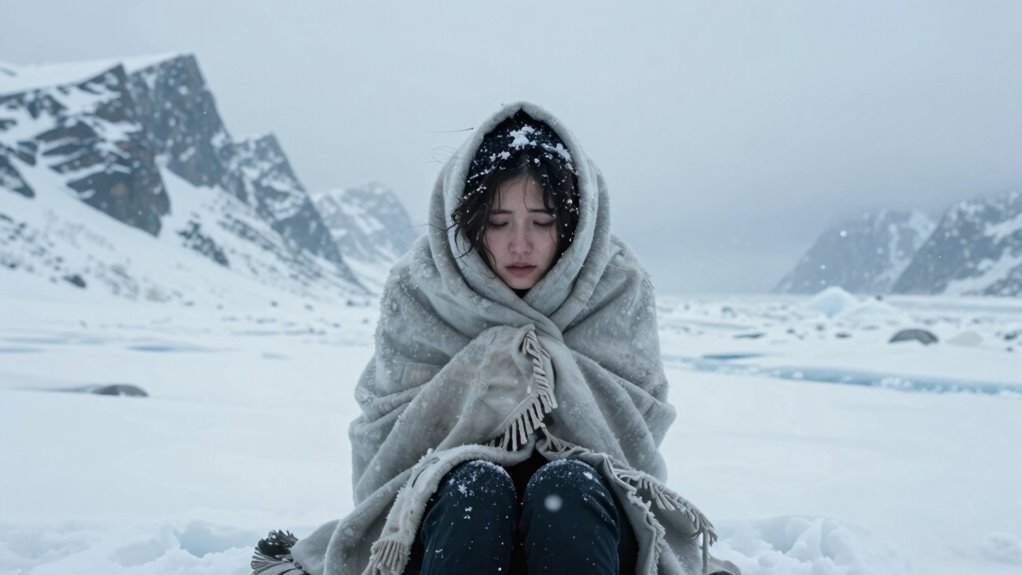

Cold exposure isn’t about competing or outperforming others. Instead, it’s a personal journey focused on building resilience, mindfulness, and emotional growth. Trying to win can increase your stress, cause frustration, or push you beyond safe limits. Sharing the experience can strengthen bonds, but competition often shifts focus away from self-improvement and connection. If you keep exploring, you’ll discover how embracing your own pace fosters lifelong mental strength and well-being.

Get home appliances delivered free — and shop member deals
- Fast, free delivery on millions of items
- Access to Prime Big Deal Days deals on October 6–7
- Prime Video, Amazon Music and more included
Key Takeaways
- Cold exposure emphasizes personal growth, not outperforming others, fostering a healthier mental and emotional state.
- Competition increases stress and anxiety, undermining the calming and resilience-building benefits of cold exposure.
- Focusing on individual limits promotes safety and sustainable progress, unlike competitive pressure which risks injury.
- Authentic social bonds are strengthened through shared vulnerability, not rivalry or comparison.
- An inward, mindful approach supports long-term mental resilience, contrasting with the negative effects of a competitive mindset.
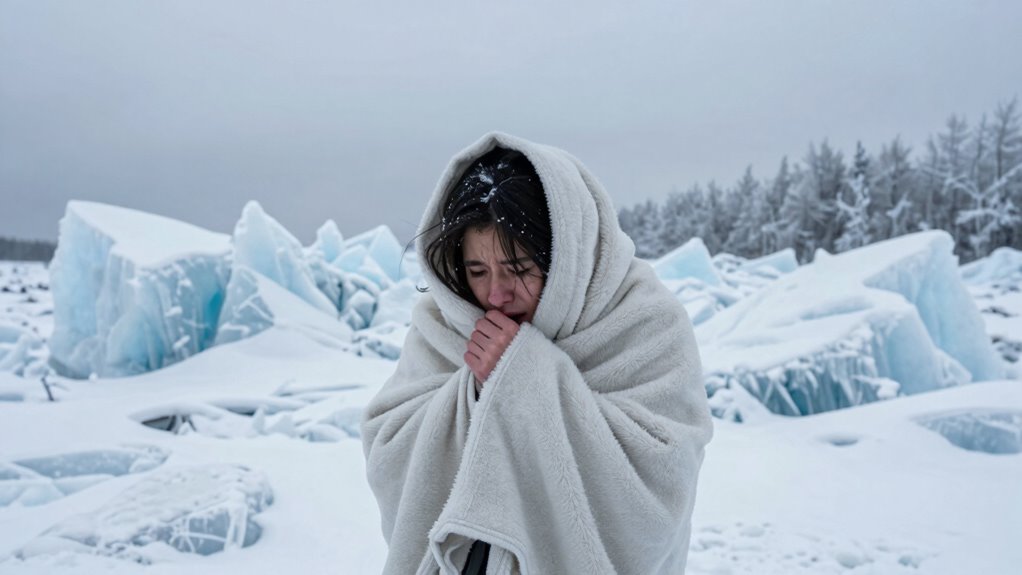
While cold exposure has gained popularity for its supposed health benefits, trying to compete in this arena can do more harm than good. When you focus on pushing your limits through cold plunges or ice baths, it’s easy to slip into a mindset of comparison and achievement. But this approach often undermines the true value of cold exposure, which lies in enhancing your mental resilience and fostering social bonds rather than winning some sort of contest. Rather than aiming to outdo others, it’s more beneficial to listen to your own body and respect your unique boundaries. Cold exposure is about personal growth, not about being the toughest or the coldest.
Cold exposure promotes personal growth and resilience, not competition or comparison. Focus on your own journey.
If you enter these experiences with a competitive mindset, you risk increasing your stress levels instead of calming them. Instead of developing mental resilience, you might develop anxiety or frustration when you’re unable to tolerate the cold as well as others. True resilience comes from embracing discomfort and learning to stay present, not from forcing yourself through extreme challenges for bragging rights. When you see cold exposure as a personal practice rather than a competition, you create space for genuine mental strength to develop. It becomes a tool for self-improvement, helping you face daily stressors with a calmer, more focused mind. Recognizing the importance of personal boundaries can help prevent overexertion and injury. Additionally, understanding the mental health benefits of cold exposure can help shift the focus from performance to well-being. Developing awareness of individual differences can further promote a more compassionate approach to these practices. Moreover, respecting your own pace allows for sustainable progress and reduces the risk of burnout.
Furthermore, trying to beat others in cold exposure sessions can hinder social bonding. Cold plunges and ice baths often become communal experiences, where shared vulnerability can strengthen relationships. If you’re overly focused on your performance or comparing yourself to others, you miss the opportunity to connect authentically. Instead of fostering camaraderie, competitiveness can breed jealousy or feelings of inadequacy. When you approach cold exposure with humility and a collaborative spirit, you open yourself up to meaningful social bonds. You learn that everyone’s journey is different, and that strength lies in supporting each other rather than measuring up. Recognizing the importance of biodiversity and community efforts can inspire a more inclusive approach to shared practices.
Ultimately, trying to excel in cold exposure is counterproductive. It shifts the focus from growth and connection to comparison and achievement. If you want to truly benefit from cold exposure, embrace it as a personal challenge and an opportunity for mental resilience. Celebrate your progress, no matter how small, and prioritize social bonding over competition. This mindset not only makes the experience safer and more enjoyable but also fosters a deeper understanding of your own limits and the importance of community. Cold exposure isn’t about being the best. It’s about becoming the best version of yourself through patience, humility, and shared human experience.
cold plunge tub for personal use
As an affiliate, we earn on qualifying purchases.
As an affiliate, we earn on qualifying purchases.
Frequently Asked Questions
Can Cold Exposure Improve Mental Resilience?
Yes, cold exposure can improve your mental resilience. When you face cold conditions, you develop mental toughness by learning to manage discomfort and stay focused. It also promotes stress adaptation, helping you control your reactions to challenging situations. Over time, regularly exposing yourself to cold can strengthen your mind, making you more resilient in daily stressors and increasing your overall capacity to handle adversity with calm and confidence.
What Are the Long-Term Health Risks of Cold Exposure?
Cold exposure can pose long-term health risks, especially if you develop increased skin sensitivity or repeatedly subject yourself to extreme cold. Over time, it may lead to frostbite, nerve damage, or weakened immune response. You might also experience hormonal imbalances. Be cautious, listen to your body, and avoid prolonged or excessive cold exposure. Protect your skin, and don’t push yourself beyond safe limits to prevent lasting health issues.
How Does Cold Exposure Affect Immune Function?
Cold exposure can temporarily suppress your immune function, making you more vulnerable to infections. When exposed to cold temperatures, your body redirects energy to maintain core temperature, which can lead to immune suppression. This increases your infection risk, especially if you’re repeatedly exposed or exposed for prolonged periods. To protect your health, avoid excessive cold exposure and listen to your body’s signals, especially if you feel unwell.
Are There Safe Cold Exposure Methods for Beginners?
Yes, there are safe cold exposure methods for beginners. Start with brief cold showers or splash cold water on your face to experience the therapeutic benefits without risking your health. Keep the water temperature moderate and gradually decrease it as your body adapts. These methods help improve temperature regulation and build resilience safely, allowing your body to adjust while enjoying the potential health benefits of cold exposure.
Can Cold Exposure Enhance Athletic Performance?
Cold exposure can enhance your athletic performance by improving cold adaptation and temperature regulation. As you regularly expose yourself to cold, your body learns to better manage temperature changes, which can boost endurance and recovery. However, it’s crucial to approach this safely, gradually increasing exposure to avoid hypothermia. Proper cold exposure routines can help sharpen your body’s ability to respond to environmental stress, ultimately supporting your athletic goals.
As an affiliate, we earn on qualifying purchases.
Conclusion
Think of cold exposure like a quiet pond, where ripples grow loud with competition and bravado. Instead, you should be the gentle swimmer, gliding smoothly without stirring the water. The cold isn’t a battlefield—it’s a sanctuary for resilience and calm. Leave your need to compete behind, and embrace the stillness. By doing so, you discover strength not in shouting, but in silent perseverance, turning the icy challenge into a journey of self-discovery.
As an affiliate, we earn on qualifying purchases.
As an affiliate, we earn on qualifying purchases.
Fall yard work Picks
leaf blowers
As an affiliate, we earn on qualifying purchases.