
When placing your outdoor cold plunge, consider weather challenges like wind, rain, and snow that can cause discomfort or safety risks. Use shelter options like canopies or natural windbreaks, and guarantee good drainage to prevent water pooling and debris buildup. Privacy is also essential for relaxation and security during use. Balancing these factors helps create a safe, comfortable setting, and if you keep exploring, you’ll discover even better ways to make your plunge experience ideal.

Get home appliances delivered free — and shop member deals
- Fast, free delivery on millions of items
- Access to Prime Big Deal Days deals on October 6–7
- Prime Video, Amazon Music and more included
Key Takeaways
- Protect the plunge area from wind, rain, and snow with shelters or natural windbreaks to maintain water and ambient temperatures.
- Choose a location with good drainage to prevent water pooling and reduce safety hazards from standing water.
- Ensure weatherproofing to prevent debris contamination and minimize maintenance needs.
- Incorporate privacy barriers like fencing or shrubs to enhance comfort and seclusion during use.
- Balance easy indoor heat access, privacy, and weather protection for a safe, comfortable outdoor plunge setup.
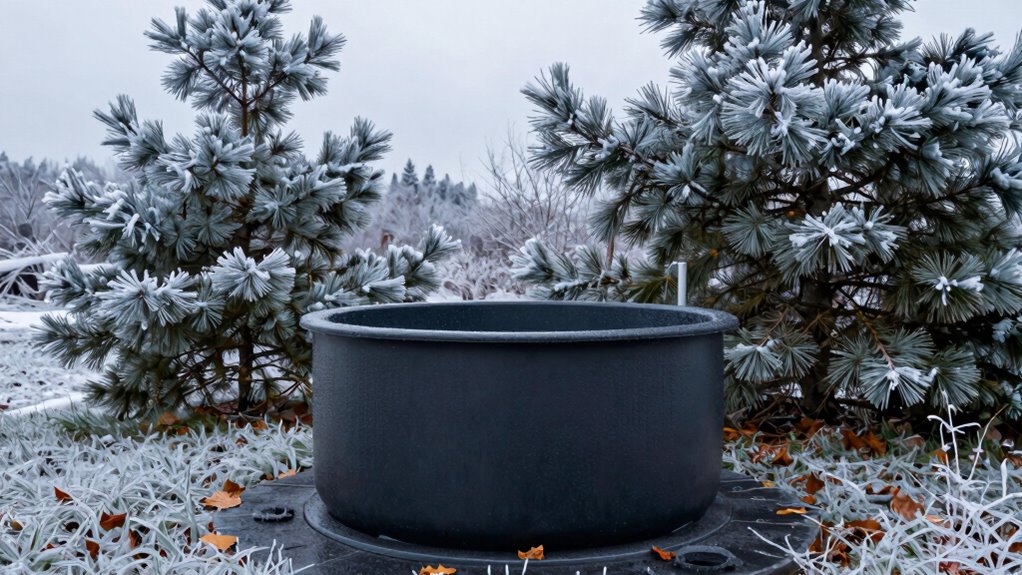
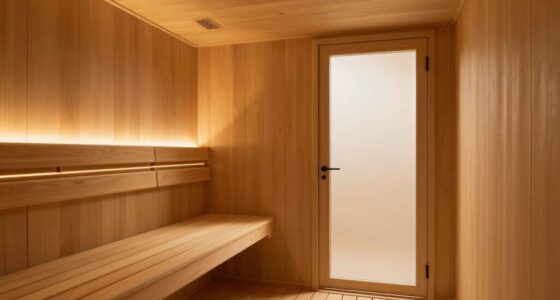
Are you wondering where to best place your outdoor cold plunge for maximum convenience and safety? The location you choose can profoundly impact your experience, especially when considering weather conditions and practical factors. One of the first things to think about is guaranteeing easy access to indoor heating. Placing your cold plunge near a reliable indoor heating source, like a nearby bathroom or changing area, makes it easier to warm up quickly after your dip. This is especially helpful during colder months, when exposure to low temperatures can be uncomfortable or even unsafe. Being close to indoor heating also minimizes the time you spend walking through cold air to reach your hot shower or sauna afterward, keeping your routine smooth and enjoyable. Additionally, considering proper placement can help prevent heat loss and make your routine more efficient.
Privacy concerns are another critical aspect. You don’t want to feel exposed or vulnerable while using your cold plunge, so choose a location that offers adequate seclusion. If your yard is visible to neighbors or passersby, consider installing privacy screens, fencing, or planting tall shrubs to create a barrier. Positioning your plunge in a more secluded corner of your yard can transform your space into a personal retreat, making it easier to relax without worry. Privacy isn’t just about comfort; it also influences safety, as feeling secure encourages you to enjoy your plunge more freely and reduces the risk of accidents caused by distractions or discomfort. Incorporating privacy-enhancing features can further improve your experience.
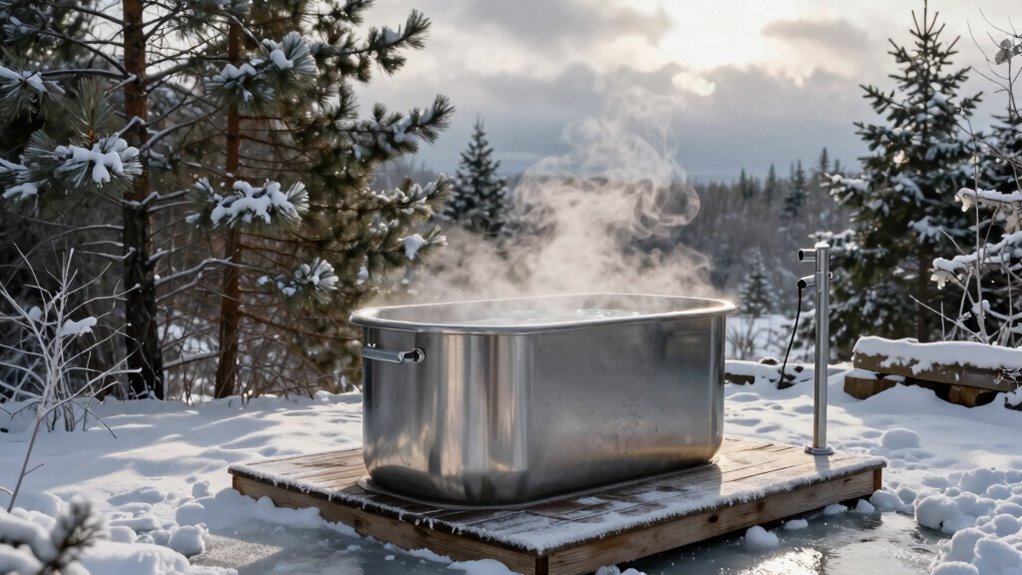
Weather is the biggest obstacle to outdoor cold plunge placement. Exposure to wind, rain, or snow can make your experience less pleasant and might even pose safety hazards. If you live in an area with harsh weather, think about installing some form of shelter or canopy over the plunge. A simple pergola or a retractable awning can shield you from wind and rain, maintaining a more consistent temperature and protecting your equipment. This also helps prevent debris from falling into the water, keeping it cleaner and reducing maintenance. When considering placement, aim for a spot that offers some natural windbreaks, like trees or a fence, to minimize chills when you step out of the water. Additionally, choosing a location with good drainage can prevent water pooling and potential damage. Ensuring proper drainage is essential for maintaining the longevity and cleanliness of your setup. Proper drainage also helps prevent standing water that could lead to safety hazards or damage over time.
Ultimately, the key is to strike a balance between convenience, privacy, and weather protection. Position your outdoor cold plunge where you can easily access indoor heating, feel secure, and be shielded from the elements. Doing so ensures you get the most out of your cold plunge experience—safe, private, and comfortable, no matter the weather outside.
outdoor cold plunge shelter canopy
As an affiliate, we earn on qualifying purchases.
As an affiliate, we earn on qualifying purchases.
Frequently Asked Questions
How Does Wind Chill Affect Outdoor Cold Plunge Usage?
Wind chill effects can make outdoor cold plunge usage feel much colder than the actual water temperature, encouraging you to hesitate or cut sessions short. It also increases heat loss from your body, making insulation around your cold plunge even more vital. To stay comfortable and safe, you’ll want to guarantee proper cold plunge insulation and consider wind protection, especially during windy days, to minimize the impact of wind chill effects.
What Are the Best Seasonal Months for Outdoor Placement?
Spring and fall are your best bets for outdoor placement, as seasonal temperatures tend to be milder. During these months, the weather’s more predictable, minimizing wind chill worries and making your cold plunge experience safer and more satisfying. You’ll find that outdoor placement is perfect when temperatures aren’t too extreme, allowing you to enjoy the benefits without battling harsh weather. Plan accordingly for ideal outdoor cold plunge enjoyment.
How Can I Prevent Freezing Water in Winter?
To prevent freezing water in winter, you should implement insulation techniques like foam covers or thermal blankets around your cold plunge. Additionally, consider heating options such as a submersible heater or a heat pump to maintain a safe water temperature. Regularly monitor the water temperature and keep the system running consistently, especially during the coldest months, to guarantee the water stays unfrozen and ready for use.
Does Sunlight Exposure Impact Water Temperature Stability?
Sunlight warmth dramatically transforms your cold plunge, making water temperature less stable. When the sun hits the water, it’s like turning on a giant heater, causing the temperature to rise unpredictably. Plus, sunlight accelerates water evaporation, which can lower water levels and disrupt the balance. So, if you want consistent temperatures, you’ll need to shield your plunge from direct sunlight, or expect wild temperature swings that challenge your icy goals.
Are There Specific Materials Better for Outdoor Cold Plunge Durability?
You should choose materials like durable polyethylene or composite for your outdoor cold plunge, as they offer superior durability factors. Compared to traditional materials like wood or metal, these plastics resist weathering, UV rays, and temperature fluctuations better. Materials comparison shows that high-quality composites also resist cracking and fading, ensuring your cold plunge stays functional and looks good longer. Prioritizing these materials helps you enjoy your plunge without frequent repairs or replacements.
privacy fencing for outdoor hot tub
As an affiliate, we earn on qualifying purchases.
As an affiliate, we earn on qualifying purchases.
Conclusion
Think of your outdoor cold plunge as a delicate seed, needing just the right environment to flourish. By choosing a spot shielded from harsh weather, you’re nurturing its growth and ensuring it becomes a invigorating sanctuary rather than a seasonal burden. When you respect nature’s cycle, your plunge transforms into a symbol of resilience—an oasis of cool clarity amid life’s unpredictable storms. With mindful placement, you plant the roots for lifelong serenity and invigoration.
drainage system for outdoor plunge pool
As an affiliate, we earn on qualifying purchases.
As an affiliate, we earn on qualifying purchases.
weatherproof outdoor plunge cover
As an affiliate, we earn on qualifying purchases.
As an affiliate, we earn on qualifying purchases.
Fall yard work Picks
leaf blowers
As an affiliate, we earn on qualifying purchases.