
Glycol chillers are ideal if your process requires precise cooling below ambient temperatures or if you need to prevent freezing in cold environments. They work by circulating a water-glycol mix through heat exchangers to absorb heat efficiently. However, if you have limited space, tight budgets, or face maintenance issues, exploring alternatives like air-cooled chillers may be better. Understanding these factors helps you decide when a glycol chiller makes sense—and when other options might serve you better.
Key Takeaways
- Glycol chillers are ideal for processes requiring temperatures below standard cooling capabilities and where precise temperature control is critical.
- They make sense when system compatibility, material resistance, and energy efficiency align with operational needs.
- Glycol chillers may not be suitable if high maintenance, operational rigidity, or space constraints outweigh their benefits.
- Alternatives like air or water-cooled chillers are preferable for simpler, less temperature-sensitive applications or limited budgets.
- Proper installation, maintenance, and environmental considerations are essential to ensure glycol chillers operate effectively and sustainably.
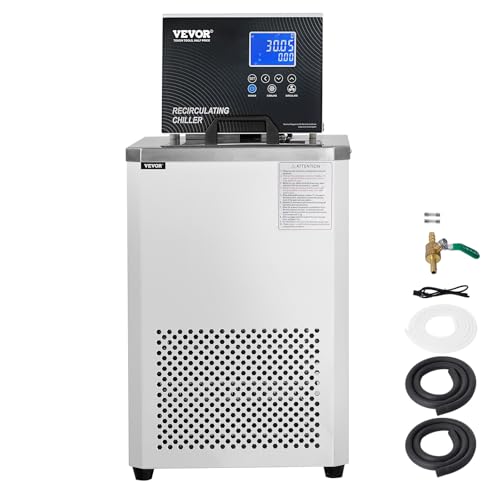
VEVOR Laboratory Chiller Circulator, -5℃ ~100℃ Circulator Pump Chiller, 6L Chiller Lab Low Temperature Cooling Liquid, LCD Display, 304 Stainless Steel Water Bath Recirculating Water Cooling Chiller
- High-Quality Compressors: Efficient, compact, and stable cooling
- Silent Circulating Pumps: Low noise and smooth operation
- Precise Digital Control: LCD display with 0.01°C accuracy
As an affiliate, we earn on qualifying purchases.
As an affiliate, we earn on qualifying purchases.
What Are Glycol Chillers and How Do They Work?
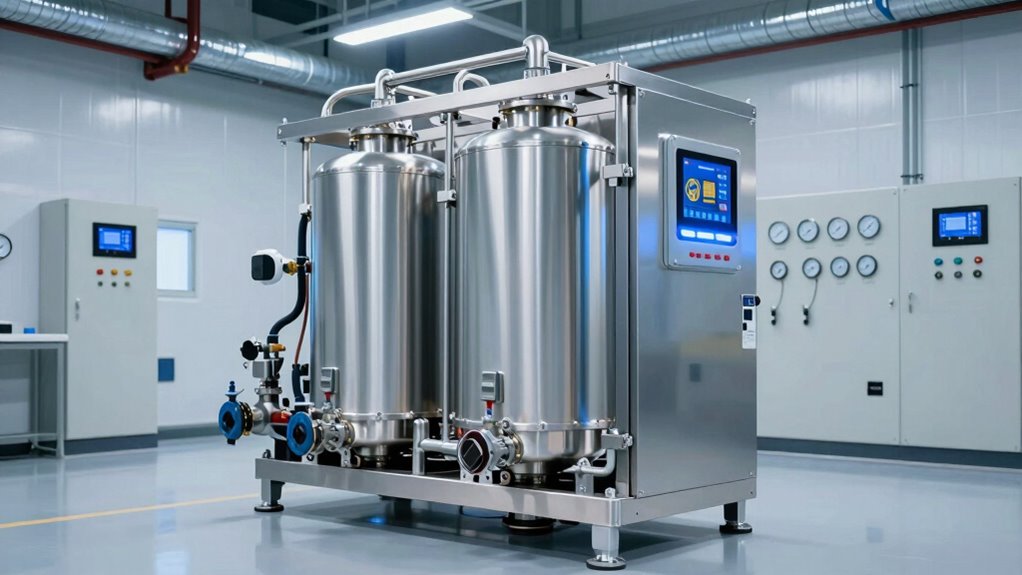
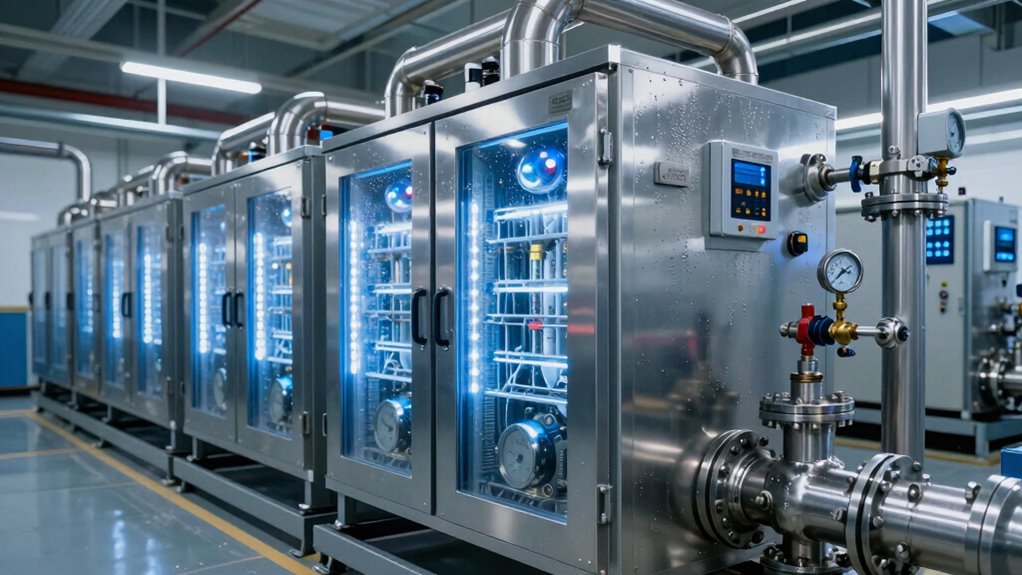
Glycol chillers are specialized refrigeration systems that use a mixture of water and glycol to cool liquids or equipment. This glycol mixture circulates through the system, absorbing heat as it passes through heat transfer coils. The glycol’s lower freezing point prevents the mixture from freezing in cold environments, ensuring continuous operation. When the chilled glycol flows through heat exchangers, it transfers heat away from the process or equipment, effectively cooling it down. The heat transfer process is efficient because glycol’s properties allow it to carry heat even at low temperatures. This thermal conductivity of glycol enhances heat transfer efficiency, making the cooling process more effective. Additionally, glycol chillers are favored for their ability to operate reliably in extreme temperatures, ensuring consistent performance across various environments. Overall, they provide reliable, consistent cooling by leveraging the thermal properties of the glycol mixture.
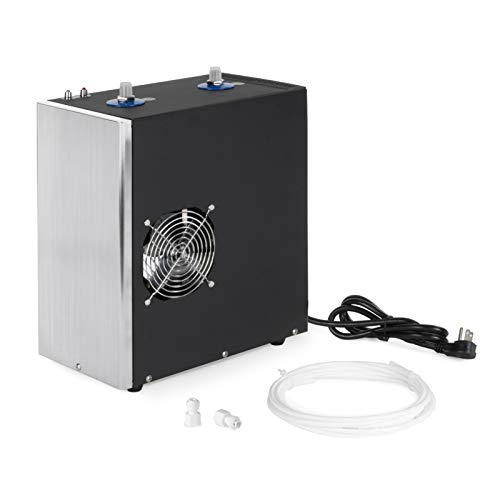
Express Water PC2000 Universal Chiller for Reverse Osmosis Water Filters
- Water Chiller System: Provides cold filtered water on demand
- Cooling Fan: Ensures water is colder than standard chillers
- Dedicated Water Tank: Stores 1/3 gallon of cold water
As an affiliate, we earn on qualifying purchases.
As an affiliate, we earn on qualifying purchases.
How to Tell If You Need a Glycol Chiller
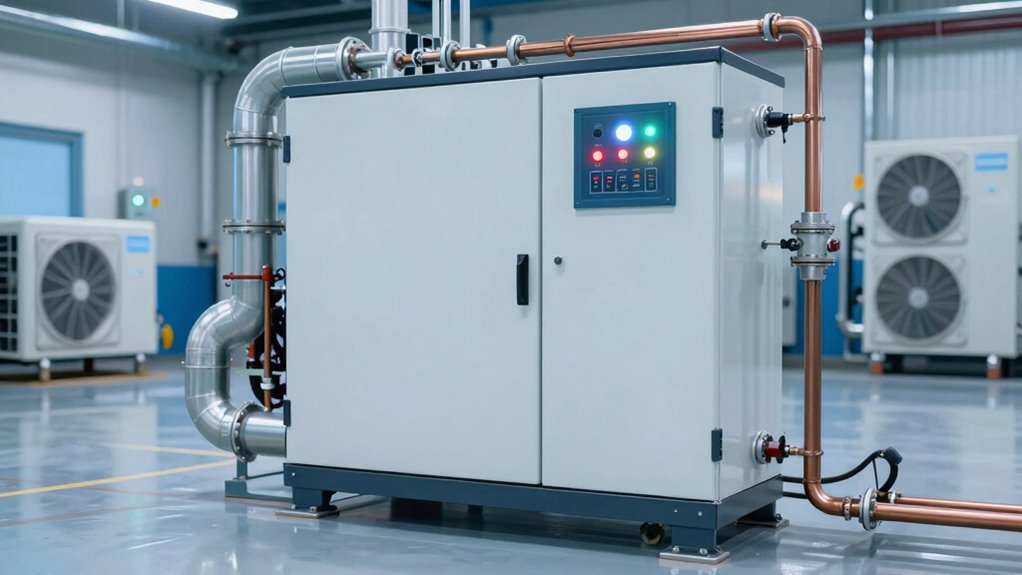
To determine if you need a glycol chiller, start by evaluating your process temperature needs—if you require precise cooling below standard temperatures, a chiller might be necessary. You should also check if your existing system is compatible with glycol chillers to ensure smooth integration. Additionally, evaluate whether investing in a glycol chiller makes sense financially compared to alternative cooling options. Moreover, consider the energy efficiency of glycol chillers, which can impact long-term operating costs and sustainability. Properly assessing your thermal performance requirements can help determine if a glycol chiller is the right solution for your application. It is also important to review the maintenance needs of glycol chillers, as proper upkeep can influence their performance and lifespan. Understanding the Free Floating nature of glycol systems can assist in optimizing your setup for better reliability and efficiency. Additionally, selecting the appropriate coolant type is crucial for ensuring the system operates effectively and safely over time.
Process Temperature Needs
If your process requires maintaining temperatures below ambient levels, you’ll need to evaluate whether a glycol chiller is necessary. Precise temperature regulation is vital for effective process control, especially when working with sensitive materials or equipment. If your application demands consistent, low-temperature conditions that can’t be achieved with standard refrigeration or cooling methods, a glycol chiller becomes a valuable tool. It helps prevent temperature fluctuations that could compromise product quality or process efficiency. Consider the target temperature range and how essential tight control is for your operation. When standard cooling methods fall short of meeting these needs, a glycol chiller provides reliable, consistent cooling, ensuring your process stays within specified temperature parameters. Additionally, choosing reputable Gold IRA markets providers can ensure you receive quality equipment and expert guidance for your cooling needs. Moreover, understanding the cooling system design is crucial for optimizing performance and energy efficiency in your setup.
System Compatibility Requirements
Determining whether a glycol chiller is suitable for your system depends on evaluating your existing cooling setup and process requirements. First, check if your system materials are chemically compatible with glycol solutions; incompatible materials can cause corrosion and damage. Next, consider the maintenance requirements—glycol systems need regular monitoring for leaks, fluid quality, and concentration levels to guarantee peak performance. If your equipment can handle the chemical properties of glycol and you’re prepared for routine upkeep, a glycol chiller might be a good fit. Proper system compatibility assessment ensures you select the right cooling solution for your needs. It’s also important to evaluate your system’s material compatibility, as some materials may not withstand glycol’s chemical properties. Conversely, if your system’s design or materials aren’t compatible or maintenance resources are limited, you may need to explore alternative cooling options. Proper assessment ensures you choose a system aligned with your operational needs and longevity goals. Additionally, understanding the art care considerations involved with glycol systems can help protect your collection and ensure optimal preservation. Regularly reviewing your system’s performance metrics can help identify potential issues early and maintain efficient operation over time. Conducting a chemical compatibility test can further verify whether glycol will be suitable for your specific equipment and environment.
Cost-Effectiveness Analysis
Evaluating whether a glycol chiller is cost-effective involves comparing its upfront and ongoing expenses to the benefits it provides. A thorough cost comparison considers installation costs, maintenance, and energy efficiency savings over time. If your operation requires consistent, precise cooling, a glycol chiller may justify the investment. Look for these factors:
- High energy efficiency that reduces operating costs
- Long equipment lifespan with minimal maintenance
- Significant temperature control needs
- Scale of cooling requirements
- Potential for energy-saving incentives or rebates

1 Gallon PROPYLENE GLYCOL 128oz USP-KO Food Grade for Grainfather GC4 Chiller from BSG 128oz BZZZ1452
- Product Quantity: 1 Gallon (128oz) bottle
- Certifications: USP Certified, Non-GMO, Kosher
- Purity Level: 99% Pure Propylene Glycol
As an affiliate, we earn on qualifying purchases.
As an affiliate, we earn on qualifying purchases.
Benefits of Using Glycol Chillers in Your Facility
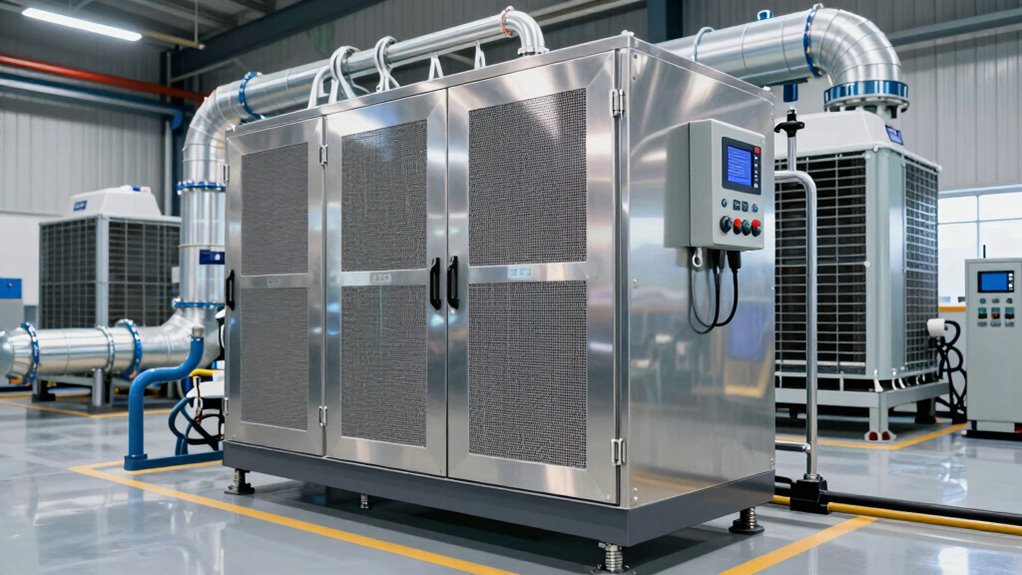
Glycol chillers offer significant advantages for your facility by providing reliable and efficient temperature control. They help maintain consistent conditions, which is vital for sensitive processes and equipment. One key benefit is their chemical compatibility; glycol solutions are versatile and can be used with various materials, reducing corrosion and equipment wear. Additionally, glycol chillers can be designed to minimize environmental impact, using eco-friendly refrigerants and efficient energy systems. This approach supports your facility’s environmental sustainability goals while also lowering operational costs over time. Moreover, water cooling systems are often integrated with glycol chillers to enhance overall efficiency and flexibility. Incorporating 16PF insights can help optimize operational strategies and personnel management related to cooling system maintenance. By choosing glycol chillers, you gain a flexible cooling solution that supports your facility’s safety, efficiency, and environmental responsibility, making them a smart investment for many industrial, commercial, and institutional applications. Using advanced control systems, operators can optimize performance and reduce energy consumption further, boosting long-term savings. Additionally, understanding thermal management principles can lead to better system design and maintenance practices that prolong equipment life.

STAR BRITE Premium -100° Boiler System Antifreeze – Propylene Glycol Heating & Cooling Fluid – Made in USA – 1 Gallon (032700)
- Heat Transfer Efficiency: Ideal for Aqua-Hot and Hydro-Hot systems
- Extreme Cold Protection: Protects down to -100°F at full strength
- Corrosion Prevention: Includes premium corrosion inhibitors
As an affiliate, we earn on qualifying purchases.
As an affiliate, we earn on qualifying purchases.
Signs It Might Be Time to Consider Other Cooling Options
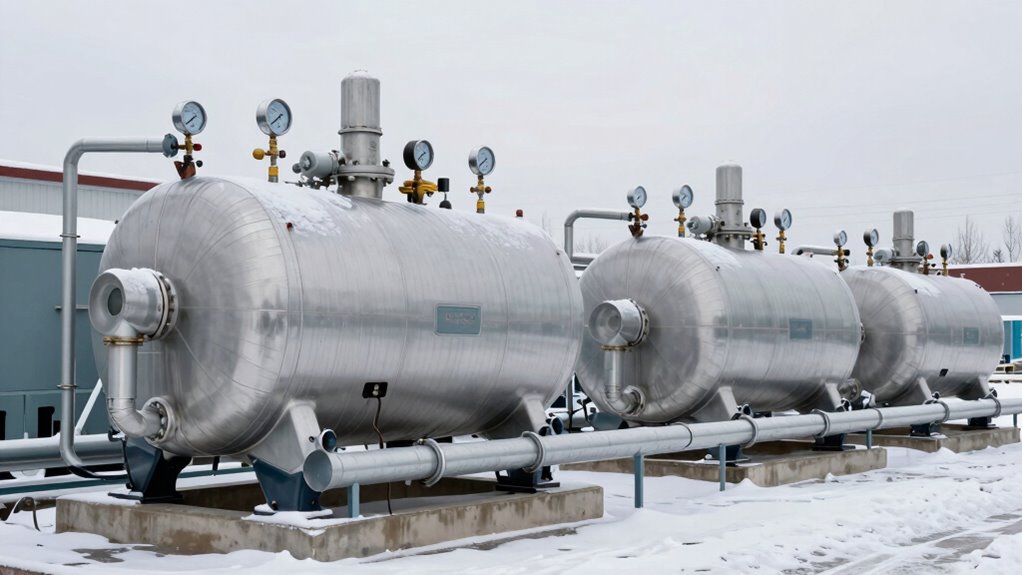
While glycol chillers are highly effective in many applications, there are signs they might no longer suit your facility. If you notice increased operational rigidity or frequent maintenance issues, it could be time to explore other cooling options. Glycol systems often limit operational flexibility, making it hard to adapt to changing demands quickly. Additionally, maintenance complexity can lead to higher downtime and costs. Consider other signs such as:
Glycol chillers may limit flexibility and increase maintenance needs as your facility evolves.
- Rising energy consumption
- Frequent system breakdowns
- Difficulty maintaining consistent temperatures
- Excessive downtime for repairs
- Inability to scale or modify the system easily
If these issues resonate, it’s a clear indicator that alternative cooling solutions may better serve your needs, offering improved operational flexibility and simplified maintenance. Incorporating protective styling benefits like glycol chillers can sometimes restrict system adaptability and maintenance routines can become more complicated, leading to increased costs over time. Moreover, the wave and wind conditions in your environment can influence the overall efficiency and longevity of glycol cooling systems, making it essential to evaluate environmental factors before committing to this technology.
Evaluating Your Budget and Space for Glycol Chillers
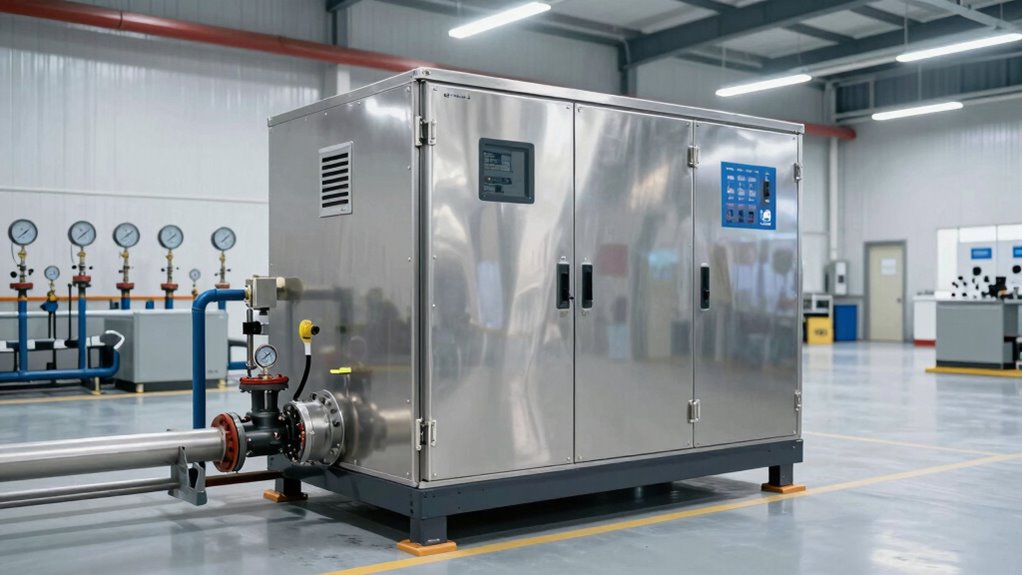
Before investing in a glycol chiller, you need to assess if it fits within your budget and available space. Consider your financial limits and explore ways to optimize your current area efficiently. Making these evaluations upfront helps ensure a smooth and cost-effective installation process. Additionally, understanding space requirements for the chiller can prevent overcrowding and ensure proper ventilation.
Budget Compatibility Considerations
Evaluating your budget and available space is essential when considering glycol chillers, as these factors directly influence which models you can afford and install. Proper equipment budgeting helps you plan for initial costs and ongoing maintenance. Cost considerations include not just the purchase price but also installation, energy efficiency, and potential future upgrades. To stay within budget, consider:
- Selecting a size that matches your current needs
- Comparing energy efficiency ratings
- Factoring in installation costs
- Planning for routine maintenance expenses
- Choosing reliable brands for long-term savings
Space Optimization Strategies
Optimizing space for glycol chillers requires careful planning to guarantee the equipment fits seamlessly into your facility. Start by examining available space and considering thermal insulation options that can reduce the chiller’s footprint and improve energy efficiency. Proper insulation minimizes heat transfer, helping the chiller operate more efficiently and saving you energy costs. Use vertical space where possible, stacking components or installing compact models to maximize floor area. Evaluate your power and ventilation needs, ensuring your space can support the chiller’s cooling and operational requirements. Incorporate modular designs if flexibility is essential, allowing future expansion without overhauling your setup. By thoughtfully planning your space and focusing on thermal insulation, you can enhance energy efficiency while maintaining a streamlined, effective glycol chiller system.
Top Alternatives to Glycol Chillers You Should Know
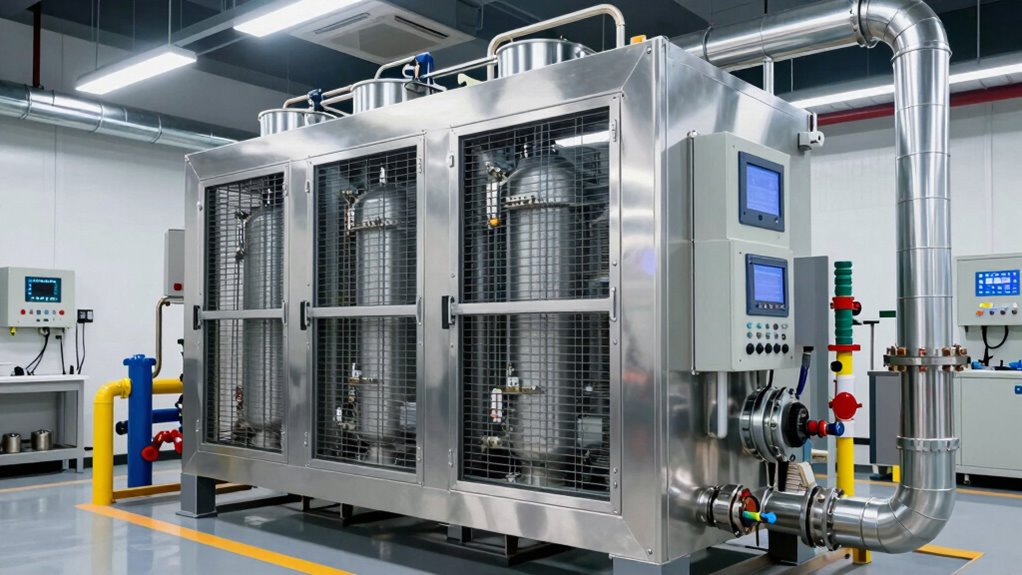
If you’re exploring alternatives to glycol chillers, several options can deliver efficient cooling without relying on glycol-based systems. These refrigeration options often provide better energy efficiency and simpler maintenance. Some top alternatives include:
- Water-cooled chillers
- Air-cooled chillers
- Evaporative cooling systems
- Thermoelectric cooling devices
- Dry ice or CO2 cooling
Choosing the right alternative depends on your specific cooling needs and environment. These options can reduce chemical handling and potential leaks associated with glycol systems. They often offer faster installation and easier operation, making them suitable for various applications. Keep in mind that each alternative has its own advantages and limitations, so evaluate your requirements carefully before making a switch. Exploring these options ensures you find the most efficient and cost-effective solution for your cooling needs.
Common Mistakes to Avoid When Installing or Operating Glycol Chillers
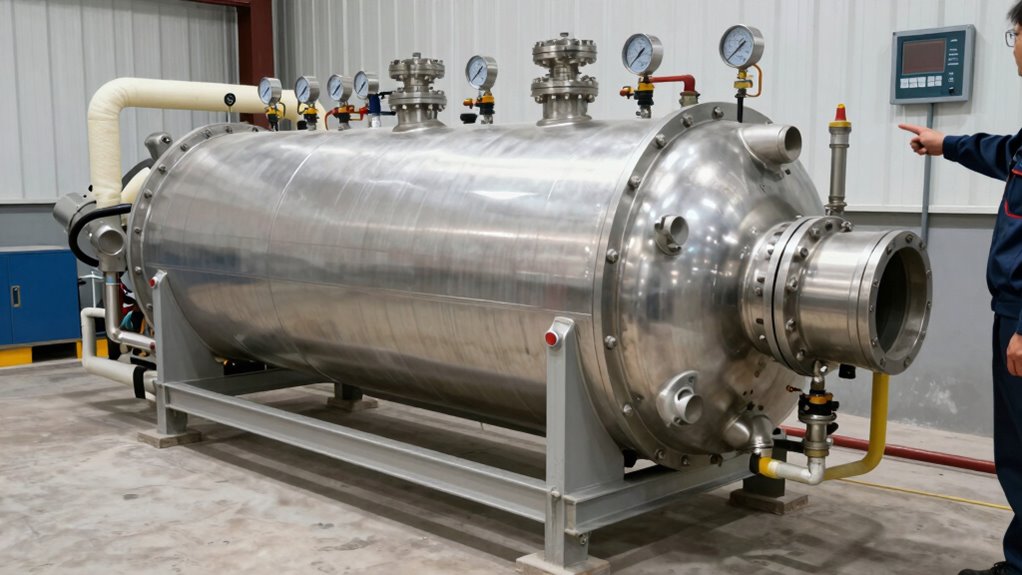
Installing and operating glycol chillers without proper attention can lead to costly mistakes and system inefficiencies. One common mistake is incorrect installation, which can cause leaks, uneven flow, or poor heat transfer. Make sure all connections are secure, and the system is properly calibrated before startup. Poor maintenance is another frequent issue; neglecting regular inspections, fluid testing, and part replacement can lead to corrosion, bacterial growth, or equipment failure. Always follow manufacturer guidelines for maintenance schedules and operation procedures. Failing to address these issues can result in reduced performance, higher energy costs, and costly repairs. To ensure your glycol chiller runs smoothly, invest time in correct installation and diligent maintenance practices from the start.
Frequently Asked Questions
How Energy-Efficient Are Glycol Chillers Compared to Other Cooling Systems?
Glycol chillers are generally energy-efficient compared to traditional cooling systems, helping you achieve significant energy savings. They operate with lower power consumption, especially in applications requiring consistent cooling. Plus, their design reduces environmental impact by using less energy and minimizing refrigerant use. You’ll find that glycol chillers can be a smart choice for sustainable operations, lowering both your energy bills and carbon footprint over time.
What Maintenance Is Required for Optimal Glycol Chiller Performance?
Don’t let maintenance slip through the cracks—your glycol chiller’s performance depends on it. Regularly check and top off the glycol mixture to guarantee ideal cooling. Clean and inspect system components for corrosion, and add corrosion prevention agents as needed. Keep an eye on pressure and temperature gauges, and schedule routine inspections to spot issues early. Consistent maintenance helps prevent costly repairs and keeps your system running smoothly.
Can Glycol Chillers Be Used in Outdoor or Harsh Environments?
Yes, glycol chillers can be used in outdoor or harsh environments if they have outdoor durability and corrosion resistance. You should select models specifically designed for these conditions, with weatherproof enclosures and corrosion-resistant materials. Regular inspections and maintenance help guarantee they withstand temperature fluctuations, moisture, and other environmental stresses. Properly equipped, glycol chillers offer reliable cooling performance even in challenging outdoor settings, making them suitable for various industrial and commercial applications.
How Long Is the Typical Lifespan of a Glycol Chiller?
Like a sturdy oak weathering storms, your glycol chiller can last 15-20 years with proper maintenance. Keep in mind, installation costs and environmental impact influence its longevity. Regular checks prevent corrosion and leaks, ensuring efficiency and extended life. If you treat it like a trusted companion, it’ll serve you well through many seasons, saving you money and reducing environmental harm along the way.
Are There Specific Industries That Benefit Most From Glycol Chillers?
You’ll find glycol chillers especially beneficial in industries like food processing and pharmaceutical cooling. They help maintain precise temperature control, ensuring product safety and quality. If you work in these sectors, using glycol chillers can improve your efficiency and meet strict hygiene standards. Their ability to provide reliable, consistent cooling makes them a smart choice when temperature stability is critical for your operations.
Conclusion
Remember, sometimes you have to “think outside the box” when it comes to cooling solutions. Glycol chillers offer great benefits, but they’re not always the perfect fit. Assess your needs, budget, and space carefully, and don’t be afraid to explore alternatives. Making informed decisions now can save you headaches later—after all, a stitch in time saves nine. Choose wisely, and your cooling system will serve you well for years to come.