How to Progress Without Needing Extreme Temperatures
Discover how a controlled indoor environment can help you progress safely without extreme temperatures, and learn the key tips to keep your workouts effective.
Temperature-Controlled Mattress Pads: The Setup Mistake That Causes Hot Spots
Uneven sensor placement or zone alignment can cause hot spots; learn how to optimize your mattress pad setup to ensure comfortable, consistent temperature control.
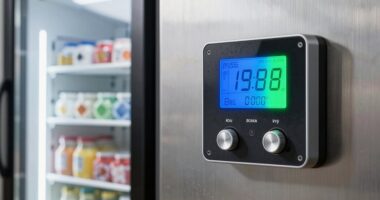
Temperature Controllers Explained: How Freezer Conversions Avoid “Ice Block” Mode
Freezer temperature controllers prevent ice block mode through precise calibration and conversions, ensuring optimal operation—discover how they keep your freezer running smoothly.
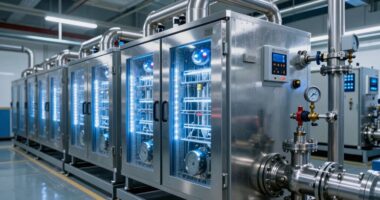
Glycol Chillers Explained: When They Make Sense (and When They Don’t)
Cooling solutions like glycol chillers offer precise temperature control, but understanding when they make sense requires exploring their advantages and limitations.
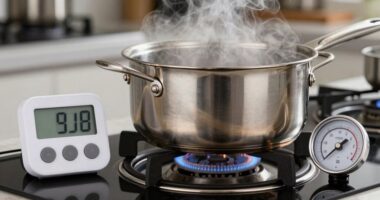
Temperature vs Time: Which One Should You Increase First?
When deciding whether to increase temperature or time first, understanding which to prioritize can significantly impact your results—discover the key to optimizing your process.