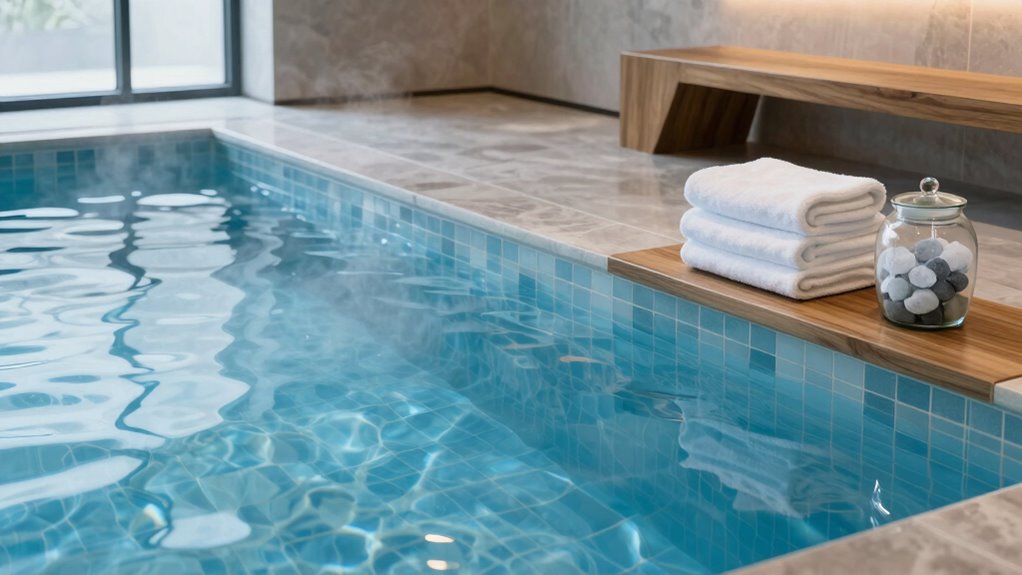

When planning your indoor cold plunge, focus on more than just water temperature; safety and proper equipment matter most. Make certain the water stays between 50°F and 59°F and use reliable chillers or thermostats for precise control. Prioritize safety features like grab bars, non-slip surfaces, and emergency contacts. Manage your sessions carefully, listening to your body, and maintain water quality consistently. Getting these aspects right is essential—continue exploring to discover how to optimize your cold plunge experience safely.

Get home appliances delivered free — and shop member deals
- Fast, free delivery on millions of items
- Access to Prime Big Deal Days deals on October 6–7
- Prime Video, Amazon Music and more included
Key Takeaways
- Precise temperature control with reliable chillers or thermostats is critical for safety and therapeutic effectiveness.
- Safety features like grab bars, non-slip surfaces, and emergency protocols prevent accidents during cold plunge sessions.
- Gradual exposure increases tolerance; avoid sudden immersion or prolonged initial sessions.
- Regular water testing and maintenance reduce bacterial risks and ensure water quality.
- Monitoring body signals and having emergency plans in place are essential for safe cold plunge practices.
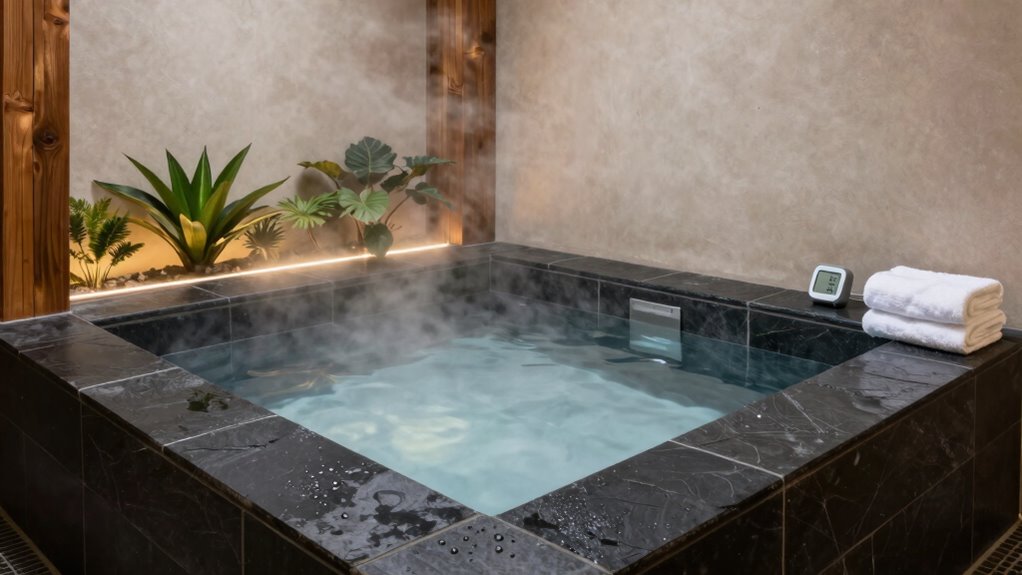
Have you ever considered adding an indoor cold plunge to your wellness routine? If so, you’re likely aware of the benefits—enhanced circulation, reduced inflammation, and mental clarity. But before diving in, it’s important to understand that planning an effective cold plunge isn’t just about picking a tub and filling it with cold water. A successful setup hinges on careful attention to temperature regulation and strict safety protocols, which often matter more than most people expect. Ensuring proper temperature regulation is crucial because maintaining the right water temperature ensures you enjoy the benefits without risking harm. Typically, cold plunges operate between 50°F and 59°F (10°C to 15°C). Going colder than that can lead to hypothermia or shock, especially if your body isn’t accustomed to such temperatures. Conversely, water that’s too warm diminishes the therapeutic effects. To keep things safe and effective, you’ll need a reliable system—whether it’s a chiller, a thermostat-controlled heater, or a combination—that can precisely regulate water temperature. Regularly testing and adjusting the water temperature becomes part of your routine, ensuring consistency and safety. Safety protocols are equally essential and often overlooked. First, always start slow—your body needs time to adapt to cold exposure. Before each session, check the water temperature, and never plunge alone if you’re new to cold water therapy. Keep emergency contacts nearby, and make sure someone knows you’re using the plunge. Installing safety features like grab bars, non-slip surfaces, and easy exit points can prevent accidents. You should also limit your time in the cold water—initially, just a few minutes—and listen to your body. If you experience dizziness, numbness, or chest discomfort, get out immediately. Hydration and warming up afterward are also necessary to support recovery and prevent afterdrop, the dangerous drop in core temperature that can occur when leaving the cold environment. Proper water quality maintenance ensures the longevity of your setup and reduces the risk of bacterial growth. Additionally, understanding cold exposure safety guidelines can help you avoid common pitfalls and maximize benefits. Maintaining optimal air quality around your setup can also contribute to a safer and more comfortable experience, especially in enclosed indoor spaces. Planning for a cold plunge isn’t just about the physical setup; it’s about creating a safe experience that maximizes benefits while minimizing risks. Proper temperature regulation keeps your body within safe limits, and adherence to safety protocols ensures you avoid accidents or health issues. Remember, even with the best equipment, your awareness and cautious approach are what truly make the difference. When done thoughtfully, an indoor cold plunge can become a powerful addition to your wellness routine, boosting your health in ways you might not have expected.
indoor cold plunge tub with temperature control
As an affiliate, we earn on qualifying purchases.
As an affiliate, we earn on qualifying purchases.
Frequently Asked Questions
How Long Should I Stay in the Cold Plunge?
You should stay in the cold plunge for about 3 to 5 minutes, depending on temperature thresholds and your comfort level. Pay attention to how your body reacts; if you start to feel numb or dizzy, it’s time to get out. Building mental resilience helps you extend your time gradually, but always prioritize safety. Listen to your body, and don’t push beyond your limits to avoid hypothermia or other risks.
What Are the Safety Risks of Cold Plunging?
Cold plunging can offer health benefits and positive psychological effects, but it also has safety risks you should consider. You might experience hypothermia if you stay in too long or if the water is too cold. Sudden shocks can cause heart issues, especially if you have pre-existing conditions. Always start slowly, monitor your body’s response, and consult a healthcare professional to minimize risks and safely enjoy the benefits.
How Often Should I Use the Cold Plunge?
You should start with 2-3 sessions per week, listening closely to how your body responds. As you build mental resilience and improve temperature regulation, you might increase frequency, but never push beyond your comfort zone. The key is consistency—regular cold plunges sharpen your mind and boost resilience, yet overdoing it could be risky. Pay attention, adjust accordingly, and access the full potential of this invigorating practice.
Can Beginners Handle Cold Water Therapy?
Yes, beginners can handle cold water therapy, but it requires patience and gradual cold adaptation. Start with short dips and slowly increase exposure to build mental resilience and physical tolerance. Focusing on consistent practice helps your body adapt, making it easier over time. Remember, listening to your body is key—don’t push too hard too fast. With time, you’ll develop greater mental resilience and comfortably handle colder water.
What Are the Best Locations for an Indoor Cold Plunge?
You might think the best locations for an indoor cold plunge are purely functional, but aesthetics and temperature control matter more. A dedicated room with calming indoor aesthetics enhances your experience and encourages consistency. Look for a space with precise temperature control, like a basement or a spa room, where you can maintain ideal cold water conditions. Prioritize comfort and ambiance to make cold plunge therapy a sustainable part of your routine.
non-slip safety mats for cold plunge
As an affiliate, we earn on qualifying purchases.
As an affiliate, we earn on qualifying purchases.
Conclusion
As you plan your indoor cold plunge, remember that attention to detail transforms a simple space into a sanctuary. Every choice—temperature, location, decor—paints a vivid picture of your wellness journey. Think of it as crafting a quiet oasis amid life’s chaos, where each element whispers calm and resilience. By prioritizing what truly matters, you create more than just a plunge—you craft a retreat that nurtures your body and soul, turning everyday moments into a soothing ritual.
As an affiliate, we earn on qualifying purchases.
thermostat-controlled water chiller for tubs
As an affiliate, we earn on qualifying purchases.
As an affiliate, we earn on qualifying purchases.
Cold & flu season Picks
humidifiers
As an affiliate, we earn on qualifying purchases.