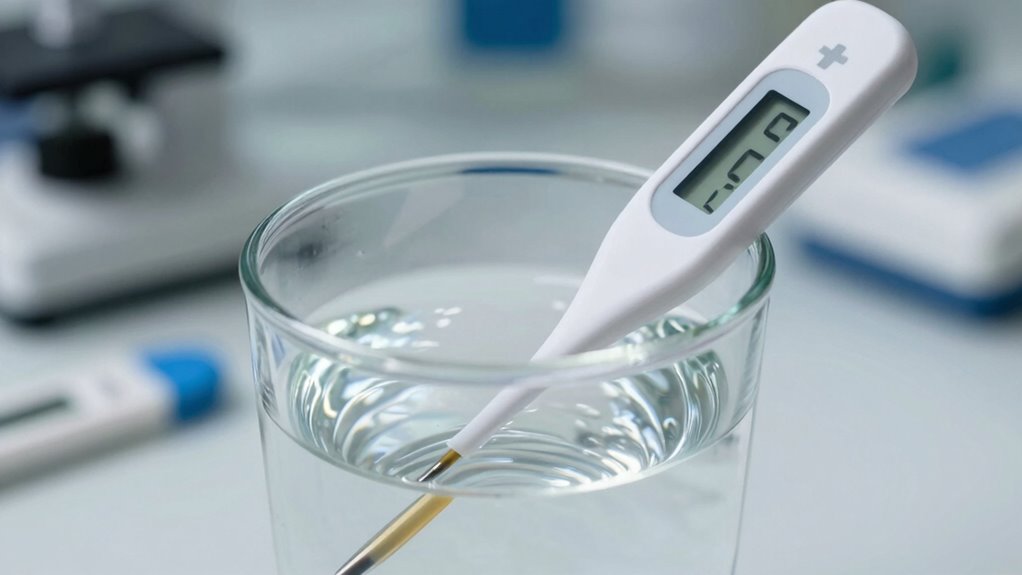
To measure water temperature accurately, choose the right thermometer—digital, mercury, or infrared—based on your needs and always calibrate it prior to use. Fully submerge the sensor at mid-depth, avoiding sides or the bottom, and allow it to stabilize for a precise reading. Keep the device away from drafts or heat sources. If you want to ensure your measurements are spot-on, follow these tips and improve your technique.
Key Takeaways
- Fully immerse the thermometer probe in water, avoiding contact with container sides or bottom for an accurate reading.
- Calibrate your thermometer using ice water (32°F/0°C) and boiling water (212°F/100°C at sea level) before use.
- Ensure the sensor is at mid-depth in the water for a representative temperature measurement.
- Wait until the thermometer stabilizes and displays a steady reading before recording the temperature.
- Keep the thermometer clean and handle it gently to maintain accuracy and prevent damage.
Why Accurate Water Temperature Matters
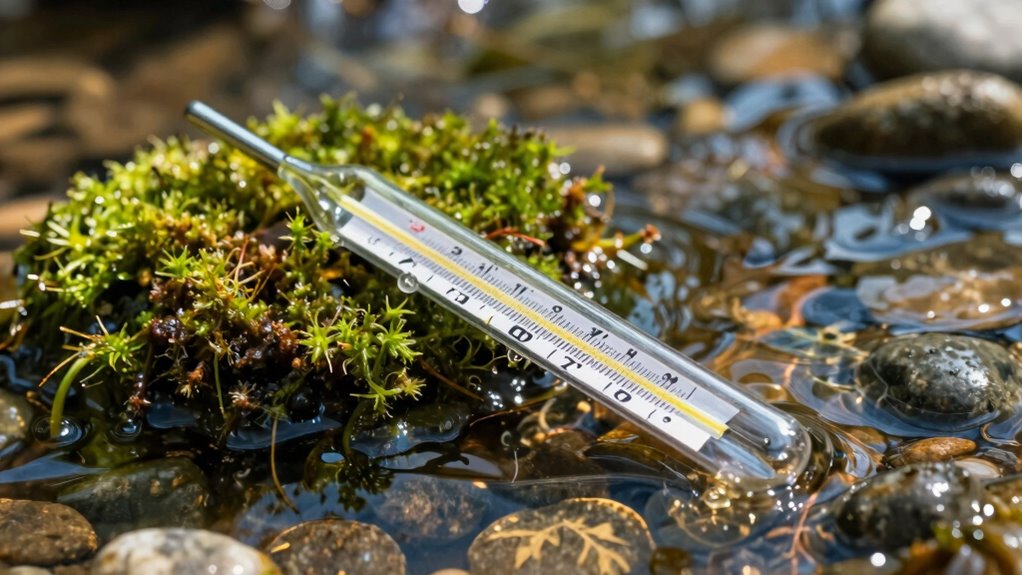
Accurate water temperature measurement is vital because it directly impacts safety, equipment performance, and the success of various activities. When you monitor water temperature precisely, you help guarantee water safety, preventing conditions that could harm swimmers, pets, or aquatic life. In aquariums, maintaining the correct temperature is essential for healthy fish and coral, as fluctuations can cause stress or disease. Proper temperature control supports stable aquarium health, reducing the risk of infections and balancing water chemistry. Without precise measurement, you might misjudge conditions, risking safety hazards or damaging sensitive equipment. By consistently checking and adjusting water temperature, you create a safer environment and promote ideal health—whether for people, pets, or aquatic ecosystems. Recognizing the importance of proper measurement techniques is also helpful, as different sources of water may have unique temperature requirements. Using accurate thermometers ensures reliable readings and better water management. Additionally, understanding measurement accuracy helps prevent errors that could lead to unsafe conditions or equipment issues. Maintaining consistent measurement practices is crucial for reliable, safe water management. Accurate readings are your first step toward reliable, safe water management.
Types of Water Thermometers Explained

Understanding the different types of water thermometers can help you choose the best one for your needs. Historical thermometers, like mercury or alcohol-based models, rely on a glass tube and a scale to show temperature. They’re accurate but can be fragile and require careful handling. Digital thermometers use electronic sensors for quick readings and are easy to read. Non-contact sensors, such as infrared thermometers, detect water temperature without touching the surface, providing a safe and fast alternative. These are especially useful for hot or hard-to-reach water sources. Each type offers unique benefits and limitations, so consider your specific needs—whether measurement accuracy, convenience, or safety—when selecting the right thermometer for your water measurements. Additionally, understanding thermometer accuracy options can help ensure you invest in reliable and safe tools. For precise readings, it’s also important to consider calibration methods to maintain the accuracy of your thermometers over time. Using the appropriate temperature measurement techniques ensures you get reliable results and avoid guesswork.
How to Choose the Best Water Thermometer for Your Needs
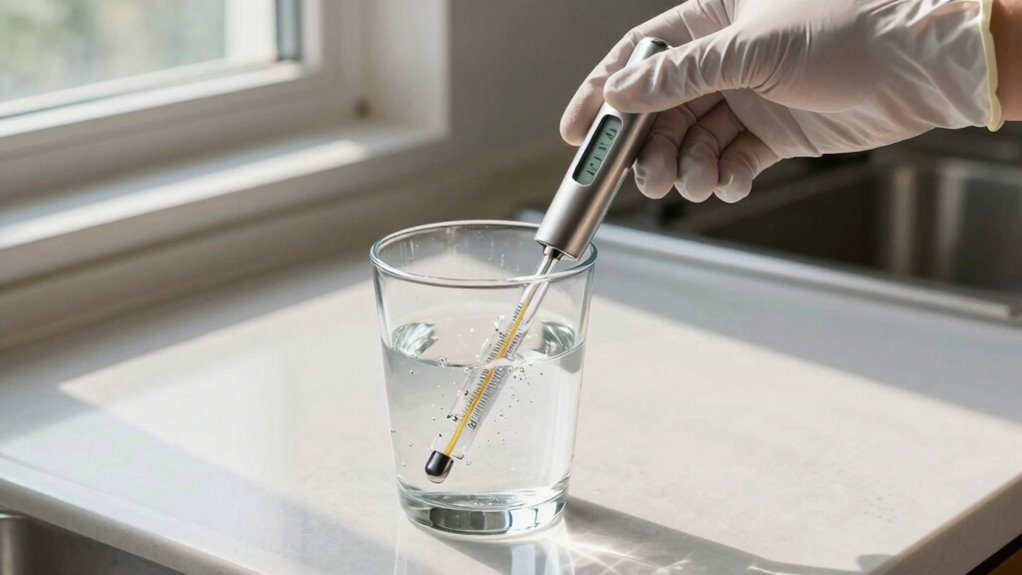
When selecting a water thermometer, you should consider the temperature range it can measure to match your specific needs. Ease of use is also important, so look for models that are simple to read and operate. By focusing on these points, you can find a thermometer that fits your situation perfectly. Additionally, choosing a thermometer made from safe and durable materials ensures longevity and accurate readings over time. For optimal performance, consider models with advanced sensor technology that can provide more precise measurements. Remember that selecting the right equipment for your environment can help you maintain consistent and reliable temperature readings. Being aware of regulatory standards related to safety and performance can further ensure you select a suitable device.
Temperature Range Options
Are you unsure which temperature range your water thermometer should cover? Choosing the right range is essential for accurate measurements and dependable temperature accuracy. If you’re monitoring hot water or boiling points, look for a thermometer that covers higher ranges, typically up to 220°F or 100°C. For colder water, a lower range, such as -20°F to 120°F, works best. Consider measurement units too—some thermometers display both Fahrenheit and Celsius, giving you flexibility. Matching the thermometer’s range to your specific needs ensures more precise readings and avoids inaccuracies caused by stretching the device beyond its limits. Think about what temperatures you’ll measure most often and select a range that comfortably encompasses those points for maximum performance. Additionally, selecting a thermometer with proper calibration ensures ongoing accuracy over time. Being aware of temperature range options helps you choose a device that provides consistent and reliable results, especially considering the importance of security zone info in home safety planning. Knowing your specific measurement needs can further optimize your selection process.
Ease of Use
Choosing a water thermometer that’s easy to use makes monitoring temperatures straightforward and hassle-free. Look for a device with clear sensor placement, ensuring accurate readings without complicated setup. Proper sensor placement is essential for reliable measurements. A simple, intuitive user interface helps you read the temperature quickly, whether it’s a digital display or a straightforward dial. Consider how easily you can position the sensor in your water source—flexible probes or waterproof designs make it simpler. Some thermometers have one-button operation or minimal controls, reducing confusion. The fewer steps needed to get a reading, the better. An easy-to-understand display and well-placed sensors save you time and frustration, making your temperature monitoring more efficient and reliable. Incorporating reliable, well-researched information into your choice ensures you select a thermometer that truly meets your culinary needs. Additionally, selecting a thermometer with accurate calibration helps maintain consistent and trustworthy measurements over time. Ensuring easy maintenance is also important, as it prolongs the lifespan and accuracy of your thermometer. Regularly checking and calibrating your device can further enhance its performance and longevity.
Step-by-Step: Using a Digital Water Thermometer Correctly
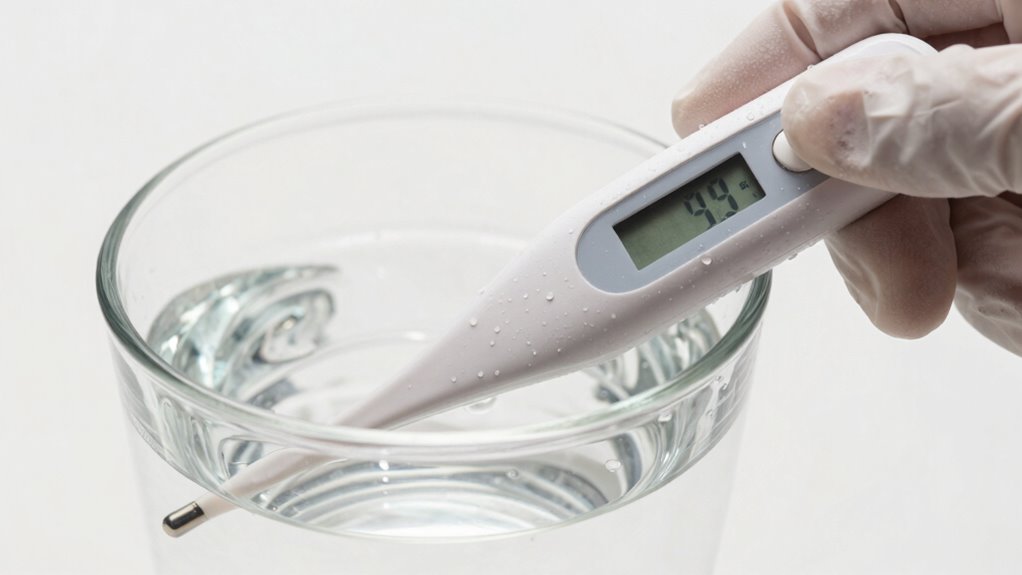
To get accurate readings, start by properly calibrating your digital water thermometer according to the manufacturer’s instructions. Make sure to submerge the probe fully in the water, avoiding contact with the container’s sides or bottom. Doing this guarantees precise measurements and consistent results every time. Additionally, consider smart home integration options that allow you to monitor water temperature remotely for added convenience and safety. Remember to regularly check the air purifier maintenance dos and don’ts to ensure your device functions efficiently and contributes to a healthier environment.
Proper Calibration Techniques
Proper calibration guarantees your digital water thermometer provides accurate readings, which is essential for reliable temperature measurements. To achieve this, start by using calibration standards such as ice water for 32°F (0°C) or boiling water for 212°F (100°C) at sea level. Ensure your thermometer’s sensor is properly aligned within its housing, avoiding any obstructions or misplacement that could skew results. Before calibrating, clean the sensor to remove any residues that might interfere with accuracy. Immerse the probe into the calibration standard, making sure it’s fully submerged without touching the container’s sides or bottom. Allow the thermometer to stabilize, then adjust it according to the manufacturer’s instructions if needed. Regular calibration ensures consistent, trustworthy temperature readings over time.
Optimal Submersion Practices
Ensuring your digital water thermometer is properly submerged is key to getting accurate readings. You should carefully consider submersion depths to avoid contact with the container’s sides or bottom, which can skew results. Place the thermometer so that the sensing area is fully immersed in the water, ideally mid-depth, where temperature is most uniform. Avoid touching the sides or bottom of the container, as these surfaces may be warmer or cooler than the water itself. Make sure the thermometer is steady and not touching any objects that could interfere with the reading. Proper thermometer placement guarantees you capture the true water temperature without interference, leading to reliable and consistent results every time. Additionally, following proper placement techniques can help you achieve more precise measurements.
Safely Using Glass and Mercury Water Thermometers

When using glass and mercury water thermometers, safety is essential to prevent accidents and injuries. Historically, these thermometers provided precise temperature readings, but they also posed risks if broken. To guarantee safety, always handle them gently and avoid sudden impacts. Follow safety precautions such as wearing gloves and eye protection, especially when inspecting or cleaning the thermometer. Keep the thermometer away from children and pets, as mercury exposure is hazardous. If a thermometer breaks, ventilate the area immediately and carefully clean up mercury with appropriate tools—never use a vacuum. Proper storage in a sturdy case minimizes the risk of damage. Remember, respecting these safety measures preserves the thermometer’s historical accuracy while keeping you safe.
Tips for Accurate Water Temperature Readings in Different Settings
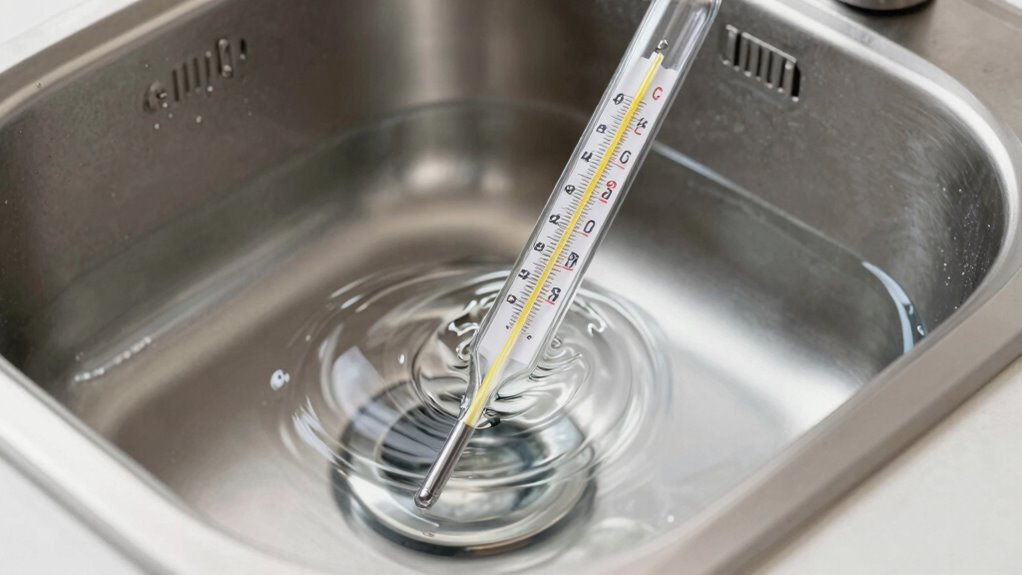
To get accurate water temperature readings in different settings, you need to choose the right method and pay attention to details. Historical methods, like using a simple water column or traditional thermometers, reveal how cultures valued precision. Modern techniques, such as digital sensors, offer quick, reliable results. When measuring in varied environments, consider the context and adjust your approach accordingly. For example, in a laboratory, use calibrated digital devices, while outdoor or cultural practices might involve manual tools or natural indicators.
| Setting | Recommended Method |
|---|---|
| Laboratory | Digital thermometer with calibration |
| Outdoor | Traditional water column |
| Cultural rituals | Natural indicators or simple thermometers |
| Home kitchens | Instant-read digital thermometer |
Common Mistakes to Avoid When Measuring Water Temperature
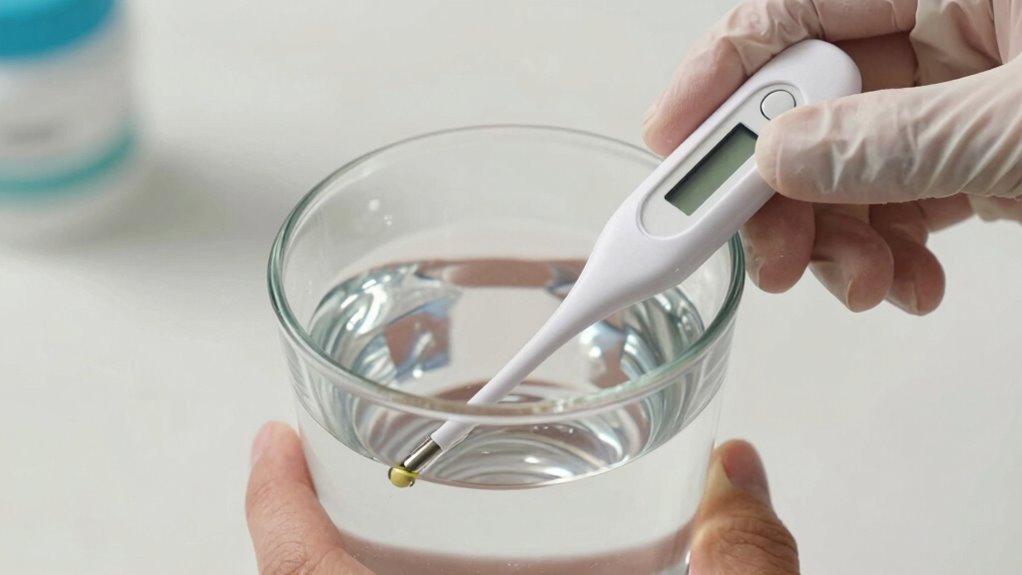
One common mistake is not allowing the water enough time to reach the desired temperature before taking a reading. Rushing can lead to inaccurate results. Additionally, improper sensor placement can skew measurements; avoid placing the sensor near the water’s surface or at the edges, where readings may vary. Be mindful of ambient interference, such as drafts or nearby heat sources, which can affect the sensor’s accuracy. To prevent mistakes, follow these tips:
Allow water to stabilize before measuring to ensure accurate temperature readings.
- Wait a few minutes after heating or cooling the water before measuring.
- Place the sensor in the center of the water, away from walls or surface disturbances.
- Shield the sensor from external heat sources and drafts during measurement.
Troubleshooting Inconsistent Readings and When to Calibrate
Inconsistent water temperature readings often indicate issues with your measurement process or equipment. One common cause is improper sensor placement; if the sensor isn’t submerged properly or is positioned near a heat source, readings can fluctuate. Environmental interference also affects accuracy—vibrations, drafts, or nearby electrical devices can skew results. If you notice erratic or inconsistent readings, it’s time to calibrate your thermometer or sensor. To do this, compare your device against a trusted reference, like a calibrated thermometer, and make adjustments as needed. Regular calibration ensures your measurements stay accurate, especially if environmental conditions change or if you’ve moved the sensor. Consistent sensor placement and minimizing environmental interference are key to reliable, accurate water temperature readings.
Frequently Asked Questions
How Often Should I Calibrate My Water Thermometer?
You should calibrate your water thermometer at least once a month to guarantee accuracy. Regular calibration helps maintain thermometer accuracy, especially if you use it frequently or after drops or impacts. Additionally, check calibration whenever you notice inconsistent readings. Proper calibration frequency keeps your temperature measurements precise, allowing you to trust the results and avoid guessing, ultimately ensuring safe and effective water temperature management.
Can I Use a Kitchen Thermometer for Water Temperature?
Yes, you can use a kitchen thermometer for water temperature, but make sure it’s suitable for liquids. Check that it’s waterproof and has a quick response time for accurate readings. Submerge the thermometer properly without touching the sides or bottom of the container, and wait until the display stabilizes. This way, you get an accurate measurement of your water temperature, helping you cook or prepare your recipes precisely.
What Is the Ideal Water Temperature for Different Aquatic Animals?
You should aim for specific water temperatures based on your aquatic animals’ needs. For example, tropical fish thrive around 75-80°F, while goldfish prefer 65-75°F. Maintaining proper water chemistry is essential, as fluctuations can cause stress. Observe fish behavior—if they’re sluggish or darting excessively, check if the water temperature is off. Consistently accurate measurements help keep your aquatic environment healthy and your animals comfortable.
How Do Environmental Factors Affect Water Temperature Readings?
Environmental factors like ambient influence can skew your water temperature readings. For example, if your sensor is placed near a heater or a sunlight-exposed window, it may register higher temperatures than the actual water. This affects sensor accuracy, leading to incorrect data. To prevent this, position sensors away from heat sources or direct sunlight, and always calibrate regularly to guarantee your readings reflect true water temperature.
Are Digital Thermometers More Accurate Than Traditional Glass Ones?
Digital thermometers generally offer better digital accuracy than traditional glass ones, making them more reliable for precise water temperature readings. They provide instant results and are less prone to breakage, unlike glass thermometers which can be fragile and require careful handling. While glass thermometers are trusted for their reliability, digital options often give you quicker, more consistent measurements, especially in environments where accuracy is essential.
Conclusion
Getting your water temperature right is like tuning a fine instrument—you’ll enjoy perfect results every time. By choosing the right thermometer, following proper techniques, and avoiding common mistakes, you guarantee accurate readings that make all the difference. Remember, consistency is key, so don’t forget to calibrate when needed. With these tips, you’ll master water temperature measurement just like a skilled chef or scientist—precise, confident, and in control.