You might not realize how essential good ventilation is in indoor recovery rooms. Without proper airflow, contaminants and airborne pathogens can build up, risking infections and slowing healing. Poor ventilation can also cause stale air, humidity issues, and discomfort. Ensuring continuous air exchange with filters and exhaust systems helps keep the environment safe and healthy. If you want to discover how to optimize your recovery space for safety and faster healing, keep exploring this important topic.
Key Takeaways
- Poor ventilation can allow airborne contaminants to accumulate, risking infections and slowing recovery.
- Proper airflow reduces humidity and removes toxins, enhancing patient safety and comfort.
- Effective ventilation systems with filters prevent the buildup of bacteria, viruses, and airborne chemicals.
- Regular maintenance ensures ventilation systems function optimally, maintaining high indoor air quality standards.
- Neglecting ventilation can lead to serious health risks, making it a critical aspect of recovery room safety.
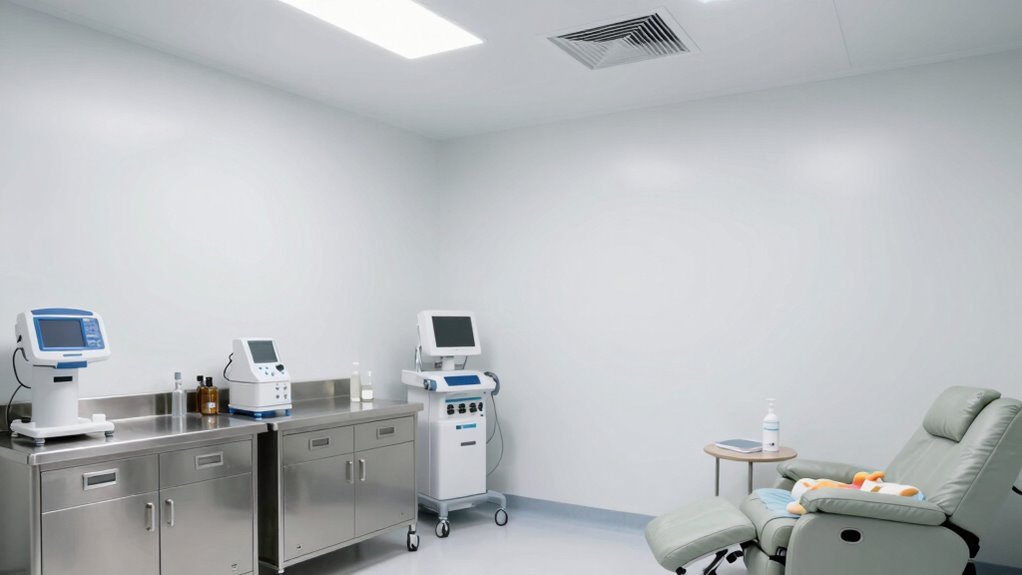
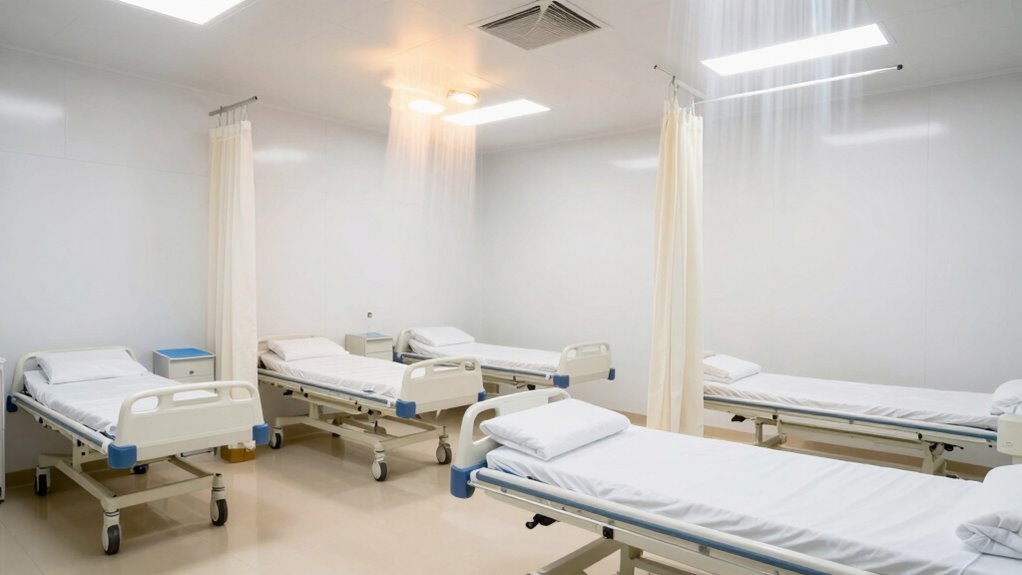
Many people assume that indoor recovery rooms are safe simply because they are enclosed spaces, but in reality, poor ventilation can considerably undermine their safety and effectiveness. You might think that sealing a room keeps harmful airborne substances out, but without proper ventilation systems, contaminants can build up quickly, reducing air quality and risking your health. When recovery rooms lack adequate airflow, you’re left breathing stale, potentially contaminated air, which can slow healing, cause discomfort, or even lead to health complications. Good ventilation isn’t just about comfort; it’s essential for maintaining a safe environment.
The key to guaranteeing safety in recovery spaces is understanding the significance of air quality. High-quality air means fewer airborne pathogens, reduced humidity, and the removal of airborne chemicals or toxins that might linger after medical procedures or treatments. If the air isn’t refreshed regularly, you might be exposed to higher concentrations of bacteria, viruses, or other pollutants. This is especially true in enclosed rooms where the airflow isn’t properly managed. Without proper ventilation systems, contaminated air can stagnate, making it harder for your body to recover and increasing the risk of infection. Proper air exchange helps prevent the accumulation of harmful substances and improves recovery outcomes. Additionally, understanding indoor air quality standards can guide effective ventilation strategies. Ensuring that ventilation systems are designed according to air quality standards is crucial for optimal health and safety.
Ventilation systems are the backbone of a healthy indoor recovery environment. They actively regulate air exchange, removing stale air and bringing in fresh outdoor air. Modern systems, such as HEPA filters or exhaust fans, can trap airborne particles and prevent them from recirculating. When installed correctly, these systems ensure continuous airflow, keeping the air clean and reducing the buildup of harmful substances. Proper ventilation design is crucial to optimize airflow and prevent dead zones where contaminants can collect. A well-planned ventilation system also incorporates filtration technology to further improve air purity. Not only do they improve air quality, but they also control humidity levels, which is essential for preventing mold growth and maintaining ideal conditions for healing.
You might overlook the importance of ventilation because it’s not as visible as other safety measures, but neglecting it can have serious consequences. If you’re designing or managing a recovery room, prioritize the ventilation systems from the start. Regular maintenance, proper filtration, and ensuring an adequate exchange rate are critical. Even in spaces where you think the environment is controlled enough, remember that ventilation plays a significant role in safeguarding your health. Better airflow means better recovery, so don’t underestimate the power of good ventilation systems in creating a safe, healing environment.

Air Purifiers for Home with H13 Quiet HEPA Filter Up to 1076 Ft² for Pet Hair, Odors, Pollen, Smoke, Compact Air Cleaner with 3 Speeds, Timer, Aroma Quiet 360°Intake Filter, White
Effortless Operation: Simplified control panel with intuitive design makes it easy to operate. No complicated setup—just one tap,…
As an affiliate, we earn on qualifying purchases.
As an affiliate, we earn on qualifying purchases.
Frequently Asked Questions
How Often Should Ventilation Systems Be Inspected and Maintained?
You should inspect and maintain your ventilation systems at least twice a year to guarantee ideal air flow and proper ventilation design. Regular checks help spot issues early, like clogged filters or faulty fans, which could compromise indoor air quality. By staying proactive, you keep the system functioning efficiently, reducing airborne contaminants and creating a safer recovery environment. Don’t forget to schedule professional inspections to keep everything in top shape.
What Specific Air Quality Standards Apply to Recovery Rooms?
You must meet specific air quality standards in recovery rooms, focusing on air filtration and humidity control. These standards guarantee the removal of airborne contaminants while maintaining ideal humidity levels to prevent mold and bacteria growth. Regulations like ASHRAE guidelines or local health codes set limits on particulate matter and microbial levels. By adhering to these standards, you create a safer, healthier environment that supports patient recovery and staff well-being.
Can Portable Air Purifiers Replace Proper Ventilation Systems?
Portable air purifiers can’t substitute proper ventilation systems because of their limitations in filtering airborne contaminants and managing airflow. While air purifiers improve air quality, they mainly target particles and some gases, whereas ventilation ensures a consistent exchange of fresh air and removal of pollutants. Relying solely on purifiers overlooks ventilation’s role in preventing the buildup of airborne pathogens, making proper ventilation essential for recovery room safety.
How Does Ventilation Impact Patient Recovery Times?
Imagine fresh air flowing seamlessly, like a gentle breeze guiding you toward healing. Proper ventilation boosts airflow efficiency and humidity control, creating an environment that fosters quicker recovery times. When the air circulates well, it clears out contaminants and maintains ideal humidity, reducing discomfort and infection risk. You’ll notice patients heal faster and feel more comfortable, as the room’s air quality actively supports their health rather than hindering it.
Are There Industry Certifications for Optimal Recovery Room Ventilation?
Yes, industry certifications like ASHRAE Standard 170 and LEED certification emphasize ideal ventilation, including air filtration and odor control, for recovery rooms. These standards guarantee that the ventilation system minimizes airborne contaminants and maintains a clean environment, which is essential for patient comfort and safety. By adhering to these certifications, you certify your recovery space promotes better healing, reduces infection risks, and provides a healthier atmosphere for everyone.

VEVOR 10'' Exhaust Fan, Wall Mounted Attic Fan with Variable Speed controller, 900 CFM, Automatic Shutter, Ventilation and Cooling, Black
Rapid Venting: This shutter exhaust fan delivers 900 CFM to quickly expel stale air, floating dirt, heat, and…
As an affiliate, we earn on qualifying purchases.
As an affiliate, we earn on qualifying purchases.
Conclusion
You might be surprised to learn that poorly ventilated recovery rooms can increase infection risks by up to 70%. Improving airflow isn’t just about comfort; it’s vital for safety. Better ventilation reduces airborne contaminants and speeds up healing. So, next time you’re in a recovery space, remember that smart airflow design isn’t optional—it’s indispensable. Prioritize proper ventilation to protect everyone and guarantee a healthier recovery environment.

Austin Air HealthMate Plus Air Purifier – Advanced 4- Stage Filtration Air Purifiers For Home with Activated Carbon & Zeolite – Ideal as Air Purifiers for Bedroom or any Large room, Model B450
4-STAGE FILTRATION FOR CLEANER AIR – Featuring a filter with integrated Activated Carbon and Zeolite, this air purifier…
As an affiliate, we earn on qualifying purchases.
As an affiliate, we earn on qualifying purchases.
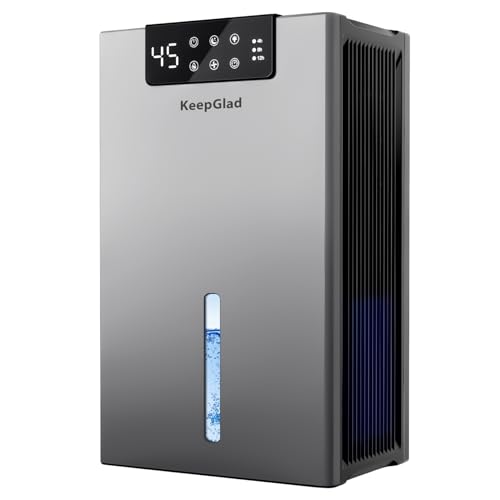
KeepGlad Dehumidifier, 98OZ Dehumidifiers for Home(1000sq.ft), Humidity Display Dehumidifier for Basement Bathroom Bedroom, Auto Shut Off, Washable Filter, Drain Hose, Timer, 7 Ambient Lights, Gray
【High Efficient Dehumidification & Digital Controls】Equipped with dual semiconductor design, KeepGlad dehumidifier removes up to 40 OZ of…
As an affiliate, we earn on qualifying purchases.
As an affiliate, we earn on qualifying purchases.