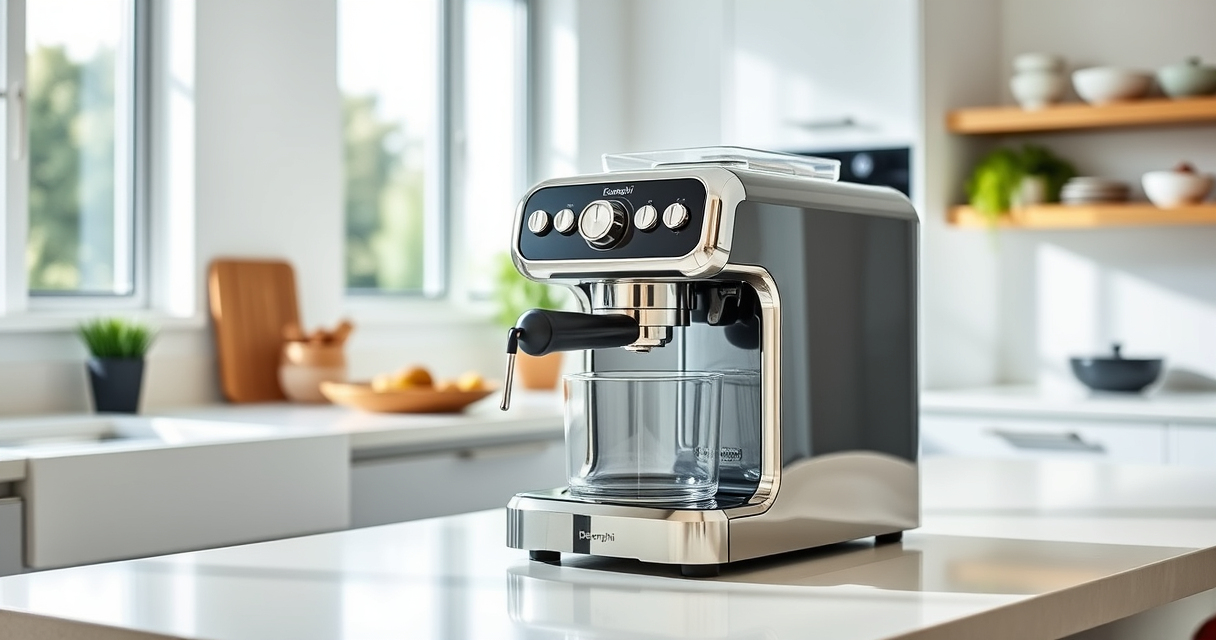
If your De’Longhi Magnifica Evo or similar espresso machine is leaking water, it can disrupt your coffee routine and cause inconvenience. Water leaks can stem from various issues, ranging from simple blockages to more complex component failures. Fortunately, many of these problems are fixable with some basic troubleshooting steps.

Get home appliances delivered free with Prime
- Fast, free delivery on millions of items
- Prime Video, Amazon Music and more included
- Member-only deals all year
In this guide, we’ll walk you through the common causes of water leaks, provide clear, safe repair steps, and share tips to prevent future issues. Whether you’re a beginner or an experienced user, you’ll find practical advice to restore your machine’s performance efficiently.
Key Takeaways
| Identify the leak source | Pinpoint whether water is leaking from the water tank, internal components, or the steam wand. |
| Check water filters | A clogged or improperly installed filter can cause leaks or pressure issues. |
| Inspect for blockages | Mineral buildup and blockages may lead to water overflow or leaks. |
| Perform descaling | Regular descaling helps prevent mineral deposits that cause leaks. |
| Maintain seals and gaskets | Worn or damaged seals are common culprits and should be replaced promptly. |
1. Confirm the Water Tank Is Properly Installed
Start by ensuring that the water tank is correctly seated in the machine. An improperly placed tank can cause leaks or drips. Remove the water tank carefully, check for any cracks or damage, and then reinsert it firmly into its slot. Make sure it is securely clicked into place to prevent water from escaping during operation.
2. Check for Cracks or Damage in the Water Tank
Inspect the water tank thoroughly for cracks, chips, or damage. Even small fractures can lead to leaks. If you find any damage, replace the water tank with an original part or a compatible replacement to avoid further leaks and ensure proper water flow.
3. Examine Seals, Gaskets, and Connections
Leaking can often occur at the seals and gaskets around the water tank, brew group, or steam wand. Look for signs of wear, cracks, or misalignment. Replace any worn seals with genuine De’Longhi parts, such as the water filter or gaskets, to maintain a tight seal and prevent leaks.
4. Clear Mineral Buildup and Descale the Machine
Mineral deposits from hard water can block pipes and valves, leading to water overflow. Use a descaling solution like the De’Longhi EcoDecalk Descaler, following the manufacturer’s instructions. Regular descaling (every 2-3 months) helps maintain smooth water flow and prevents leaks caused by mineral buildup.
5. Inspect and Replace Worn Components
If leaks persist after cleaning and reassembly, inspect internal components such as valves, hoses, and the brew group. Look for signs of wear or damage. Replace worn parts with original De’Longhi accessories to ensure optimal functioning and prevent future leaks.
The Products in This Guide
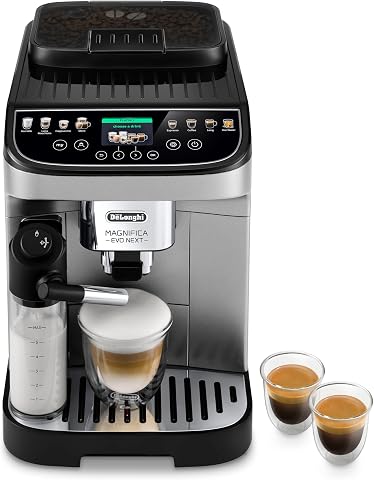
De’Longhi Magnifica Evo Next Fully Automatic Espresso Ma
- ✔ Water Tank Capacity: 1.8L
- ✔ Grind Settings: 13
- ✔ Power: 1450W

De’Longhi Replacement Water Filter
- ✔ Filter Type: Water Filter
- ✔ Replacement Indicator: Yes
- ✔ Capacity: Up to 2 months
De’Longhi Magnifica Evo Next Fully Automatic Espresso Ma
The De’Longhi Magnifica Evo Next Fully Automatic Espresso Machine offers a comprehensive brewing experience with programmable options, a built-in grinder, and milk frother. While it’s generally reliable, water leaks can occur if maintenance isn’t kept up or components wear out. Regular upkeep and proper assembly are key to preventing issues.
Pros:
- Versatile drink options at the touch of a button
- Built-in grinder for fresh coffee
- Automatic milk frother for lattes
- Customizable settings
Cons:
- Potential for leaks if not maintained
- Requires regular descaling
- Complex internal parts can be tricky to repair
Best for: Home baristas wanting convenience and quality espresso drinks
Not ideal for: Users seeking a simple, manual espresso machine
Bottom line: A high-quality espresso machine that requires regular maintenance to prevent leaks.
De’Longhi Replacement Water Filter
Using the De’Longhi Replacement Water Filter can significantly reduce mineral buildup, which is a common cause of leaks. It ensures cleaner water for better tasting coffee and helps maintain optimal machine performance.
Pros:
- Enhances water quality
- Prevents lime scale
- Easy to install
- Extends machine lifespan
Cons:
- Requires regular replacement
- Additional cost
- Not compatible with all models
Best for: Users looking to prevent leaks and improve coffee taste
Not ideal for: Owners of very old machines without compatible filter slots
Bottom line: A simple upgrade that can help prevent leaks caused by mineral deposits.
Frequently Asked Questions
Why is my De’Longhi espresso machine leaking water?
Leaks can be caused by a damaged water tank, worn seals, mineral buildup, or loose connections. Identifying the source is the first step to fixing the issue.
How often should I descale my machine?
It’s recommended to descale your De’Longhi machine every 2-3 months, especially if you use hard water. Regular descaling prevents mineral buildup that can lead to leaks.
Can I use any descaling solution?
It’s best to use a descaling solution designed for espresso machines, such as the De’Longhi EcoDecalk Descaler, to ensure safety and effectiveness.
What should I do if the leak persists after troubleshooting?
If the leak continues, inspect internal parts like hoses and valves. Replacing worn or damaged components, or contacting De’Longhi support, may be necessary.
Are water filters necessary for preventing leaks?
While not mandatory, water filters like the De’Longhi Replacement Water Filter help reduce mineral deposits, prolonging the life of your machine and reducing leak risks.
Keep Your Coffee Perfect with Proper Maintenance
Addressing water leaks in your De’Longhi espresso machine is mainly about proactive maintenance and careful inspection. Regular descaling, replacing worn seals, and ensuring proper assembly can prevent most leaks and extend your machine’s lifespan. With these practical steps, you can enjoy consistently delicious espresso without frustration.
Remember, if issues persist despite troubleshooting, consulting professional repair services or contacting De’Longhi support is advisable to avoid further damage and ensure safe operation.
Affiliate disclosure: As an Amazon Associate we earn from qualifying purchases. Prices and availability are accurate as of the time of publishing.
Cold & flu season Picks
humidifiers
As an affiliate, we earn on qualifying purchases.