
The best energy-efficient smart thermostat for most homes is the ecobee Smart Thermostat Premium, thanks to its room-level smart sensors that eliminate hot and cold spots and its built-in energy reports that show exactly where your heating dollars go. For tighter budgets, the Amazon Smart Thermostat delivers genuine Energy Star-certified savings at a fraction of the price, while the ecobee Smart Thermostat Enhanced hits a sweet spot between the two with strong automation and no subscription fees. The main tradeoff in this category is between upfront cost and long-term savings: premium models recover their price through smarter scheduling and zoning, while budget models rely more heavily on your own discipline with schedules. Compatibility is the other wildcard — not every thermostat works with every HVAC system, so a wiring check comes before any purchase. Keep reading for the full breakdown of all 13 models and which one fits your home and budget.
Complete the kit



Key Takeaways
- amazon.com/dp/B0DT9MC2Z9?tag=koldfaste-20&ascsubtag=dc-718426″ target=”_blank” rel=”nofollow sponsored noopener”>ecobee‘s remote sensor support is the single biggest differentiator in this lineup — no other brand here offers room-by-room temperature averaging, which is where the deepest energy savings come from in multi-story homes.
- Sensi‘s lineup dominates the mid-range, but the three Sensi models are nearly identical in software; the only real differences are display type and c-wire flexibility, so buying the cheapest one that fits your wiring is usually the right call.
- The Amazon Smart Thermostat undercuts everything else by a wide margin but quietly drops features like remote sensors and advanced scheduling — a fair trade only if you already use Alexa routines.
- Two Honeywell entries (the T5 and the renewed Lyric T6) make sense mainly for specific HVAC setups or bargain hunters; both lack the energy reporting depth of ecobee and Nest, which makes tracking your actual savings harder.
- Every Energy Star-certified model in this roundup can pay for itself in 12–24 months through reduced heating and cooling bills, but only if you actually enable the eco features — a thermostat left on hold mode saves nothing.
| ecobee Smart Thermostat Essential |  | Best Budget ecobee | Energy Star Certified: Yes | Compatibility: Most 24 VAC HVAC systems: gas, oil, electric, dual fuel, heat pump, boilers | SmartSensor Support: Yes, SmartSensor 2-pack sold separately | VIEW LATEST PRICE | See Our Full Breakdown |
| Google Nest Thermostat (Charcoal) | 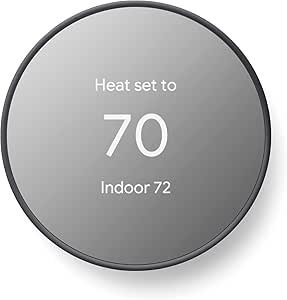 | Best for Google Homes | Energy Star Certified: Yes | Connectivity: Wi-Fi 802.11 b/g/n 2.4 GHz, 802.11 a/n 5 GHz; Bluetooth Low Energy | Compatibility: Works without C-wire in most homes; check system before purchase | VIEW LATEST PRICE | See Our Full Breakdown |
| Sensi Touch Smart Thermostat |  | Best Touchscreen Value | Energy Star Certified: Yes | Display: Color touchscreen | Connectivity: Wi-Fi | VIEW LATEST PRICE | See Our Full Breakdown |
| ecobee Smart Thermostat Enhanced |  | Best Value Overall | Energy Savings: Up to 26% annually | Compatibility: Most HVAC systems | Connectivity: Wi-Fi | VIEW LATEST PRICE | See Our Full Breakdown |
| Sensi Smart Thermostat ST55 |  | Best for Beginners | Energy Star Certified: Yes | Energy Savings: Approximately 23% on HVAC energy | Compatibility: Air conditioner, boiler, furnace, heat pump | VIEW LATEST PRICE | See Our Full Breakdown |
| Honeywell Home RTH9600WF Smart Color Thermostat |  | Best Touchscreen Display | Energy Star Certified: Yes | Display: High-definition color touchscreen | Connectivity: Wi-Fi | VIEW LATEST PRICE | See Our Full Breakdown |
| Honeywell Home T5 Smart Wi-Fi Thermostat |  | Best for Geofencing on a Budget | Scheduling: 7-day flexible scheduling | Geofencing: Yes | Control: Wi-Fi, smartphone/tablet app | VIEW LATEST PRICE | See Our Full Breakdown |
| Sensi Smart Thermostat (Wi-Fi, Energy Star Certified) |  | Best Smart Home Compatibility | Energy Star Certified: Yes | Connectivity: Wi-Fi | Smart Home Compatibility: Alexa, Google Assistant, Apple HomeKit, SmartThings, Wink | VIEW LATEST PRICE | See Our Full Breakdown |
| Honeywell Lyric T6 Thermostat (Renewed) |  | Best Budget Entry Point | Controller Type: Android or iOS app | Connectivity: Wi-Fi | Display: Graphical LCD, touchscreen | VIEW LATEST PRICE | See Our Full Breakdown |
| Sensi Lite Smart Thermostat ST25 | 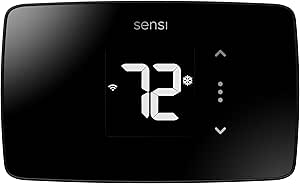 | Best for Beginner DIY Installers | Energy Star Certified: Yes | Connectivity: Wi-Fi | Voice Control: Alexa, Google Assistant, SmartThings | VIEW LATEST PRICE | See Our Full Breakdown |
| Amazon Smart Thermostat |  | Best Budget Pick | Compatibility: Works with Alexa and Ring | C-wire required: Yes | Energy savings: Estimated $90 annually | VIEW LATEST PRICE | See Our Full Breakdown |
| ecobee Smart Thermostat Premium – WiFi, Siri & Alexa Built-In, Smart Sensor |  | Best Overall | Energy savings: Up to 26% | Voice control: Siri and Alexa built-in | Smart sensors: Included SmartSensor ($50 value) | VIEW LATEST PRICE | See Our Full Breakdown |
| Sensi Touch 2 Smart Thermostat Wi-Fi, Alexa, Energy Star Certified, ST76 |  | Best Value for Smart Home Flexibility | Energy Star certified: Yes | Compatibility: Works with Alexa; room sensors supported | Room sensors: Supported, sold separately | VIEW LATEST PRICE | See Our Full Breakdown |
| energy-efficient smart thermostat | Compatibility | Energy Star Certified | Installation | Connectivity |
|---|---|---|---|---|
| ecobee Smart Thermostat Essent | Most 24 VAC HVAC systems: gas, oil, electric, dual fuel, heat pump, boilers | Yes | DIY, C-wire optional with Power Extender Kit (sold separately) | — |
| Google Nest Thermostat | Works without C-wire in most homes; check system before purchase | Yes | DIY | Wi-Fi 802.11 b/g/n 2.4 GHz, 802.11 a/n 5 GHz; Bluetooth Low Energy |
| Sensi Touch Smart Thermostat | Most HVAC systems; C-wire required | Yes | DIY with built-in level and easy-click terminals | Wi-Fi |
| ecobee Smart Thermostat Enhanc | Most HVAC systems | — | — | Wi-Fi |
| Sensi Smart Thermostat ST55 | Air conditioner, boiler, furnace, heat pump | Yes | DIY with app instructions; C-wire required in some applications | Wi-Fi |
| Honeywell Home RTH9600WF Smart | Most heat/cool systems, hot water, steam, heat pumps with electric backup | Yes | — | Wi-Fi |
| Honeywell Home T5 Smart Wi-Fi | Most heat/cool oil furnace systems | — | — | — |
| Sensi Smart Thermostat | — | Yes | Most installs in 30 minutes or less | Wi-Fi |
| Honeywell Lyric T6 Thermostat | — | — | — | Wi-Fi |
| Sensi Lite Smart Thermostat ST | Air conditioner, boiler, furnace, heat pump | Yes | — | Wi-Fi |
| Amazon Smart Thermostat | Works with Alexa and Ring | — | DIY with app guidance | — |
| ecobee Smart Thermostat Premiu | Most HVAC systems (verify on ecobee support page) | — | DIY with included Power Extender Kit and Trim Kit | — |
| Sensi Touch 2 Smart Thermostat | Works with Alexa; room sensors supported | Yes | DIY with app guidance; requires c-wire | — |
More Details on Our Top Picks
ecobee Smart Thermostat Essential
ecobee’s Essential model brings the brand’s energy-saving logic to a friendlier price, and that’s the whole story here: you get up to 23% savings on heating and cooling through Schedule Assistant and Time of Use features without paying Premium-level prices. Compared with the ecobee Smart Thermostat Enhanced, the Essential skips the included Power Extender Kit and trim kit, so buyers without a C-wire face an extra purchase — the Enhanced is the better call if your wiring is older. Against the Google Nest Thermostat, the Essential’s touchscreen feels more responsive than Nest’s farside dial-free control scheme, though Nest counters with slicker HVAC monitoring alerts. The tradeoff for the lower price is an accessory ecosystem that adds up: SmartSensors and the PEK are sold separately.
Pros:- Up to 23% reduction in annual heating and cooling costs
- Works with Alexa, Google Assistant, and Apple HomeKit
- Built-in humidity detection and Schedule Assistant
- DIY installation suitable for most 24 VAC systems including heat pumps and boilers
Cons:- SmartSensors, Power Extender Kit, and trim kit all sold separately
- Requires a compatibility check for less common HVAC setups
Best for: Budget-conscious homeowners who want ecobee’s energy algorithms and multi-platform support without the Premium price tag
Not ideal for: Renters or owners of older homes lacking a C-wire — the Power Extender Kit costs extra here, whereas the Enhanced includes it
- Energy Star Certified:Yes
- Compatibility:Most 24 VAC HVAC systems: gas, oil, electric, dual fuel, heat pump, boilers
- SmartSensor Support:Yes, SmartSensor 2-pack sold separately
- Indoor Humidity Detection:Yes
- Smart Features:Schedule Assistant, Time of Use
- App Compatibility:ecobee app, Apple HomeKit, Google Assistant, Alexa
- Installation:DIY, C-wire optional with Power Extender Kit (sold separately)
Our verdict“A smart buy if you want ecobee’s efficiency engine on a budget, provided you already have a C-wire.”
Google Nest Thermostat (Charcoal)
The Google Nest Thermostat stands out for how cleanly it disappears into a Google-centered smart home — pairing, voice control via Google Assistant, and Matter support all work with almost no friction. Its HVAC monitoring and maintenance alerts are a genuine differentiator at this price; the Sensi Touch offers similar alerts but a clunkier app experience. Where Nest stumbles is control depth: there’s no lock feature, so households with curious kids or rental guests can’t restrict setpoint changes — something ecobee models handle better. Savings come from learned schedules and remote shutoff rather than occupancy sensing, so unlike the ecobee Essential, there’s no add-on sensor ecosystem for room-by-room comfort. It works without a C-wire in most homes, but check compatibility first.
Pros:- Energy Star certified with measurable utility bill reductions
- Native Google Assistant and Matter integration
- HVAC monitoring sends proactive maintenance alerts
- Works without a C-wire in most homes
Cons:- No lock feature to restrict local temperature changes
- Full functionality depends on a stable Wi-Fi connection
- No room sensor ecosystem like ecobee’s SmartSensors
Best for: Google Home users who want set-and-forget schedules with reliable maintenance alerts and Matter compatibility
Not ideal for: Landlords and parents who need a lock feature to prevent tampering with settings
- Energy Star Certified:Yes
- Connectivity:Wi-Fi 802.11 b/g/n 2.4 GHz, 802.11 a/n 5 GHz; Bluetooth Low Energy
- Compatibility:Works without C-wire in most homes; check system before purchase
- Voice Control:Google Assistant; Matter-enabled devices
- Smart Features:Energy-saving schedules, HVAC monitoring, remote control via app
- Installation:DIY
Our verdict“The obvious pick if your home already runs on Google, but skip it if you need tamper-proof controls.”
Sensi Touch Smart Thermostat
Sensi Touch earns its place with one of the largest, most responsive color touchscreens in this price bracket — compared with the smaller display on the Amazon Smart Thermostat, on-wall adjustments here feel less like squinting at a gadget and more like using a tablet. Installation is genuinely beginner-friendly thanks to the built-in level and easy-click terminals, and the step-by-step app guidance rivals ecobee’s setup flow. The catch is unavoidable: it requires a C-wire, full stop. The ecobee Essential offers a workaround via its Power Extender Kit, so older homes should steer toward ecobee instead. Energy features are solid if less sophisticated — no occupancy detection or room sensors — meaning savings depend on the schedules you program yourself.
Pros:- Large, intuitive color touchscreen that’s easy to read and operate
- Excellent DIY installation with built-in level and easy-click terminals
- Remote control via well-designed Android and iOS apps
- Maintenance alerts help catch HVAC issues early
Cons:- C-wire required with no workaround included
- No occupancy sensing or room sensor support
- Manual scheduling means savings depend on user discipline
Best for: Buyers with C-wire-equipped homes who prioritize a large, premium-feeling touchscreen and straightforward DIY setup
Not ideal for: Homes without a common wire — there’s no power-extender workaround like ecobee offers
- Energy Star Certified:Yes
- Display:Color touchscreen
- Connectivity:Wi-Fi
- Compatibility:Most HVAC systems; C-wire required
- Voice Assistant Support:Amazon Alexa
- Control:Mobile app for Android and iOS
- Installation:DIY with built-in level and easy-click terminals
Our verdict“The best touchscreen experience per dollar, as long as your wiring cooperates.”
ecobee Smart Thermostat Enhanced
This is the pick where price and performance balance best. The Enhanced delivers ecobee’s up-to-26% annual energy savings — the strongest claim in this batch — and unlike the cheaper ecobee Essential, it includes the Power Extender Kit and trim kit, which matters enormously for older homes without a C-wire. Compared with the ecobee Premium, you give up built-in Siri, air quality sensors, and the bundled SmartSensor, but those are comfort luxuries rather than efficiency essentials. What you keep is the core: occupancy-based setbacks, remote control from phone, tablet, or even Apple Watch, and a three-year warranty that outlasts most rivals. The main compromise is that SmartSensors cost extra, so room-specific comfort requires another purchase down the line.
Pros:- Up to 26% annual energy savings, the strongest efficiency claim in the lineup
- Power Extender Kit and trim kit included in the box
- Remote control via smartphone, tablet, or Apple Watch
- Three-year warranty and broad smart home platform support
Cons:- SmartSensors sold separately for occupancy and room-based control
- Remote features stop working without a Wi-Fi connection
Best for: Homeowners who want maximum verified energy savings and complete installation accessories without stepping up to Premium pricing
Not ideal for: Buyers who want room-by-room temperature control out of the box — sensors are an extra cost
- Energy Savings:Up to 26% annually
- Compatibility:Most HVAC systems
- Connectivity:Wi-Fi
- Included Accessories:Power Extender Kit, trim kit
- Control:ecobee app on smartphone, tablet, Apple Watch
- Warranty:3 years
- Smart Features:Occupancy-based temperature adjustments
Our verdict“The sweet spot of the roundup: near-Premium efficiency and complete accessories at a mid-tier price.”
Sensi Smart Thermostat ST55
The Sensi ST55 is the least intimidating thermostat in this lineup — its traditional thermostat look means anyone replacing an old dial unit will feel at home, and the app-guided installation is among the friendliest for first-timers. It undercuts the Sensi Touch in price by dropping the big touchscreen, but keeps the essentials: roughly 23% energy savings, Energy Star certification, and unusually broad platform support that includes Alexa, Google Assistant, Apple HomeKit, and SmartThings — wider compatibility than the Google Nest Thermostat offers. The tradeoffs are real, though. Customization is shallower than ecobee’s ecosystem, and a C-wire is required in some installations. There’s also a privacy angle some buyers appreciate: Sensi emphasizes data privacy controls that several bigger brands treat as an afterthought.
Pros:- App-guided DIY installation that’s genuinely beginner-friendly
- Roughly 23% HVAC energy savings with Energy Star certification
- Works with Alexa, Google Assistant, HomeKit, SmartThings, and Vera
- Includes filter indicator, usage reports, and maintenance alerts
Cons:- C-wire required in some installations
- Limited customization compared with ecobee models
- Setup can frustrate buyers with no technical background
Best for: First-time smart thermostat buyers who want a familiar design, simple app setup, and broad platform compatibility on a budget
Not ideal for: Power users who want deep automation rules and occupancy-based learning — this model stays basic
- Energy Star Certified:Yes
- Energy Savings:Approximately 23% on HVAC energy
- Compatibility:Air conditioner, boiler, furnace, heat pump
- Platform Support:Amazon Alexa, Apple HomeKit, Google Assistant, SmartThings, Vera
- Connectivity:Wi-Fi
- Additional Features:Data privacy controls, filter indicator, programmable schedules, usage reports
- Installation:DIY with app instructions; C-wire required in some applications
Our verdict“The easiest entry point into smart climate control, as long as you accept its basic feature set.”
Honeywell Home RTH9600WF Smart Color Thermostat
This option stands out for its high-definition customizable color touchscreen, which makes daily programming feel less like a chore and more like using a tablet on your wall. Compared with the Sensi Lite’s basic black LCD, the RTH9600WF is the better pick for buyers who interact with the thermostat directly rather than only through an app. Its ENERGY STAR certification and smart alerts translate into actionable energy tips, though it stops short of the room-sensor intelligence you get from the ecobee Smart Thermostat Essential. The tradeoff is power: a C-wire is mandatory, and homes without one face professional installation costs that eat into the energy savings. It also won’t work with high-voltage electric baseboard heat, a limitation worth checking before purchase.
Pros:- High-definition customizable color touchscreen that looks sharp on the wall
- Works with Alexa, Google Assistant, and Cortana for voice control
- ENERGY STAR certified with personalized energy-saving tips and alerts
- Flexible programming options for varied schedules
Cons:- C-wire required, adding cost if your home lacks one
- Incompatible with electric baseboard heat (120-240V)
Best for: Homeowners who want a premium wall-mounted display and already have a C-wire in place
Not ideal for: Renters or owners of homes with electric baseboard heating — it’s incompatible with 120-240V systems
- Energy Star Certified:Yes
- Display:High-definition color touchscreen
- Connectivity:Wi-Fi
- Voice Assistants:Alexa, Google Assistant, Cortana
- Compatibility:Most heat/cool systems, hot water, steam, heat pumps with electric backup
- C-Wire Required:Yes
Our verdict“Buy this if you want the best-looking, most tactile interface in the mid-price range and your wiring cooperates.”
Honeywell Home T5 Smart Wi-Fi Thermostat
The T5 earns its spot by pairing geofencing automation with a price well below the Google Nest Thermostat, delivering hands-off savings without a subscription or learning-curve guessing. When your phone leaves the radius, the thermostat eases off heating and cooling — a feature that does more for forgetful households than manual scheduling ever will. Its 7-day flexible scheduling suits shift workers and irregular routines better than the fixed weekday/weekend patterns of cheaper basic models. Compared with its sibling RTH9600WF, you give up the color touchscreen and settle for a more utilitarian look, but you keep ENERGY STAR certification and app control. The main friction is the C-wire power adapter requirement — installation can get fiddly for heating-only oil furnace setups, and some buyers will want an electrician’s help.
Pros:- Geofencing automatically adjusts temperature when you leave or return
- 7-day flexible scheduling for irregular routines
- ENERGY STAR certified to help trim heating and cooling bills
- Remote control via smartphone or tablet app
Cons:- Requires C-wire power adapter for installation
- Installation may be complex for less experienced DIYers
Best for: Budget-conscious commuters and busy families who forget to adjust the thermostat when leaving
Not ideal for: Heating-only oil furnace owners without a C-wire, given the compatibility headaches
- Scheduling:7-day flexible scheduling
- Geofencing:Yes
- Control:Wi-Fi, smartphone/tablet app
- Energy Certification:ENERGY STAR
- Compatibility:Most heat/cool oil furnace systems
- Power:Requires C-wire power adapter
Our verdict“A sensible pick if geofencing-driven savings matter more to you than a fancy display.”
Sensi Smart Thermostat (Wi-Fi, Energy Star Certified)
Few thermostats at this price match the Sensi’s broad smart home support: Alexa, Google Assistant, Apple HomeKit, Samsung SmartThings, and Wink all work out of the box. That matters if you’ve already committed to an ecosystem — Apple users in particular are underserved here, since the Honeywell T5 and RTH9600WF skip HomeKit entirely. Installation is refreshingly simple, with most homes finished in 30 minutes or less using the guided app, and utility rebates are frequently available to offset the cost. The compromise is the hardware itself: the monochrome display can’t match the Sensi Touch’s color screen, and its energy reports are useful but less granular than ecobee’s room-level insights. A c-wire is needed on certain systems, so verify your wiring before ordering.
Pros:- Works with Alexa, Google Assistant, Apple HomeKit, SmartThings, and Wink
- Typical installation in 30 minutes or less with app guidance
- ENERGY STAR certified with energy usage reports
- Utility rebates often available
Cons:- C-wire required for certain HVAC systems
- Plain display compared with color-screen rivals
- Limited published detail on specific HVAC compatibility
Best for: Smart-home enthusiasts, especially Apple HomeKit users, who want painless DIY installation
Not ideal for: Buyers wanting a premium display or detailed room-by-room energy analytics
- Energy Star Certified:Yes
- Connectivity:Wi-Fi
- Smart Home Compatibility:Alexa, Google Assistant, Apple HomeKit, SmartThings, Wink
- Installation:Most installs in 30 minutes or less
- C-Wire:Required for certain systems
- Utility Rebates:Available
Our verdict“The safest ecosystem-agnostic choice if broad smart-home integration is your top priority.”
Honeywell Lyric T6 Thermostat (Renewed)
As a renewed unit, the Lyric T6 is the cheapest way into app-controlled, programmable climate management in this lineup — often undercutting the Amazon Smart Thermostat on price while offering a touchscreen the Amazon device lacks. The graphical LCD touchscreen handles programming competently, and the Android/iOS app integration works well for remote adjustments. That said, the value comes with caveats the other picks don’t carry: a renewed product may have a limited warranty, and published compatibility details are thinner than what Sensi or Honeywell’s newer T5 provide, so verifying your HVAC system beforehand is on you. Full functionality also depends on a reliable Wi-Fi connection. This model makes the most sense for price-first buyers who accept some risk; anyone wanting peace of mind should spend more on a new unit.
Pros:- Lowest-cost entry into touchscreen smart thermostat control
- Remote control via Android or iOS app
- Straightforward installation and smart home integration
- Programmable touchscreen interface
Cons:- Renewed status may mean limited warranty coverage
- Sparse compatibility documentation for existing HVAC systems
- Requires Wi-Fi for full functionality
Best for: Price-sensitive DIYers willing to accept a refurbished unit’s warranty limitations
Not ideal for: Buyers who want full warranty coverage and clear compatibility documentation
- Controller Type:Android or iOS app
- Connectivity:Wi-Fi
- Display:Graphical LCD, touchscreen
- Power Source:AC/DC, 24 volts
- Mounting:Surface mount
- Weight:12.8 ounces
- Condition:Renewed
Our verdict“A calculated gamble for bargain hunters — new-unit buyers should step up to the Sensi or Honeywell T5 instead.”
Sensi Lite Smart Thermostat ST25
The Sensi Lite is the friendliest installation experience in this batch, with a built-in level and step-by-step instructions that make it genuinely achievable for a first-timer — and unlike the Honeywell T5 and RTH9600WF, it can run on 2 AAA batteries, so homes without a C-wire aren’t automatically excluded. Honeywell estimates around 23% savings on HVAC energy bills, backed by ENERGY STAR certification, plus geofencing and flexible scheduling that mirror the pricier Sensi Touch’s smarts. The tradeoffs are cosmetic and connectivity-related: the black LCD is basic next to the Sensi Touch’s color display, Wi-Fi is the only connection method, and network dropouts will interrupt control. Still, for a first smart thermostat, this pick makes the most sense for dipping a toe in without wiring worries.
Pros:- Battery power option removes the C-wire barrier for many homes
- Built-in level and clear instructions make DIY install simple
- ENERGY STAR certified with roughly 23% HVAC energy savings
- Voice control via Alexa and Google Assistant
Cons:- Wi-Fi-only connectivity makes it vulnerable to network issues
- Plain black LCD design won’t suit every interior
- C-wire still needed for certain HVAC systems
Best for: First-time smart thermostat buyers, especially those without an existing C-wire
Not ideal for: Design-conscious buyers wanting a color display that blends with home decor
- Energy Star Certified:Yes
- Connectivity:Wi-Fi
- Voice Control:Alexa, Google Assistant, SmartThings
- Power Source:2 AAA batteries or C-wire
- Compatibility:Air conditioner, boiler, furnace, heat pump
- Display:LCD
- Special Features:Geofencing, flexible scheduling, data privacy
Our verdict“The easiest on-ramp to smart energy savings if installation simplicity and a battery option top your list.”
Amazon Smart Thermostat
At roughly a third of the price of the ecobee Smart Thermostat Premium, this option proves that meaningful energy savings — an estimated $90 annually — don’t require a premium investment. Built on proven Honeywell Home thermostat technology, it keeps the fundamentals honest: scheduling, automatic adjustments, and remote control through the Alexa app. What you give up compared to the ecobee is everything beyond the basics — no room sensors, no air quality monitoring, and no built-in voice assistant on the unit itself. It also locks you into the Amazon ecosystem, so Google or Apple households should look at the Sensi Touch 2 instead. Compared with the Google Nest Thermostat, the tradeoff is similar: less learning intelligence, but a lower sticker price and simpler setup. For budget-focused buyers, that trade reads as a win.
Pros:- Very low price with estimated $90 annual energy savings
- Guided DIY installation through the app
- Reliable scheduling and automatic adjustments on Honeywell Home technology
- Remote control via the Alexa app
Cons:- C-wire required, which may mean extra wiring work in older homes
- Locked to the Alexa/Ring ecosystem with no HomeKit or Google Home support
- No room sensors or advanced comfort features found on pricier rivals
Best for: Alexa households that want real energy savings at the lowest possible entry price
Not ideal for: Google Home or Apple HomeKit users — the thermostat’s smart features only function within the Alexa and Ring ecosystem
- Compatibility:Works with Alexa and Ring
- C-wire required:Yes
- Energy savings:Estimated $90 annually
- Installation:DIY with app guidance
- Technology:Honeywell Home Thermostat Technology
- Remote control:Alexa app
Our verdict“This is the pick for Alexa-centric buyers who want dependable energy savings without paying for sensors or voice hardware they won’t use.”
ecobee Smart Thermostat Premium – WiFi, Siri & Alexa Built-In, Smart Sensor
This model earns the top spot because it attacks energy waste from the most angles: up to 26% annual savings, SmartSensors that heat and cool based on the rooms you actually occupy, and air quality monitoring no other thermostat in this lineup matches. Compared with the Amazon Smart Thermostat, the gap is capability, not just polish — the ecobee’s sensors correct the classic problem of a thermostat reading one hallway while people shiver in another. Having Siri and Alexa built directly into the unit also means it works without a separate speaker. The drawbacks are real, though: some security features sit behind a subscription paywall, Siri control requires an Apple home hub, and the price is several times that of budget picks like the Sensi Touch 2. Buyers paying full freight should expect to use the sensors to justify it.
Pros:- Up to 26% annual energy savings, the strongest claim in this lineup
- SmartSensors deliver room-specific comfort and occupancy-based efficiency
- Siri and Alexa voice control built into the thermostat itself
- Includes Power Extender Kit and Trim Kit for easier DIY installation
Cons:- Some security and monitoring features require a paid subscription
- Siri control only works with an Apple home hub on the network
- Premium price — SmartSensors add cost if you expand coverage
Best for: Homeowners with multi-room or multi-story homes who want maximum savings and whole-home comfort intelligence
Not ideal for: Budget buyers or single-room apartments — the sensor system and premium price deliver little benefit in small spaces
- Energy savings:Up to 26%
- Voice control:Siri and Alexa built-in
- Smart sensors:Included SmartSensor ($50 value)
- Air quality monitoring:Yes
- Display:Large, vibrant, cinematic interface
- Compatibility:Most HVAC systems (verify on ecobee support page)
- Installation:DIY with included Power Extender Kit and Trim Kit
- Warranty:3 years
Our verdict“If energy savings is your top priority and your home has uneven temperatures, this model’s sensor-driven efficiency justifies its premium price.”
Sensi Touch 2 Smart Thermostat Wi-Fi, Alexa, Energy Star Certified, ST76
The Sensi Touch 2 occupies the smart middle ground: pricier than the Amazon Smart Thermostat but far cheaper than the ecobee Smart Thermostat Premium, while staying ecosystem-neutral in a way neither budget Alexa rivals nor the Nest can claim. Its Energy Star certification backs up the efficiency pitch with usage reports and maintenance alerts that help catch HVAC problems before they become energy drains. Room sensor support exists, but unlike the ecobee — which includes one sensor in the box — you pay separately here, which shifts the value math if whole-home balancing is the goal. The color touchscreen is a genuine step up from button-based budget models, and installation guidance in the app keeps DIY setup manageable. The c-wire requirement is the main friction point for older homes.
Pros:- Energy Star certified with usage reports and maintenance alerts that protect efficiency
- Works with Alexa without locking you into a single ecosystem
- Room sensor support enables temperature balancing like pricier rivals
- Color touchscreen and guided DIY installation
Cons:- Room sensors sold separately, unlike the ecobee Premium’s included sensor
- C-wire required, complicating installation in older homes
- No built-in voice assistant on the unit itself
Best for: Buyers who want touchscreen control, flexible smart home compatibility, and Energy Star efficiency at a midrange price
Not ideal for: Owners of older homes without a c-wire who don’t want to run new wiring or buy an adapter
- Energy Star certified:Yes
- Compatibility:Works with Alexa; room sensors supported
- Room sensors:Supported, sold separately
- Display:Color touchscreen
- Installation:DIY with app guidance; requires c-wire
- Features:Remote access, usage reports, maintenance alerts
Our verdict“This is the sweet-spot pick for buyers who want most of the ecobee’s flexibility at a midrange price, as long as a c-wire is already in place.”
How We Picked
I ranked these 13 thermostats against one core question: how much energy will this actually save a typical household, and what does the buyer give up to get those savings? The criteria that separated the top of the list from the bottom were energy intelligence (smart scheduling, occupancy detection, room sensors, and usable energy reports), HVAC compatibility breadth, ease of DIY installation, and long-term cost of ownership including any subscription or hub requirements. Models that pair with remote sensors ranked higher because zoned temperature reading is the most proven path to real savings — a thermostat that only reads the hallway will overheat or overcool the rooms you actually live in.
Price played a role, but never in isolation. A $70 thermostat that saves 10% ranks below a $250 thermostat that saves 20% and tells you exactly where the savings came from, because the premium pays for itself within two heating seasons. I also penalized models with weak app ecosystems, poor warranty support, and — in the case of the renewed Lyric T6 — uncertain refurbishment quality. Finally, I favored brands with strong track records for firmware updates, since a smart thermostat’s efficiency features improve (or stagnate) based on software long after installation.
| energy-efficient smart thermostat | Connectivity |
|---|---|
| ecobee Smart Thermostat Essent | — |
| Google Nest Thermostat | Wi-Fi 802.11 b/g/n 2.4 GHz, 802.11 a/n 5 GHz; Bluetooth Low Energy |
| Sensi Touch Smart Thermostat | Wi-Fi |
| ecobee Smart Thermostat Enhanc | Wi-Fi |
| Sensi Smart Thermostat ST55 | Wi-Fi |
| Honeywell Home RTH9600WF Smart | Wi-Fi |
| Honeywell Home T5 Smart Wi-Fi | — |
| Sensi Smart Thermostat | Wi-Fi |
| Honeywell Lyric T6 Thermostat | Wi-Fi |
| Sensi Lite Smart Thermostat ST | Wi-Fi |
| Amazon Smart Thermostat | — |
| ecobee Smart Thermostat Premiu | — |
| Sensi Touch 2 Smart Thermostat | — |
Factors to Consider When Choosing Energy-efficient Smart Thermostats
Choosing an energy-efficient smart thermostat is less about brand loyalty and more about matching the thermostat’s capabilities to your home’s wiring, your HVAC system, and how much automation you actually want. Before spending anything, work through the factors below — the most common and expensive mistakes happen before the thermostat ever leaves the box.
Wiring Compatibility Comes Before Everything Else
The number one reason smart thermostat purchases fail is wiring. Most models in this category need a c-wire (common wire) to power their Wi-Fi radios and touchscreens continuously, and many older homes simply don’t have one. Some thermostats — several Sensi models included — are engineered to work without a c-wire in many systems, which can save you an electrician visit, but performance on battery-derived power can be inconsistent with power-hungry features like always-on displays. Check the manufacturer’s online compatibility checker with photos of your current wiring before ordering anything. If your home lacks a c-wire and you want a premium model, factor in $25–150 for a c-wire adapter or professional installation. Skipping this step is the mistake that generates most returns and negative reviews in this category.
Savings Come From Sensors and Schedules, Not the Thermostat Itself
A common misconception is that any smart thermostat automatically cuts your bills. In reality, the savings mechanism is occupancy-aware scheduling and room sensing — the software, not the hardware. Models with remote sensors can average readings across multiple rooms or focus heating on occupied spaces, which is where the deepest reductions come from. Models without sensors depend on geofencing and learned schedules, which work well but plateau sooner. The practical takeaway: if you live in a multi-story home with uneven temperatures, sensor support should be a hard requirement, not a nice-to-have. If you live in a small apartment where one thermostat reads the whole space accurately, a sensor-free budget model captures most of the same savings. Match the capability to your floor plan, not to the marketing on the box.
Energy Reporting Tells You If It’s Actually Working
Energy Star certification means a thermostat can save energy — it doesn’t mean it is saving energy in your home. The difference comes down to energy reporting and runtime data. ecobee and Nest both provide monthly reports showing hours of runtime, estimated savings, and comparisons to similar households, which lets you course-correct when a schedule isn’t working. Some budget models offer only basic usage history or none at all, which means you’re trusting the device blindly. Over a full year, that feedback loop matters: households that review their reports tend to shave another few percent off usage just by noticing patterns like an overactive overnight setback. If measuring your return on investment matters to you, treat robust reporting as a feature worth paying for.
Ecosystem Lock-In Is a Real Long-Term Cost
Smart thermostats are ecosystem devices, and the ecosystem you choose affects everything from voice control to how well your thermostat cooperates with other smart home gear. The Amazon Smart Thermostat only makes sense inside an Alexa home, Nest integrates most smoothly with Google Home, and ecobee plays reasonably well with all three major voice assistants plus SmartThings and Apple HomeKit. Beyond voice control, think about future additions — smart vents, air quality monitors, and humidity sensors often work only within the same brand family. Locking into a cheap thermostat from Brand A today can force an expensive replacement when you want Brand B’s sensors next year. My advice: pick the ecosystem you’re already invested in, and only cross ecosystems when a specific feature justifies it.
Renewed and Older Models: When the Discount Is Worth It
You’ll see steep discounts on renewed units and discontinued models like the Honeywell Lyric T6, and sometimes the math works — a discontinued thermostat still runs its schedules perfectly well. But there are two risks worth weighing. First, firmware support eventually ends, and a smart thermostat that loses cloud connectivity loses the features that made it smart, including remote control and energy reports. Second, renewed units typically carry short 90-day warranties instead of the standard three to five years, and thermostat failures tend to be annoying rather than catastrophic — a dead Wi-Fi module means an unscheduled replacement. The discount only makes sense if the savings exceed roughly 40% of new pricing and you’re comfortable replacing the unit yourself in a few years.
Subscription Traps and Hidden Costs
Most thermostats in this roundup have no subscription, but the industry is drifting toward premium tiers that unlock features like advanced energy insights, extended sensor support, or AI-driven scheduling. Before buying, check whether the features you’re buying for are included permanently or gated behind a monthly fee — a $130 thermostat with a $6/month add-on costs more than a $200 thermostat within a year. Also watch for hub requirements and proprietary sensor pricing: a thermostat that needs $40 sensors per room to deliver its headline savings has a true cost far above its sticker price. Total cost of ownership over three years is the only number that reflects what you’ll actually spend. Budget for the sensors you’ll realistically add, not just the wall unit.
Frequently Asked Questions
How much can an energy-efficient smart thermostat actually save on my bills?
Energy Star-certified models typically save around 8% on heating and cooling bills, which averages roughly $50 per year for a typical US household — but the range is wide. Homes with inconsistent schedules, frequent travel, or uneven room temperatures see the largest savings because the thermostat’s automation fills gaps in manual discipline. Multi-story homes paired with remote sensors, like the ecobee models, tend to land at the high end since room-level averaging eliminates the overcorrection that wastes energy. If you already run a strict manual schedule and rarely deviate from it, a smart thermostat may save you very little. The honest framing: this is a device that pays for itself in one to two years for most homes, not a magic 30% bill cutter.
Do I need a c-wire, and what happens if my home doesn’t have one?
A c-wire provides continuous power to the thermostat’s display and Wi-Fi radio, and most premium models require it. Without one, some thermostats won’t power on at all, while others function but suffer from battery drain, dropped Wi-Fi connections, or unresponsive touchscreens — symptoms that often appear weeks after installation. Certain Sensi models are specifically designed to run reliably without a c-wire on many gas furnace systems, which is why they rank well for older homes. If you have your heart set on a model that needs one, you have three options: a plug-in c-wire adapter (around $25 and a DIY install), running a new wire (an electrician job), or choosing a different thermostat. Check compatibility with photos of your existing wiring before ordering — this single step prevents the majority of returns in this product category.
Is the ecobee Smart Thermostat Premium worth the extra cost over the Essential or Enhanced?
The Premium earns its price only if you’ll use its extras: remote sensor support for room-level zoning, built-in Siri and Alexa voice control, air quality monitoring, and a premium finish. The Enhanced covers the core energy-saving functions — smart scheduling, geofencing, energy reports — for meaningfully less, and the Essential trims further while keeping Energy Star certification. The deciding question is whether your home has temperature imbalance between rooms, because the Premium’s bundled smart sensor is the feature that addresses it. For a small home or apartment where one thermostat reading is accurate everywhere, the Essential captures most of the savings at a third of the price. For a two-story house with a cold upstairs bedroom, the Premium’s sensor support justifies itself within the first heating season.
Can I install one of these myself, or do I need an electrician?
Most homeowners can install a smart thermostat in 30–45 minutes using the app-guided instructions from ecobee, Nest, Sensi, and Honeywell — the process is essentially turning off power, removing the old unit, matching wire labels, and mounting the new base. The apps walk you through wire-by-wire, and the manufacturers’ compatibility checkers flag problems before you start. Situations that call for a professional include missing c-wires on systems that require them, two-stage or heat pump systems with complex wiring, high-voltage baseboard systems (which none of these 13 models support), and any home with more wires than the thermostat has terminals. Professional installation typically runs $100–200, which is worth budgeting if any of those apply. If you can install a light fixture, a straightforward thermostat swap is well within reach.
Will an Energy Star-certified thermostat still save energy if I mostly use manual hold?
No — and this is the quiet failure mode of smart thermostat ownership. Hold mode overrides schedules entirely, and a thermostat set to a constant temperature saves no more than an old programmable unit doing the same thing. The savings in this category come from automatic setbacks: easing temperatures when you’re asleep or away, and restoring comfort before you wake or return. Homes where occupants habitually override schedules with holds often see savings drop to near zero, which is why models with good occupancy detection and geofencing outperform — they remove the temptation to fiddle. If you know you like constant temperatures, buy based on comfort features instead and skip paying a premium for automation you’ll override. If you’re willing to let the thermostat work, the Energy Star features deliver as advertised.
Conclusion
After comparing all 13 models, the right choice depends less on brand and more on your home’s layout and your budget. For most buyers, the ecobee Smart Thermostat Premium is the best overall pick — its smart sensor support, deep energy reporting, and multi-ecosystem compatibility deliver the largest and most measurable savings, especially in multi-room homes. Best value goes to the Amazon Smart Thermostat, which delivers genuine Energy Star-certified savings for under $100, provided you live in an Alexa household and a space where one sensor reads accurately. The ecobee Smart Thermostat Enhanced is the smart middle path: near-premium automation without the premium price.
For beginners and renters, the Sensi lineup is the safest entry point — the ST55 and Sensi Lite are engineered for forgiving DIY installs, including homes without a c-wire, and their apps are the simplest in this roundup. For budget-conscious buyers in non-Alexa homes, the Sensi Lite and Honeywell T5 cover the basics credibly. For specific needs: the renewed Honeywell Lyric T6 suits bargain hunters with compatible wiring, the Sensi Touch 2 suits anyone who wants a full-color touchscreen without paying ecobee prices, and the Nest Thermostat suits Google Home households that value clean design and solid scheduling over sensor-based zoning. Whatever you pick, enable the eco features on day one — the savings only exist if you let the thermostat do its job.