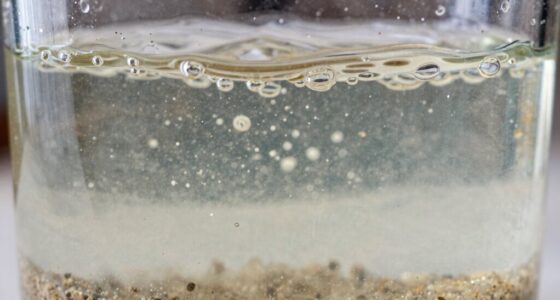

To make your home plunge easier to manage, you should develop a habit of regularly testing and balancing your water. Check your water’s pH, chlorine, and alkalinity levels weekly using test kits or strips. Keeping these chemicals in check prevents buildup of algae, bacteria, and cloudiness, reducing overall maintenance. Consistent monitoring simplifies problem-solving and keeps your pool inviting. If you’re ready to learn how to fine-tune your water care routine, continue exploring these essential tips.
Listen free for 30 days with Audible
Thousands of audiobooks and originals — cancel anytime.
As an affiliate, we earn on qualifying purchases.
Key Takeaways
- Regularly test and adjust water chemistry to maintain proper pH, chlorine, and alkalinity levels.
- Consistently clean and inspect filters to ensure efficient debris removal and water clarity.
- Establish a weekly water testing routine to detect imbalances early and prevent issues.
- Perform routine water circulation and skimming to keep water fresh and reduce algae growth.
- Keep a maintenance schedule to streamline tasks and ensure consistent water quality.
Have you ever stopped to think about how essential water is to your daily life? From drinking and cooking to cleaning and recreation, water plays a vital role. If you have a home pool, maintaining it might seem like a daunting task, but with a good water care habit, it becomes much easier. Central to this routine are two key practices: managing pool filtration and performing regular water testing. These steps ensure your pool stays clean, safe, and inviting, reducing the workload and preventing bigger problems down the line.
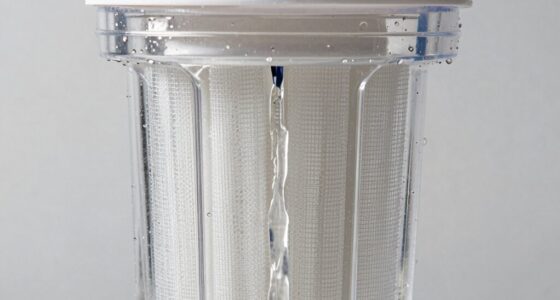
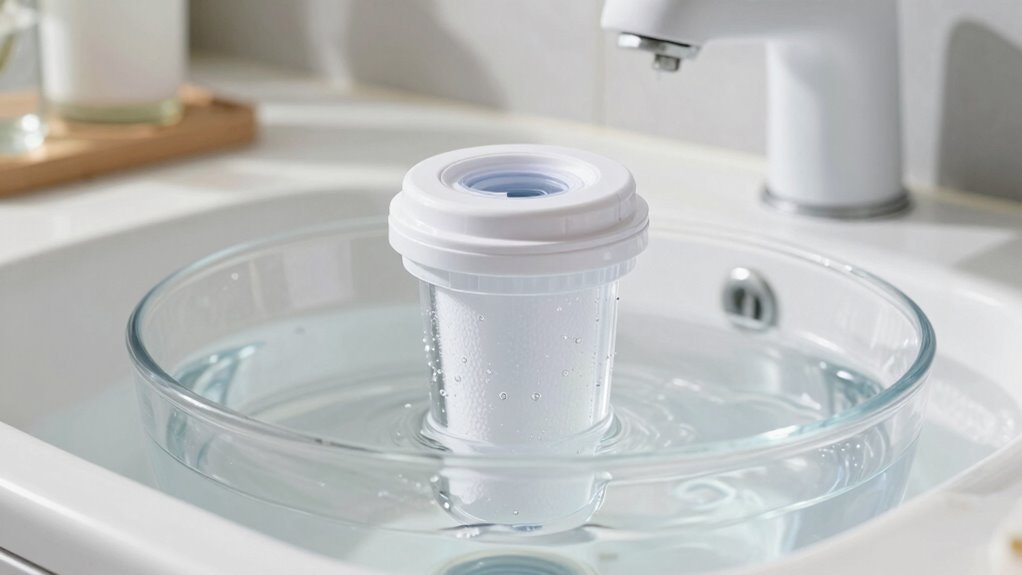
Pool filtration is the backbone of keeping your pool water clear. It works by trapping dirt, debris, and contaminants, preventing them from circulating in the water. To make this process effective, you need to keep your filter clean and functioning properly. Regularly inspect and clean or replace the filter as recommended by the manufacturer. This prevents blockages, which can strain your pump and reduce filtration efficiency. When your filter runs smoothly, it filters out harmful particles, making water maintenance less labor-intensive and preserving the clarity of your pool. Proper maintenance of pool filters is also essential for ensuring the longevity of your equipment and maintaining optimal water quality. Additionally, understanding the filter system can help you troubleshoot issues and optimize its performance. Regular filter maintenance is vital to prevent bacterial growth and ensure your system works efficiently. Furthermore, understanding the importance of water chemistry helps you better assess and balance your pool water.
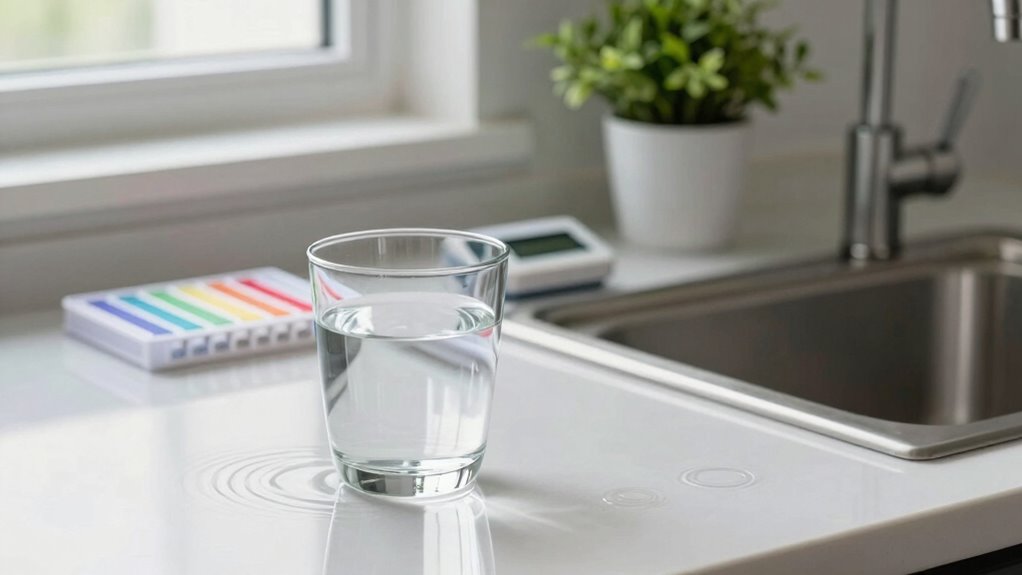
Alongside filtration, water testing is crucial. It’s the best way to monitor the chemical balance of your pool water. Using test kits or strips, you can quickly check levels of pH, chlorine, alkalinity, and other vital parameters. Maintaining proper chemical balance prevents algae growth, reduces bacteria, and minimizes the risk of skin or eye irritation. Ideally, you should test your water at least once a week, especially during peak swimming seasons or after heavy rain. By catching imbalances early, you can adjust chemicals promptly, avoiding costly treatments or water replacement later. This routine keeps your water safe and comfortable for everyone.
Integrating these practices into your regular schedule makes managing your pool less overwhelming. When you stay on top of pool filtration and water testing, you’re actively preventing issues before they become serious. Clean filters mean less strain on your pump and fewer cloudy or dirty water days. Consistent water testing guides you in maintaining the right chemical levels, saving you time and money on unnecessary chemical fixes or water draining. It’s about creating a simple, effective routine that minimizes surprises and keeps your pool ready for use whenever you want to dive in.
In the end, adopting this water care habit transforms pool maintenance from a stressful chore into a manageable part of your home routine. You’ll enjoy cleaner, clearer water with less effort, and your pool will stay in top shape season after season. With a little attention to filtration and regular testing, you’ll find managing your home plunge is easier than you ever imagined. Proper water care practices are the foundation of a well-maintained pool that provides enjoyment and relaxation all year round.
As an affiliate, we earn on qualifying purchases.
Frequently Asked Questions
How Often Should I Test My Home’s Water Quality?
You should test your home’s water quality at least once every three to six months, following water testing and frequency guidelines. Regular testing helps you catch issues early and guarantees your water remains safe and clean. If you notice changes in taste, smell, or appearance, test more frequently. Keep track of test results and adjust your water care routine accordingly, maintaining a healthy, hassle-free home environment.
What Are Signs of Water System Malfunctions?
Think of your water system like a living river—when it malfunctions, warning signs flow to the surface. You might notice inconsistent water pressure, which signals blockages or pressure issues. Pipe leaks are another red flag, often accompanied by unexplained water bills or damp spots. Pay attention to strange noises or water discoloration, as these signs help catch problems early, preventing costly damage and keeping your home’s water flow smooth and safe.
Which Water Treatment Options Are Most Eco-Friendly?
You should consider eco-friendly filtration options like activated charcoal, ceramic filters, or bio-filtration systems that use natural processes. These sustainable water solutions reduce chemical use and energy consumption, making them better for the environment. By choosing these options, you help lower your carbon footprint while ensuring safe, clean water. Incorporating eco-friendly filtration into your water care routine makes managing your home plunge more sustainable and easier in the long run.
How Can I Reduce Water Usage at Home?
Want to become a water-saving hero? Start with water conservation by taking shorter showers and turning off taps when not in use. Prevent leaks, because they’re the sneaky villains draining your wallet and water supply. Fix dripping faucets promptly and check for leaks regularly. These simple acts make a big difference, saving water and money, and helping the planet—because who doesn’t want to feel like a superhero, one drop at a time?
What Are Common Water Care Mistakes to Avoid?
You should avoid common water care mistakes like neglecting water softening and chlorine removal. Skipping water softening can lead to scale buildup, reducing appliance efficiency, while overlooking chlorine removal might cause skin irritation and damage to your pool or hot tub. Always test your water regularly, use proper filtration, and follow manufacturer guidelines for treatments. These steps help keep your water clean, balanced, and easier to maintain.
As an affiliate, we earn on qualifying purchases.
Conclusion
By adopting a simple water care habit, you transform your home into a fortress against costly repairs and unexpected chaos. When you stay vigilant and proactive, you’re not just managing your water systems—you’re safeguarding your sanctuary from the relentless chaos that unchecked water issues can provoke. Make this habit your top priority, and you’ll shield your home from a deluge of problems, proving that small actions can indeed save you from an ocean of headaches.
As an affiliate, we earn on qualifying purchases.
As an affiliate, we earn on qualifying purchases.
Flea & tick season Picks
flea and tick prevention
As an affiliate, we earn on qualifying purchases.