

To keep shared cold plunges feeling safe, prioritize strict hygiene and regular sanitation. Encourage users to shower beforehand and wear clean swimwear. Maintain consistent, cold water temperatures to inhibit bacteria growth and regularly clean the plunge with effective disinfectants. Use reliable filtration and disinfection systems to keep water clear and free of contaminants. Routine water quality checks and proper maintenance are key. If you want to learn how to create a hygienic, trustworthy environment, keep exploring these tips.

Get home appliances delivered free with Prime
- Fast, free delivery on millions of items
- Prime Video, Amazon Music and more included
- Member-only deals all year
Key Takeaways
- Enforce strict pre-use hygiene protocols, including showering and using clean attire or liners.
- Maintain consistent water temperature and limit individual usage duration to reduce contamination risks.
- Implement regular cleaning, draining, and disinfection using appropriate, non-interfering disinfectants.
- Use effective filtration and disinfection systems like UV sterilization to ensure water remains sanitary.
- Conduct routine water quality testing and adhere to hygiene standards to promote a safe, trustworthy environment.
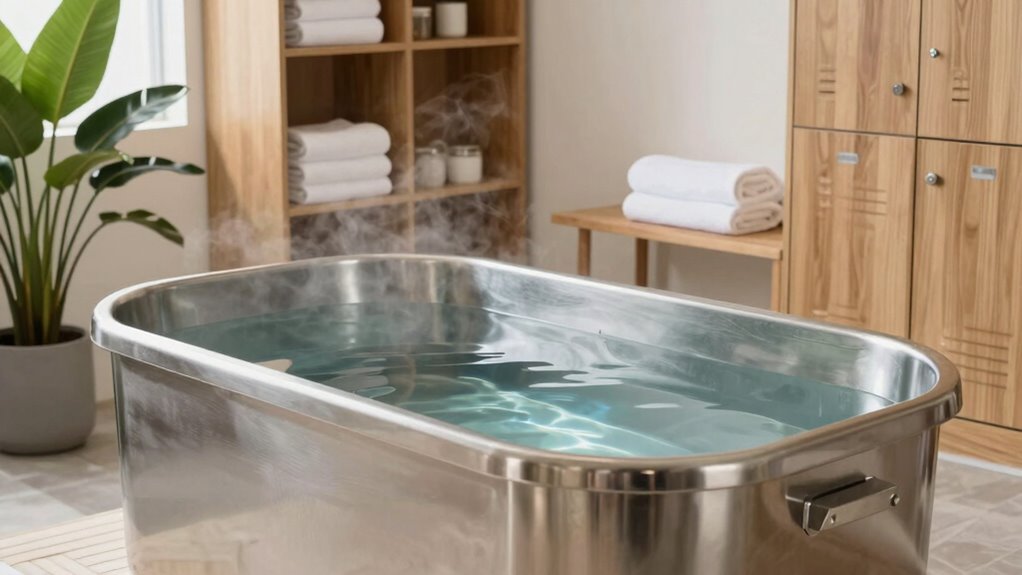
Sharing a cold plunge can be an invigorating way to boost your recovery and invigorate your day, but it’s understandable to feel uneasy about hygiene and safety. One of the key concerns is ensuring proper temperature regulation to prevent bacteria growth and maintain a safe, invigorating experience. When multiple people use the same plunge, it’s essential that the water temperature remains consistent and cold enough to inhibit microbial activity. Regularly monitoring and adjusting the temperature helps keep the water safe and comfortable, reducing the risk of infections or skin irritations. It’s also wise to limit the time each person spends in the plunge, as prolonged exposure can cause temperature fluctuations and compromise hygiene.
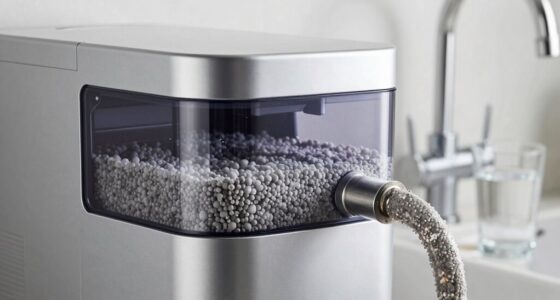
Hygiene protocols are essential for making shared cold plunges feel less sketchy. Before entering, you should shower thoroughly to remove sweat, dirt, and oils that could contaminate the water. Many facilities require users to rinse off and wear clean swimsuits or use disposable liners to prevent direct skin contact with the water. After each use, it’s important to drain and clean the plunge regularly, using appropriate disinfectants that don’t compromise the temperature regulation process. Proper filtration systems are imperative—they keep the water clear and free of debris, while sanitizers like chlorine or UV sterilization help eliminate bacteria and viruses. These measures give you peace of mind that the water remains hygienic, even after multiple users. Ensuring water quality through regular maintenance and sanitation is vital for a safe cold plunge experience. Additionally, maintaining proper temperature regulation is crucial for preventing bacterial growth and ensuring a consistently refreshing experience. Incorporating hygiene standards into routine maintenance further enhances safety and trust in shared facilities. Regularly checking filtration systems can also prevent potential malfunctions that might compromise water safety.
Products Worth Considering

Blueair Blue Pure 511i Max Smart Air Purifier

Levoit Core 400S-P Smart Air Purifier for Large Rooms

Levoit Vital 100S-P Air Purifier with Washable Pre-Filter
As an affiliate, we earn on qualifying purchases.
Frequently Asked Questions
How Often Should I Clean the Cold Plunge?
You should clean your cold plunge at least once a week. Regular maintenance involves checking water filtration systems to guarantee they’re working properly and using appropriate chemical treatments to keep the water clean and safe. Drain and scrub the basin periodically to remove buildup, and balance the chemicals to prevent bacteria. Consistent cleaning and filtration keep the plunge feeling invigorating and hygienic for everyone using it.
What Is the Ideal Water Temperature for Safety?
The ideal water temperature for safety is between 50-59°F. To maintain this, focus on effective water filtration and temperature regulation. Regularly monitor the water with a thermometer, ensuring it stays within this range. Proper filtration keeps the water clean and free of bacteria, while precise temperature control prevents it from becoming too cold or warm, making your shared cold plunge safe and inviting for everyone.
Can I Use the Cold Plunge Daily?
Yes, you can use the cold plunge daily, but prioritize safety precautions and maintenance tips. Make certain to monitor water temperature regularly to avoid overcooling and potential health risks. Keep the water clean by filtering and disinfecting consistently, and check for any signs of contamination or equipment wear. Taking these steps guarantees your daily cold plunge remains safe, invigorating, and enjoyable without feeling sketchy.
How Do I Prevent Skin Irritation?
To prevent skin irritation in shared cold plunges, focus on irritation prevention by maintaining good hygiene and limiting time in the water, especially if you have skin sensitivity. Rinse your skin with fresh water afterward and apply a gentle moisturizer. Using a barrier cream before plunging can also help protect your skin. Regularly checking the water’s cleanliness and avoiding prolonged exposure minimizes irritation risks and keeps your skin healthy.
Is There an Age Limit for Using Cold Plunges?
There isn’t a strict age limit for using cold plunges, but you should consider age restrictions and health considerations. Generally, younger people and seniors should consult a healthcare professional before plunging, especially if they have underlying health issues. Cold water immersion impacts blood circulation and heart rate, so understanding your health status is key. Always start gradually and listen to your body to prevent adverse effects.
Conclusion
To keep shared cold plunges feeling comfortable and safe, trust your instincts, communicate openly, and follow proper hygiene practices. When everyone respects the rules, the experience becomes a smooth ride rather than a rocky road. Remember, a little transparency goes a long way in building trust. So, don’t be afraid to speak up or ask questions—that way, you’re all on the same page. Keep the vibe positive, and the plunge will be a invigorating breeze rather than a storm in a teacup.