
Cold water alone can’t sterilize surfaces or kill germs effectively because it lacks enough heat to destroy bacteria and microbes. While rinsing with cold water removes dirt and some surface germs, many bacteria cling stubbornly and survive the process. Proper sterilization requires heat, disinfectants, or soap with warm water. If you want to understand why temperature matters and how to properly clean, there’s more to uncover below.
Key Takeaways
- Cold water lacks sufficient heat to kill bacteria or microbes effectively.
- Rinsing with cold water only removes surface dirt, not embedded or stubborn germs.
- Proper sterilization requires higher temperatures or chemical disinfectants, not cold water.
- Cold water cannot break down oils or proteins that bacteria use to cling to surfaces.
- Relying solely on cold water gives a false sense of cleanliness without eliminating pathogens.
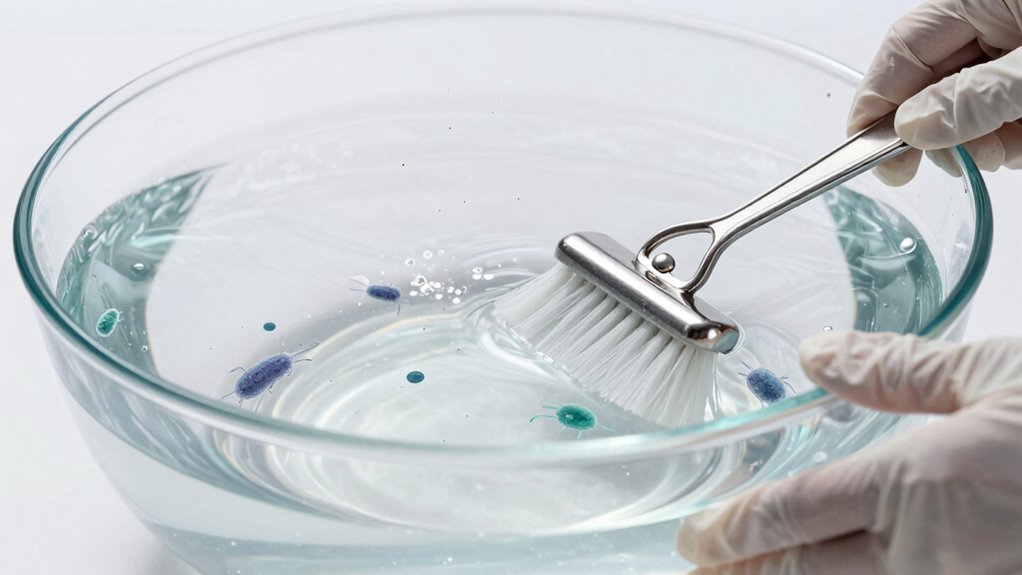
Have you ever wondered why rinsing with cold water doesn’t kill germs? It’s a common misconception that simply using cold water can sanitize surfaces or hands, but the truth is, bacteria survival remains a concern. Cold water may feel invigorating, but it doesn’t possess the heat needed to destroy harmful microbes. Bacteria are surprisingly resilient and can survive in various environments, including cold temperatures. When you rinse with cold water, you’re mainly washing away loose dirt and some germs, but many bacteria can cling stubbornly to surfaces or skin. This means that the cleaning effectiveness of cold water alone is limited; it doesn’t have the power to fully eliminate pathogens.
Rinsing with cold water alone doesn’t eliminate bacteria or germs effectively.
Without the assistance of soap or disinfectants, cold water struggles to break down the oils and proteins that bacteria use to stick to surfaces or skin. Soap contains surfactants that loosen the bonds between microbes and the surface they’re attached to, making it easier to wash them away. Cold water, however, doesn’t provide the same level of cleaning effectiveness. It might rinse away some debris, but it leaves behind a significant number of bacteria that could potentially cause illness or contamination. That’s why handwashing with soap and warm water is recommended—warm water helps to dissolve oils and enhances the action of soap, leading to a more thorough removal of germs.
Furthermore, relying solely on cold water can give you a false sense of security. Many people believe that rinsing alone is enough to disinfect, but it isn’t. Bacteria aren’t always visible, and cold water doesn’t kill them; it merely removes some of their surface presence. To truly reduce bacteria survival, you need the combined action of soap, scrubbing, and proper drying. In environments where sterilization is critical—like hospitals or food prep areas—cold water is simply insufficient. High temperatures, chemical disinfectants, and proper sterilization techniques are necessary to achieve true germ eradication.
In short, cold water isn’t enough to ensure cleanliness or safety. It can improve the appearance of cleanliness temporarily but falls short of eliminating bacteria effectively. To enhance your cleaning efforts, always use soap, warm or hot water, and follow proper hygiene practices. Remember, bacteria survival is resilient, and relying solely on cold water leaves you vulnerable to germs lingering around. The key to effective hygiene isn’t just rinsing—it’s thorough cleaning with the right tools and techniques. Temperature plays a crucial role in the effectiveness of cleaning and sterilization processes.
Frequently Asked Questions
Can Cold Water Kill Viruses and Bacteria Effectively?
Cold water alone can’t effectively kill viruses and bacteria because of its limitations. Many viruses resist cold temperatures, making cold water insufficient for sterilization. You need warm or hot water with soap or disinfectants to break down the protective layers of pathogens. Relying solely on cold water gives you a false sense of security, risking the spread of germs. Proper cleaning methods are essential for effective hygiene and safety.
What Temperature Is Needed to Sterilize Surfaces?
You need to reach at least 121°C (250°F) with steam or autoclaving to sterilize surfaces effectively. Cold water limitations make it impossible to kill all bacteria and viruses, debunking sterilization myths that cold water can do so. Proper sterilization requires high temperatures and pressure, not just cleaning with cold water. So, don’t depend on cold water for sterilization—use proper methods to ensure surfaces are truly sanitized.
Does Cold Water Remove Dirt as Well as Hot Water?
A stitch in time saves nine, so you know that cold water doesn’t remove dirt as effectively as hot water. While cold water can help with some dirt removal, it lacks the cleaning effectiveness of hot water, which breaks down oils and grime better. For deep cleaning, hot water is your best bet, ensuring surfaces are truly cleaner and more hygienic. Cold water just doesn’t pack the same punch.
Are There Any Exceptions Where Cold Water Might Be Enough?
In some cases, cold water might be enough, like rinsing fresh produce or removing loose dirt where sterilization myths don’t apply. However, you should be aware of cold water limitations, especially when dealing with bacteria or viruses that require higher temperatures for safe removal. Always remember, cold water doesn’t sterilize, and relying on it alone can be risky. For thorough cleaning, hot water is generally more effective.
How Does Cold Water Impact Hand Hygiene Practices?
Cold water impacts hand hygiene practices by making it less effective compared to warm or hot water. Many hand washing myths suggest cold water cleans as well, but water temperature actually influences how well you remove germs. When you use cold water, your hands may not rinse away dirt and microbes thoroughly, reducing hygiene effectiveness. To guarantee proper cleanliness, avoid relying on cold water alone and focus on thorough scrubbing and soap.
Conclusion
So, next time you think cold water is enough to kill germs, ask yourself: are you truly doing enough to protect yourself and others? Cold water alone doesn’t eliminate bacteria or viruses, and relying on it can give you a false sense of security. Proper hygiene requires more than just water—think soap, sanitizer, and good cleaning habits. Are you willing to compromise your health by overlooking what it really takes to stay safe?