TL;DR
The City of Los Angeles has officially reopened its recycled water fill station for the 2026 season. The station aims to promote water conservation and support local sustainability initiatives. The reopening was announced via a media advisory and is part of ongoing efforts to manage water resources amid drought concerns.
The City of Los Angeles has officially reopened its recycled water fill station for the 2026 season, marking a key step in local water conservation efforts. The station, operated by the Los Angeles Department of Water and Power (LADWP), is now accessible to residents and businesses seeking sustainable water sources. This reopening underscores the city’s ongoing commitment to managing water resources amid ongoing drought conditions and climate challenges.
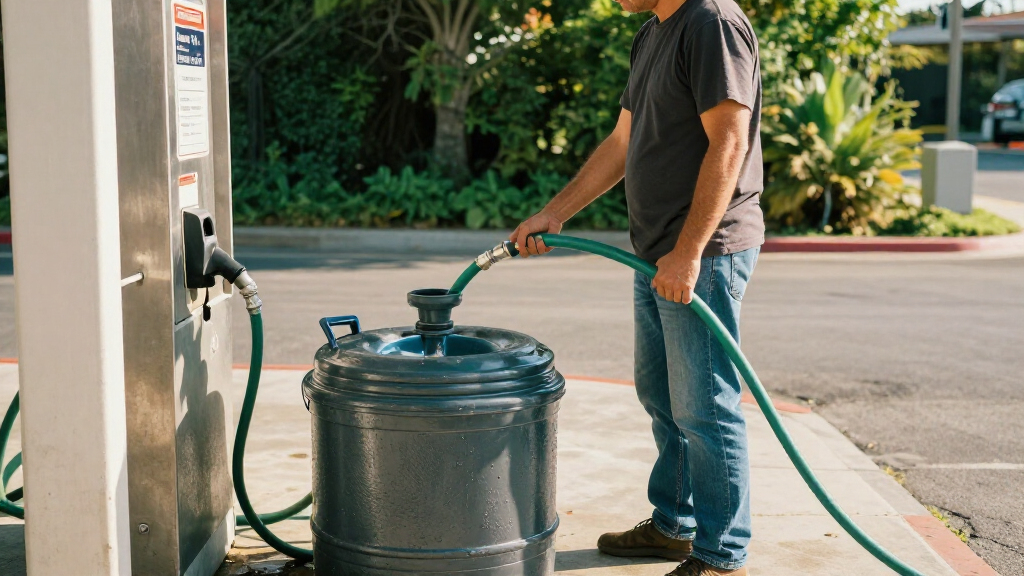
The recycled water fill station, located in Los Angeles, was reopened following a temporary closure earlier this year. According to LADWP, the station is now fully operational and available for public use, offering a reliable source of non-potable water primarily for irrigation, landscaping, and other non-drinking applications. The station’s reopening aligns with the city’s broader water conservation strategies, which include promoting recycled water use to reduce dependence on imported potable water supplies.
City officials emphasized that the station’s reopening is part of a series of measures to address drought conditions affecting California. LADWP spokesperson Maria Lopez stated, “Reopening the recycled water fill station is a vital step in our efforts to encourage sustainable water use and reduce strain on our potable water supplies during this critical period.” The station is expected to serve hundreds of residents and commercial entities throughout the season, which typically runs from March through November.
Details about the station’s capacity, operational hours, and safety protocols have been provided by LADWP. The station will operate daily from 7 a.m. to 7 p.m., with safety signage and instructions to ensure proper use. The city also reminds users to follow all posted guidelines to prevent contamination and ensure efficient operation.
Impact of Reopening on Local Water Conservation Efforts
The reopening of the recycled water fill station is significant because it supports Los Angeles’s ongoing efforts to conserve water amid persistent drought conditions. By providing an accessible source of recycled water, the city aims to reduce reliance on imported potable water, which is increasingly scarce and expensive. This initiative also encourages residents and businesses to adopt more sustainable practices, such as using recycled water for landscaping and irrigation, thereby reducing overall water demand.
Experts note that expanding recycled water infrastructure is a critical component of California’s broader drought response. The station’s availability could help mitigate some of the impacts of water shortages, especially during peak usage months. City officials hope that increased access to recycled water will foster long-term behavioral changes in water consumption, contributing to the city’s resilience against future droughts.
Environmental advocates have welcomed the reopening, emphasizing its role in reducing wastewater discharge into local waterways and decreasing energy consumption associated with water treatment. Overall, the station’s operation is expected to bolster Los Angeles’s sustainability goals and support regional water independence.
As an affiliate, we earn on qualifying purchases. As an affiliate, we earn on qualifying purchases.recycled water hose for irrigation
Background on Los Angeles’s Recycled Water Initiatives
Los Angeles has been actively expanding its recycled water infrastructure over the past decade as part of its strategic response to California’s ongoing drought and water scarcity issues. The city’s efforts include several large-scale projects aimed at increasing the use of non-potable water for landscape irrigation, industrial processes, and other suitable applications.
The recycled water fill station was first introduced in 2010 as a pilot program to promote sustainable water practices among residents and commercial users. Since then, the city has gradually expanded its capacity and accessibility, with the current station being a key component of this infrastructure. The station’s temporary closure earlier this year was attributed to maintenance and upgrades, with officials announcing its reopening as part of the 2026 season.
Los Angeles’s broader water strategy involves multiple initiatives, including groundwater recharge, stormwater capture, and conservation campaigns. The city has also implemented mandatory water restrictions during drought periods, emphasizing the importance of recycled water use as a sustainable alternative. The recent reopening aligns with these ongoing efforts and reflects a proactive approach to managing limited water resources.
“Reopening the recycled water fill station is a vital step in our efforts to encourage sustainable water use and reduce strain on our potable water supplies during this critical period.”
— Maria Lopez, LADWP spokesperson
water conservation garden sprinkler
As an affiliate, we earn on qualifying purchases.
As an affiliate, we earn on qualifying purchases.
Remaining Questions About Station Operations and Usage
It is not yet clear how many residents and businesses will utilize the station during the current season, or if there are plans for further expansion of recycled water infrastructure in Los Angeles. Details about potential future upgrades or additional stations have not been publicly announced. Additionally, the impact of the station’s reopening on overall water consumption patterns remains to be evaluated.
Officials have emphasized safety and operational protocols but have not specified if there will be any changes or enhancements based on user feedback or technological upgrades. The long-term sustainability and funding for ongoing maintenance also remain areas for further clarification.
As an affiliate, we earn on qualifying purchases.
Upcoming Monitoring and Expansion Plans for Recycled Water
City officials plan to monitor the utilization rates of the recycled water fill station throughout the season, assessing its impact on local water conservation efforts. Data collected will inform future decisions regarding potential expansion or upgrades to the infrastructure.
In the coming months, LADWP may announce additional projects aimed at increasing recycled water use, including new facilities or expanded service areas. Stakeholders and residents are encouraged to provide feedback on the station’s operation and effectiveness as part of ongoing community engagement efforts.
The city also intends to continue public education campaigns to promote recycled water use and water-saving practices, reinforcing the importance of sustainable water management amid ongoing drought conditions.
outdoor recycled water fill station
As an affiliate, we earn on qualifying purchases.
As an affiliate, we earn on qualifying purchases.
Key Questions
When is the recycled water fill station available for use?
The station is available daily from 7 a.m. to 7 p.m. during the current season, which runs from March through November.
Who can use the recycled water fill station?
The station is open to residents and businesses in Los Angeles seeking non-potable water for irrigation, landscaping, and other non-drinking purposes.
Are there safety guidelines for using the station?
Yes, users are advised to follow all posted instructions and safety signage to ensure proper use and prevent contamination.
Will the station be expanded or upgraded in the future?
There are no current publicly announced plans for expansion, but city officials will monitor usage and may consider future upgrades based on demand and feedback.
How does this initiative support Los Angeles’s water conservation goals?
By providing an accessible source of recycled water, the station helps reduce reliance on imported potable water, supports sustainable practices, and mitigates drought impacts.
Source: local