

One common mistake in shared recovery setups is skipping proper hand hygiene, which can transfer bacteria to equipment. You also might neglect cleaning gear regularly, allowing bacteria and fungi to breed, risking cross-infection. Using harsh or incorrect disinfectants can damage equipment and leave residues. Failing to follow manufacturer instructions or overlooking routine maintenance also shortens gear life and compromises safety. Keep these mistakes in mind—there’s more essential info on maintaining hygiene effectively.
Key Takeaways
- Failing to wash hands thoroughly before handling equipment increases contamination risk.
- Neglecting regular cleaning and disinfection of shared gear promotes bacteria and fungi growth.
- Using improper or harsh chemicals can degrade equipment and leave harmful residues.
- Sharing equipment without proper sanitation shortens gear lifespan and heightens infection risk.
- Overlooking air quality and sanitization protocols compromises overall hygiene and safety.

Sharing recovery setups can be efficient and cost-effective, but it also opens the door to common hygiene mistakes that can compromise safety. When you’re using shared equipment, maintaining proper personal hygiene is vital to prevent the spread of germs and infections. Before handling any recovery gear, wash your hands thoroughly with soap and water. If soap isn’t available, use an alcohol-based sanitizer. Skipping this step can transfer bacteria from your skin to the equipment, putting everyone at risk. It’s just as important to avoid touching your face or other unclean surfaces while setting up or breaking down your gear. These small habits can considerably reduce contamination.
Wash your hands and avoid touching unclean surfaces to prevent contamination when handling shared recovery gear.
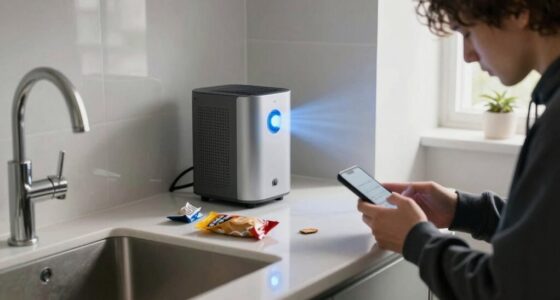
Another essential aspect is equipment sanitation. Many people neglect to clean shared recovery equipment properly after each use. Sweat, dirt, and bodily fluids can linger on masks, mouthpieces, and tubing, creating a breeding ground for bacteria and fungi. You should always wipe down all equipment with disinfectant specifically designed for such gear. Avoid using harsh chemicals that could degrade the equipment’s material; instead, opt for manufacturer-recommended cleaning solutions. Failure to adequately sanitize your gear not only risks cross-infection but also shortens the lifespan of your equipment. Regular cleaning should be part of your routine, and never skip it, regardless of how quick or convenient it might seem. Additionally, understanding the importance of air quality can help you choose cleaning solutions that do not leave harmful residues. Ensuring proper equipment maintenance and adhering to sanitization protocols also play a crucial role in maintaining a hygienic setup and preventing contamination.

Professional Disposables Surface Disinfectant Super Sani-Cloth Wipes, 160Count
Highly Effective Formula: Our Super Sani-Cloth wipe boasts an impressive 55.5% of active germicidal agents, including quat and…
As an affiliate, we earn on qualifying purchases.
As an affiliate, we earn on qualifying purchases.
Frequently Asked Questions
How Often Should Shared Recovery Equipment Be Disinfected?
You should disinfect shared recovery equipment after every use to minimize infection risks. Follow a strict disinfection schedule and adhere to proper sanitization procedures to guarantee safety. Regularly clean and disinfect all surfaces and tools, especially in high-touch areas. By maintaining consistent disinfection routines, you lower the chance of contamination, protect everyone’s health, and create a safer recovery environment. Consistency is key to effective hygiene in shared setups.
What Are the Signs of Poor Hygiene in Recovery Setups?
You can spot poor hygiene in recovery setups when you notice unpleasant odors, visible dirt, or residue on equipment. Poor personal hygiene might include unwashed hands or dirty clothing, which can lead to contamination. Regular equipment maintenance is essential; neglecting it can cause buildup and germs. Staying vigilant about personal hygiene and maintaining equipment properly helps guarantee a safe, clean environment that minimizes health risks for everyone involved.
Are There Specific Cleaning Products Recommended for Shared Setups?
For shared recovery setups, you should follow strict cleaning protocols and use recommended products like disinfectant sprays, wipes, and alcohol-based cleaners. Look for products labeled as effective against viruses and bacteria, ensuring they’re safe for the equipment. Regularly sanitize all surfaces, including masks and straps. Using proper product recommendations helps prevent cross-contamination, keeps the environment hygienic, and promotes safety for everyone involved.
How Can I Encourage Others to Maintain Proper Hygiene?
You can promote proper hygiene by fostering personal accountability and providing hygiene education. Imagine a shared recovery space where everyone feels responsible; this encourages consistent cleaning. Offer clear guidelines, demonstrate proper practices, and gently remind others when needed. By creating a culture of shared responsibility, you motivate everyone to maintain hygiene standards, reducing risks and fostering a safer, more respectful environment for all.
What Are the Health Risks of Hygiene Neglect in Recovery Spaces?
Neglecting personal hygiene and equipment maintenance in recovery spaces can lead to serious health risks. You might spread infections or bacteria, which can cause illnesses or worsen existing conditions. Poor hygiene increases the chance of cross-contamination, making it harder for everyone to stay healthy. By prioritizing personal hygiene and regularly maintaining equipment, you help create a safer environment, protecting yourself and others from preventable health issues.

Germ-X Advanced Hand Sanitizer with Aloe and Vitamin E, 1 Liter, Less Drying Moisturizing Gel, No Rinse Formula, Pump Bottle
Back to School Essential Be sure to equip your childs school supplies with Germ-X hand sanitizer that kills…
As an affiliate, we earn on qualifying purchases.
As an affiliate, we earn on qualifying purchases.
Conclusion
If you ignore these common hygiene mistakes, you risk more than just discomfort—you could jeopardize your recovery and health. One overlooked detail could be the difference between a smooth healing process and unexpected setbacks. So, are you truly prepared to avoid these pitfalls? Stay vigilant, because the smallest oversight might have consequences you won’t see coming. Keep your recovery safe and clean—your health depends on it. The next step could change everything.
shared recovery gear cleaning supplies
As an affiliate, we earn on qualifying purchases.
As an affiliate, we earn on qualifying purchases.
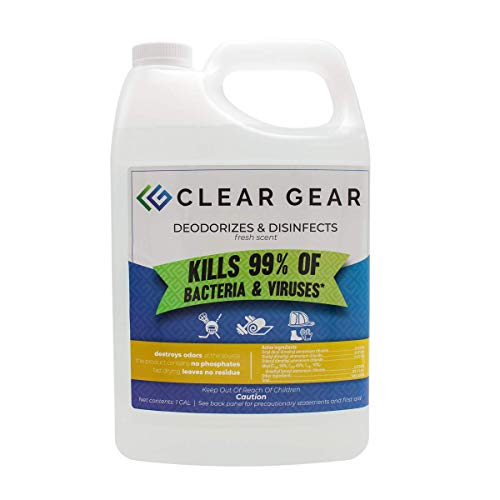
Clear Gear – Disinfectant, Cleaner, and Deodorizer for Sports Equipment, Gyms, and Fitness Centers – EPA-Registered, Hospital Grade, Made in USA – 1 Gallon Bottle
Powerful Protection – Made in the USA and EPA-registered, Clear Gear protects against bacteria, germs, and odors with…
As an affiliate, we earn on qualifying purchases.
As an affiliate, we earn on qualifying purchases.