
Total Dissolved Solids (TDS) in plunge water measure the combined amount of minerals, salts, and trace elements dissolved in the water. High TDS levels can make the water look cloudy, cause mineral buildup, and affect taste or odors. Conversely, low levels might mean the water lacks essential minerals, impacting stability. Maintaining proper TDS guarantees your plunge water stays clear, safe, and enjoyable. If you keep going, you’ll discover how to manage these levels effectively.
Key Takeaways
- TDS measures inorganic minerals, salts, and trace elements dissolved in plunge water, indicating its overall mineral content.
- High TDS can cause cloudy water, mineral deposits, and metallic taste, affecting water clarity and enjoyment.
- Low TDS suggests a lack of essential minerals, potentially impacting water stability and quality.
- Monitoring TDS helps maintain water balance, preventing issues like scaling, cloudiness, and odors.
- Proper TDS management ensures safe, clear, and pleasant plunge water, enhancing overall water quality and safety.
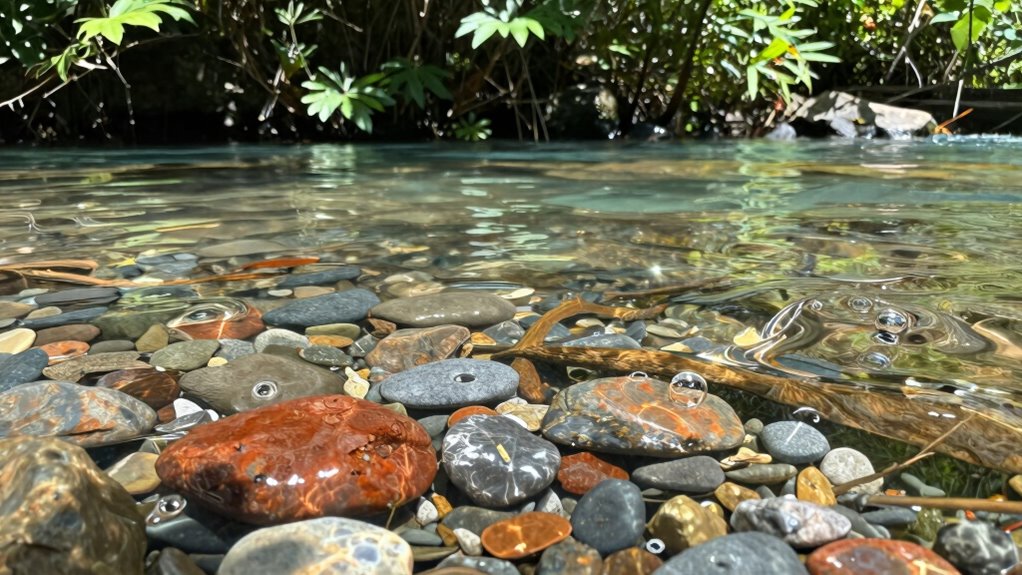
Have you ever wondered what makes water safe to drink or suitable for environmental purposes? One key factor to consider is the total dissolved solids, or TDS, which measures the combined amount of inorganic minerals, salts, and trace elements dissolved in water. When it comes to plunge water—whether you’re filling a hot tub, pool, or other recreational water feature—understanding TDS is essential for maintaining water quality and ensuring a safe, pleasant experience.
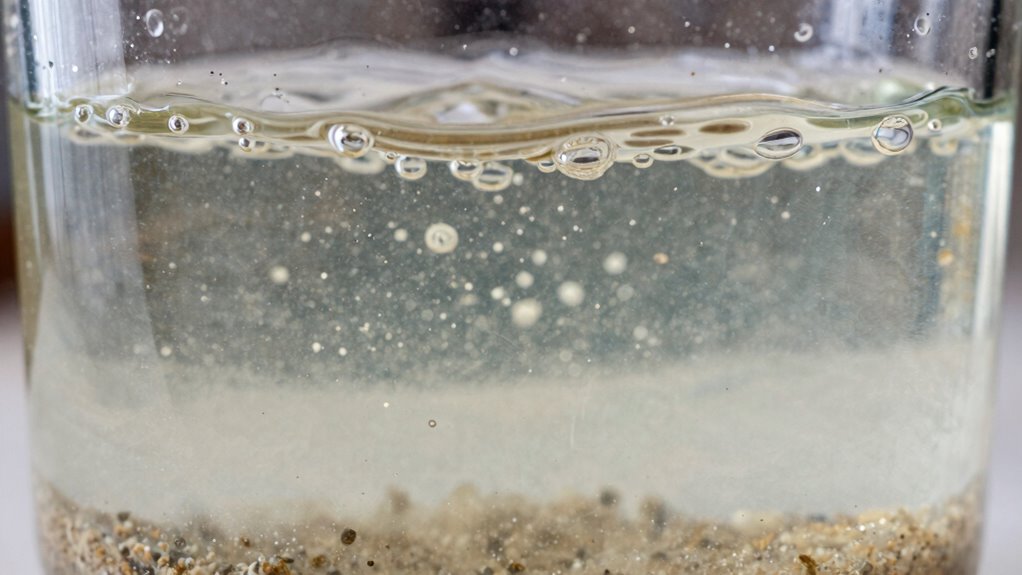
Total dissolved solids directly influence water quality by affecting its clarity, taste, and safety. High TDS levels can make water appear cloudy or murky, and often, they result in a salty or metallic taste. You might notice that water with elevated TDS levels feels different on your skin or leaves deposits on surfaces and equipment. These deposits, known as scale, are caused by mineral content such as calcium and magnesium, which can accumulate over time if not properly managed. Excessive mineral content can also reduce the effectiveness of sanitizers like chlorine, making it harder to keep the water clean and safe from bacteria or algae.
High TDS can cause cloudiness, deposits, and reduce sanitizer effectiveness.
Monitoring TDS levels helps you gauge the overall mineral content in your plunge water. If TDS levels get too high, it indicates that minerals and salts are building up, which can lead to problems like scaling, cloudiness, and unpleasant odors. Conversely, very low TDS levels might suggest that the water lacks essential minerals, potentially impacting water stability and feel. Maintaining a balanced mineral content is essential for ensuring that your plunge water remains comfortable and safe to use.
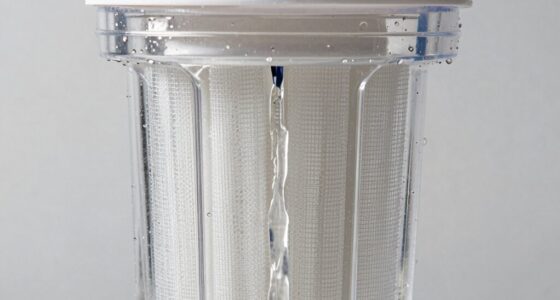
Regular testing of TDS allows you to take proactive steps to optimize water quality. If levels are too high, you can dilute the water with fresh water or perform partial drain and refill procedures. If TDS is too low, adding specific minerals or using mineral-rich water sources can help restore proper balance. Additionally, understanding the role of filtration systems in managing TDS can help you better control water quality. By managing mineral content, you also improve the effectiveness of water treatments and reduce maintenance needs.
Ultimately, understanding what total dissolved solids mean for your plunge water helps you create a safe, clean, and enjoyable environment. Keeping an eye on water quality and mineral content ensures your water remains inviting and free from the issues associated with imbalanced TDS levels. Whether you’re relaxing in a hot tub or maintaining a pool, paying attention to TDS is a simple but essential step toward better water management and a more satisfying experience.
Frequently Asked Questions
How Does TDS Affect Water Taste in Plunge Pools?
Higher TDS levels in your plunge pool can considerably affect water taste by altering its mineral content. When TDS is elevated, you might notice a salty, metallic, or bitter flavor that makes the water less revitalizing. This taste change occurs because dissolved minerals interfere with water’s natural flavor. To keep your plunge pool’s water enjoyable, regularly monitor and manage TDS levels, ensuring they stay within a healthy, pleasant range.
What Is Considered a Safe TDS Level for Hot Tub Water?
Think of safe TDS levels like a well-tuned musical instrument—too high or too low disrupts harmony. For hot tub water, a TDS level below 1500 ppm is ideal. Maintaining proper water clarity and chemical balance keeps your hot tub safe and inviting. Regular testing guarantees TDS stays within this range, preventing cloudiness or irritation, so you can enjoy your soak without worries.
Can High TDS Levels Cause Skin Irritation?
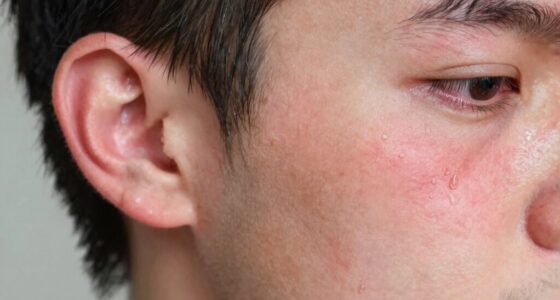
High TDS levels can cause skin irritation, especially if you have sensitive skin. When TDS is elevated, the water becomes more mineral-rich, which can lead to dryness and discomfort after soaking. You might notice redness, itching, or a feeling of tightness on your skin. To prevent this, maintain proper water balance and consider reducing TDS levels to keep your plunge water comfortable and gentle on your skin.
How Often Should TDS Be Tested in Plunge Water?
You should test the water quality for TDS at least once a week to guarantee safe plunge water. Regular testing frequency helps catch any changes in TDS levels early, preventing skin irritation and other issues. If you notice cloudy water or unusual odors, test more often. Consistent monitoring keeps your plunge water safe, clean, and enjoyable, giving you peace of mind knowing the water quality remains within safe limits.
What Are the Health Risks of Drinking Water With High TDS?
Drinking water with high TDS can lead to health issues like gastrointestinal problems, dehydration, or mineral imbalances. You should consider water filtration systems to reduce excessive dissolved solids and maintain proper chemical balance. High TDS levels may also indicate contamination, so it’s crucial to test regularly and take action to guarantee your water remains safe and healthy for consumption.
Conclusion
So, now that you know what total dissolved solids really mean for your plunge water, it’s clear that these tiny particles can make all the difference. But here’s the question—are your water’s TDS levels truly safe, or could unseen dangers be lurking beneath the surface? Keep an eye on those levels, because what you don’t see might just surprise you. Stay vigilant—your health might depend on it.