
UV sterilizers use ultraviolet light to quickly kill or deactivate germs on surfaces, water, and air by damaging their DNA or RNA. They work best on smooth, non-porous surfaces with direct exposure, but can’t reach shaded areas or penetrate organic dirt or porous materials. UV isn’t entirely safe and doesn’t replace manual cleaning or chemical disinfectants. To learn more about what UV sterilizers can and can’t do, keep exploring this topic.
Key Takeaways
- UV sterilizers use UV-C light (200-280 nm) to damage microorganisms’ DNA/RNA, preventing reproduction and killing pathogens.
- They effectively disinfect smooth, non-porous surfaces but are limited by shadows, crevices, and organic materials blocking UV exposure.
- UV sterilizers do not remove dirt or organic matter; manual cleaning is necessary before UV disinfection.
- Direct UV exposure can cause skin and eye injuries; proper safety protocols are essential during use.
- They are best used as a complementary tool alongside manual cleaning and chemical disinfectants for thorough hygiene.
What Are UV Sterilizers and How Do They Work?
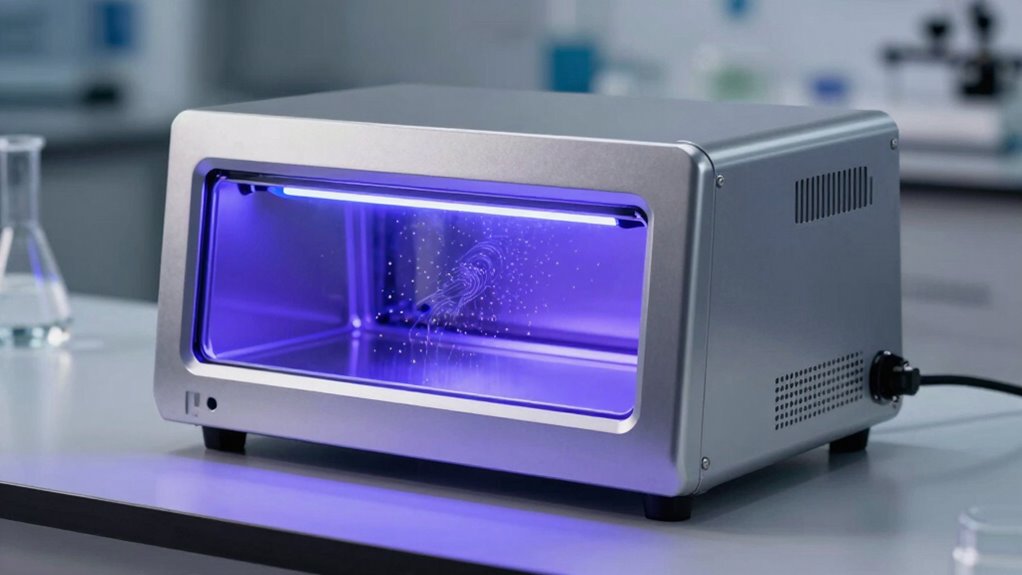
UV sterilizers are devices that use ultraviolet light to eliminate bacteria, viruses, and other pathogens. They operate by emitting UV light at specific wavelengths, typically between 200 and 280 nanometers, known as the UV germicidal wavelength. This UV wavelength is essential because it damages the DNA and RNA of microorganisms, rendering them inactive. During the sterilization process, the UV light penetrates the cell walls of germs, disrupting their genetic material and preventing reproduction. This effective method allows for quick, chemical-free disinfection of surfaces, water, or air. UV sterilizers are popular in healthcare, food safety, and household use. Understanding how the UV wavelength influences the sterilization process helps you appreciate their efficiency in killing harmful microbes. Additionally, research supports the predictive validity of UV sterilization in certain applications, emphasizing its reliability in pathogen control. Moreover, advancements in UV technology continue to enhance the effectiveness and safety of sterilization procedures, including improvements in wavelength precision and safety features. Recent innovations have also introduced automated safety features to minimize human exposure risks during operation.
What Surfaces and Germs Can UV Sterilizers Disinfect?

UV sterilizers are versatile tools that can disinfect a wide range of surfaces and items. They are effective against many germ types, including bacteria, viruses, and fungi, making them suitable for various environments. However, surface compatibility is key; UV light works best on smooth, non-porous surfaces where it can directly reach germs. You should be aware that UV sterilizers may not fully disinfect porous materials or shaded areas where UV light can’t penetrate. To maximize their effectiveness, ensure surfaces are clean and exposed directly to UV light. Remember, UV sterilizers are excellent for disinfecting items like smartphones, countertops, and medical tools but might be less effective on irregular or shadowed surfaces. Proper use is essential for achieving ideal germ elimination. Additionally, understanding the limitations of UV light can help prevent overestimating its disinfecting capabilities, especially on uneven or shaded objects. Being aware of surface types suitable for UV sterilization can also improve results and avoid ineffective disinfection attempts. It is also important to consider the duration of UV exposure necessary to effectively eliminate germs on different surfaces. For optimal results, consider environmental factors such as ambient light conditions, which can influence UV sterilization effectiveness. Moreover, the calibration and maintenance of UV devices can significantly impact their efficiency, so regular checks are recommended.
What Are the Limitations and Risks of UV Sterilization?
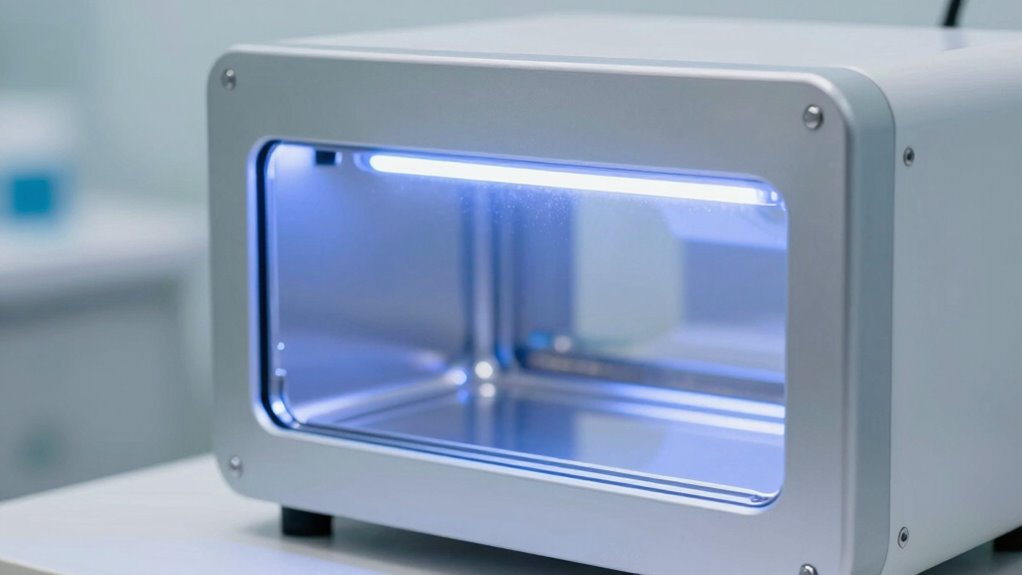
While UV sterilizers are effective tools for disinfecting surfaces, they come with important limitations and risks you should be aware of. One potential hazard is UV exposure, which can cause skin burns and eye injuries if safety precautions aren’t followed. Additionally, UV light doesn’t penetrate surfaces well, so it may leave germs hidden in crevices or beneath surfaces untouched, raising effectiveness concerns. UV sterilizers also require precise operation; improper use or damaged bulbs reduce their ability to disinfect properly. Moreover, prolonged or frequent use might degrade materials over time. Vetted UV devices may also be impacted by environmental factors such as wave and wind, which can influence their effectiveness and safety. Always ensure proper shielding and follow manufacturer instructions to minimize potential hazards. Recognizing these limitations helps you use UV sterilizers safely and understand where they may fall short in achieving complete sterilization. Understanding these aspects ensures safe and effective use of UV sterilization technology.
How to Use UV Sterilizers Safely and Effectively
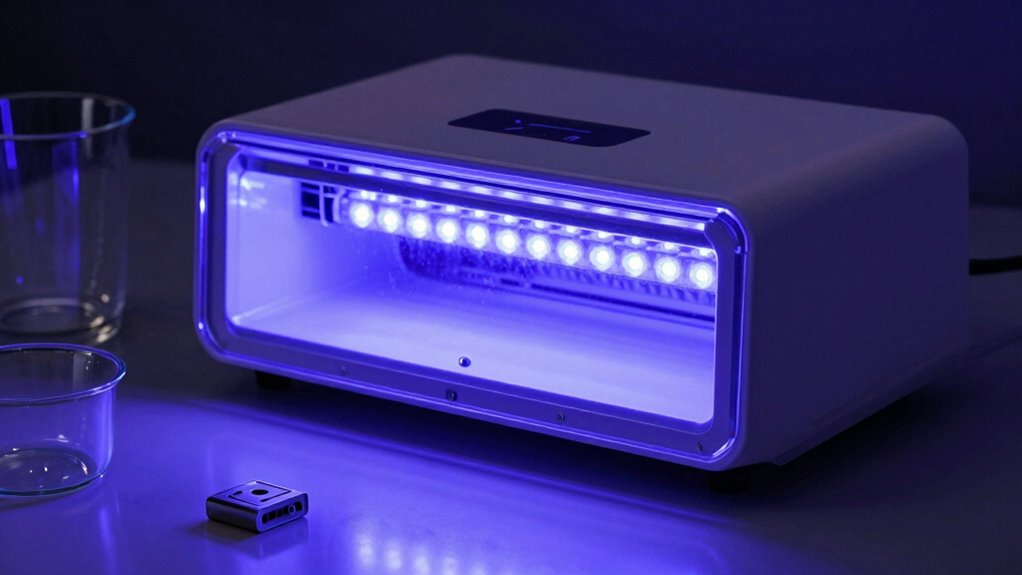
To guarantee you get the most benefit from UV sterilizers while minimizing risks, it’s important to follow proper safety and usage guidelines. Always read the manufacturer’s instructions before use, and avoid direct exposure to UV light, which can harm your skin and eyes. Proper handling includes securely installing the device, keeping it out of children’s reach, and regularly cleaning the unit to maintain effectiveness. To enhance UV safety and ensure proper handling:
- Wear protective eyewear and gloves when operating or maintaining the sterilizer
- Never look directly at the UV light when the device is on
- Turn off and unplug the sterilizer before performing any maintenance or adjustments
- Be aware of UV light safety protocols to prevent accidental exposure.
Following these steps helps you use UV sterilizers safely and efficiently, maximizing their benefits while protecting yourself from unnecessary risks.
Debunking Common Myths About UV Sterilizers
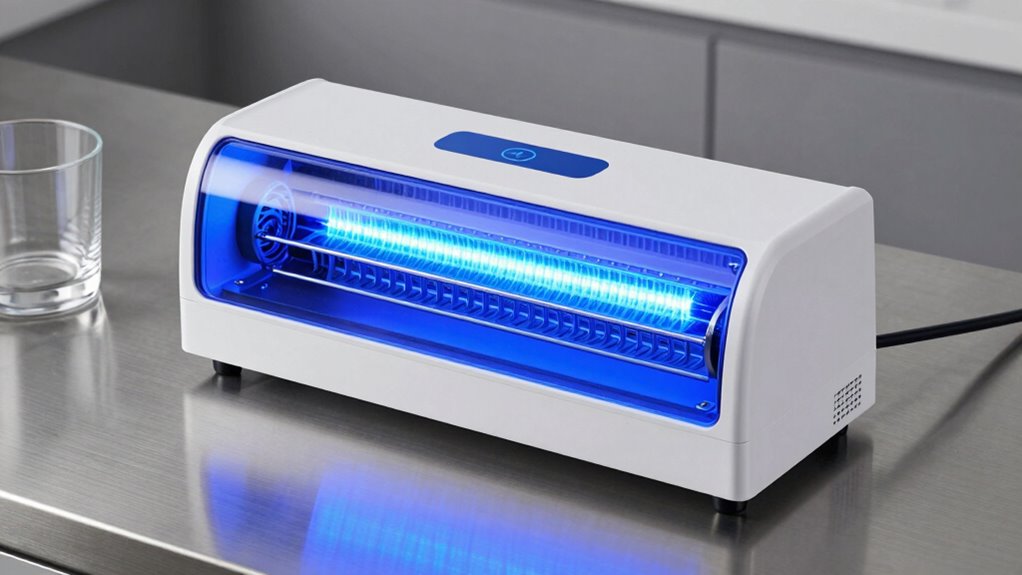
Many people believe UV sterilizers can do everything, but that’s a myth. They have limitations and don’t eliminate all germs or viruses. Understanding the facts helps you use them safely and effectively. Proper maintenance and understanding cleaning appliances] are essential for maximizing their benefits.
UV Sterilizer Limitations
Despite their reputation for effectively eliminating germs, UV sterilizers do have limitations that are often misunderstood. First, UV sterilizer limitations include the need for direct exposure; shadows or obstructions prevent effective sterilization. Second, UV light only disinfects surfaces it directly hits, so it’s ineffective for sterilizing liquids or areas hidden behind objects. Third, safety precautions are essential because UV radiation can harm your skin and eyes if improperly used. To maximize safety and effectiveness, ensure you follow these guidelines:
- Always operate UV sterilizers in a controlled environment.
- Avoid direct exposure to skin and eyes.
- Regularly maintain and clean the device for best performance.
- Proper airflow around UV sterilizers can also influence their efficiency and safety.
Additionally, understanding the effective range of UV light helps optimize its use and avoid missed spots. Moreover, being aware of the limitations of UV disinfection allows users to combine sterilization methods for comprehensive hygiene. Understanding these limitations helps you use UV sterilizers responsibly and safely, preventing misconceptions and potential hazards.
Myths Versus Facts
There are several common myths about UV sterilizers that can lead to misunderstandings about their effectiveness and safety. One popular UV myth is that UV sterilizers eliminate all bacteria and viruses instantly, but sterilizer facts show they require proper exposure time and correct positioning to work effectively. Another misconception is that UV light is completely safe to use around humans; in reality, direct exposure can harm your skin and eyes. Some believe UV sterilizers can replace all cleaning methods, but they are best used as a complementary tool, not a sole solution. Understanding these sterilizer facts helps you set realistic expectations. UV myths often overstate capabilities, so always rely on accurate information to ensure safe and effective use of UV sterilizers.
When Should You Use Other Disinfection Methods

While UV sterilizers are highly effective for many surfaces and items, there are situations when you should consider using other disinfection methods. If the surface is heavily soiled, UV light alone won’t remove dirt or organic material, so manual cleaning is essential first. When dealing with porous or uneven surfaces, chemical disinfectants penetrate better than UV light, ensuring thorough sterilization. Additionally, UV sterilizers don’t guarantee complete disinfection against all pathogens, especially if the device isn’t used properly or if shadows occur. In these cases, relying on chemical disinfectants or manual cleaning offers more exhaustive protection. Moreover, understanding the limitations of UV sterilization, such as its inability to penetrate organic material, is crucial for effective sanitation. The effectiveness of UV sterilization can also be compromised if the device is not properly maintained or if the exposure time is insufficient. Proper disinfection protocols are essential to ensure safety and effectiveness in various settings. Recognizing the importance of complementary methods can enhance overall sanitation strategies. Remember, combining methods often yields the best results, especially in high-risk environments where thorough sanitation is critical.
Frequently Asked Questions
Can UV Sterilizers Eliminate All Types of Viruses?
UV sterilizers can’t eliminate all virus varieties because their sterilization limitations depend on factors like exposure time and virus type. Some viruses, especially those with protective layers, may resist UV light. You should understand that UV sterilization is effective against many pathogens, but it isn’t foolproof for every virus. To maximize safety, combine UV sterilization with other cleaning methods, especially for surfaces with complex shapes or shadows.
How Long Does It Take for UV Sterilizers to Disinfect Surfaces?
Imagine UV light as a swift knight, ready to vanquish germs at lightning speed. Typically, UV sterilizers take about 5 to 10 minutes for effective sterilization time, depending on UV wavelength and surface size. The shorter the wavelength, the more effective the disinfection. To guarantee thorough sterilization, follow the manufacturer’s guidelines, but remember, patience is key—rushing might leave some pathogens behind.
Are UV Sterilizers Effective on Porous or Textured Materials?
UV sterilizers are less effective on porous surfaces and textured materials because the UV light struggles to reach all the tiny crevices and pores. If you’re using a UV sterilizer on these materials, you might not achieve complete disinfection. To get better results, consider combining UV sterilization with cleaning methods like wiping or scrubbing, especially for surfaces with complex textures or porous characteristics.
Do UV Sterilizers Emit Harmful Ozone or Chemicals?
You might worry about ozone emissions and chemical concerns with UV sterilizers, but most models don’t emit harmful ozone or chemicals. UV light itself isn’t chemical, so it doesn’t produce toxic residues. However, some cheaper units or those using specific wavelengths could generate small amounts of ozone. Always check product specs and safety labels to verify your UV sterilizer is ozone-free and safe for regular use.
Can UV Sterilizers Be Used on Food or Personal Items Safely?
Yes, you can use UV sterilizers on food and personal items safely if you follow manufacturer instructions. They help improve food safety by reducing bacteria and viruses, and they enhance personal hygiene without chemicals. Make sure to utilize sterilizers designed for these purposes, avoid direct UV exposure to skin or eyes, and rinse food afterward if needed. Proper use ensures safety and effective sterilization for your health.
Conclusion
UV sterilizers are powerful tools in your disinfecting arsenal, but they’re not magic wands. Think of them as a spotlight that reveals germs in the dark—effective when used right, yet limited in scope. To truly safeguard your space, combine UV with other methods. Like a symphony, each note matters. So, harness UV wisely, stay informed, and keep your environment shining bright and safe—because cleanliness is a dance, not a solo act.