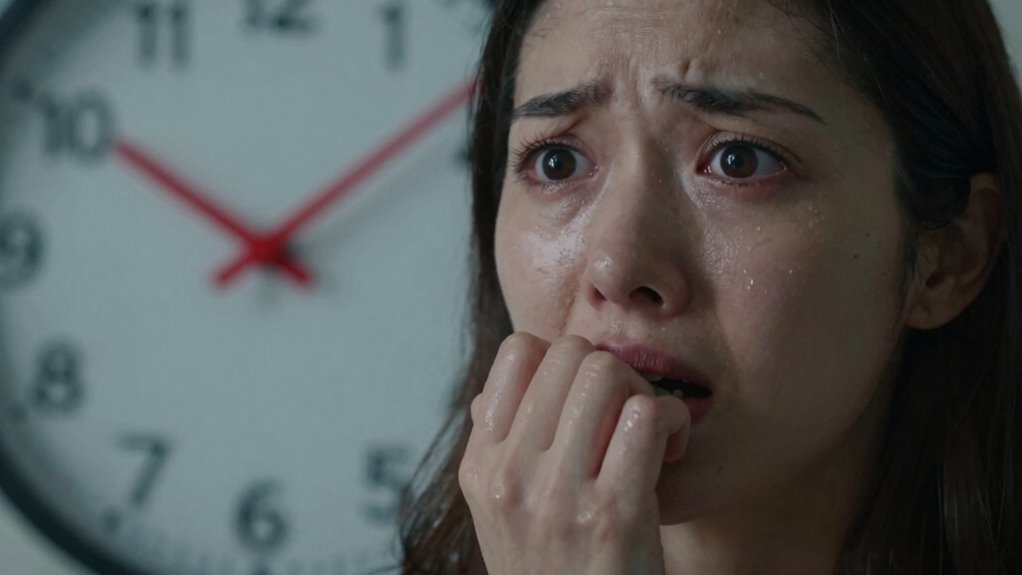

On your first day, two minutes can feel longer than ten because intense emotions like nervousness and curiosity make time seem to stretch. Your brain becomes hyper-alert, focusing on every detail and amplifying your emotional response. As you try to process unfamiliar sights and sounds, your perception of time slows down. Over time, as you grow more comfortable, this effect lessens. Keep exploring—you’ll discover more about why your experience feels so different.

Get home appliances delivered free with Prime
- Fast, free delivery on millions of items
- Prime Video, Amazon Music and more included
- Member-only deals all year
Key Takeaways
- High emotional intensity during initial experiences amplifies the perception of time, making short moments feel longer.
- Mental overload and heightened alertness on day one distort time perception, elongating brief durations.
- Focus on stressors or unfamiliarity increases perceived duration of even brief intervals.
- Anxiety and curiosity intensify emotional responses, stretching the subjective feeling of two minutes.
- As familiarity and comfort grow, time perception speeds up, making longer periods feel shorter.
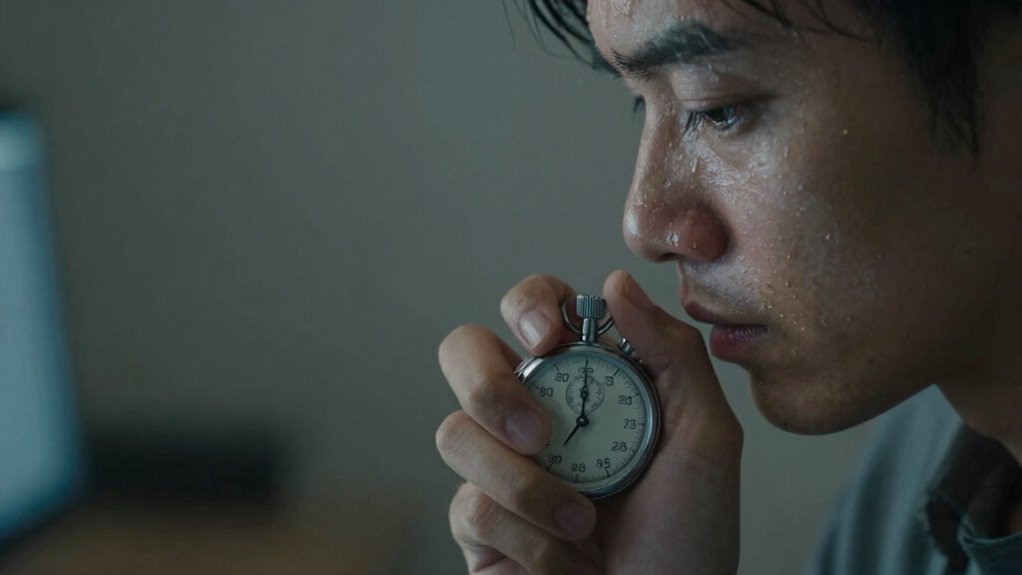
Have you ever noticed that two minutes can sometimes feel much longer than ten? It’s a strange experience, but it happens more often than you might think. That’s because your perception of time isn’t always based on the actual clock but on how you’re feeling in the moment. When you’re anxious, scared, or overwhelmed, time seems to stretch endlessly. Conversely, when you’re relaxed or engaged, minutes fly by. This variation in time perception is directly connected to emotional intensity. The more emotionally charged a situation, the slower those minutes seem to pass.
During your first day in a new environment, you’re likely experiencing a cocktail of heightened emotions—nervousness, curiosity, maybe even excitement. These feelings amplify your perception of time, making brief moments feel agonizingly long. For example, waiting for someone to arrive or trying to find your way around a new place can stretch out. Your mind fixates on each passing second, magnifying the emotional significance of that time. That’s why two minutes of intense anxiety can feel like a lifetime, while the same span of time in a familiar, relaxed setting might seem to vanish unnoticed.
On your first day, heightened emotions make even short moments feel endless and overwhelming.
Your brain’s focus on emotional intensity influences how you perceive the duration of events. When you’re overwhelmed, your brain is hyper-alert, scanning for threats or new information. This heightened state of awareness causes your brain to interpret time differently, making moments seem extended. On day one, everything is new and unpredictable. Your brain is working overtime to process unfamiliar sights, sounds, and social cues. This mental overload contributes to the feeling that two minutes, or even less, can seem endless when you’re trying to adapt. Additionally, the brain’s tendency to focus on emotional cues amplifies perception, making those short durations feel even longer. Recognizing the role of emotional states in time perception can help you understand why your experience varies so much based on your mood.
Furthermore, your attention plays a critical role. When you’re fixated on a stressful or emotionally charged situation, you tend to notice every detail, every second. This focus intensifies your emotional response, which, in turn, elongates your perception of time. As your familiarity with your surroundings increases, your brain begins to relax and process information more efficiently, thereby reducing the emotional overload that contributes to distorted time perception. Minutes then seem to pass more quickly because your brain isn’t as preoccupied with processing overwhelming stimuli. That’s why, at the start of any new experience, a short span of time can feel disproportionately long—it’s all about how your emotions color your perception of each passing moment.
As an affiliate, we earn on qualifying purchases.
Frequently Asked Questions
How Does Perception of Time Vary Between Individuals?
Your perception of time varies because of your subjective experience and cognitive distortions. Some people might feel time passes quickly, while others experience it more slowly, depending on their focus, emotions, or mental state. These differences create a unique perception of time, influenced by how your brain interprets reality. Your mind can distort time, making moments seem longer or shorter based on your attention and emotional engagement.
Can Mindfulness Techniques Alter Time Perception?
Yes, mindfulness techniques can alter your perception of time by increasing mindfulness awareness, which helps you stay present. This heightened awareness can reduce temporal distortion, making time seem to stretch or contract based on your focus. When you’re fully engaged in the moment, even short periods feel longer or more meaningful. Practicing mindfulness regularly can help you better manage your perception of time, especially during stressful or monotonous moments.
What Role Does Anxiety Play in Feeling Time Drag?
Anxiety, especially anticipatory anxiety, makes time drag because it heightens your focus on discomfort and future worries. This amplifies cognitive distortions, making moments seem longer as your mind fixates on negative outcomes. When you’re anxious, your perception slows down time, causing even brief periods to feel endless. Managing your anxiety helps you stay present, reducing the distortion and making time feel more manageable.
Does Age Affect How We Perceive Short Versus Long Durations?
Time flies when you’re young, but age influences your perception of durations due to memory distortion and cognitive bias. As you age, your brain may interpret short periods as longer because memories of time tend to stretch or distort, especially during unfamiliar or stressful moments. You might feel like a brief moment drags on because your mind perceives it differently, making short durations seem longer than they actually are.
How Do Environmental Factors Influence Time Perception?
Environmental factors like sensory overload and distractions considerably influence how you perceive time. When your senses are overwhelmed or distractions abound, you tend to lose track of time, making moments feel longer or shorter than they actually are. These factors divert your focus, causing you to experience time differently. So, in noisy or chaotic settings, your perception of duration can stretch or compress unexpectedly, altering your sense of how long events last.
anxiety calming adult coloring books
As an affiliate, we earn on qualifying purchases.
As an affiliate, we earn on qualifying purchases.
Conclusion
So, next time you find a moment dragging on, remember that time isn’t always measured in minutes, but in memories and feelings. A fleeting two minutes might seem like an eternity, while ten can slip by unnoticed. Embrace those brief pauses—they hold subtle lessons and quiet beauty. Sometimes, what feels longest is simply an invitation to reflect, to pause just a little longer, and find meaning in the gentle, unspoken spaces between moments.
mindfulness meditation starter kit
As an affiliate, we earn on qualifying purchases.
As an affiliate, we earn on qualifying purchases.
As an affiliate, we earn on qualifying purchases.
NFL season / tailgating Picks
team gear
As an affiliate, we earn on qualifying purchases.