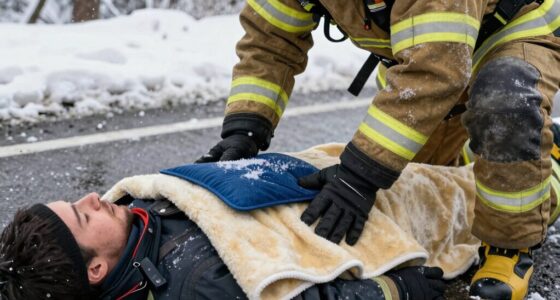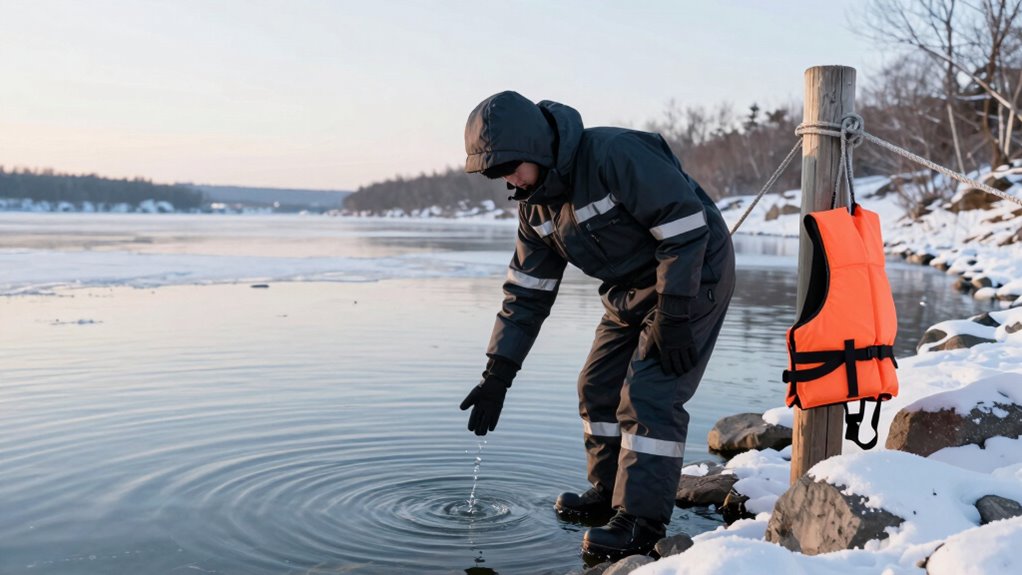

To make cold exposure safer in winter, focus on layering properly with moisture-wicking base, insulating middle, and waterproof outer layers to trap heat and stay dry. Maintain mental resilience by staying calm, listening to your body, and practicing mindfulness. Plan ahead by gradually increasing exposure time, checking weather conditions, and packing essentials like gloves and hats. Always watch for signs of cold stress and act quickly to prevent serious issues. Keep exploring to learn more ways to stay safe.

Get home appliances delivered free — and shop member deals
- Fast, free delivery on millions of items
- Access to Prime Big Deal Days deals on October 6–7
- Prime Video, Amazon Music and more included
Key Takeaways
- Wear layered, moisture-wicking, and waterproof clothing to retain heat and prevent moisture buildup.
- Gradually increase exposure time, monitoring for early signs of cold stress or discomfort.
- Stay mentally resilient by practicing mindfulness and listening to your body’s signals.
- Carry essential gear like gloves, hats, and scarves to protect extremities from heat loss.
- Prepare and plan by checking weather conditions and ensuring proper indoor recovery environments.
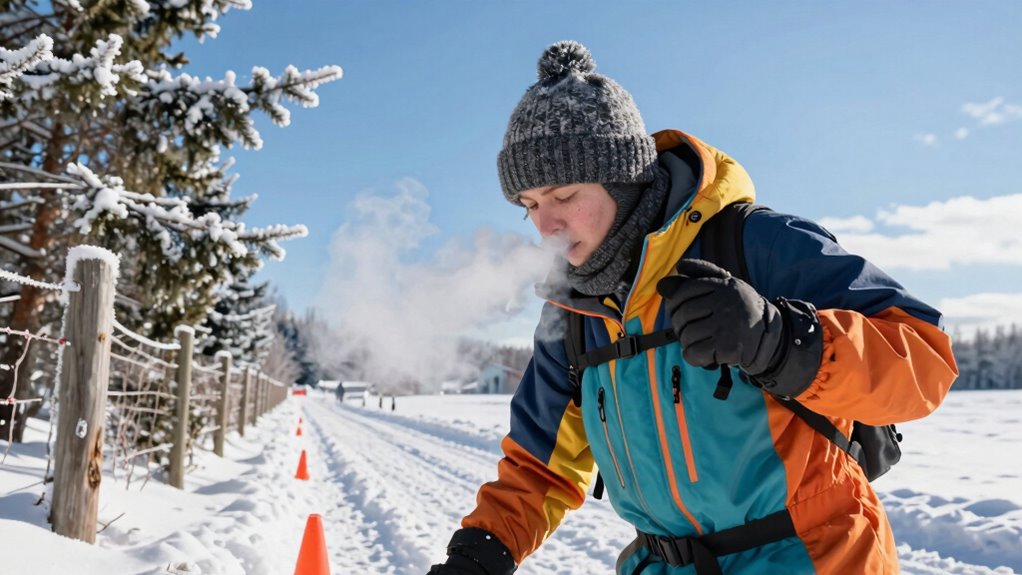
Winter cold exposure can be invigorating, but it also poses risks if you’re not careful. If you want to enjoy the benefits without jeopardizing your health, it’s imperative to pay attention to how you prepare and respond to the cold. One of the most effective ways to stay safe is by managing your clothing insulation. Layering properly helps trap heat and keeps your body temperature stable. Start with a moisture-wicking base layer to prevent sweat from chilling your skin. Add an insulating middle layer, such as fleece or wool, to retain heat. Finally, top it with a waterproof, windproof outer layer to shield you from the elements. This combination guarantees you maintain warmth without overheating or trapping moisture, which can lead to hypothermia or frostbite.
Beyond clothing, cultivating mental resilience plays an essential role in safely enduring cold exposure. When you’re mentally prepared, you’re more likely to listen to your body’s signals and act accordingly. Resilience helps you stay calm and focused, especially if you start feeling uncomfortable or cold more quickly than expected. It encourages you to stick to safe exposure times and avoid pushing beyond your limits. Developing mental resilience involves practicing mindfulness and positive self-talk, which can boost your confidence and help you manage discomfort. Remember, staying present and aware of how your body responds is key to preventing dangerous situations. Additionally, understanding the importance of biodiversity, such as natural windbreaks and shelter, can also help protect you from harsh winter conditions. Recognizing the role of ventilation in managing indoor air quality can also contribute to your overall well-being during winter months, especially if you spend time indoors to recover from exposure.
Mental resilience helps you stay calm, listen to your body, and enjoy winter safely.
It’s also important to plan your exposure carefully. Start with short periods outdoors and gradually increase your time as your body adapts. Always check the weather forecast and be mindful of wind chill, which can considerably lower the perceived temperature. Preparing thoroughly by assessing the environment and your physical condition can make a significant difference in your safety. Properly monitoring weather conditions helps you avoid unexpected drops in temperature or sudden storms. Never underestimate the power of good preparation—carry essentials like a warm hat, gloves, and a scarf, as extremities lose heat quickly. Hydration and nutrition are equally indispensable; staying well-fed and hydrated helps your body generate and conserve heat more effectively. Ensuring your indoor environment has good air quality can support your recovery and overall health, making winter exposure safer and more comfortable.
Listening to your body remains paramount. If you start feeling numbness, intense shivering, or dizziness, it’s time to seek warmth immediately. It’s vital to recognize that early signs of cold-related stress can escalate quickly if ignored. Never ignore early signs of cold-related stress — they’re your body’s way of warning you to take action. Remember that safety isn’t just about avoiding immediate dangers but also about maintaining mental clarity and resilience throughout your outdoor adventures. By combining proper clothing insulation, mental resilience, and careful planning, you can enjoy winter cold exposure safely and reap its invigorating benefits.
moisture-wicking base layer thermal underwear
As an affiliate, we earn on qualifying purchases.
As an affiliate, we earn on qualifying purchases.
Frequently Asked Questions
Can Cold Exposure Help With Winter Depression or Seasonal Affective Disorder?
Cold exposure can help with winter depression or seasonal affective disorder by boosting your mood through increased endorphin levels. Engaging in winter exercise outdoors exposes you to cold, which can improve your mental health. Pairing this with mindfulness techniques helps you stay present and manage negative thoughts. Just make certain you dress appropriately and listen to your body, gradually increasing exposure to safely enjoy the mood-lifting benefits.
What Are the Signs of Hypothermia to Watch for During Cold Exposure?
You should watch for hypothermia symptoms like intense shivering, confusion, slurred speech, and exhaustion. Frostbite risks include numbness, white or grayish skin, and skin that feels firm or waxy. If you notice these signs, get to a warm place immediately, remove wet clothing, and seek medical help. Recognizing early symptoms helps prevent serious health issues from cold exposure during winter activities.
How Long Should I Stay Outside for Safe Cold Exposure?
You should limit your cold exposure duration to safe time limits, typically around 10 to 15 minutes, depending on your tolerance and the weather conditions. To avoid hypothermia or frostbite, listen to your body and get inside if you start feeling numb, shivering excessively, or disoriented. Always dress appropriately, stay active, and monitor how you’re feeling to guarantee your cold exposure remains safe.
Is There an Ideal Clothing Material for Cold Exposure Safety?
For cold exposure safety, you want clothing that acts like a warm, waterproof shell around you. Opt for materials with high thermal insulation that trap heat, like wool or synthetic fibers designed for winter gear. Moisture-wicking fabrics keep sweat away from your skin, preventing chill. Think of a layered dance—each piece working together to keep you warm, dry, and protected against the biting winter air.
Can Cold Exposure Improve Immune System Function in Winter?
Cold exposure can boost your immune system by triggering a cold shock response and vasoconstriction response, which stimulate your body’s defenses. When you expose yourself gradually to cold, it activates these responses, increasing circulation and promoting the production of immune cells. This process helps your body adapt better to winter conditions, potentially reducing illness risk. Just make certain you do it safely and listen to your body’s signals.
waterproof winter jacket for cold weather
As an affiliate, we earn on qualifying purchases.
As an affiliate, we earn on qualifying purchases.
Conclusion
By following these safety tips, you’ll turn winter’s icy grip into a manageable challenge instead of a deadly trap. Remember, cold exposure can feel as intense as facing a frozen beast—so respect the cold, dress properly, and listen to your body. With preparation and caution, you’ll master winter’s chill and emerge stronger than ever. Don’t let the cold turn you into an ice sculpture—stay safe, stay warm!
insulating fleece or wool mid-layer
As an affiliate, we earn on qualifying purchases.
As an affiliate, we earn on qualifying purchases.
thermal gloves and hats for winter
As an affiliate, we earn on qualifying purchases.
As an affiliate, we earn on qualifying purchases.
Fall Picks
fall essentials
As an affiliate, we earn on qualifying purchases.