
Cold plunge water care gets simpler when you understand that balancing temperature and mineral levels is key. Keeping the water between 50-60°F prevents bacteria and algae, while maintaining proper mineral levels avoids cloudiness, odors, and scaling. These two factors work together to keep your water safe, inviting, and easy to maintain. Once you master this core principle, you’ll find your water care routine becomes less frustrating and more efficient. Stick around to learn how to implement these tips effectively.

Get home appliances delivered free — and shop member deals
- Fast, free delivery on millions of items
- Access to Prime Big Deal Days deals on October 6–7
- Prime Video, Amazon Music and more included
Key Takeaways
- Balancing temperature and mineral levels creates a stable environment, simplifying water maintenance.
- Maintaining water temperature between 50-60°F prevents bacteria and algae growth.
- Regularly testing minerals helps prevent cloudiness, scaling, and odors.
- Stable temperature ensures minerals stay in suspension, reducing chemical adjustments.
- Understanding the link between temperature and minerals streamlines troubleshooting and overall care.
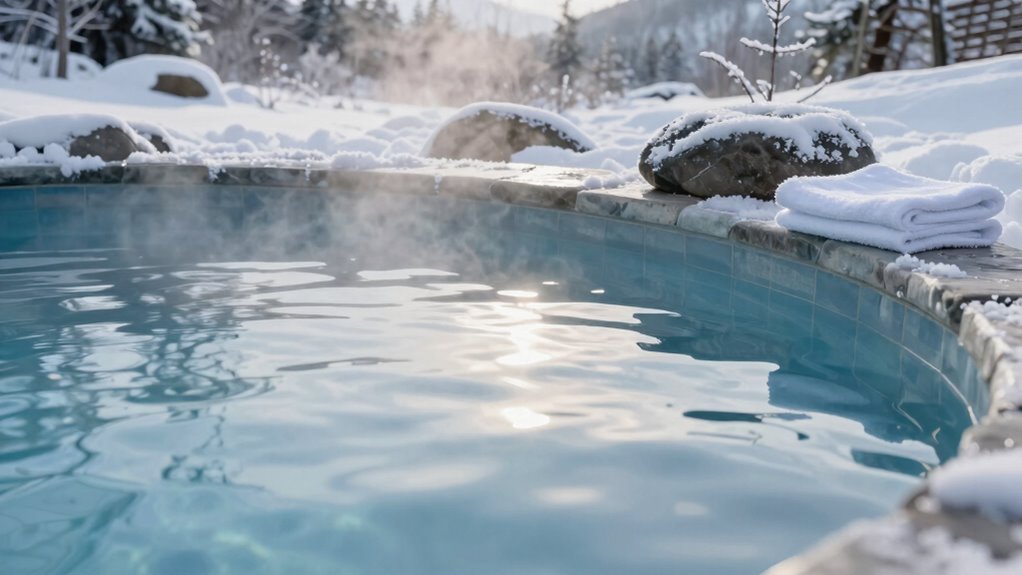
Maintaining clean and well-treated water is vital for enjoying your cold plunge safely and effectively. When you understand the core principle behind water care, it becomes much easier to keep your plunge pool in top condition. That principle is balance—specifically, balancing temperature regulation and mineral levels. These two factors work together to guarantee your water remains inviting, safe, and easy to maintain.
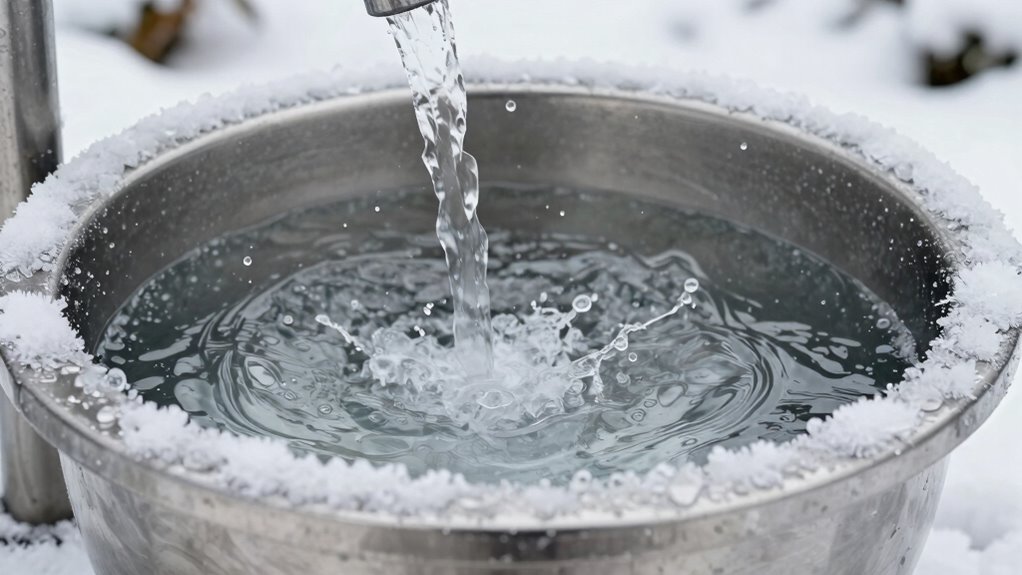
Temperature regulation is essential because it directly affects water quality and your comfort. Keeping the water cool enough prevents bacteria and algae from thriving, but it shouldn’t be so cold that it causes discomfort or shock. Regularly monitoring the temperature helps you maintain the ideal range, typically between 50 and 60 degrees Fahrenheit. When the water temperature stays consistent, it minimizes stress on your filtration system and reduces the likelihood of mineral buildup or imbalance. An effective temperature control also means less frequent chemical adjustments, making your water care routine more straightforward. Temperature stability is a key aspect of maintaining optimal water conditions.
Maintaining a steady temperature between 50-60°F ensures water quality, comfort, and easier maintenance for your cold plunge.
Mineral balance is equally important. When minerals like calcium, magnesium, or iron become too concentrated, they can cause cloudiness, scaling, or unpleasant odors. Conversely, a deficiency can lead to corrosion of your equipment and discomfort during use. To keep mineral levels in check, you need to test your water regularly and add appropriate balancing agents when needed. Proper mineral balance also supports the effectiveness of sanitizers, ensuring that your water remains hygienic without over-reliance on harsh chemicals. When minerals are balanced, your water feels better, looks clearer, and your equipment lasts longer. Incorporating regular testing into your routine helps you catch imbalances early and maintain a healthy environment.
The key to simplifying water care is understanding how temperature regulation and mineral balance influence each other. For example, fluctuating temperatures can cause minerals to precipitate or dissolve unevenly, leading to scale or cloudy water. By maintaining a steady temperature, you help keep minerals in suspension at ideal levels. Likewise, when mineral levels are balanced, the water responds more predictably to temperature adjustments and chemical treatments, reducing the need for constant tinkering. Additionally, testing mineral levels regularly ensures that you can promptly address imbalances before they impact water quality. Recognizing the importance of water chemistry helps you develop a more effective and consistent maintenance routine.
Knowing these principles can also help you troubleshoot issues more efficiently, saving time and effort in your water care routine.
When you keep this balance in mind, water care becomes less of a chore and more of a straightforward process. Regular testing and adjustments based on these principles will save you time, money, and frustration. Ultimately, understanding that temperature regulation and mineral balance are interconnected helps you create a stable environment for your cold plunge. With this knowledge, you’ll find caring for your water becomes easier, so you can focus on enjoying the benefits of your plunge without worry.
cold plunge water temperature controller
As an affiliate, we earn on qualifying purchases.
As an affiliate, we earn on qualifying purchases.
Frequently Asked Questions
How Often Should I Change the Water in My Cold Plunge?
You should change your cold plunge water every 4 to 6 weeks, depending on usage and water quality. Regular water filtration helps maintain cleanliness, so make sure your system is working properly. Keep an eye on temperature regulation too; if the water becomes cloudy or develops an odor, it’s time for a change. Proper maintenance extends water clarity and keeps your cold plunge safe and enjoyable.
What Type of Sanitizer Is Safest for Cold Plunge Water?
Think of sanitizer choices like choosing a gentle guardian for your water. The safest options are non-chlorine sanitizers like bromine or mineral-based systems, which reduce chemical safety concerns. Alternatives like ozone or UV sterilization can also keep water clean without harsh chemicals. These methods help you maintain a safe, hygienic plunge, ensuring you enjoy your cold water sessions worry-free while minimizing harsh chemical exposure.
Can I Use Regular Household Cleaning Products for Maintenance?
You shouldn’t use household cleaners for cold plunge maintenance because they pose chemical risks and can damage your equipment. These cleaners often contain harsh chemicals that aren’t safe for water treatment or your skin. Instead, opt for sanitizers designed specifically for pools or spas, which are formulated to keep water safe without risking chemical exposure or equipment damage. This approach keeps your cold plunge safe, clean, and easy to maintain.
How Do I Prevent Algae Growth in My Cold Plunge?
Think of algae prevention as giving your cold plunge a gentle shield. To keep algae at bay, regularly use proper water filtration and maintain balanced water chemistry. Clean your filter often and avoid leaving the water stagnant for long periods. By staying consistent with these practices, you create an environment that’s inhospitable to algae growth, ensuring your plunge stays fresh, clear, and inviting every time you immerse yourself.
What’s the Ideal Water pH Level for Cold Plunge Safety?
You should keep your cold plunge’s water pH level between 7.2 and 7.8 for safety and comfort. Regular water filtration helps maintain this balance, preventing pH levels from becoming too acidic or alkaline. Consistently monitor the pH with testing strips, and adjust it accordingly using pH balancing chemicals. This simple routine guarantees safe, clean water, reduces algae growth, and keeps your cold plunge inviting and safe for your skin.
water mineral test kit for plunge pools
As an affiliate, we earn on qualifying purchases.
As an affiliate, we earn on qualifying purchases.
Conclusion
Once you grasp this simple principle, caring for your cold plunge feels almost effortless. It’s funny how understanding one key detail can make everything else fall into place, like finding the missing puzzle piece. Suddenly, maintaining clean, invigorating water becomes second nature—almost like a coincidence that it’s this easy. With this knowledge, you’ll enjoy your plunge even more, confident that keeping it pristine is just a matter of applying what you’ve learned.
cold plunge water balancing chemicals
As an affiliate, we earn on qualifying purchases.
As an affiliate, we earn on qualifying purchases.
As an affiliate, we earn on qualifying purchases.
Fall Picks
fall essentials
As an affiliate, we earn on qualifying purchases.