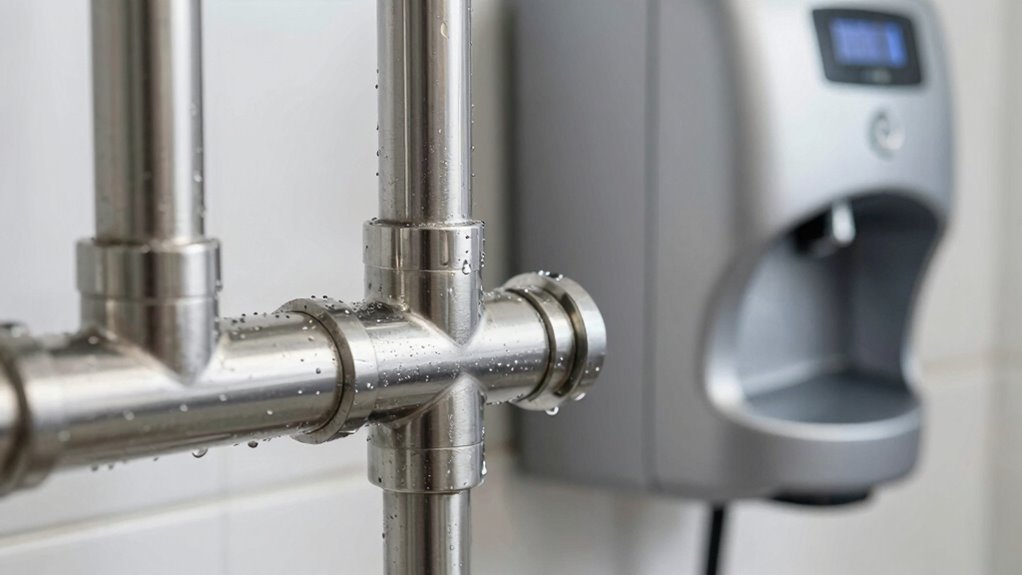

Sanitizers are essential for keeping cold water systems safe by controlling microbes and ensuring water quality. However, they can impact the environment, especially if chemicals like chlorine or bromine aren’t managed properly. Staying compliant with regulations and choosing eco-friendly options helps protect ecosystems and public health. Proper disposal and neutralization are important too. To learn how to balance these factors effectively, keep exploring ways to use sanitizers responsibly and sustainably.
Key Takeaways
- Sanitizers are essential for controlling microbial growth and ensuring water safety in cold water systems.
- Chemical sanitizers like chlorine can harm aquatic ecosystems if not properly managed.
- Regulatory standards guide safe application and disposal to prevent environmental and health hazards.
- Eco-friendly sanitizers and neutralization methods help reduce ecological impact.
- Responsible use, ongoing monitoring, and adherence to regulations ensure sustainable and safe water system maintenance.
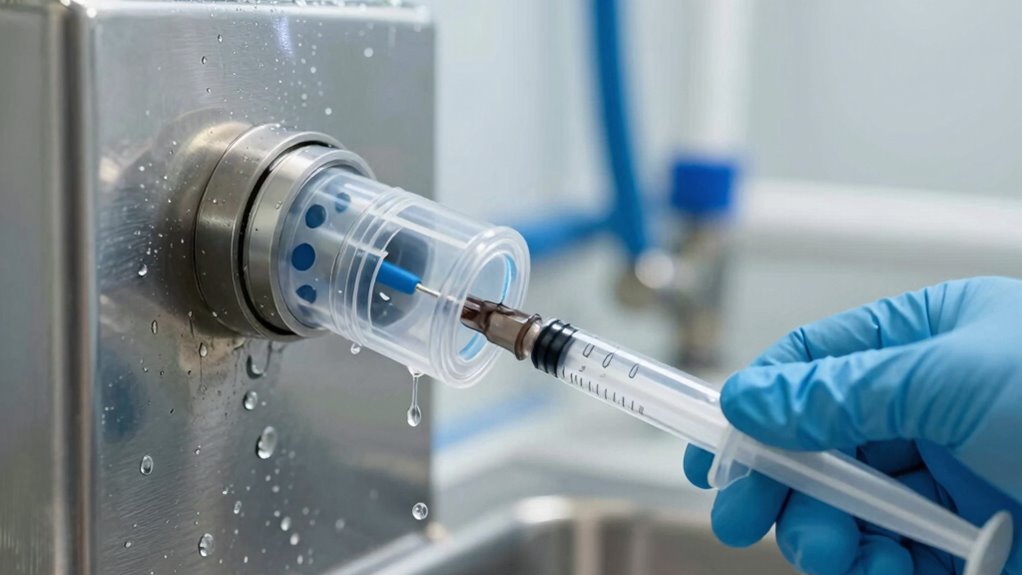
Have you ever considered how essential sanitizers are in maintaining cold water systems? These substances play a pivotal role in ensuring water quality, preventing microbial growth, and protecting public health. But beyond their immediate benefits, it’s important to recognize the broader implications of using sanitizers, particularly regarding environmental impact and regulatory standards. You need to understand that the choices you make about sanitizing agents can influence not only the safety of the water but also the environment around you.
When you select a sanitizer, you’re also considering its environmental footprint. Some sanitizers, especially those that contain chemicals like chlorine or bromine, can have adverse effects if not managed properly. These chemicals may persist in the environment, potentially harming aquatic life or disrupting ecosystems if they’re released in high concentrations or improperly disposed of. That’s why many industry standards now emphasize minimizing ecological damage by encouraging the use of eco-friendly sanitizers or ensuring proper neutralization after treatment. You’re responsible for balancing effective disinfection with environmental sustainability, which means staying informed about the impact your chosen sanitizers may have beyond the immediate water system. Being aware of environmental impact and choosing eco-conscious options can help reduce potential harm. Additionally, understanding regulatory standards ensures that your practices align with legal requirements and best practices for safety.
Choosing eco-friendly sanitizers and proper neutralization minimizes environmental harm and supports sustainable water management.
Regulatory standards are equally critical in guiding your practices. Governments and health organizations set strict guidelines on what sanitizers can be used, how they should be applied, and how their residues should be managed. These regulations exist to protect public health and ensure water safety, but they also serve to prevent environmental contamination. You need to adhere to these standards diligently, understanding that non-compliance could lead to legal repercussions, health hazards, or environmental damage. Regular testing, proper dosing, and documentation are essential parts of maintaining compliance. Recognizing proper waste disposal** as an integral part of compliance can help prevent environmental contamination and ensure sustainable practices. Staying informed about regulatory updates and technological advancements** can help you adapt your procedures to new legal requirements and innovations. By following these regulations, you not only safeguard the water system but also contribute to a sustainable approach that respects environmental boundaries.
In your role managing cold water systems, recognizing the interconnectedness of sanitizer use, environmental impact, and regulatory standards is indispensable. You’re tasked with choosing effective disinfectants that meet safety guidelines while also considering their long-term effects on the environment. This means staying updated on evolving regulations, exploring greener alternatives, and implementing best practices for waste disposal. Your actions directly influence water quality, ecosystem health, and compliance status. Ultimately, understanding the broader context of sanitizers empowers you to make informed, responsible decisions that benefit public health and the planet alike.
eco-friendly water sanitizer for cold water systems
As an affiliate, we earn on qualifying purchases.
As an affiliate, we earn on qualifying purchases.
Frequently Asked Questions
Are Sanitizers Safe for Daily Use in Cold Water Systems?
Yes, sanitizers are generally safe for daily use in cold water systems if they have proper chemical stability and are used as directed. You should always follow manufacturer instructions to guarantee user safety and avoid overusing, which could cause buildup or corrosion. Regularly checking sanitizer levels and maintaining your system helps prevent issues, ensuring effective sanitation while keeping you safe from potential chemical risks.
How Long Do Sanitizer Effects Last in Cold Water Environments?
In cold water systems, sanitizer effects typically last between 24 to 48 hours, depending on usage and water conditions. For example, a hospital water system used daily might see sanitizer efficacy drop after a day, risking contamination. Factors like water temperature, flow rate, and organic matter influence sanitizer duration. To guarantee ongoing cold water efficacy, regular testing and reapplication are essential, especially in critical environments.
Can Sanitizers Cause Corrosion in Cold Water Pipes?
Sanitizers can cause corrosion in cold water pipes if not used properly, risking damage to pipe integrity. To prevent this, focus on corrosion prevention by selecting appropriate sanitizer types and maintaining proper concentrations. Regular inspections and flushing help minimize buildup that could lead to corrosion. By monitoring and controlling sanitizer use, you protect your pipes, ensuring longevity and reliable water quality without compromising pipe integrity.
What Are the Environmental Impacts of Sanitizer Disposal?
When you dispose of sanitizers, chemical reactions can occur that harm the environment, especially if they’re not handled properly. These substances may contaminate water sources, affecting aquatic life and disrupting ecosystems. To guarantee ecological safety, you should follow proper disposal guidelines, such as diluting or neutralizing sanitizers before disposal. This helps minimize environmental impacts and prevents pollutants from entering natural water systems, protecting both the environment and public health.
Do Sanitizers Remove Biofilms Effectively From Cold Water Systems?
Think of biofilms as stubborn shadows clinging to your pipes; sanitizers often struggle to fully erase them. While higher sanitizer concentrations can weaken biofilm resistance, they might not completely remove entrenched layers. Effectively, sanitizers may only weaken biofilms, leaving behind resilient residues. To truly combat biofilm buildup, you need a strategic approach combining proper sanitizer use with mechanical cleaning, or else these shadows will persist, lurking in your system.
water sanitizer neutralization kit
As an affiliate, we earn on qualifying purchases.
As an affiliate, we earn on qualifying purchases.
Conclusion
Remember, using the right sanitizer in cold water systems is essential for safety and efficiency. Did you know that over 60% of cold water system failures are linked to improper sanitation? By following proper protocols, you can prevent bacteria growth and extend your system’s lifespan. Keep your water clean and safe—don’t skip the sanitizer. Regular maintenance isn’t just a choice; it’s a necessity to guarantee peak performance and health.
industrial water sanitizer testing kit
As an affiliate, we earn on qualifying purchases.
As an affiliate, we earn on qualifying purchases.
regulation-compliant water sanitizer
As an affiliate, we earn on qualifying purchases.
As an affiliate, we earn on qualifying purchases.