


Chasing tougher cold plunge challenges can quickly turn dangerous if you ignore safety cues. Pushing limits without respecting your body’s signals, like extreme shivering or rapid heart rate, increases risks of hypothermia or loss of judgment. Overemphasizing challenge over safety makes you more prone to accidents. It’s essential to set limits and listen to your body to avoid these dangers. Keep going to discover how to stay safe while still benefiting from cold exposure.
Play games included with Prime
Start a Prime free trial and play with Amazon Luna on your devices.
As an affiliate, we earn on qualifying purchases.
Key Takeaways
- Overemphasizing challenge can cause neglect of warning signs, increasing risk of hypothermia and medical emergencies.
- Pursuing extreme challenges may lead to physiological stress, impairing judgment and delaying safe responses.
- Ignoring physical cues like shivering or heart rate spikes worsens safety and raises danger of injury.
- Setting strict time and safety limits is essential to prevent overexposure during challenging cold plunges.
- Prioritizing health over challenge ensures safety, avoiding rapid escalation of risks in pursuit of difficult goals.
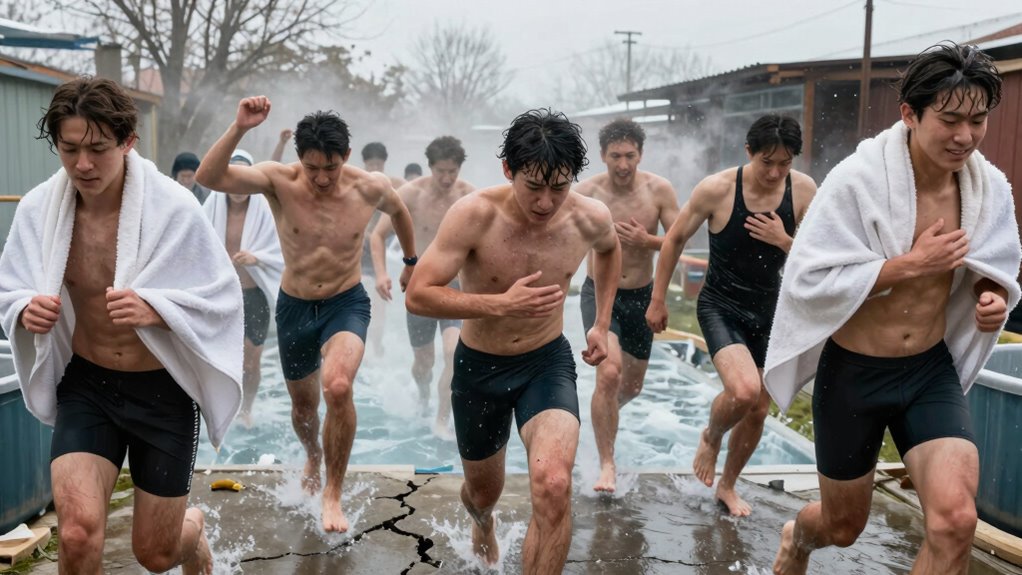
Chasing a challenge during cold plunge sessions can quickly turn dangerous, especially when you’re more focused on pushing limits than listening to your body. The thrill of testing your mental resilience and physical endurance can cloud your judgment, leading you to ignore warning signs that your body is reaching its breaking point. Cold water immersion is powerful, but it demands respect and awareness. When you prioritize the challenge over safety, it’s easy to underestimate how quickly your body’s responses can change. Heart rate spikes, shivering intensifies, and your muscles may begin to weaken—signs that you should exit the water immediately. Ignoring these cues puts you at risk of hypothermia or fainting, especially if you’re alone or not prepared.
Your mind might tell you to stay longer, to prove you can handle more, but mental resilience isn’t about ignoring discomfort; it’s about recognizing your limits and respecting them. Pushing too far can diminish your physical endurance and lead to dangerous consequences. The cold triggers a cascade of physiological responses, constricting blood vessels and reducing circulation to extremities. Over time, this strain can impair your judgment, making it harder to make rational decisions. If you’re chasing a personal record or trying to outdo your last session, you might forget that the goal is to build resilience, not to risk injury.
Recognize your limits; pushing too far can impair judgment and increase injury risk. Respect the cold and prioritize safety.
Understanding how your body reacts to cold water is crucial; every individual responds differently, and body signals can vary widely. The danger escalates quickly, and what started as a mental test can turn into a medical emergency in moments.
To stay safe, set clear time limits and listen to your body throughout each session. Remember that mental resilience is about knowing when to stop, not just about enduring discomfort. Respect the cold, respect your limits, and don’t let the desire to conquer a challenge overshadow your health. Cold plunge sessions are beneficial when approached with caution—pushing boundaries is fine, but only when you do so responsibly.
As an affiliate, we earn on qualifying purchases.
Frequently Asked Questions
What Are the Long-Term Health Risks of Cold Plunges?
Long-term health risks of cold plunges include increased cold shock, which can cause sudden panic or breathing issues if you’re unprepared. You might also face heart risks, especially if you have underlying conditions, as cold exposure stresses your cardiovascular system. Over time, repeated cold plunges could lead to nerve or tissue damage if you push yourself too far or stay in cold water too long. Always listen to your body and consult a doctor.
How Can Beginners Safely Start Cold Plunge Sessions?
You should start cold plunge sessions slowly, especially if you’re new. Coincidentally, many believe cold exposure myths, but safe beginner tips emphasize gradual exposure and listening to your body. Begin with short durations, like 30 seconds, and gradually increase as you feel comfortable. Keep your core warm before and after, and consult a healthcare professional. Remember, patience and caution safeguard your health as you explore cold plunges.
Are There Specific Medical Conditions That Contraindicate Cold Plunging?
If you have heart conditions or high blood pressure, cold plunging might not be safe for you. The sudden cold can strain your heart and cause blood pressure spikes. Always consult with your healthcare provider before trying cold plunges, especially if you have cardiovascular issues. Don’t ignore medical advice, and listen to your body during each session to prevent adverse effects.
What Signs Indicate Someone Should Stop a Cold Plunge Immediately?
Like Icarus flying too close to the sun, you should stop your cold plunge if you experience intense cold shock symptoms—such as uncontrollable shivering, dizziness, or numbness. If your skin turns pale or blue, or you feel disoriented, these are signs of hypothermia risk and warrant immediate exit. Trust your body’s signals; pushing further can lead to dangerous health consequences.
How Does Mental Health Impact Cold Plunge Safety?
Your mental health is vital to cold plunge safety because mental resilience helps you stay calm and focused, reducing risks of panic or shock. Emotional regulation allows you to manage stress and avoid impulsive decisions, like staying in too long. If you’re feeling overwhelmed or anxious, it’s essential to exit immediately. Maintaining a balanced mental state ensures you listen to your body and prioritize safety during cold plunges.
As an affiliate, we earn on qualifying purchases.
Conclusion
Chasing the thrill of a cold plunge might seem exciting, but it often leads to quicker mishaps. Just like rushing into a storm without preparing, pushing too hard can backfire. You crave the rush, yet the danger lurks in the overzealous pursuit. Sometimes, slowing down and respecting your limits is the real challenge. After all, the cold is relentless, but your caution can be your greatest shield—proving that patience beats reckless pursuit every time.
As an affiliate, we earn on qualifying purchases.
As an affiliate, we earn on qualifying purchases.
Fall yard work Picks
leaf blowers
As an affiliate, we earn on qualifying purchases.