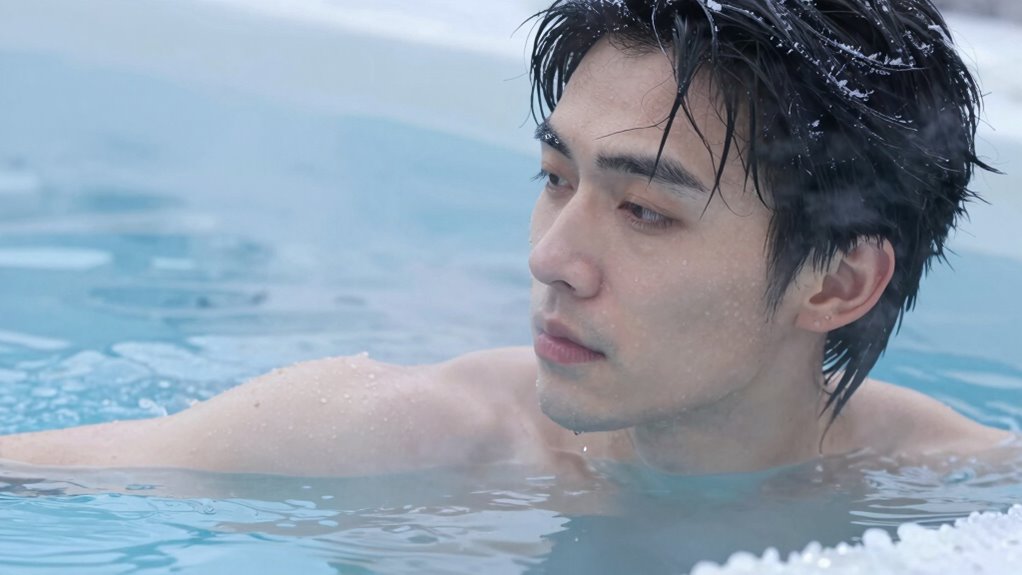

Your comfort during a cold plunge depends more on your mental resilience and sensory awareness than on the temperature itself. By practicing mindfulness and staying calm, you can lessen the shock and discomfort. Learning to recognize bodily signals helps prevent overreaction and builds your confidence. Over time, mental acceptance and proper preparation make cold plunges more enjoyable and less overwhelming. Keep exploring—there’s more to mastering comfort than just the cold itself.
Key Takeaways
- Mental acceptance and calmness significantly influence comfort beyond just the water temperature.
- Mindfulness techniques help manage discomfort and foster a positive mindset during cold plunges.
- Recognizing and responding to bodily and skin signals improves safety and tolerates cold exposure.
- Preparation, including mental focus and skin care, enhances resilience more than temperature reduction alone.
- Consistent practice builds mental and physical adaptation, making cold plunges more tolerable over time.
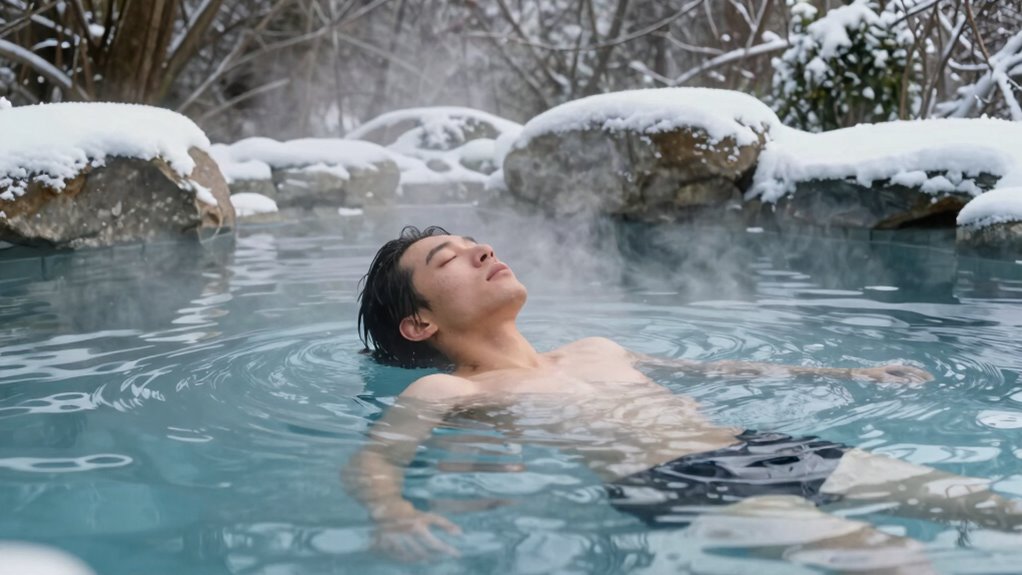
Have you ever wondered how to make cold plunging more comfortable? The key isn’t just about lowering the temperature; it’s about your mental adaptation and how your skin responds to the cold. When you first step into icy water, your body reacts instinctively, triggering a shock response that can make the experience uncomfortable or even painful. But over time, your mind can learn to accept and even anticipate the cold, reducing that initial shock. This mental adaptation is vital because it helps you remain calm and focused, making the plunge feel less overwhelming. Instead of fighting the cold or rushing out, you learn to breathe deeply and stay present, which gradually enhances your comfort level. Practicing mindfulness techniques can also support this mental shift by helping you stay centered during your cold exposure. Additionally, understanding the importance of skin sensitivity can help tailor your approach to cold plunging, making it a safer and more enjoyable practice. Recognizing how your body perceives cold through sensory responses can further aid in managing discomfort and building resilience. Developing an awareness of your body’s reactions can help you better interpret and respond to the signals your skin sends, fostering a more positive experience. The goal isn’t to ignore your skin’s signals but to gently train it to handle the cold without overreacting. Regular exposure and proper skin care can foster this adaptation, making cold plunging a more sustainable habit.
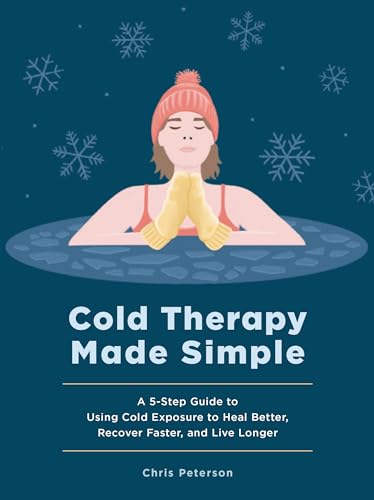
Cold Therapy Made Simple: A 5-Step Guide to Using Cold Exposure to Heal Better, Recover Faster, and Live Longer
As an affiliate, we earn on qualifying purchases.
As an affiliate, we earn on qualifying purchases.
Frequently Asked Questions
How Long Should I Stay in a Cold Plunge for Optimal Comfort?
You should stay in a cold plunge for about 3 to 5 minutes to optimize comfort, depending on your cold tolerance. Start with shorter durations, especially if you’re new to cold plunges, and gradually increase the plunge duration as your body adapts. Listen to your body, and don’t push beyond your limits to avoid discomfort or hypothermia. Consistent practice helps improve your cold tolerance over time.
Does Hydration Level Affect Cold Plunge Comfort?
Think of your body as a delicate garden. When you’re well-hydrated, water intake acts like nourishing rain, enhancing cold plunge comfort by aiding temperature regulation and reducing shock. Hydration impact is significant; insufficient water makes you more susceptible to discomfort and cold stress. So, before plunging, drink enough water to keep your body’s internal environment balanced, making the experience more tolerable and even enjoyable.
Can Mental Focus Improve Cold Plunge Tolerance?
Yes, mental focus can improve your cold plunge tolerance. Practicing mindfulness training helps you stay present and manage your reactions, making the experience more manageable. Developing mental resilience allows you to stay calm and control breathing, which reduces discomfort. By training your mind to embrace the cold rather than resist it, you’ll find it easier to endure longer and enjoy the benefits of cold plunges.
Are Certain Clothing or Accessories Recommended for Cold Plunges?
Wearing wetsuit options or thermal accessories can substantially boost your cold plunge comfort. For example, a swimmer who wore a neoprene wetsuit reported feeling less shock and maintaining better focus during their plunge. These items insulate your body, helping you stay warm longer and reducing discomfort. Consider thermal gloves or a cap, especially if you’re new to cold plunges, to make the experience more manageable and enjoyable.
How Do Breathing Techniques Influence Comfort During Cold Exposure?
Your breathing patterns profoundly influence your comfort during cold exposure. By practicing mindful relaxation and controlled breathing, you can reduce the shock and anxiety often felt in cold water. Deep, slow inhales and exhales help regulate your body’s response, calming your nervous system. This mindful approach allows you to stay relaxed and focused, making the experience more tolerable and even enjoyable, regardless of how cold the plunge is.
Family Support Sensory Processing Disorder Awareness Stainless Steel Insulated Tumbler
Sensory Processing Disorder Awareness tee is the best apparel for women, kids, men, dad, father, mom, mother, parents….
As an affiliate, we earn on qualifying purchases.
As an affiliate, we earn on qualifying purchases.
Conclusion
So, next time you hesitate to plunge into that cold plunge, remember, comfort isn’t just about the temperature. It’s about your mindset, preparation, and how you approach the experience. Think of it like stepping into a revitalizing lake on a summer day—you’re more likely to enjoy it if you embrace the moment. So, take a deep breath, trust your body, and focus on the invigorating benefits ahead. Cold plunges can be your new favorite wellness ritual.

BEST 100 Mindful Prompts for Self Care & Stress Relief | Cards to Reduce Anxiety & Increase Relaxation | Perfect Mindfulness Gift | Beyond Positive Affirmations | Meditations For Kids, Teens, & Adults
🌟 100 MINDFULNESS PROMPTS 🌟 This unique inspirational and reflective mindfulness deck contains 50 DOUBLE SIDED CARDS designed…
As an affiliate, we earn on qualifying purchases.
As an affiliate, we earn on qualifying purchases.

Face Bowl for Ice with Built-in Ice Tray – Collapsible Silicone Facial Ice Bath Bowl for Cold Plunge Therapy, Skin Tightening & Acne Relief – Portable Spa Tool for Home & Travel(Black)
Why Choose Our Cold Therapy – face ice bath bowl delivers full-face cooling to shrink pores, enhance facial…
As an affiliate, we earn on qualifying purchases.
As an affiliate, we earn on qualifying purchases.