
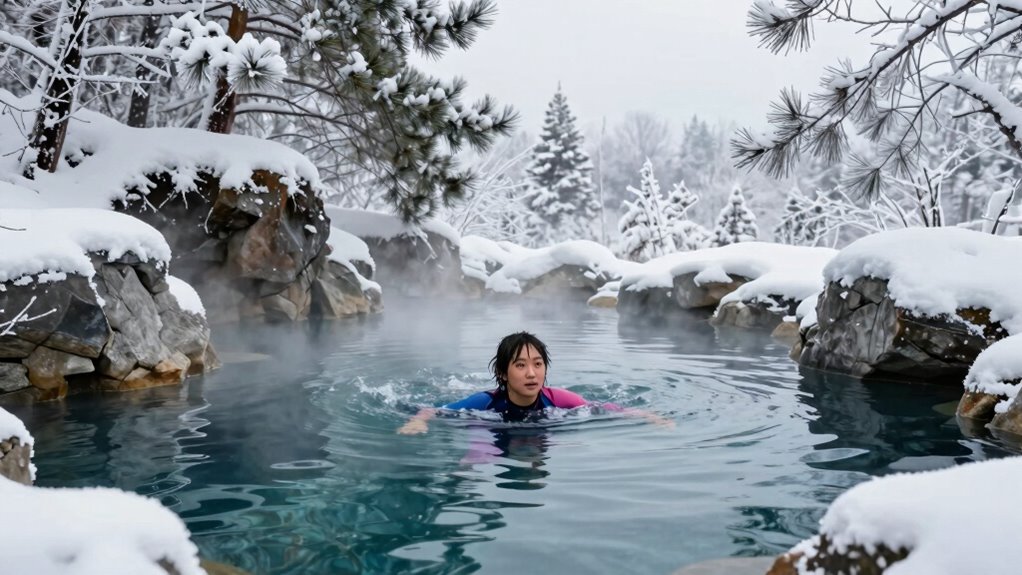

A cold plunge in salt water changes your experience by adding buoyancy, making it easier to relax and stay afloat. The mineral content, like magnesium and potassium, soothes your skin and muscles, offering benefits that freshwater usually doesn’t provide. While the core responses—such as shock, blood vessel constriction, and endorphin release—remain the same, the salt enhances comfort and recovery. To discover more about how salt water alters your cold plunge, keep exploring these differences further.
Key Takeaways
- Salt water increases buoyancy, enhancing relaxation, but does not alter the initial cold shock response.
- The mineral content in salt water can soothe skin and muscles, unlike freshwater, but core physiological reactions remain the same.
- Cold exposure triggers endorphin release and blood vessel constriction regardless of salt presence.
- Salt water may improve comfort and reduce skin irritation compared to chlorinated pools, without changing cold adaptation effects.
- The fundamental benefits of cold plunging, such as mental clarity and immune boost, remain consistent in salt or freshwater environments.

Have you ever considered the invigorating benefits of a salt water cold plunge? Stepping into a chilly saltwater pool offers more than just a revitalizing shock; it’s a full-body experience that impacts your senses and your health. When you immerse yourself in salt water, you’re not just feeling the cold—you’re engaging with an environment that mimics natural ocean conditions, albeit in a controlled setting. One key aspect that makes salt water different from regular freshwater plunges is its unique water chemistry. Salt concentrations influence how the water interacts with your skin, eyes, and respiratory system. The salt creates a buoyant environment, making it easier to float and relax, which can enhance your overall experience. But beyond comfort, this water chemistry also plays a role in how your body responds to the plunge, stimulating circulation and reducing inflammation.
In a saltwater plunge, marine life isn’t directly involved, but the environment is shaped by the same principles that govern ocean ecosystems. Salt levels, minerals, and water purity are carefully managed to maintain a safe and beneficial environment for humans. These considerations impact not only the water’s chemical balance but also the presence of beneficial minerals like magnesium and potassium, which can have soothing effects on your skin and muscles. Unlike freshwater pools, which often contain chlorine or other chemicals, saltwater systems rely on electrolysis to keep the water clean, making the experience feel more natural and less harsh on your skin and eyes. This natural water chemistry helps prevent dryness or irritation, common issues in chlorinated pools, and offers a more authentic ocean-like experience.
However, some things stay the same regardless of salt content. The initial shock of cold water remains an essential part of the plunge, triggering your body’s fight-or-flight response and releasing endorphins. The benefits of cold exposure—such as improved mental clarity, muscle recovery, and boosted immunity—are consistent whether you’re in saltwater or freshwater. The sensation of the icy water constricting your blood vessels, followed by the rush of warmth as your body adapts, is a universal response. While salt water enhances buoyancy and may add minerals beneficial for skin and muscle health, the fundamental physiological reactions to cold exposure don’t change. Instead, salt water simply offers a different, often more comfortable, environment to experience those enduring benefits.
Frequently Asked Questions
How Does Salt Water Affect Skin Absorption During a Cold Plunge?
Salt water during a cold plunge can influence your skin absorption by disrupting skin hydration and osmotic balance. The salt draws moisture from your skin, making it drier and potentially more sensitive. This osmotic shift may reduce your skin’s ability to absorb beneficial substances. So, while salt water can intensify the cold sensation, it also risks dehydrating your skin and altering its natural barrier function during the plunge.
Can Salt Water Cold Plunges Improve Mental Clarity More Than Fresh Water?
Research shows that salt water cold plunges can boost mental clarity and sensory enhancement more than fresh water. The higher mineral content and buoyancy may stimulate your nervous system, sharpening focus and alertness. You might notice improved mood and mental acuity after a salt water plunge, thanks to the body’s response to minerals like magnesium. So, if you’re seeking heightened mental clarity, salt water could offer a more invigorating experience.
Are There Specific Salt Types Recommended for Optimal Benefits?
You should choose high-purity sea salt or Himalayan salt for ideal benefits, as they have a balanced mineral content that supports your skin and immune system. Avoid processed salts with additives, which can reduce efficacy. Look for salts rich in magnesium and trace minerals, as these enhance relaxation and recovery. Ensuring the salt has minimal impurities maximizes the positive effects, making your cold plunge more effective and enjoyable.
How Does Salt Concentration Influence the Body’s Response to Cold Exposure?
Imagine you’re back in a Viking saga, braving icy seas—salt concentration affects your cold response. Higher salt levels enhance osmoregulation, helping maintain electrolyte balance, which can support your body’s resilience. Conversely, too much salt may cause dehydration or strain your system. Finding the right concentration optimizes cold exposure benefits, allowing your body to adapt efficiently without overtaxing your electrolyte balance or triggering adverse effects.
Is Salt Water Cold Plunging Safe for People With Skin Conditions?
Salt water cold plunging may not be safe if you have skin conditions. It can cause skin irritation or worsen salt sensitivity, especially if your skin is already sensitive or inflamed. You might experience redness, itching, or discomfort. To stay safe, consult your dermatologist before trying saltwater cold plunges, and listen to your body’s reactions. If you notice irritation, stop immediately and seek medical advice.
Conclusion
Taking a cold plunge in salt water can boost circulation, soothe muscles, and elevate your mood. While some benefits are clear, others depend on individual responses and consistency. Remember, “A journey of a thousand miles begins with a single step,” so start small and listen to your body. Whether you notice big changes or just enjoy the invigorating experience, keep in mind that patience and persistence often lead to the best results.