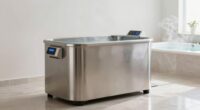
A cold plunge is truly effective when the water temperature ranges from 50°F to 59°F, which triggers key physiological responses like vasoconstriction and adrenaline release. For beginners, sticking to the higher end and gradually lowering the temperature helps build tolerance safely. Short, 2 to 3-minute immersions work well at these temperatures. If you’re curious about optimizing your cold plunge and staying safe, there’s more to discover to enhance your experience.
Key Takeaways
- Water temperatures between 50°F to 59°F (10°C to 15°C) are generally considered effective for cold plunges.
- For more intense benefits, water around 40°F (4°C) can be used by experienced individuals.
- Short immersion times (1-5 minutes) are recommended, especially in colder water, to prevent hypothermia.
- The water should be cold enough to activate physiological responses like vasoconstriction and adrenaline release.
- Safety signals such as shivering, numbness, or discomfort indicate the water may be too cold or the session too long.
When it comes to cold plunge sessions, knowing what temperature qualifies as “cold enough” can make all the difference in your experience and benefits. The key factors to consider are water temperature and ice duration. For most people, a water temperature between 50°F and 59°F (10°C to 15°C) is considered cold enough to trigger the physiological responses associated with cold plunging. At this range, your body begins to activate its natural defenses, such as vasoconstriction and increased adrenaline production, which promote recovery and mental clarity. If you’re aiming for more intense benefits, some enthusiasts push the temperature down to around 40°F (4°C), but that’s typically reserved for experienced users who can handle the shock and longer ice duration without risking hypothermia or other health issues.
The water temperature is crucial because it directly influences your ice duration — the amount of time you can comfortably stay immersed. When the water is colder, your ice duration naturally shortens, often kept within 1 to 5 minutes. If you stay in longer than your body can tolerate, you risk hypothermia or frostbite, especially if your body isn’t acclimated to such cold. Conversely, if the water isn’t cold enough, you may find yourself staying longer, but you might not be getting the full benefits of cold exposure. The sweet spot is finding a temperature that challenges you without overwhelming your body, typically around 50°F to 55°F (10°C to 13°C), with an ice duration of about 2 to 3 minutes for most beginners. Additionally, understanding the importance of water temperature helps optimize your experience and safety during cold plunges. Recognizing the role of body adaptation can also aid in gradually increasing your tolerance for colder water over time. Incorporating gradual exposure into your routine is essential for safe progression and long-term benefits.
Getting familiar with proper breathing techniques can also help you manage discomfort and extend your ability to stay in cold water safely, especially as you increase your tolerance.
As you become more accustomed to cold plunges, you might experiment with lowering the temperature slightly or extending your ice duration. However, always listen to your body’s signals. Shivering, numbness, or discomfort are signs to get out immediately. Remember, the goal is to stimulate recovery and mental clarity, not to push yourself to dangerous extremes. It’s better to start with slightly warmer water and shorter sessions, gradually working your way down as your body adapts. Consistency is key, and cold exposure over time can enhance your tolerance and benefits, making the experience safer and more effective. Keep in mind that consistency matters more than extreme cold; maintaining a safe, manageable routine will help you enjoy the benefits without risking your health. So, to sum up, “cold enough” typically means water temperature around 50°F to 55°F with an ice duration of a few minutes, tailored to your comfort level and experience.

The Pod Company Ice Pod Pro Cold Plunge Tub, 110 Gallon (420L) Inflatable Ice Bath for Adults, Fits Up to 6'7", Insulated, Chiller Compatible, BPA-Free, UV-Resistant Nylon, Dual Drain Hoses
NEXT-LEVEL COLD PLUNGING – The Ice Pod Pro delivers a premium at-home cold therapy experience with upgraded materials,…
As an affiliate, we earn on qualifying purchases.
As an affiliate, we earn on qualifying purchases.
Frequently Asked Questions
How Long Should I Stay in a Cold Plunge?
You should stay in a cold plunge for about 5 to 10 minutes. This duration helps optimize muscle recovery and boosts mental clarity without risking hypothermia. Listen to your body—if you start feeling numb, dizzy, or uncomfortable, get out immediately. Staying within this timeframe allows you to enjoy the benefits, such as reduced soreness and improved focus, while keeping your cold plunge session safe and effective.
Can Beginners Safely Try Cold Plunges?
Like a brave sailor facing rough seas, you can safely try cold plunges as a beginner, but caution is key. Starting with shorter durations helps prevent cold shock and builds mental resilience gradually. Always listen to your body—if you feel dizzy or uncomfortable, exit immediately. With proper preparation and awareness, you can enjoy the benefits safely while strengthening your mental resilience against the cold.
What Are the Health Risks of Cold Plunging?
You risk cold shock, which can cause rapid breathing and dizziness, and it might strain your heart if you’re unprepared. Cold plunging can also temporarily suppress your immune response, making you more vulnerable to illness if done excessively or improperly. Always ease into cold water gradually and listen to your body’s signals. Consulting a healthcare professional beforehand helps minimize these health risks and guarantees safe, enjoyable cold plunging.
Is There an Ideal Time of Day for a Cold Plunge?
The ideal timing for a cold plunge is in the morning, as it can boost your energy and mental clarity for the day ahead. Taking a plunge early helps activate your circulation and reduces stress levels. Morning benefits include increased alertness and improved mood, making it a great way to start your day. So, if you want the most out of your cold plunge, try doing it first thing in the morning.
Should I Warm up Before or After a Cold Plunge?
You should warm up after a cold plunge, as evidence suggests post plunge recovery helps restore circulation and body temperature efficiently. Before your plunge, engage in warm-up routines to prepare your muscles and prevent shock. Warming up afterward promotes relaxation and healing. This approach optimizes benefits, reduces risk, and enhances your overall cold plunge experience, ensuring you get the most out of each session safely.

Upgrade XL Ice Bath Tub for Athletes, 119 Gallons Hot & Cold Plunge Tub with Cover for Recovery, Cold Water Therapy, Multiple Layered Portable Hot Tubs for for Home, Gym & Outdoor
【Enhance Muscle Recovery】Ice baths present a natural, efficient method for expediting recovery following intense workouts or competitions. Our…
As an affiliate, we earn on qualifying purchases.
As an affiliate, we earn on qualifying purchases.
Conclusion
So, you’ve finally found the “perfect” cold plunge temperature—cold enough to make your teeth chatter and your skin tingle, yet somehow not cold enough to turn you into an ice statue. Irony, right? Turns out, what’s “cold enough” is all in your head (and your tolerance). So go ahead, take the plunge—if you’re not shivering uncontrollably, maybe it’s just right. Or maybe, you’re just playing with fire… or ice.
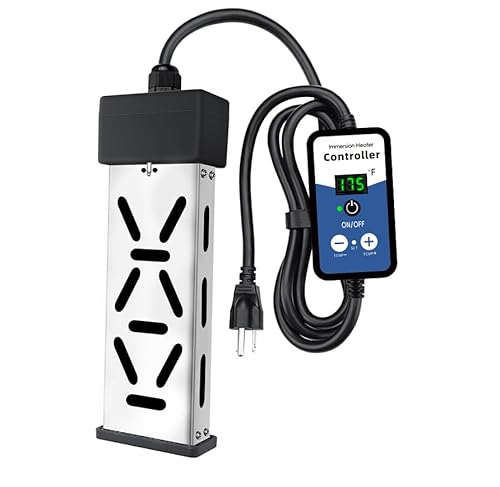
Portable Immersion Water Heater 1800W 120V, Electric Heater for Buckets, Bathtubs and Mini Pools, Submersible Design with Thermostat, Real Time Temperature Display and Dry Burn Protection
Smart Temperature Control With Thermostat: This immersion water heater features smart temperature control with an adjustable thermostat. Set…
As an affiliate, we earn on qualifying purchases.
As an affiliate, we earn on qualifying purchases.

Bio Ouster 3in1 Weekly Cold Plunge Water Treatment – Cleaner, Clarifier, and Softener for Cold Plunge and Ice Bath – Water Stabilizer for Fresh, Crystal Clear Water – Made in USA (32oz)
3-in-1 Weekly Treatment: This cold plunge water treatment combines a powerful cleaner, clarifier, and softener in one formula,…
As an affiliate, we earn on qualifying purchases.
As an affiliate, we earn on qualifying purchases.