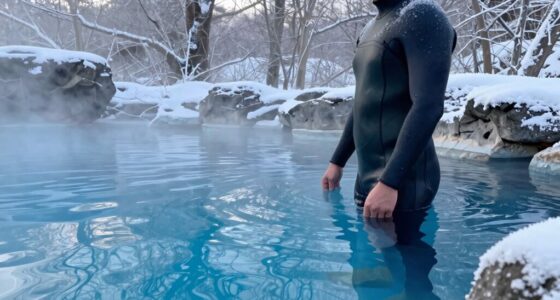

Cold exposure can stimulate certain immune responses, like increasing blood flow and activating immune cells, and some studies suggest it may boost resilience or reduce inflammation. However, solid scientific evidence is limited and mixed, with many findings being inconclusive. It’s important to understand that cold exposure alone isn’t a magic immune booster, and individual factors play a big role. To find out what’s supported by research and what’s just speculation, explore further.
Key Takeaways
- Scientific evidence on cold exposure boosting immunity is mixed and inconclusive, requiring more research for definitive conclusions.
- Cold exposure may activate immune-related responses like improved blood flow and hormone release, but effects vary individually.
- Practices like cold showers and ice baths show some physiological benefits, yet their direct impact on immunity remains unproven.
- Cold exposure carries risks such as frostbite and hypothermia; proper safety precautions are essential.
- Overall, cold exposure alone is not a proven or reliable method for enhancing immune function; benefits are overstated in some claims.
How Cold Exposure Might Boost Your Immunity: The Science Explained
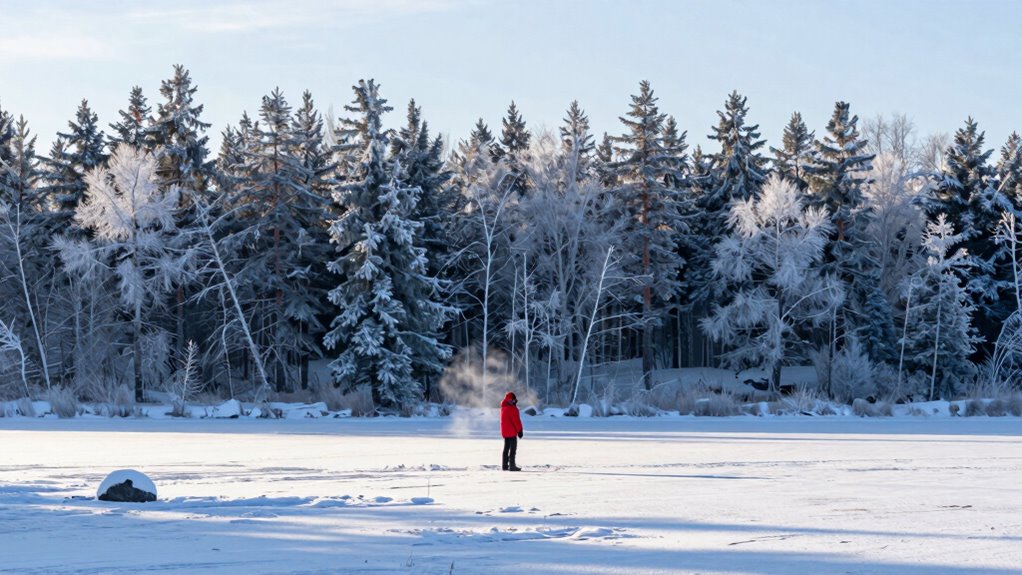
Although cold exposure might seem uncomfortable, research suggests it can actually strengthen your immune system. When you face colder temperatures, your body activates a thermoregulatory response to maintain core temperature. This process involves increasing blood flow and releasing certain hormones that support immune function. Exposure to cold may also help combat seasonal affective disorder by boosting your mood and alertness, which are linked to immune health. These physiological responses can stimulate your body’s defenses, making it better prepared to fight off infections. Over time, regular, controlled cold exposure could enhance your immune resilience by encouraging adaptations that support immune cell activity and reduce inflammation. Additionally, cold exposure may influence immune system regulation, helping to balance immune responses and improve overall health. It may also improve circulatory health, further supporting immune function. Engaging in consistent cold exposure might also promote hormonal balance, which plays a role in immune system regulation. Moreover, cold exposure can activate brown fat, contributing to metabolic health and supporting immune functions. So, while it might feel challenging at first, cold exposure could be a valuable tool in supporting your overall immunity.
What the Research Says About Cold Exposure and Immune Function
Research on cold exposure and immune function shows some promising effects, but the scientific evidence is still limited. While cold therapy may boost certain immune responses, results vary and aren’t conclusive for everyone. It’s important to understand the current evidence before making cold exposure a routine part of your health plan. Additionally, understanding the science behind at-home beauty tech can help you make informed decisions about integrating new health practices.
Cold Therapy Effects
Cold therapy has gained popularity for its potential to boost immune function, but scientific findings present a mixed picture. When you expose yourself to cold, your body may initiate cold adaptation, enhancing your resilience over time. This process often triggers a thermogenic response, increasing heat production to maintain your core temperature. Some studies suggest that regular cold exposure can improve immune markers and promote better recovery. Additionally, air quality can influence overall health, emphasizing the importance of a comfortable environment when considering practices like cold exposure. Proper temperature regulation can be key in maximizing benefits and minimizing risks. Moreover, individual responses vary, and the actual impact depends on factors like duration and intensity. You might experience a sense of invigoration or increased alertness after cold therapy sessions. Yet, it’s essential to approach cold exposure mindfully, as improper practice could cause stress rather than benefits. The science is promising but not definitive, so listen to your body. cold adaptation is a gradual process that may help your body respond better to future cold challenges.
Scientific Evidence Limits
While cold therapy shows promise for enhancing immune function, the scientific evidence remains limited and inconclusive. Studies on cold climate exposure and its impact on the immune system vary widely, making it hard to draw firm conclusions. Some research suggests brief cold exposure may boost immunity, but long-term effects are unclear. Factors like individual health, duration, and temperature play vital roles. To clarify these nuances, consider this table:
| Cold Climate Exposure | Immune System Response | Research Status |
|---|---|---|
| Short-term, mild | Possible boost | Preliminary, limited |
| Long-term, extreme | Uncertain | Inconclusive |
| Moderate exposure | Mixed results | Needs more studies |
Understanding these limits helps you navigate what’s supported by science versus speculation. Recognizing the immune response mechanisms involved can further inform how cold exposure might influence health.
Cold Exposure Practices and What They Claim to Do
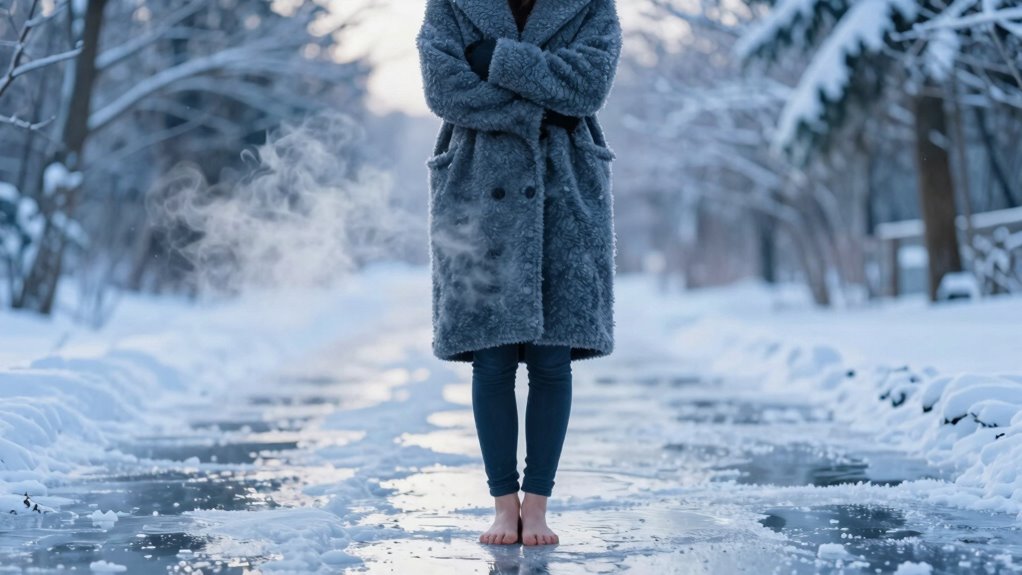
Many people swear by cold showers and ice baths, believing they can boost recovery and strengthen immunity. Cold showers are said to improve circulation and mental clarity, while ice baths claim to reduce muscle soreness after intense workouts. But do these practices truly deliver on their promises, or are the benefits overstated? Scientific research indicates that while some physiological responses are well-understood, the overall impact on immunity remains uncertain and more research is needed to confirm long-term effects. Additionally, understanding the science behind cold exposure can help clarify which claimed benefits are supported by evidence and which are not.
Cold Showers and Benefits
Taking cold showers has become a popular practice for those seeking to boost their health, as proponents claim it offers a range of benefits. These showers can trigger a thermogenic response, helping your body burn more calories by activating brown fat. They also promote hormesis effects, where mild stress encourages your cells to adapt and strengthen. Many believe cold showers improve mental clarity, reduce inflammation, and increase resilience to stress. You might experience a surge of energy or a sense of accomplishment after stepping into icy water. While scientific evidence varies, these benefits appeal to those wanting a simple, natural way to enhance their well-being. Embracing cold showers could be a way to challenge yourself daily and support overall health. Proper air purifier maintenance can help ensure you breathe cleaner air while practicing these health routines.
Ice Baths and Recovery
Ice baths have become a popular method for athletes and fitness enthusiasts to enhance recovery after intense workouts. Many believe that ice bath benefits include reducing inflammation, decreasing muscle soreness, and speeding up recovery. These recovery techniques involve immersing yourself in cold water for 10-15 minutes, which may help flush out metabolic waste and limit swelling. However, evidence on their effectiveness remains mixed. Here’s a quick comparison:
| Aspect | Details |
|---|---|
| Ice Bath Benefits | Reduce soreness, limit inflammation, improve recovery |
| Duration | 10-15 minutes |
| Considerations | Not suitable for everyone, monitor skin responses |
While some swear by ice baths, you should consider personal response and goals when integrating them into your recovery routine. Additionally, understanding psychological factors can influence how effective cold exposure practices feel and their impact on motivation.
Debunking Myths About Cold Exposure and Immunity
Although cold exposure is often promoted as a way to boost immunity, several common myths about its effects are misleading. Don’t fall for the hype—myth busting is essential to understanding what cold can and cannot do for your health. Many believe that simply enduring cold will drastically strengthen your immune system, but this immune myth oversimplifies complex biological responses.
Cold exposure alone does not dramatically boost your immune system.
Some emotional truths to contemplate:
- Believing cold exposure alone prevents illnesses can lead to dangerous complacency.
- Thinking you can outwork your immune system by braving cold may cause unnecessary risks.
- Relying solely on cold exposure as a health shortcut ignores proven prevention methods.
Knowing the facts helps you make smarter, safer choices about cold and immunity.
Is Cold Exposure Safe? Risks and Limitations to Know
While cold exposure can offer certain health benefits, it’s important to recognize that it also carries risks, especially if not practiced carefully. One major concern is cold injury, such as frostbite or hypothermia, which occurs when your body’s temperature regulation fails. Exposure to extreme cold can damage skin and tissues or impair crucial functions if precautions aren’t taken. Even moderate cold can be dangerous for those with underlying health conditions or poor circulation. To stay safe, listen to your body and avoid pushing beyond your limits. Proper clothing, gradual exposure, and monitoring your environment are essential to prevent cold injury. Proper precautions are vital for safe cold exposure practices. Additionally, understanding skin care routines is vital for those with hairless breeds to prevent irritation and maintain healthy skin. Incorporating thermoregulation techniques can further help in managing your body’s response to cold environments and reduce health risks.
How to Safely Try Cold Exposure: Practical Tips
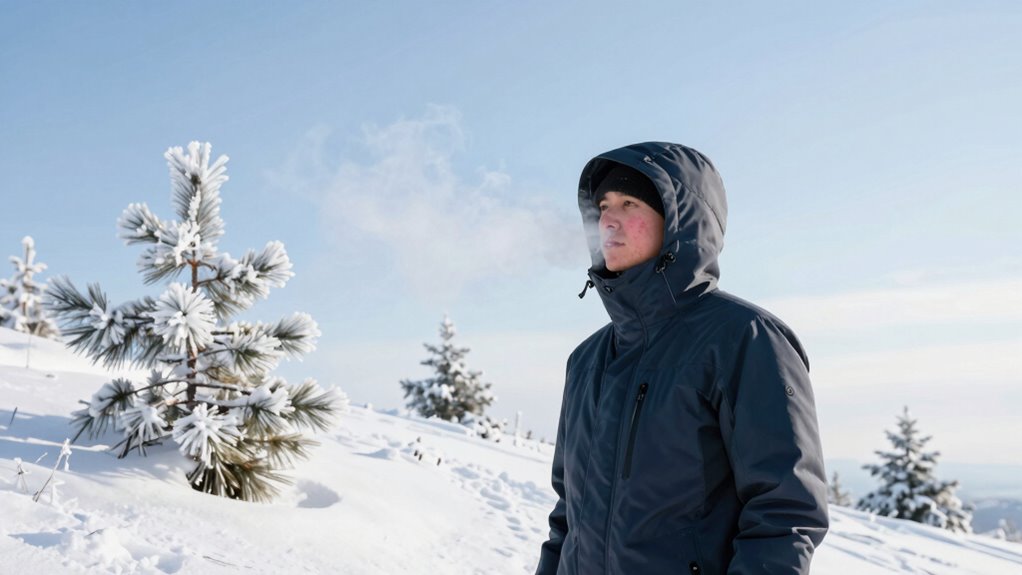
To safely try cold exposure, it’s important to start gradually and listen to your body. Building mental resilience and achieving thermal adaptation takes time, so patience is key. Begin with short, controlled exposure sessions—like splashing cold water on your face or taking cool showers—and gradually increase intensity. Focus on breathing deeply and staying calm to enhance your mental resilience. Always monitor how you feel and stop if you experience discomfort or numbness. Consistency helps your body adapt safely to colder temperatures. Remember, quick jumps into extreme cold can be risky and hinder your progress. Prioritize safety, stay aware of your limits, and give your body time to adapt. Small, mindful steps will help you build resilience without risking your health. Incorporating proper preparation and understanding your body’s responses can further improve your cold exposure practices. Additionally, being aware of your body’s signals can prevent overexposure and potential health issues.
Should You Try Cold Exposure? Key Factors to Consider

Deciding whether to try cold exposure depends on several personal factors. Your current health, experience with cold, and mental resilience play vital roles. If you’re new, start gradually to build cold adaptation safely. Consider your body’s response and consult a healthcare professional if needed. Developing mental resilience can help you withstand discomfort and stay consistent. Use this table to evaluate your readiness:
| Factor | Consideration | Action |
|---|---|---|
| Cold adaptation | How well you tolerate cold now | Start with short, controlled exposures |
| Mental resilience | Your ability to handle discomfort | Practice mindfulness and breathing |
| Health status | Underlying medical conditions | Seek medical advice before starting |
Balancing these factors helps you decide if cold exposure aligns with your goals and safety.
Frequently Asked Questions
Can Cold Exposure Prevent Specific Illnesses Like the Flu?
Cold exposure may help prevent specific illnesses like the flu by promoting cold adaptation and immune modulation. When you regularly expose yourself to cold, your body adapts, potentially strengthening your immune response. This process could increase your resistance to certain infections. However, cold exposure alone isn’t a guaranteed way to prevent the flu, so it’s best to combine it with proven measures like vaccinations, good hygiene, and healthy living.
How Does Cold Exposure Compare to Other Immune-Boosting Practices?
Cold exposure can be effective compared to other immune-boosting practices by promoting cold adaptation and immune modulation. Unlike supplements or vaccines, it challenges your body directly, potentially strengthening your immune response over time. While practices like good sleep and nutrition are essential, cold exposure actively stimulates your immune system, encouraging resilience. However, it’s important to balance exposure carefully to avoid adverse effects, making it a complementary approach rather than a sole strategy.
Are There Age-Related Risks Associated With Cold Exposure?
You should be cautious with cold exposure if you’re older, as age-related vulnerabilities can increase risks like hypothermia or heart strain. Your body’s ability to adapt to cold, or cold adaptation, diminishes with age, making you more susceptible to adverse effects. It is crucial to start gradually and consult a healthcare professional before engaging in cold exposure practices, especially if you have underlying health conditions or reduced cold tolerance.
What Are the Long-Term Effects of Regular Cold Exposure?
Sure, keep chilling regularly, and you might become a cold adaptation ninja, boosting your immune resilience—at least, that’s the hopeful myth. Long-term, consistent cold exposure could improve your body’s ability to handle stress and fight off illness, but definitive proof’s still MIA. So, if you enjoy shivering and want a shot at immune resilience, go ahead; just beware of the unknown long-term consequences lurking in the icy shadows.
How Does Individual Health Status Influence Cold Exposure Safety?
Your personal health critically influences cold exposure safety because immune variability varies from person to person. If you have underlying health conditions or a weakened immune system, you’re more vulnerable to cold-related stress and risks like hypothermia. It’s essential to assess your health status before exposing yourself to cold, as what’s safe for one person might not be safe for you. Always listen to your body and consult a healthcare professional if unsure.
Conclusion
While cold exposure may offer some immune benefits, it’s not a miracle cure and isn’t suitable for everyone. If you approach it cautiously, listen to your body, and consult a healthcare professional if needed, you can safely explore its potential. Remember, consistent habits like good sleep and nutrition are still your best defenses. Don’t rely solely on cold exposure—balance it with proven health practices for a more robust immune system.