
When you’re exposed to cold, your body responds by narrowing your blood vessels through vasoconstriction to conserve heat and keep your core warm. Once the initial response settles, vasodilation occurs to restore blood flow and prevent tissue damage. These adjustments happen automatically and quickly, helping you stay safe. Understanding how these processes work helps you recognize signs of trouble and better manage your body’s reactions to cold environments. Keep exploring to learn more about these essential responses.
Key Takeaways
- Cold exposure triggers vasoconstriction to conserve heat by narrowing blood vessels and reducing blood flow to extremities.
- Vasodilation occurs after initial constriction, increasing blood flow to prevent tissue damage and restore circulation.
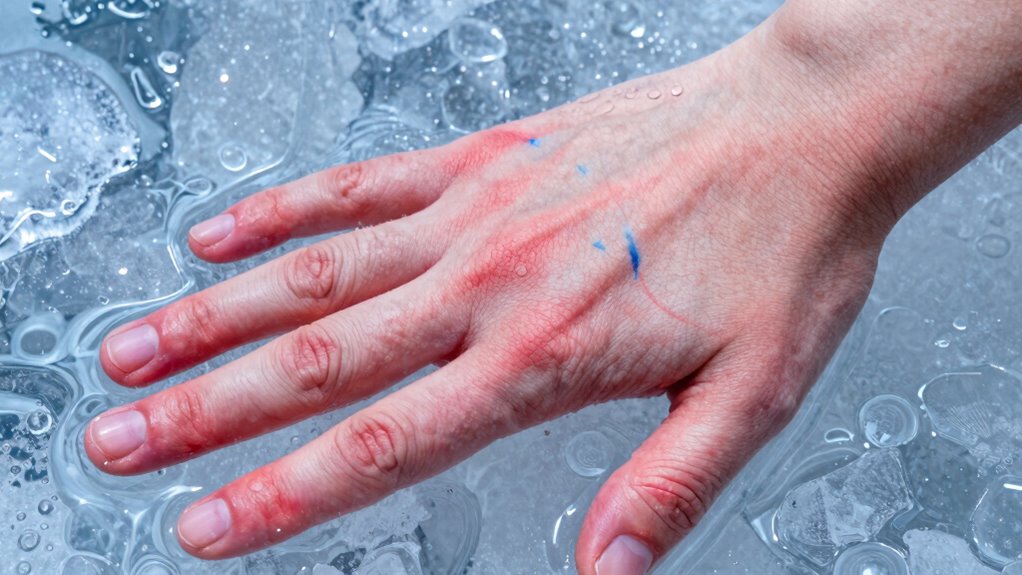
- Signs of vasoconstriction include skin pallor, blue tint, hardness, numbness, or pain indicating compromised blood flow.
- Proper clothing and gradual rewarming promote vasodilation, protecting tissues from frostbite and hypothermia.
- Understanding vascular responses helps prevent cold-related injuries and supports safe management during cold exposure.
What Happens When You’re Cold? How Your Body Reacts
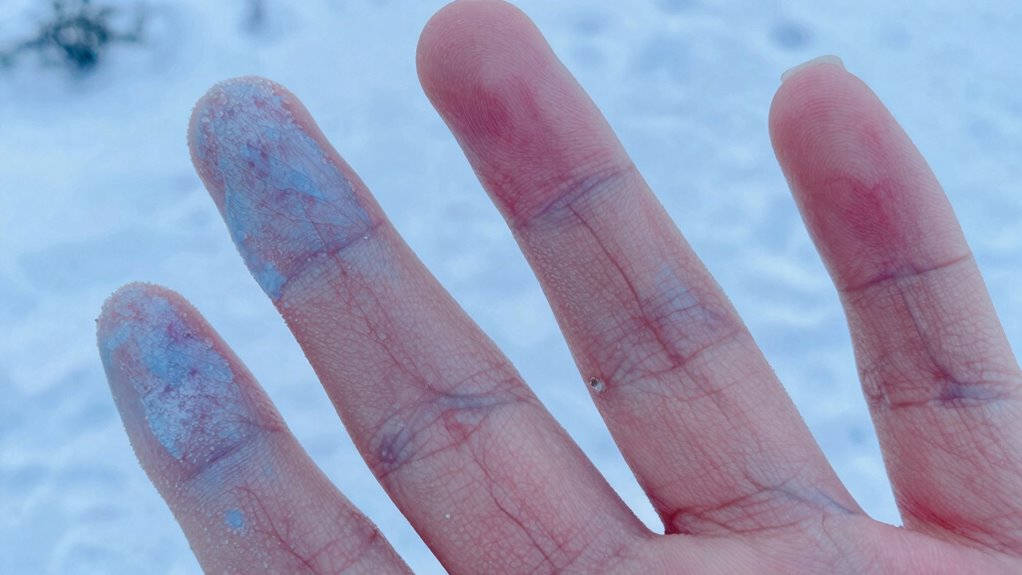
When you’re cold, your body quickly responds to preserve heat by narrowing blood vessels near your skin. This process is part of your thermoregulation mechanisms, which help maintain your core temperature. By constricting peripheral circulation, your body reduces blood flow to the skin, minimizing heat loss to the environment. This vasoconstriction keeps your essential organs warm and functioning properly. You might notice your skin feeling cooler or even turning pale as blood is redirected inward. These responses happen automatically and rapidly, ensuring your body stays within a safe temperature range. Your nervous system senses the cold and triggers these changes to protect you from hypothermia. Additionally, free floating mechanisms may influence blood flow adjustments, allowing for a dynamic response to varying cold exposures. Overall, this reaction is a crucial part of how your body manages temperature in cold conditions. It is also influenced by factors such as vascular tone, which modulates the degree of constriction based on environmental and internal signals. Moreover, the vascular response involves complex interactions between neural and hormonal signals that fine-tune blood vessel behavior during cold exposure. Recent studies suggest that vasoconstriction and vasodilation work together to optimize blood flow and heat conservation depending on the severity and duration of cold exposure. Understanding these processes helps explain how your body adapts swiftly to environmental changes, maintaining balance and preventing damage from extreme cold.
Step-by-Step: How Your Body Responds to Cold Temperatures

As your body detects a drop in external temperature, it immediately activates a series of responses to conserve heat. Blood flow to your skin decreases through vasoconstriction, reducing heat loss and helping with temperature regulation. This constriction narrows blood vessels, directing blood away from your extremities and surface, so more warmth stays in your core. Your nervous system signals these changes quickly, ensuring your essential organs remain protected. Meanwhile, your muscles may slightly tense as a reflex to generate additional heat, further supporting temperature regulation. These coordinated responses happen almost instantly, maintaining your internal temperature and preventing hypothermia. Understanding vasoconstriction helps explain how your body manages rapid temperature shifts and maintains balance. Additionally, vascular adjustments are crucial for your body’s ability to adapt to changing environments and preserve vital functions. The body’s ability to rapidly adjust blood flow is an example of a highly efficient thermoregulatory process, which involves complex blood vessel responses that keep your internal environment stable. This dynamic process is essential for survival in cold environments and demonstrates the body’s remarkable capacity for temperature regulation.
Cold Exposure and Blood Vessel Responses: Benefits and Risks

Cold exposure triggers your blood vessels to constrict, which can offer health benefits like improved circulation and reduced inflammation. This response influences blood flow regulation, supporting vascular health by strengthening vessel walls over time. Additionally, the process can stimulate the release of vasoactive substances that help maintain blood vessel flexibility, contributing to overall cardiovascular resilience. Regular cold exposure may also promote adaptive vascular responses, enhancing your body’s ability to respond to temperature changes. This adaptive capacity is crucial for maintaining vascular homeostasis during fluctuating environmental conditions. Moreover, engaging in controlled cold exposure can help your body develop tolerance to temperature stress, which may improve overall stress resilience. However, it also carries risks if exposure is prolonged or extreme. To understand this balance, consider:
- Enhanced circulation: Cold-induced vasoconstriction can redirect blood flow to essential organs, promoting overall vascular resilience.
- Reduced inflammation: Short-term constriction may decrease inflammatory responses, aiding recovery and immune function.
- Potential risks: Excessive constriction can impair blood flow, risking tissue damage or increased cardiovascular strain, especially in vulnerable individuals. Recognizing these benefits and risks helps you manage cold exposure safely while supporting your vascular health.
Practical Tips to Stay Comfortable and Safe in Cold Weather
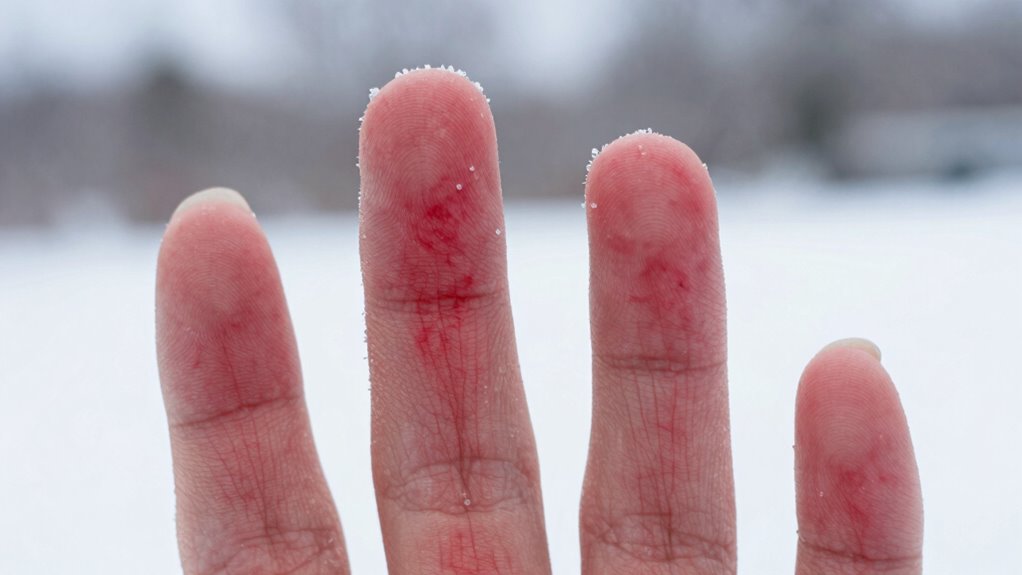
Staying comfortable and safe in cold weather requires proactive measures to protect your body from the risks of prolonged vasoconstriction and hypothermia. Proper clothing strategies and effective thermal insulation are essential. Layering is key: wear a moisture-wicking base, an insulating middle layer, and a waterproof outer shell. Choose clothing materials that trap heat while allowing moisture to escape. Keep extremities covered with gloves, hats, and thermal socks. Here’s a quick guide:
| Clothing Strategy | Recommended Features | Purpose |
|---|---|---|
| Base Layer | Wool or synthetic, breathable | Moisture management |
| Insulation Layer | Fleece or down, snug fit | Heat retention |
| Outer Shell | Waterproof, windproof | Protect from elements |
These strategies help maintain blood flow and prevent excessive vasoconstriction, keeping you warm and safe. Proper Vasoconstriction regulation is vital for maintaining optimal blood flow and body temperature during cold exposure. Additionally, understanding blood flow control can help you better adapt to changing temperatures and prevent cold-related health issues. Being aware of the signs of hypothermia and taking prompt action can also make a significant difference in cold environments. Recognizing how digital distractions can impair your awareness and decision-making in outdoor settings is also important for safety.
When Should You Worry About Your Body’s Cold Response? Signs to Watch For
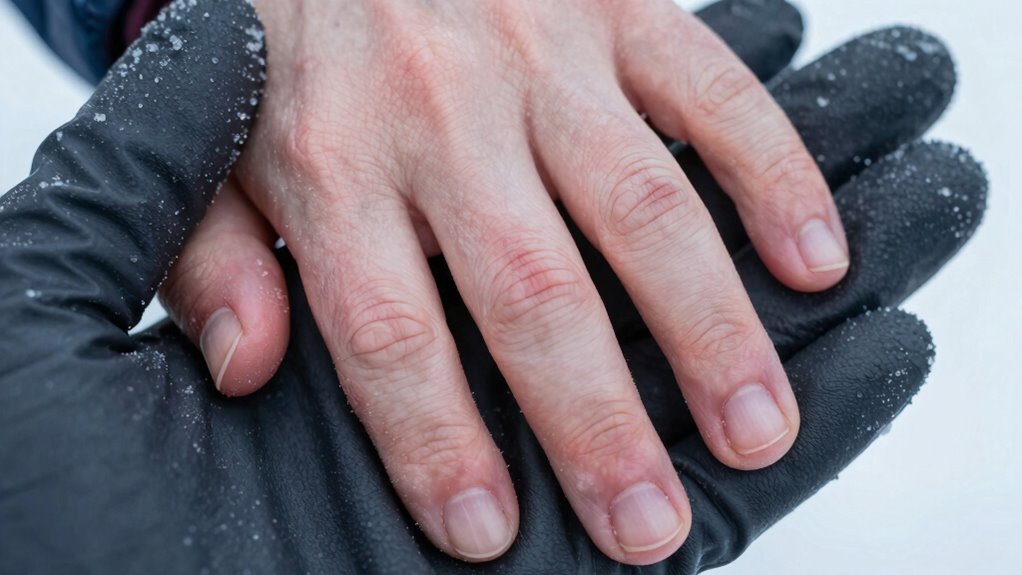
Understanding when your body’s cold response becomes a concern is crucial for your safety. Watch for signs like intense cold shock, which can cause sudden dizziness or numbness. If your fingertips, toes, or nose turn white or blue, it’s a frostbite warning—serious damage may be imminent. Additionally, persistent numbness or skin that feels hard or waxy indicates you should seek shelter immediately. Recognizing proper home heating practices can help prevent cold-related injuries. Being aware of the symptoms of hypothermia is also vital, as it can develop gradually and become life-threatening if not addressed promptly. Paying attention to body temperature regulation can help you avoid dangerous situations, especially in extreme cold conditions. Staying informed about cold exposure effects and understanding how vasoconstriction and vasodilation influence your body’s response can help you respond appropriately and prevent injury. Be alert to these signs, especially if you notice skin discoloration or pain that doesn’t subside.
Frequently Asked Questions
How Does Cold Exposure Affect Blood Pressure Regulation?
Cold exposure causes blood pressure fluctuations by activating thermoregulatory mechanisms in your body. When you’re cold, your blood vessels constrict, increasing blood pressure to maintain core temperature. This vasoconstriction reduces blood flow to the skin, conserving heat. As a result, your body works harder to regulate temperature, and your blood pressure can rise temporarily. Once warmed, vessels relax, and blood pressure levels stabilize.
Can Vasoconstriction Due to Cold Lead to Frostbite?
You should beware because vasoconstriction mechanisms, triggered by cold, can indeed lead to frostbite risk. When blood vessels constrict, blood flow slows, depriving tissues of essential warmth and nutrients. This drastic decrease can cause tissue damage, increasing frostbite chances. So, in chilly conditions, vasoconstriction’s protective purpose can turn perilous, risking frostbite if you don’t protect exposed skin. Stay warm to prevent this dangerous damage.
Are There Long-Term Vascular Health Effects From Repeated Cold Exposure?
Repeated cold exposure can lead to long-term vascular health effects by promoting vascular adaptation, which may enhance your cold resilience over time. However, frequent vasoconstriction might also cause damage to blood vessels if not managed properly. You should pay attention to your body’s responses, as consistent cold exposure can strengthen your circulation, but excessive exposure without proper precautions could increase risks of vascular issues.
How Does Cold-Induced Vasodilation Differ From Exercise-Induced Vasodilation?
Cold-induced vasodilation and exercise-induced vasodilation both enhance blood flow, but they differ in thermal response and blood flow dynamics. During cold exposure, vasodilation occurs as a protective thermal response to prevent frostbite, increasing blood flow after initial constriction. With exercise, vasodilation results from metabolic demands, boosting blood flow to supply oxygen and nutrients. You experience these processes differently, yet both optimize circulation under varying conditions.
What Role Do Individual Factors Like Age and Health Play in Cold Vascular Responses?
Your age and health considerably influence your cold vascular responses. As you get older, age-related changes can reduce your blood vessels’ ability to constrict or dilate effectively, making you more sensitive to cold. Poor health status impacts circulation, potentially impairing these responses further. Staying active and maintaining good health can help support your blood vessels’ flexibility, improving your body’s ability to adapt to cold exposure.
Conclusion
Understanding your body’s response to cold helps you stay safe and comfortable. By recognizing signs of excessive vasoconstriction or vasodilation, you can take action before problems arise. Remember, your body’s reactions are there to protect you—so why not listen and respond wisely? Staying informed and prepared lets you enjoy cold weather without risking your health. Are you ready to embrace the chill safely and confidently?