
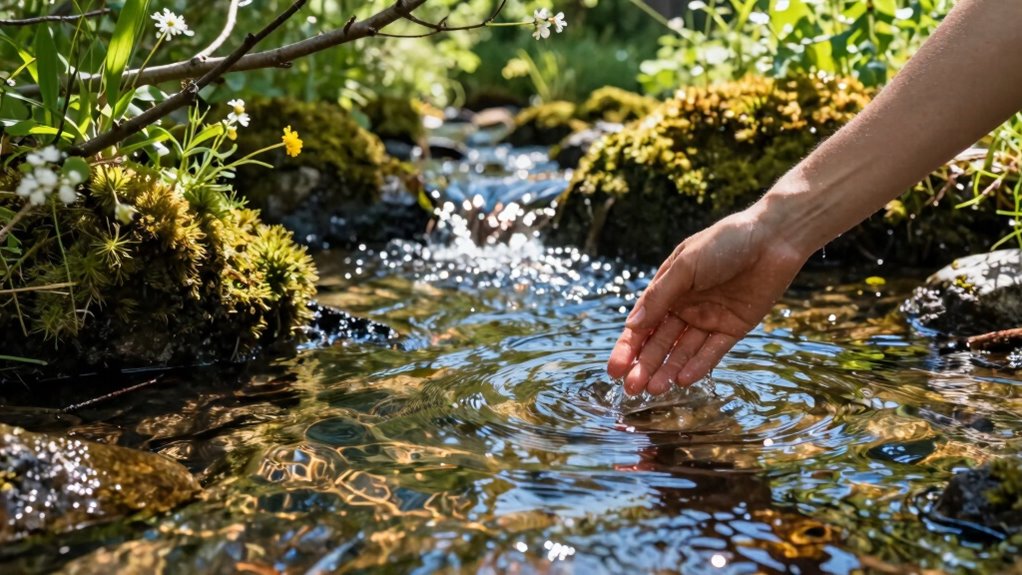

Water temperature is just one aspect of the overall experience because your senses, emotions, and the environment create a much richer connection. The way water interacts with your skin, sounds, textures, and movement all influence your mood and feelings. These subtle sensory details often have a deeper emotional impact than temperature alone. When you understand how these elements work together, you’ll discover why water’s full experience goes far beyond just how hot or cold it is.

Get home appliances delivered free with Prime
- Fast, free delivery on millions of items
- Prime Video, Amazon Music and more included
- Member-only deals all year
Key Takeaways
- Sensory immersion includes touch, sound, and movement, which significantly influence water experiences beyond temperature.
- Emotional responses are often triggered by water’s textures, sounds, and flow, not just its temperature.
- Water’s physical qualities like clarity, ripple, and sound enhance sensory engagement and emotional connection.
- Sensory processing shapes perception, making elements like splash or texture equally important as temperature.
- Full immersion in water fosters emotional journeys, where sensory details create memorable, multisensory experiences.
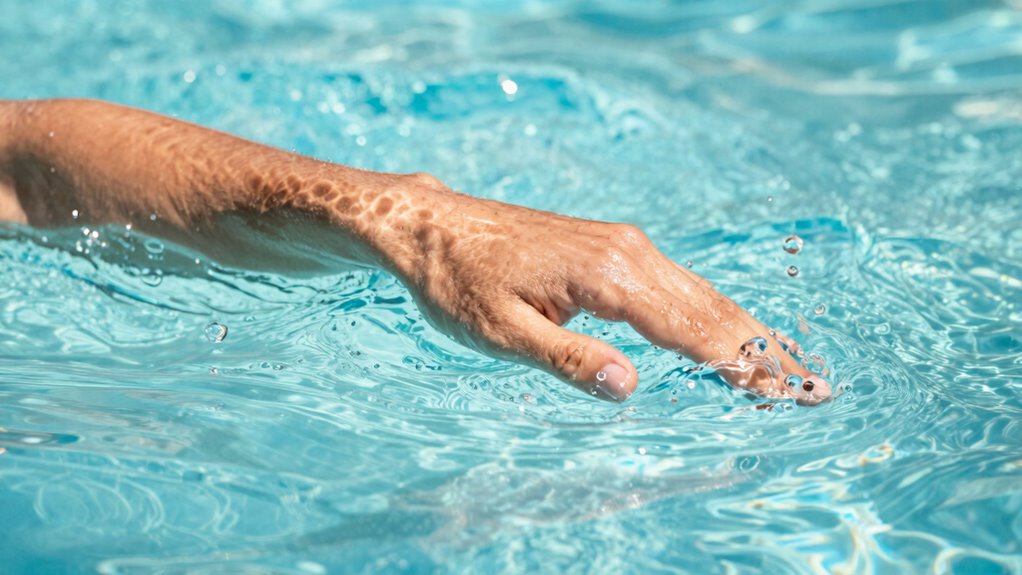
When you think about water-based experiences, it’s easy to focus solely on temperature, but that’s only part of the story. The true richness of these moments lies in sensory immersion—the way water interacts with your skin, your senses, and your emotions. Temperature might set the initial tone, whether it’s the invigorating chill of a mountain stream or the soothing warmth of a bath, but the overall experience is shaped by more subtle factors. The way water flows around you, the sound of splashes, and even the texture of the water itself contribute to a layered sensory experience that goes beyond mere temperature.
Water’s true richness lies in sensory immersion—touch, sound, and movement shaping emotional connections beyond temperature.
As you step into a pool or a hot spring, your senses come alive. You feel the water’s pressure against your skin, the gentle caress or firm embrace that influences your mood. This sensory immersion can evoke a range of emotional responses—calmness, exhilaration, nostalgia, or even a sense of freedom. The emotional impact of water isn’t just about feelings; it’s about the connection you form with the environment. A sudden splash can spark joy, while the warmth of a thermal spring might bring a deep sense of relaxation or comfort. These emotional reactions are often more profound than the temperature itself, rooted in how water engages your senses and triggers memories or sensations.
Moreover, water’s physical qualities—its clarity, movement, and sound—further enhance your experience. The sparkle of sunlight on a clear lake, the rhythmic lapping of waves against the shore, or the gentle ripple of a stream all contribute to a sense of harmony and immersion. When you’re truly engaged, you don’t just notice these details; they become part of your emotional landscape, shaping your mood and your perception of the moment. It’s this full sensory immersion that transforms a simple water experience into something memorable and meaningful. Additionally, sensory processing plays a crucial role in how these elements influence your overall perception and emotional state. Recognizing how sensory input influences emotional responses can deepen your appreciation for the complexity of water experiences.
Understanding the importance of sensory immersion can deepen your appreciation for water experiences, highlighting how they connect us to nature and promote well-being. Ultimately, the emotional impact of water-based experiences isn’t dictated solely by temperature. While temperature sets the initial scene, it’s the sensory details—the textures, sounds, and movements—that deepen your connection and evoke powerful feelings. Recognizing this can help you appreciate water experiences not just as physical sensations but as emotional journeys. It’s about allowing yourself to be fully present, letting the water’s myriad qualities wash over you, and embracing the unique emotional resonance that each moment offers. Additionally, the way water’s physical qualities interact with your senses can influence your overall sense of relaxation or vitality, emphasizing the importance of multisensory experiences.
Products Worth Considering

Levoit Core 600S-P Smart Air Purifier for Large Rooms

LEVOIT Vital Pet Smart Air Purifier

Arlo Ultra 4K HDR Wireless Security Camera (3rd Gen), 3-Camera Kit with SmartHub
As an affiliate, we earn on qualifying purchases.
Frequently Asked Questions
How Does Water Pressure Affect the Overall Bathing Experience?
Water pressure directly impacts your bathing experience by controlling water flow and creating a soothing or intense sensation. High pressure levels provide a vigorous massage, while low pressure offers a gentle rinse. If pressure levels are too low, you might feel frustrated, but if they’re too high, it could be uncomfortable. Modifying the water pressure ensures a balanced, enjoyable bath that meets your preferences and enhances relaxation.
What Role Does Scent Play in Relaxation During a Bath?
Scent plays an essential role in your relaxation during a bath by engaging your senses and triggering aromatherapy benefits. When you breathe in calming fragrances like lavender or chamomile, you activate your nervous system, helping you unwind. Additionally, scent memory association links specific aromas to calming experiences, enhancing your overall relaxation. By choosing the right scent, you create a soothing environment that transforms your bath into a true stress-relief ritual.
How Do Lighting and Ambiance Influence Comfort?
Lighting ambiance and mood lighting considerably influence your comfort during a bath. Soft, warm lighting creates a cozy, relaxing atmosphere, helping you unwind. Dimmer switches allow you to adjust the light intensity, enhancing your mood. Proper lighting eliminates harsh glares, making the space inviting and tranquil. When you control the ambiance with thoughtful lighting, it elevates your overall experience, making your bath feel more soothing and personalized.
Can Water Mineral Content Impact Skin Sensitivity?
Yes, water mineral content can impact your skin sensitivity. Mineral effects like high levels of calcium or magnesium can cause skin reactions, especially if you have sensitive skin. These minerals can strip natural oils or irritate your skin, leading to dryness, itchiness, or redness. Being aware of mineral content helps you choose water that minimizes skin reactions, making your experience more comfortable and enjoyable.
What Are the Effects of Bath Duration on Relaxation?
Bath duration directly impacts your relaxation level, especially when temperature fluctuations occur. Extending your bath time allows you to unwind more deeply, but too long can cause your body to cool down or become overwhelmed. A balanced approach involves a moderate bath extension, ensuring ideal relaxation without risking discomfort from prolonged exposure or temperature shifts. Listen to your body and adjust your bath duration for maximum comfort and stress relief.
Conclusion
Remember, water temperature is just one part of the experience—it’s about feeling the warmth or coolness, embracing the thrill or serenity. It’s about the sensations, the emotions, the memories you create with each splash and ripple. It’s about the connection to the moment, the environment, and yourself. So, plunge in fully, not just with your senses, but with your heart and mind, and let every element of the experience wash over you completely.