
To fit cold exposure around hard training days, plan sessions on lighter or rest days to avoid fatigue or performance interference. Schedule cold therapy a few hours after intense workouts to support recovery without compromising energy. Hydrate well, prioritize quality sleep, and consider gradual exposure to maximize benefits. Balancing cold sessions with proper recovery strategies helps you optimize gains and resilience—keep exploring to discover more personalized scheduling tips.

Get home appliances delivered free with Prime
- Fast, free delivery on millions of items
- Prime Video, Amazon Music and more included
- Member-only deals all year
Key Takeaways
- Schedule cold exposure sessions 2-3 hours after intense training to support recovery without impairing performance.
- Use lighter or rest days for additional cold exposure to promote adaptation and prevent fatigue.
- Avoid cold exposure immediately post-training to minimize interference with muscle repair and energy levels.
- Plan cold sessions during days with lower training intensity to enhance recovery and mental clarity.
- Incorporate proper hydration and sleep routines around cold exposure to maximize recovery benefits.
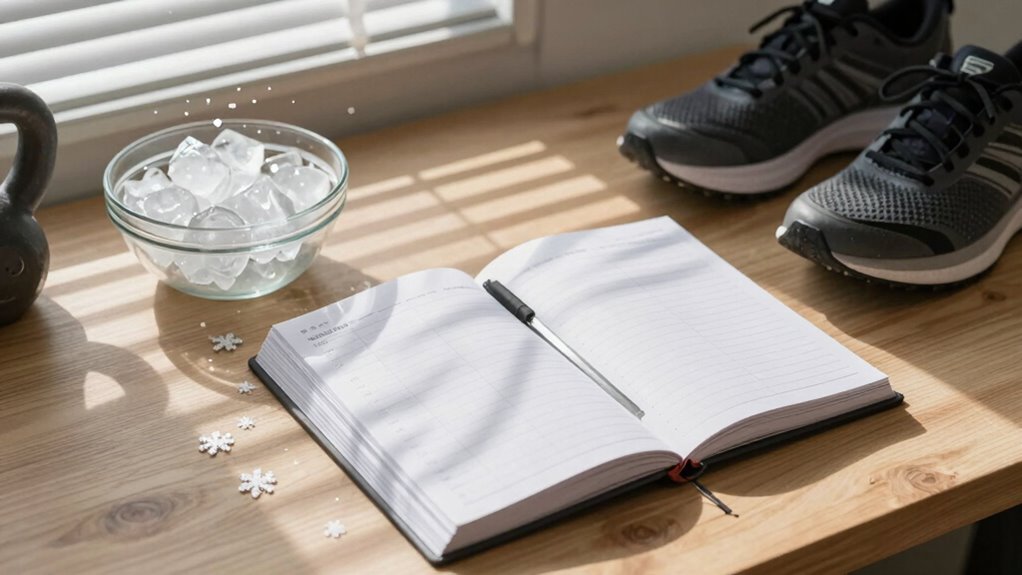
Creating a weekly schedule helps you stay organized and guarantees you make the most of your time. When it comes to fitting cold exposure sessions around your hard training days, planning is essential. Cold exposure can boost recovery, reduce inflammation, and improve mental clarity, but if not timed correctly, it can interfere with your training and recovery processes. To maximize benefits, you need to incorporate effective hydration strategies and prioritize sleep optimization. These elements play a pivotal role in supporting your body’s response to both intense workouts and cold exposure.
Start by mapping out your training days and rest days. On your most demanding days, schedule cold exposure sessions after your workout or later in the day to aid recovery without compromising your energy levels. Cold exposure can help reduce muscle soreness and inflammation, but doing it immediately post-training might be too intense for some. Instead, give your body a couple of hours to settle before exposing yourself to cold. On lighter days or rest days, you can schedule cold exposure sessions at a different time, helping your body adapt gradually while avoiding overtaxing your system.
Schedule cold exposure after intense workouts or later in the day to support recovery without draining energy.
Hydration strategies are essential in this scenario. Cold exposure can cause vasoconstriction, which temporarily limits blood flow, and if you’re not well-hydrated, your recovery might suffer. Make sure to hydrate thoroughly before and after cold sessions, especially if your training was intense. Drinking water infused with electrolytes can help replenish lost minerals and support cellular functions. Proper hydration also aids sleep quality, which is crucial for recovery. When your sleep is optimized, your body more efficiently repairs tissues and manages inflammation, making cold exposure more effective. Additionally, understanding the importance of timing cold exposure can help maximize its benefits without hindering recovery.
Sleep optimization should be a cornerstone of your weekly schedule. Hard training days demand better sleep quality for muscle repair and mental resilience. Create a bedtime routine that promotes relaxation—avoid screens, keep your room cool, and consider calming activities like stretching or meditation. Consistent sleep times reinforce your body’s circadian rhythm, ensuring you wake up refreshed and ready for the next session. Adequate sleep enhances your body’s ability to adapt to cold exposure, as it supports immune function and reduces stress hormones that could hinder recovery.
As an affiliate, we earn on qualifying purchases.
Frequently Asked Questions
Can Cold Exposure Replace Active Recovery Sessions?
Cold exposure can’t replace active recovery sessions, but it can complement them. While cold adaptation helps reduce inflammation and boost mental resilience, active recovery promotes blood flow and muscle repair. You should incorporate both into your routine, using cold exposure on rest days or after hard sessions to enhance resilience without sacrificing the benefits of active recovery. Balancing both strategies optimizes your training and recovery process effectively.
How Long Should Cold Exposure Sessions Last?
Imagine a chilly river flowing steadily—your cold exposure session should be just as controlled. For ideal session length, stick to 10-15 minutes, following duration guidelines that prevent overdoing it. Longer sessions might cause discomfort or adverse effects, while shorter ones won’t yield benefits. Keep it consistent, listen to your body, and adjust as needed to maximize recovery and adaptation without risking unnecessary stress.
Is Cold Exposure Safe for Beginners?
Yes, cold exposure can be safe for beginners if you follow safety precautions and beginner tips. Start with short sessions, like a minute or two, and gradually increase duration as your body adapts. Always listen to your body, avoid extreme cold, and consult a healthcare professional if you have health concerns. Staying cautious guarantees you benefit from cold exposure without risking injury or adverse effects.
What Are the Best Times of Day for Cold Exposure?
Think of cold exposure as tuning your body’s clock; the timing considerations matter. You’re best to practice it in the morning or early evening, fitting it into your daily routines when your body is most receptive. Morning cold exposure can energize you for the day ahead, while evening sessions may promote recovery. Avoid mid-afternoon when your body’s temperature fluctuates, ensuring you get the most benefit from your cold exposure sessions.
How Does Cold Exposure Impact Sleep Quality?
Cold exposure can disrupt your sleep by interfering with thermal regulation, making it harder to fall asleep or stay asleep. You might experience sleep disruptions if you expose yourself to cold too close to bedtime or in extreme conditions. To improve sleep quality, try scheduling cold exposure earlier in the day, allowing your body to recover and reset its thermal regulation, helping you sleep more soundly at night.
As an affiliate, we earn on qualifying purchases.
Conclusion
So, after all this, it’s amusing how something as simple as cold exposure, when cleverly timed around tough training days, can make you feel like you’re cheating the system. You spend hours pushing your limits, only to find that a brisk dip might just be your secret weapon—and your sneaky way of recovering faster. Irony at its finest: the chill that cools your nerves might just heat up your gains. Who knew cold could be so clever?
sleep aid supplements for recovery
As an affiliate, we earn on qualifying purchases.
As an affiliate, we earn on qualifying purchases.
As an affiliate, we earn on qualifying purchases.
Columbus Day / Indigenous Peoples' Day Picks
long weekend sales
As an affiliate, we earn on qualifying purchases.