

Cooling down with gentle cold exposure, like cool showers, is often enough to help recovery, reduce inflammation, and boost circulation without the risks associated with extreme cold plunges. You don’t need to immerse yourself in extreme cold unless you’re dealing with serious inflammation or high-intensity workouts. Switching to milder cold methods can keep you safe and still provide many benefits. If you want to know when and how to use cold therapy effectively, keep exploring this topic.

Get home appliances delivered free with Prime
- Fast, free delivery on millions of items
- Prime Video, Amazon Music and more included
- Member-only deals all year
Key Takeaways
- Cooling down offers gentle, moderate cold exposure suitable for recovery without the risks associated with extreme cold plunges.
- Use cooling down after less intense workouts or minor inflammation to safely reduce body temperature and muscle stiffness.
- Cold plunges are best reserved for severe inflammation, muscle soreness, or intense training sessions requiring deeper cold therapy.
- Recognize personal health and safety signs; skip extreme cold dips if experiencing dizziness, numbness, or underlying health issues.
- Moderate cold therapies can be practiced regularly, providing benefits without the need for extreme cold exposure.
As an affiliate, we earn on qualifying purchases.
What’s the Difference Between Cooling Down and Cold Plunges?

While both cooling down and cold plunges involve exposure to cold temperatures, they serve different purposes and are practiced differently. Cooling down typically involves gentle cold exposure, like a cool shower or a brief rinse, aimed at temperature moderation rather than extreme cold. It helps lower your body temperature gradually after activity, aiding recovery and reducing heat stress. Incorporating safe practices is essential when engaging in any cold exposure technique, especially for beginners. Cold plunges, on the other hand, immerse you in much colder water, often below 60°F (15°C), providing intense cold exposure. This method is used for more immediate, targeted benefits, like reducing inflammation or muscle soreness. The key difference lies in intensity and purpose: cooling down moderates temperature safely, while cold plunges deliver a more extreme cold stimulus for specific recovery goals. Understanding appropriate duration and gradual adaptation can help maximize benefits while minimizing risks. Additionally, paying attention to body response during cold exposure ensures safety and effectiveness.
As an affiliate, we earn on qualifying purchases.
When Is Mild Cold Therapy Enough for Recovery?
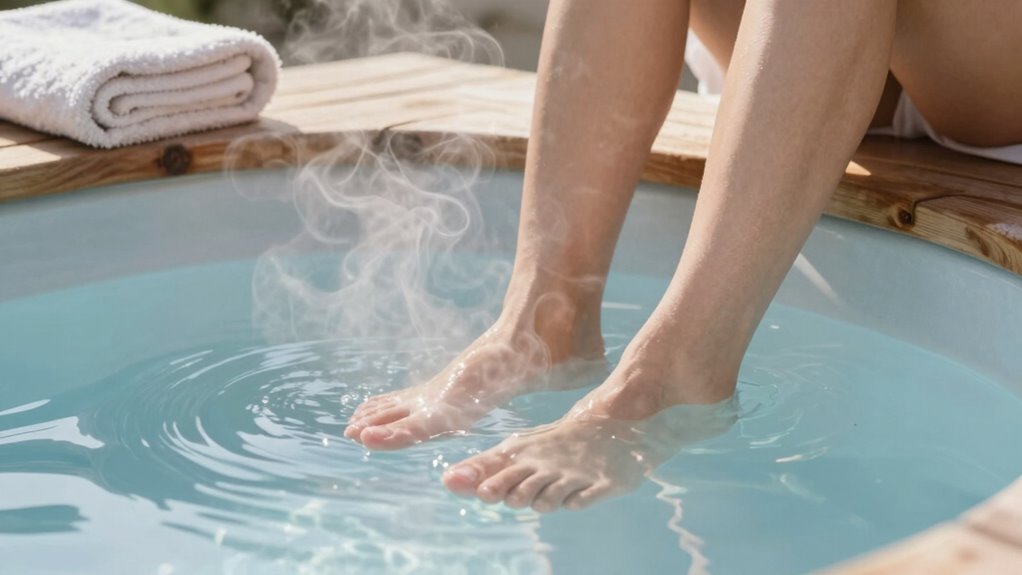
Mild cold therapy is often sufficient for recovery when your workout intensity is moderate or when you’re looking to promote quicker muscle relaxation without the stress of extreme cold. Many cold therapy misconceptions suggest that more extreme cold is always better, but mild cold benefits can be just as effective for minor inflammation and soreness. This approach to recovery reduces discomfort and risk, making it suitable for everyday recovery. If your activity didn’t push you to the limits, a gentle cold exposure can help decrease muscle stiffness and promote blood flow without overstressing your body. Understanding cold therapy best practices can further enhance your recovery process. Recognizing appropriate cold exposure levels ensures you avoid overexposure and maximize benefits. Incorporating tailored cold strategies based on your activity level can lead to more effective and safer recovery outcomes. Additionally, applying energy-efficient cooling techniques aligns with sustainable recovery methods and minimizes environmental impact.
As an affiliate, we earn on qualifying purchases.
What Are the Benefits of Gentle Cold Exposure Compared to Extreme Cold?

Gentle cold exposure offers several key benefits over extreme cold, especially for those seeking safe and effective recovery. It provides cold comfort without the risks of hypothermia or overstimulation. The gentle benefits include improved circulation, reduced inflammation, and enhanced mood with less stress on your body. You can experience these benefits regularly without the need for extreme cold shocks. Incorporating air quality considerations can further optimize your cold exposure routine by ensuring a healthy environment. Additionally, choosing appropriate cold plunge systems can help maintain consistent and safe temperatures for gentle exposure. Understanding the contrast ratio of your cooling system can also influence how effectively your body responds to the temperature. Embracing a curious mindset can encourage experimentation with different approaches to cold exposure, making it a more engaging and beneficial practice.
As an affiliate, we earn on qualifying purchases.
How Do You Know When to Skip the Cold Plunge?

If you start feeling dizzy, extremely fatigued, or notice signs of overexertion, it’s time to skip the cold plunge. Also, consider any health conditions that could worsen with cold exposure, like cardiovascular issues. Pay attention to the water temperature and duration—if they’re too intense, it’s best to hold off. Remember that home comfort & air quality techniques can help create a more relaxing environment without the need for extreme cold. Incorporating smart appliances designed for climate control can provide gentle cooling options tailored to your comfort level. Additionally, understanding field‑of‑view and imaging‑scale considerations can help you make safer choices about cold exposure in outdoor or controlled environments. Being aware of privacy policies related to online guides or apps can also ensure your personal data remains protected when researching or managing your cold therapy routines. For personalized guidance, consulting with a healthcare professional about your essential oils use may prevent adverse reactions during cold therapy.
Signs of Overexertion
Knowing when to skip the cold plunge is essential to prevent overexertion. If you’re feeling signs of exercise fatigue, it’s a clear indicator you should hold off. Overexertion can lead to dizziness, muscle weakness, or a racing heart, which aren’t ideal conditions for plunging. Additionally, if you’re dehydrated or notice your hydration needs aren’t met, it’s best to skip the cold therapy until you’ve replenished your fluids. Pushing through extreme tiredness or dehydration can increase your risk of adverse reactions, like lightheadedness or chills. Listen to your body—if you feel overly exhausted or unsteady, delaying the cold plunge is the safest choice. Recognizing these signs helps you enjoy cold exposure without risking your health or recovery.
Health Conditions to Consider
Certain health conditions can make cold plunges risky, so it’s important to recognize when you should skip them. If you have cardiovascular risks, such as high blood pressure or heart disease, extreme cold can strain your heart and increase the chance of complications. People with skin sensitivities, like eczema or psoriasis, may experience irritation or worsening symptoms from cold exposure. If you’re pregnant or have circulatory issues, it’s best to consult your doctor before trying a cold plunge. Also, those with respiratory conditions should be cautious, as cold water can trigger breathing difficulties. Knowing your health limitations helps prevent adverse reactions. Auditory processing challenges can sometimes affect how individuals experience sensory stimuli, including cold environments. When in doubt, prioritize safety and seek medical advice to determine if a cold plunge is suitable for you.
Temperature and Duration
Monitoring your body’s response is key to determining when to skip a cold plunge. If you notice signs of excessive discomfort, numbness, or shivering beyond a few minutes, it’s a signal to stop. Proper temperature regulation is essential; plunging into water that’s too cold can overwhelm your system. Follow duration guidelines—generally, 1 to 3 minutes is sufficient for most people. If you start feeling dizzy, overly cold, or unwell, it’s best to exit early. Pay attention to how your body reacts during and after the plunge. Remember, the goal is to enjoy the benefits without risking overexposure. Adjust the temperature and duration based on your comfort level and experience, always prioritizing safety over pushing limits. Recognizing the signs of overexposure can help prevent unwanted health issues and ensure a safer experience. Staying aware of your body’s signals and understanding your own limits is crucial for a safe cold plunge experience. Additionally, understanding the Gold IRA markets can help you make informed decisions about your investments outside of cold plunge practices. Being mindful of personal tolerance can help you tailor your cold exposure safely and effectively.
How to Safely Incorporate Mild Cold Therapy Into Your Routine

To safely incorporate mild cold therapy into your routine, start gradually and pay attention to how your body responds. This allows for gradual adaptation and helps prevent discomfort or adverse reactions. Keep a close eye on temperature monitoring to guarantee the water isn’t too cold initially.
Start cold therapy gradually, monitor your body’s response, and avoid water that’s too cold initially.
Here are some steps to follow:
- Begin with lukewarm water and slowly decrease the temperature over several sessions.
- Limit your exposure to 5-10 minutes, then increase duration as tolerated.
- Listen to your body—if you feel numbness or pain, stop immediately.
- Track your responses and adjust the temperature and time accordingly to avoid overdoing it.
Common Myths About Cold Therapy You Should Ignore

Many people believe cold therapy is risky or only for extreme athletes, but that’s a myth. While there are dangers with extreme cold, moderate cold plunges are safe if done correctly. However, it’s important to know when cold therapy isn’t suitable for you to avoid unnecessary health issues.
Cold Therapy Myths
Despite popular beliefs, some common myths about cold therapy don’t hold up under scientific scrutiny. Many think that cold shock from ice baths is dangerous or that cold therapy always speeds up recovery. However, research shows that moderate exposure can be beneficial when used correctly. Here are some myths to ignore:
- Cold therapy causes permanent muscle damage—this isn’t true; it helps reduce inflammation temporarily.
- You must endure extreme cold to see benefits—moderate temperatures often work just as well.
- Cold shock is always harmful—controlled exposure can promote resilience and circulation.
- Ice baths are necessary after every workout—overdoing it can hinder recovery and cause unnecessary stress.
Understanding these myths helps you use cold therapy safely and effectively without unnecessary fears.
Extreme Cold Risks
While some believe that exposing your body to extremely cold temperatures always leads to serious health risks, this isn’t necessarily true when you approach cold therapy responsibly. Cold exposure can be safe if you follow proper safety precautions, such as limiting session duration and listening to your body’s signals. The myth that cold plunges automatically cause dangerous health issues often discourages people from experiencing benefits. In reality, risks are minimal when you gradually acclimate and avoid extreme temperatures beyond your comfort zone. Always consult with a healthcare professional if you have underlying health conditions. Remember, responsible cold exposure involves moderation and awareness. Ignoring these safety precautions can lead to hypothermia or other issues, but when managed correctly, cold therapy can be both safe and beneficial.
When Not To Cold
Cold therapy offers numerous benefits when used responsibly, but there are certain situations where it’s best to steer clear. If you have high temperature sensitivity or mental resilience issues, cold exposure might do more harm than good. Avoid cold therapy if:
- You’re experiencing an acute injury or inflammation, as extreme cold can worsen swelling.
- You have circulatory problems or cardiovascular conditions that make your body struggle with temperature regulation.
- You’re feeling mentally overwhelmed or anxious—cold exposure can heighten stress for some individuals.
- You’re pregnant or have underlying health issues that compromise your body’s ability to adapt to cold stress.
Knowing when not to cold ensures you protect your health while reaping the benefits safely.
Frequently Asked Questions
Can Mild Cold Therapy Still Provide Significant Health Benefits?
Yes, mild cold therapy can still provide significant health benefits. When you incorporate mild cold exposure into your routine, you may boost your circulation, reduce inflammation, and improve your mood. It’s a gentler way to experience the advantages of cold therapy without the stress of extreme cold. Consistent use of mild cold can enhance recovery, increase energy levels, and support your overall well-being, making it a valuable addition to your health regimen.
How Long Should Mild Cold Exposure Last for Effective Results?
For effective results, keep mild cold exposure sessions between 5 to 15 minutes, following general duration guidelines. You should monitor your body’s responses as effectiveness measures; if you notice discomfort or shivering, it’s time to end the session. Staying within this timeframe helps you gain benefits like improved circulation and mood without risking hypothermia or overexposure. Consistency over time enhances these health benefits, so stick to these guidelines regularly.
Are There Any Health Risks Associated With Gentle Cold Therapy?
Think of gentle cold therapy as a double-edged sword—you need to handle it carefully. Generally, it’s safe, but risk assessment is key. You might face allergy concerns or skin sensitivities, especially if you have cold allergies or circulation issues. Always start with short sessions, monitor your body’s response, and consult a healthcare professional if you have underlying health conditions. This way, you enjoy the benefits without risking your health.
Is Cold Therapy Suitable for Everyone, Including Those With Certain Health Conditions?
Cold therapy isn’t suitable for everyone, especially if you have cold sensitivity or certain cardiovascular conditions. You should consult your healthcare provider before starting, as cold exposure can affect blood pressure and heart health. If you’re sensitive to cold or have concerns about cardiovascular safety, opt for gentler methods like cooling down rather than extreme cold plunges. Always listen to your body and prioritize safety.
What Are the Signs That Cold Therapy Is Not Appropriate for My Recovery?
If you notice excessive numbness, persistent pain, or skin irritation, cold therapy may not be right for you. Watch out for overuse concerns, like prolonged exposure leading to tissue damage, and allergy risks such as skin reactions. If symptoms worsen or you experience dizziness, stop immediately and consult a healthcare professional. Trust your body’s signals—if cold therapy causes discomfort or adverse effects, it’s best to avoid it.
Conclusion
Incorporating mild cold therapy can boost recovery without the risks of extreme cold. Did you know that studies show just 10 minutes of gentle cold exposure can reduce inflammation and improve muscle soreness? You don’t always need a cold plunge to reap benefits—sometimes, a simple cool-down suffices. Listen to your body, skip the extreme, and enjoy safe, effective recovery routines. Cold therapy works best when tailored to your needs, not just the hype.
Cold & flu season Picks
humidifiers
As an affiliate, we earn on qualifying purchases.