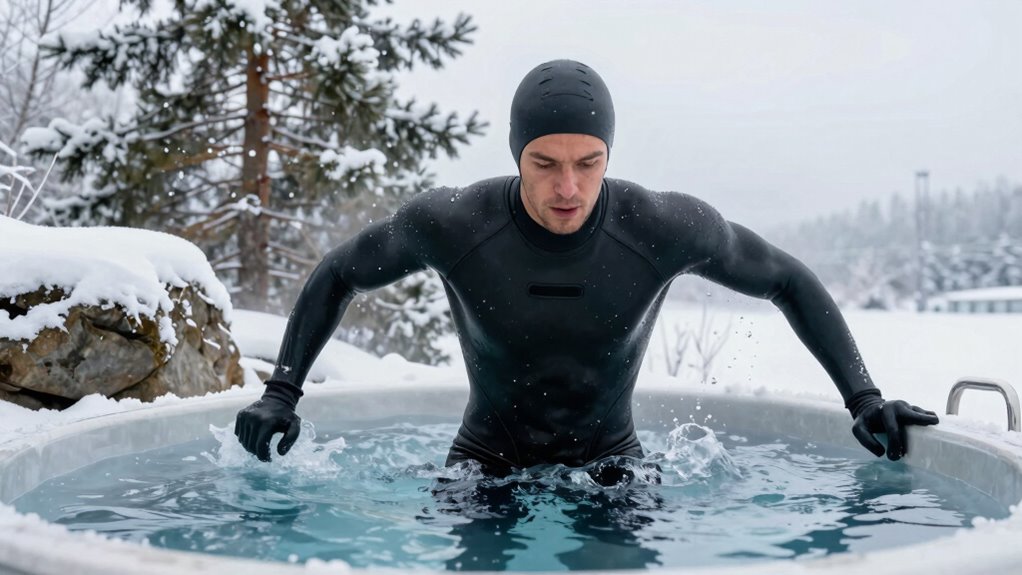
As an endurance athlete, incorporating cold plunges after intense training or long races helps reduce muscle inflammation, speeds recovery, and boosts mental resilience. You should keep water between 50-59°F for about 10-15 minutes to maximize benefits safely. Using cold water regularly can improve your adaptation and performance over time. If you want to discover the best strategies for integrating cold plunges into your routine safely, keep exploring these essential tips.
Key Takeaways
- Use cold plunges immediately after intense endurance workouts to reduce muscle fatigue and inflammation.
- Incorporate 10-15 minute cold immersions during active recovery days to accelerate muscle repair.
- Schedule cold plunges post-strength training to minimize soreness and promote metabolic adaptation.
- Use cold water therapy before endurance events to enhance mental resilience and reduce pre-race anxiety.
- Ensure water temperature stays between 10-15°C and follow safety protocols for effective, safe recovery.
Why Cold Water Immersion Boosts Endurance Performance
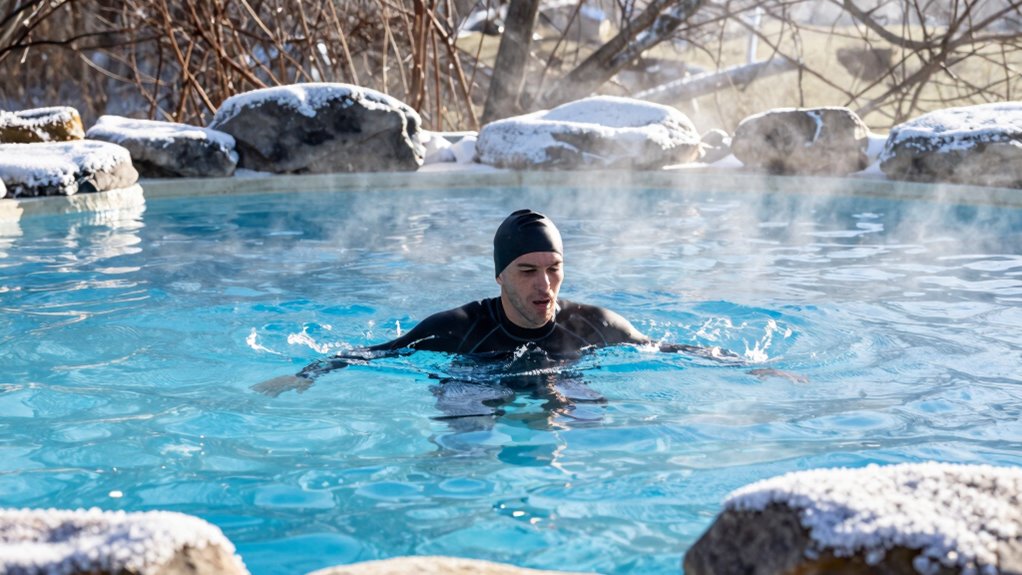
Cold water immersion can markedly enhance your endurance performance by reducing muscle fatigue and speeding up recovery. When you immerse yourself in cold water, it triggers metabolic adaptation, helping your muscles become more efficient at utilizing oxygen and nutrients. This process supports sustained effort during prolonged activity. Additionally, cold immersion reduces inflammation, which often accumulates after intense training, minimizing soreness and preventing injury. The decreased inflammation allows your muscles to recover faster, so you can train more consistently. Cold water immersion also promotes energy-efficient cloud solutions, which aligns with sustainable practices in sports technology and athlete recovery. By managing fatigue and inflammation, cold plunges help maintain your performance levels over time. This combination of metabolic adaptation and inflammation reduction makes cold water immersion a valuable tool for endurance athletes aiming to optimize their training and race outcomes.
How to Incorporate Cold Plunges Into Your Training Routine
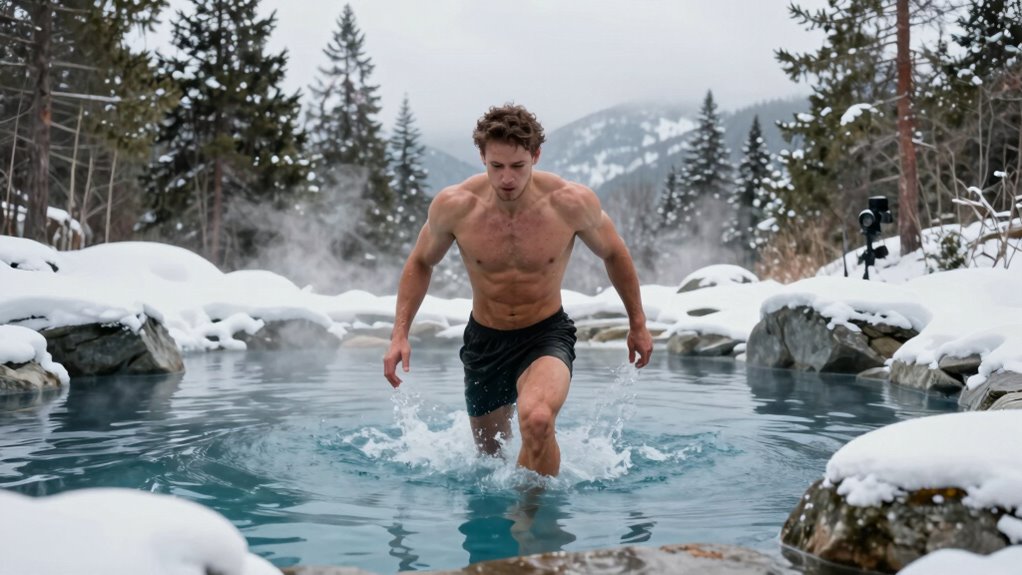
To effectively incorporate cold plunges into your training routine, start by scheduling them immediately after your most intense workouts. This helps maximize recovery techniques and boosts mental resilience. Use cold water immersion for 10-15 minutes to reduce inflammation and muscle soreness. Consistency is key—integrate plunges into your weekly plan, gradually increasing exposure as your body adapts. Consider pairing cold plunges with breathing exercises to enhance mental resilience and focus. Here’s a simple guide:
| Timing | Duration | Focus |
|---|---|---|
| Post-intervals | 10-15 minutes | Accelerate recovery techniques |
| Rest days | 5-10 minutes | Build mental resilience |
| Before long runs | 5-10 minutes | Prepare mentally for endurance |
| After strength training | 10 minutes | Reduce soreness and inflammation |
Incorporating temperature regulation considerations can help optimize the effectiveness of cold plunges by ensuring the water temperature is appropriate for your goals. Monitoring body temperature during and after immersion can also enhance safety and effectiveness. Adjusting the water temperature based on your individual response can further improve results. Paying attention to safety precautions such as gradual exposure and monitoring your body’s reactions is essential to prevent adverse effects. Stick to this routine, and you’ll effectively incorporate cold plunges into your training.
Safety Tips for Cold Water Immersion: What Every Athlete Needs to Know

While cold water immersion offers benefits for endurance athletes, it’s essential to prioritize safety to prevent risks like hypothermia and cold shock. Always monitor your water temperature—keep it between 10-15°C (50-59°F)—to reduce hypothermia risk. Never plunge alone; have someone nearby in case you need help. Limit your immersion time initially and listen to your body’s signals. Follow these safety tips to stay safe: Recognize early signs of hypothermia, like shivering and confusion. Gradually build your tolerance instead of jumping straight into cold water. Avoid water temperatures below recommended levels without proper training. Prepare to exit immediately if you experience numbness or dizziness. Additionally, understanding the importance of Free Floating techniques can help you maintain stability and conserve energy during your immersion. Developing breath control skills can also enhance your endurance and safety in cold water environments. Incorporating local automation strategies, such as setting timers or safety alarms via smart devices, can help you manage your cold plunge sessions more effectively. Using reliable networking hardware can facilitate remote monitoring of your immersion sessions, adding an extra layer of safety. Remember that practicing proper piercing care and hygiene can also prevent infections if you have any body piercings, which is crucial for overall safety during recovery or extended immersion. Taking these precautions ensures you enjoy cold plunges safely and effectively.
When and Why Endurance Athletes Should Use Cold Plunges
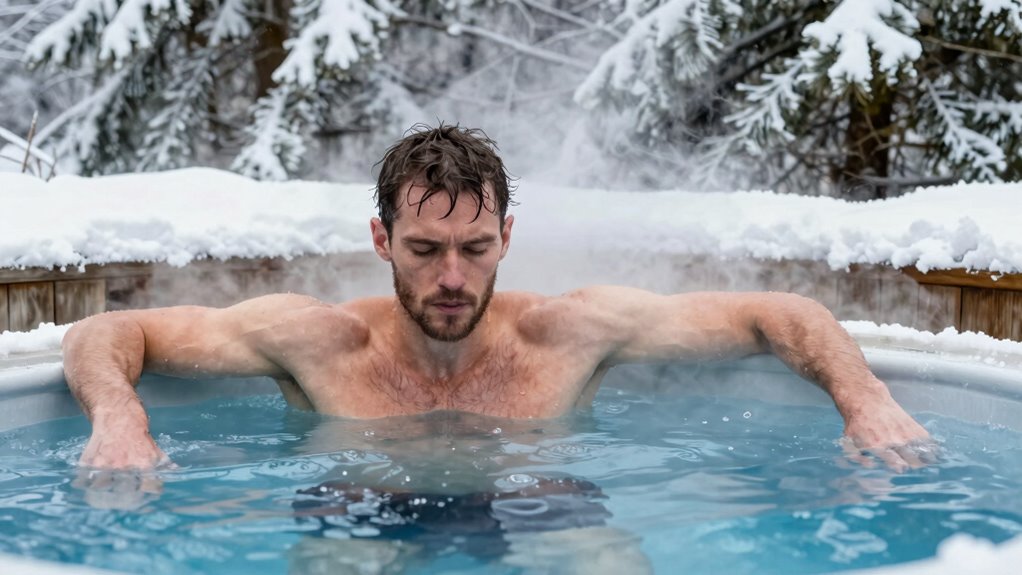
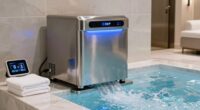
Endurance athletes should incorporate cold plunges into their training routines when aiming to enhance recovery, reduce inflammation, and boost mental resilience. Cold exposure helps speed up muscle repair and minimizes soreness, especially after intense sessions. Use cold plunges strategically—during active recovery days or post-long workouts—to maximize benefits. Additionally, understanding proper safe installation practices ensures the process is both effective and risk-free. Incorporating appropriate equipment can further optimize the experience and outcomes of cold plunges.
Troubleshooting Common Cold Plunging Challenges and Maximizing Benefits
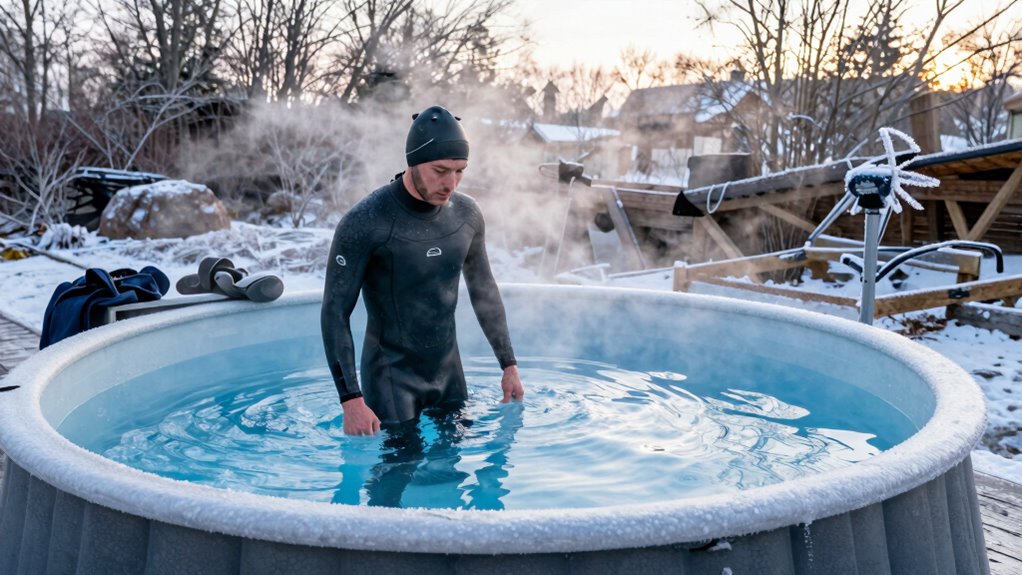
Even with the proven benefits, cold plunging can present some challenges that might hinder your progress if not addressed properly. To maximize recovery strategies and build mental resilience, you need to troubleshoot common issues.
- Struggling with initial discomfort? Gradually increase immersion time to build mental resilience.
- Feeling numb or dizzy? Confirm your temperature isn’t too cold and limit sessions to prevent adverse effects.
- Difficulty staying consistent? Develop a routine to reinforce positive habits and boost mental resilience.
- Not noticing benefits? Track your progress to identify ideal cold plunge durations and temperatures.
- Ensuring proper recovery techniques can further enhance the effectiveness of your cold plunges.
Addressing these challenges helps you refine your approach, enhance recovery, and strengthen mental resilience—making cold plunges a powerful tool in your endurance journey.
Frequently Asked Questions
How Long Should a Typical Cold Plunge Session Last for Optimal Results?
You should aim for a cold plunge duration of about 10 to 15 minutes for ideal timing and benefits. Stick to these duration guidelines to avoid hypothermia or excessive fatigue. Start with shorter sessions if you’re new, gradually increasing as your body adapts. Consistency matters, so incorporate cold plunges into your routine regularly to enhance recovery and endurance. Always listen to your body and adjust the time accordingly.
Can Cold Plunges Replace Traditional Recovery Methods for Endurance Athletes?
Cold plunges can’t fully replace traditional recovery methods, but they can complement them by triggering cold shock responses that reduce inflammation and enhance immune response. You’ll benefit from quicker muscle recovery and improved circulation, but still need rest, hydration, and nutrition. Incorporate cold plunges into your routine strategically, using them alongside your usual recovery practices to optimize endurance and overall performance.
Are There Specific Times of Day When Cold Plunging Is Most Effective?
You’ll find cold plunges work best when you hit the water at specific times. In the morning, they act like a jolt of lightning, boosting your alertness and kickstarting your day’s energy. In the evening, they serve as a gentle tide, aiding your recovery and calming your mind. Whether morning benefits or evening recovery, timing helps you harness the cold’s full potential, making each plunge more effective.
How Does Cold Water Immersion Affect Mental Focus During Training?
Cold water immersion sharpens your mental focus during training by promoting mindfulness enhancement and stress reduction. When you immerse yourself, you become more aware of your body and breathing, helping you stay present. This heightened awareness improves concentration and mental clarity, making your workouts more effective. Additionally, the calming effect reduces anxiety and mental fatigue, allowing you to train with greater focus and resilience.
What Are the Long-Term Effects of Regular Cold Plunging on Athletic Performance?
Regular cold plunging can dramatically transform your athletic performance over time. It accelerates muscle adaptation, helping you recover faster and build resilience. Plus, it balances hormones, boosting your energy and mental clarity. With consistent practice, you might find your endurance skyrocketing and injuries decreasing, making your body a finely tuned machine. This powerful ritual pushes your limits, ultimately revealing peak performance levels you never thought possible.
Conclusion
Incorporating cold plunges into your routine is like giving your muscles a revitalizing wake-up call, helping you recover faster and perform better. By understanding the best timing and safety tips, you can access the full benefits without any setbacks. Think of cold water immersion as a trusted teammate, always ready to support your endurance journey. Embrace it wisely, and watch your resilience and stamina grow stronger with each plunge.