You should avoid compression therapy if you have certain health conditions like deep vein thrombosis, severe arterial disease, or heart failure, which can worsen with compression. Skin issues such as rashes, ulcers, or infections also make it unsafe. Pregnant women, those on blood thinners, or with fragile skin need medical advice before using compression. To guarantee your safety and learn how to decide if it’s right for you, check out the detailed guidelines ahead.
Key Takeaways
- Individuals with circulatory or vascular disorders, such as DVT or severe arterial disease, should avoid compression therapy without medical advice.
- Those with skin infections, open wounds, ulcers, or fragile skin should refrain from compression until cleared by a healthcare professional.
- People with heart conditions like congestive heart failure need medical consultation before using compression garments.
- Pregnant women and individuals on blood-thinning medications should seek healthcare guidance prior to compression therapy.
- Signs of skin irritation, allergic reactions, or worsening symptoms indicate that compression therapy may be unsafe and require medical evaluation.

Medical Compression Socks 20-30 mmHg for Men Women (3 Pairs) – Best Support for All Day Wear, Pain Relief, Circulation
【Pro Gradient Compression】 Made by German medical-grade knitting machines and tested by Swiss professional pressure measurement instruments. Apply…
As an affiliate, we earn on qualifying purchases.
As an affiliate, we earn on qualifying purchases.
What Is Compression Therapy and Who Is It For?
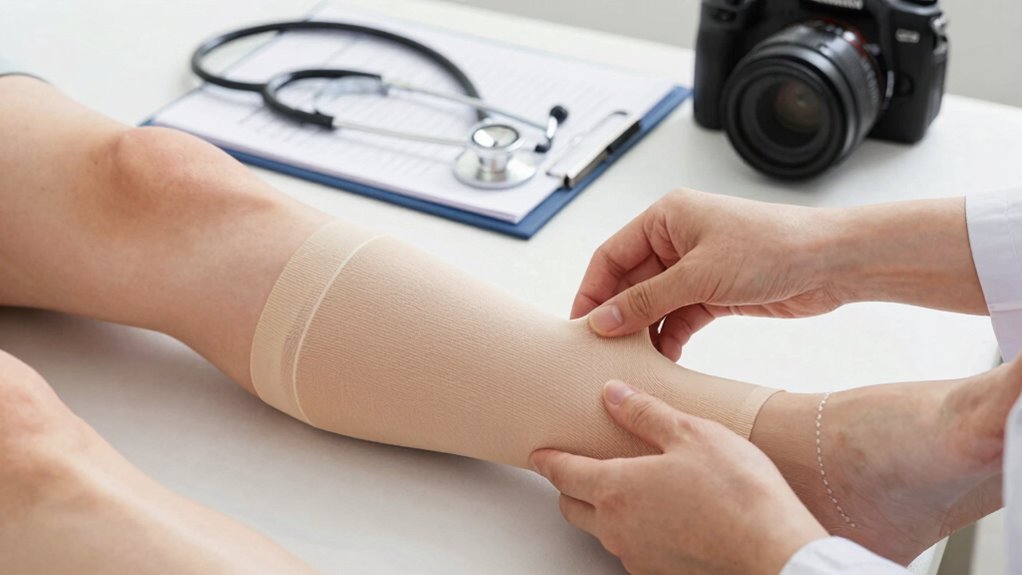
Compression therapy involves applying controlled pressure to your limbs, usually with specially designed stockings or bandages, to improve blood flow and reduce swelling. Many people have heard compression myths, like it’s only for athletes or causes discomfort, but it’s a proven treatment for conditions like varicose veins, edema, and post-surgical recovery. Some consider alternative therapies instead of compression, but these might not address underlying circulation issues effectively. If you have certain medical conditions, compression therapy can be highly beneficial when used correctly. It’s essential to understand who benefits from compression and who might need to avoid it. Consulting a healthcare professional helps clarify if compression therapy suits your needs, dispelling myths and ensuring safe, effective treatment. The role of pressure levels in therapy effectiveness also influences whether compression is suitable for an individual. Additionally, understanding proper application techniques can help maximize safety and benefits while minimizing risks. Knowing your specific medical history is crucial for determining if compression therapy is appropriate for you. Recognizing contraindications is equally important to prevent adverse effects during treatment, and being aware of potential side effects can help in monitoring your response to therapy.
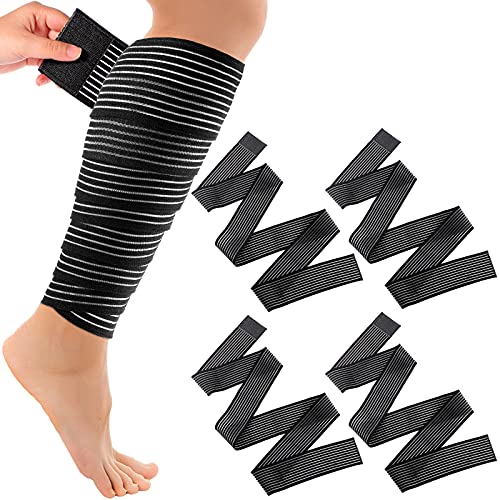
Syhood Compression Bandage Wraps for Leg, Elastic Calf Compression Sleeve Ankle Support, Adjustable Plus Size for Men and Women Stabilising Ligament, Joint Pain, Sports(4 Pieces,71 Inches)
Quantity and size: there are 4 pieces of calf bandage in the package, and the size is 180…
As an affiliate, we earn on qualifying purchases.
As an affiliate, we earn on qualifying purchases.
Medical Conditions That Make Compression Unsafe
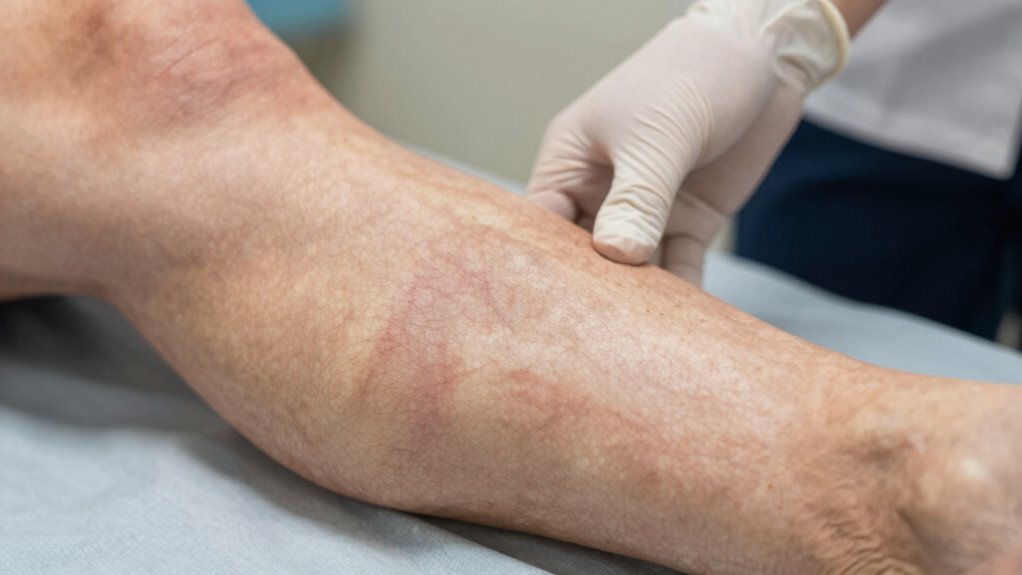
While compression therapy can markedly improve circulation for many, certain medical conditions make its use unsafe. If you have circulatory disorders, like deep vein thrombosis or severe arterial disease, compression could worsen your condition. Skin sensitivities or allergies may lead to irritation or breakdown under compression garments. To visualize, consider this table:
| Circulatory Disorders | Skin Sensitivities | Risks of Compression |
|---|---|---|
| Deep vein thrombosis (DVT) | Allergic reactions | Blood clots or skin damage |
| Severe arterial disease | Skin rashes or ulcers | Worsening circulation or irritation |
| Congestive heart failure | Eczema or dermatitis | Fluid retention or skin breakdown |
| Peripheral arterial disease | Sensitive or fragile skin | Tissue damage or increased discomfort |
Furthermore, proper assessment of medical conditions is essential before initiating compression therapy to ensure safety. Recognizing contraindications can prevent adverse effects and ensure the therapy is appropriate for your specific health situation. Additionally, understanding vascular health helps in making informed decisions about compression use. It is also important to be aware of proper fitting and application techniques to avoid potential complications.

Advanced Aromatherapy: The Science of Essential Oil Therapy
As an affiliate, we earn on qualifying purchases.
As an affiliate, we earn on qualifying purchases.
How to Recognize Signs That Compression Might Be Harmful
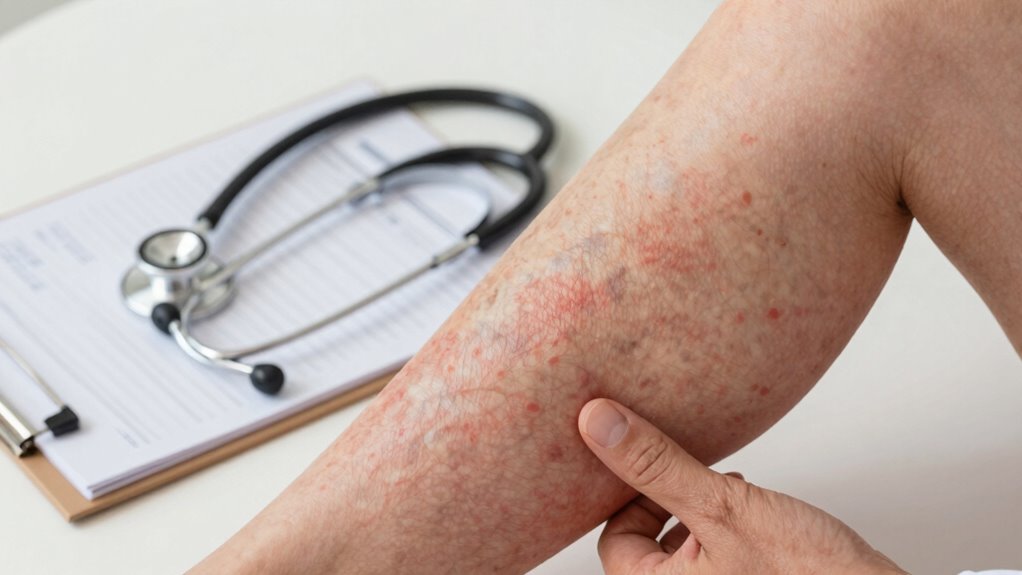
Recognizing signs that compression might be harmful is essential to prevent complications. If you notice signs of allergic reactions, such as increased redness, swelling, or hives, stop use immediately. Skin irritation indicators like persistent itching, burning, or blistering also signal potential harm. Pay close attention to discomfort that worsens over time or feels unusual compared to typical sensations. If your skin becomes tender, inflamed, or shows signs of rash, these are warning signs that the compression may be causing adverse reactions. Always monitor your skin during and after compression therapy. If you experience any of these symptoms, remove the compression device and consult a healthcare professional before continuing. Prompt recognition of these indicators helps avoid more severe issues. Being aware of skin reactions and how your body responds to therapy can greatly improve safety. Additionally, understanding proper sizing and fit can help minimize the risk of adverse effects. Paying attention to material quality can also influence how your skin reacts to compression devices, further supporting safe use. Proper application techniques, including correct pressure levels, are vital to prevent unnecessary complications and enhance comfort.
Amazon Basic Care Medical Compression Stockings for Circulation, Varicose Veins, Edema, Swelling, 20-30 mmHg, Women & Men Thigh Length Hose, Open Toe, Beige, X-Large (Previously NuVein)
Graduated heavy strength 20-30 mmHg hosiery; Unisex opaque fabric; Conceals while it heals ; Use for varicose or…
As an affiliate, we earn on qualifying purchases.
As an affiliate, we earn on qualifying purchases.
Skin Issues and Wounds to Watch Out For Before Using Compression
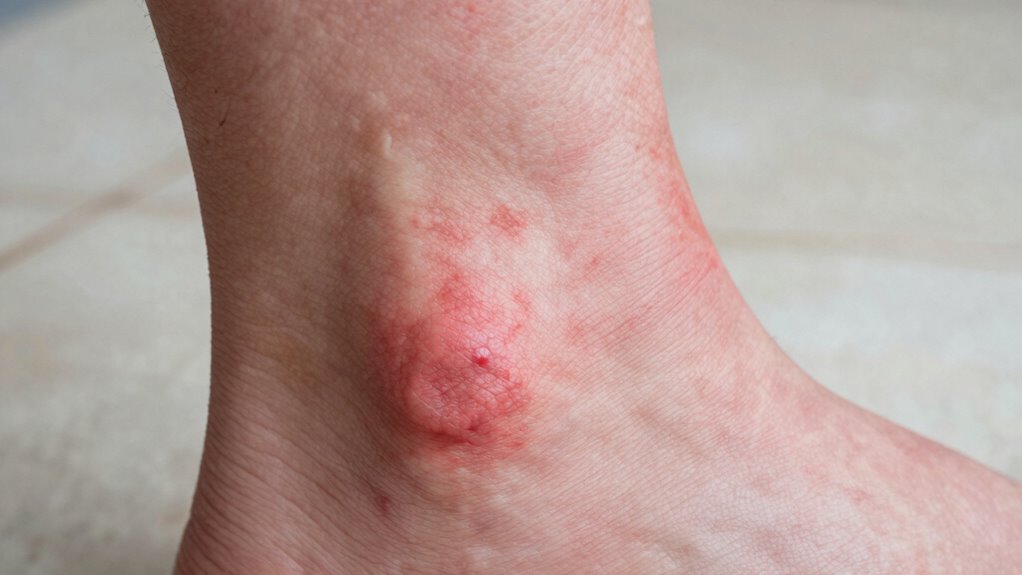
Before starting compression therapy, you should carefully examine your skin for any issues or wounds that could worsen with compression. Skin infections, such as cellulitis or fungal infections, can become more severe under tight bands, so avoid applying compression over infected areas. Also, look out for open wounds, cuts, or ulcers, as compression can hinder healing or cause further damage. Allergic reactions to the compression material, like redness, itching, or swelling, may indicate sensitivity and should be addressed before proceeding. If you notice any skin irritation or signs of infection, consult your healthcare provider before using compression therapy. Ensuring your skin is healthy and free of problematic issues reduces the risk of complications and helps your treatment stay safe and effective. Additionally, checking for sulfate-free options can help prevent further irritation or dryness in sensitive skin. Being aware of skin condition considerations ensures that your therapy remains both safe and beneficial. Recognizing contraindications such as certain skin conditions is crucial for avoiding adverse effects during treatment. Moreover, understanding proper application techniques can enhance both safety and comfort during therapy.
Pregnancy, Medications, and Other Factors That Affect Safety
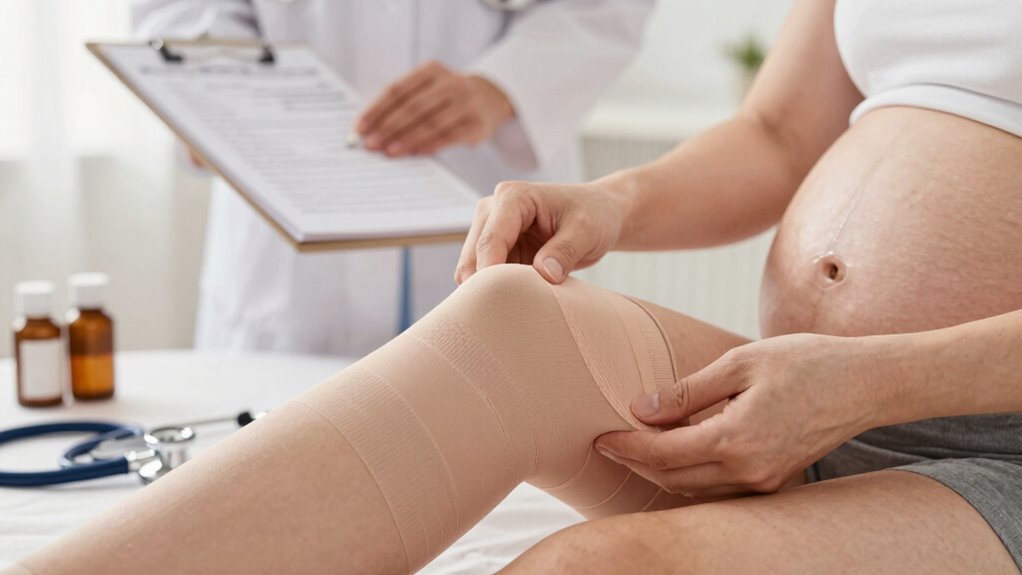
Pregnancy, certain medications, and other health factors can markedly influence whether compression therapy is safe for you. If you’re pregnant, you should follow pregnancy precautions and consult your healthcare provider before starting compression. Compression garments can affect blood flow, so it’s vital to verify they’re appropriate for your stage of pregnancy. Medication interactions also matter—some drugs may increase bleeding risk or cause swelling, making compression unsuitable. For example, blood thinners can amplify bleeding risks, while medications causing skin sensitivity might worsen irritation under compression. Always discuss your medications with your doctor to understand potential interactions. Other health factors, like heart conditions or peripheral arterial disease, also play a role. Proper compression application is essential to prevent complications. Additionally, understanding European cloud solutions can be beneficial for healthcare providers managing patient data securely. Never assume compression is safe without professional guidance, especially when pregnancy or medications are involved.
How to Create a Safety Checklist Before Starting
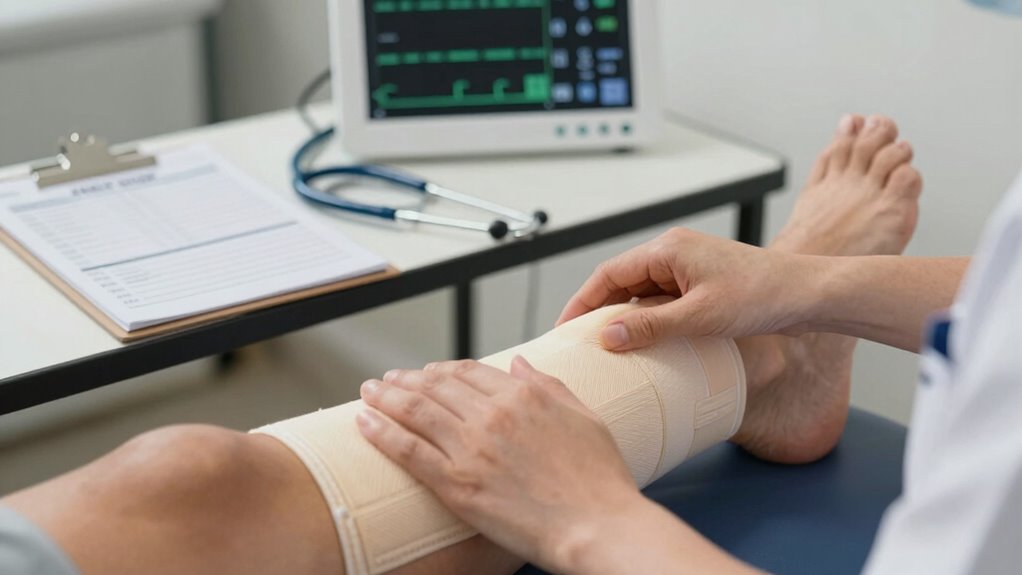
Creating a safety checklist before starting compression therapy guarantees you identify potential risks and set clear guidelines for safe use. Begin by inspecting your skin for any signs of irritation, redness, or previous skin reactions, as these can indicate allergy risks. Check for allergies to materials used in the compression garments, such as latex or certain fabrics. Confirm your skin is clean and dry to reduce the chances of skin reactions. Confirm that your healthcare provider has approved compression therapy if you have existing health conditions. Be alert to any history of allergies or skin sensitivities, and note these in your checklist. Additionally, consider the Mad Tasting of the garments to ensure they are comfortable and suitable for prolonged use. Regularly monitoring your condition and adjusting the compression levels accordingly can prevent complications and ensure the therapy remains safe and effective. Incorporating proper fitting techniques can also enhance safety and comfort during use. By doing this, you minimize the risk of adverse skin reactions and ensure safe, effective treatment from the start.
When to Talk to a Healthcare Professional for Advice
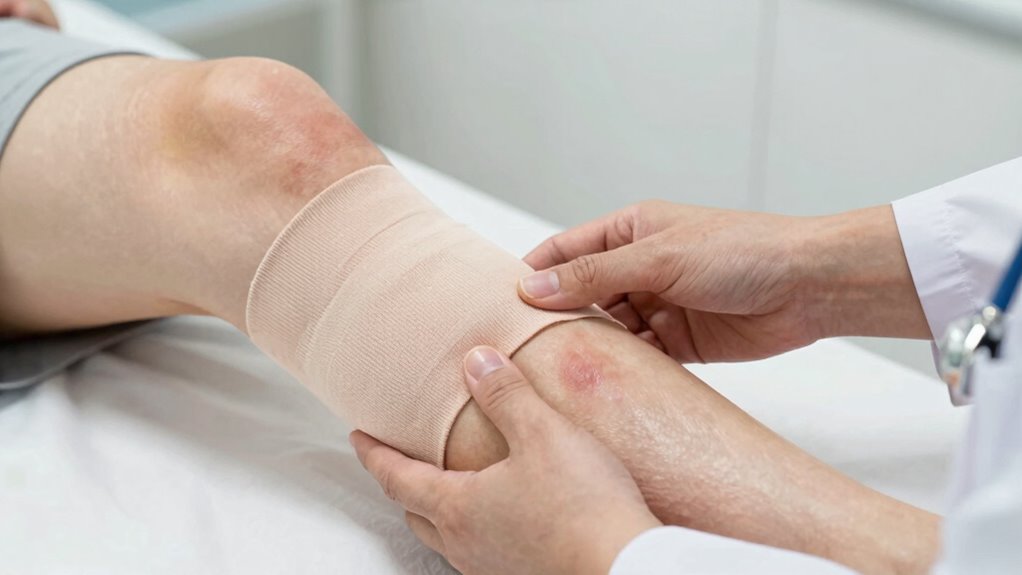
If you notice signs like increased swelling, severe pain, or skin changes, it’s time to consult a healthcare professional. Don’t overlook symptoms that worsen or don’t improve with initial treatment. Seeking advice promptly can prevent complications and ensure safe use of compression therapy.
Recognizing Warning Signs
You should be alert for signs that indicate compression therapy may not be suitable or could be causing harm. Recognizing warning indicators is essential to avoid serious complications. If you experience increased pain, skin discoloration, or swelling that worsens, these could be signs of compression risks. Numbness, tingling, or a feeling of tightness that doesn’t improve may also signal that your body isn’t tolerating the compression well. Persistent skin irritation, blistering, or ulcers should never be ignored. These warning signs suggest that the therapy might be be causing more harm than good. Trust your body’s signals and seek professional advice if you notice any of these indicators. Prompt action can prevent further complications and ensure your safety during treatment.
When to Seek Help
Knowing when to seek help is crucial to guarantee compression therapy remains safe and effective. If you notice any risk factors or emergency signs, contact your healthcare provider immediately. Be alert to:
- Sudden worsening of swelling, pain, or skin changes, which may indicate infection or blood clots.
- Signs of skin irritation, blisters, or ulcers that don’t improve.
- Symptoms like chest pain, shortness of breath, or dizziness, which could signal a serious complication.
Prompt consultation is essential if you experience these issues, as they could worsen or lead to dangerous health problems. Recognizing these warning signs helps ensure you use compression therapy safely and avoid unnecessary risks. Always trust your healthcare professional’s advice when in doubt.
Do’s and Don’ts for Safe Compression Use
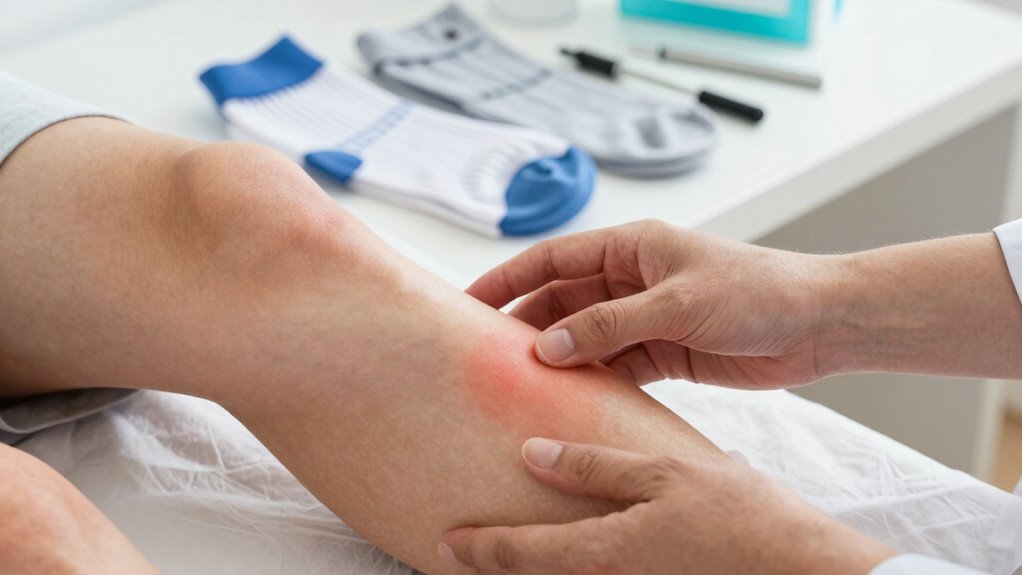
To use compression therapy safely, it is vital to follow specific do’s and don’ts. First, don’t believe every compression myth you hear; some claims about immediate relief or cures are false. Always consult your healthcare provider before starting, especially if you’re considering alternative therapies that might interfere with compression treatment. Do make certain that your compression garments fit properly—too tight can cause more harm, while too loose won’t be effective. Don’t ignore discomfort or skin issues; these are signs to remove the compression and seek advice. Do follow your provider’s instructions on duration and pressure levels. Avoid self-prescribing or adjusting your compression gear without professional guidance, as improper use can lead to complications. Staying informed and cautious guarantees safe, effective compression therapy.
Frequently Asked Questions
Can Children Safely Use Compression Therapy?
Children can safely use compression therapy if pediatric contraindications and child-specific risks are carefully considered. You should consult a healthcare professional to evaluate these factors before starting treatment. Children’s skin is more delicate, and their smaller limb size requires properly fitted garments. Avoid compression therapy if there are signs of skin irritation, infection, or circulation problems. Always prioritize professional guidance to guarantee safety and effectiveness for your child’s needs.
Is Compression Therapy Suitable for Elderly Individuals?
They say “better safe than sorry,” and that’s especially true for elderly individuals considering compression therapy. While it can be beneficial, you should be aware of age-related risks and take proper elderly precautions. Consult a healthcare professional to evaluate potential circulation issues, skin fragility, or other health concerns. With careful monitoring and expert advice, compression therapy can be safe and effective for many seniors.
Are There Specific Signs Indicating Immediate Discontinuation?
If you notice signs warning of increased pain, numbness, tingling, or skin discoloration during compression therapy, you should immediately discontinue use. These symptoms indicate your body isn’t tolerating the compression well and could worsen your condition. Always monitor your response closely, and if any of these signs appear, stop compression therapy right away and consult your healthcare provider to prevent potential complications.
How Does Temperature Affect Compression Therapy Safety?
While compression therapy can be beneficial, temperature sensitivity and thermal risks require caution. Extreme heat increases skin irritation and risks burns, while cold can cause constriction and reduce circulation. You should avoid compression if you have compromised skin or temperature regulation issues. Always monitor skin closely, especially in hot or cold environments, and adjust therapy accordingly to prevent thermal risks that could compromise safety.
Can Athletes Use Compression Garments Without Consultation?
You can wear compression garments as an athlete, but it’s best to consult a professional first. They can advise you on proper fit and usage to maximize athletic performance and injury prevention. Without guidance, you risk applying too much pressure or using unsuitable compression, which could hinder your progress or cause discomfort. Always seek expert advice to ensure your compression therapy supports your goals safely and effectively.
Conclusion
Before starting compression therapy, think of it like walking a tightrope—you need to stay balanced and aware of your body’s signals. If you have certain health issues or skin problems, it’s vital to consult a healthcare professional first. Pay attention to warning signs, and follow a safety checklist to avoid harm. By staying informed and cautious, you can guarantee compression works for you like a helpful guide rather than a risky obstacle.