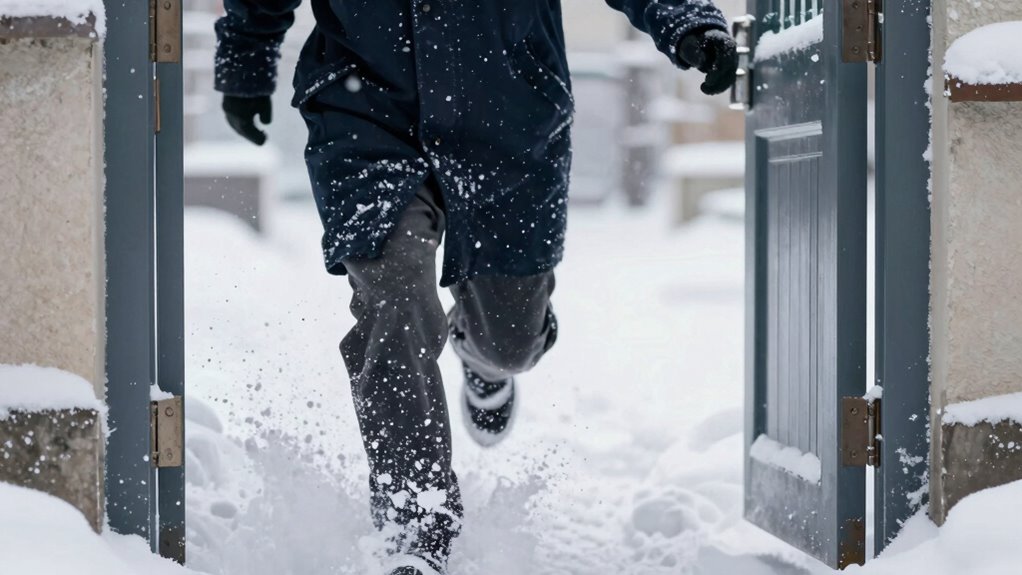

Entering cold exposure too quickly can cause your body to react harshly, risking hyperventilation, dizziness, or even fainting. When you rush in, it overwhelms your nervous and circulatory systems, increasing the chance of cold shock and injuries like frostbite or hypothermia. This sudden response makes it harder for your body to adapt safely. If you want to stay safe and boost your cold resilience, understanding why patience matters is essential. Keep exploring to learn more.
Key Takeaways
- Rapid entry triggers a strong cold shock response, overwhelming the nervous system and increasing risk of dizziness or fainting.
- Sudden cold exposure impairs the body’s ability to regulate core temperature effectively.
- Immediate intense reactions can lead to panic, causing hyperventilation and potential loss of control.
- Rushing in heightens the risk of frostbite or hypothermia by not allowing gradual thermal adaptation.
- Fast entry prevents the body from developing resilience, making subsequent cold exposures more dangerous.
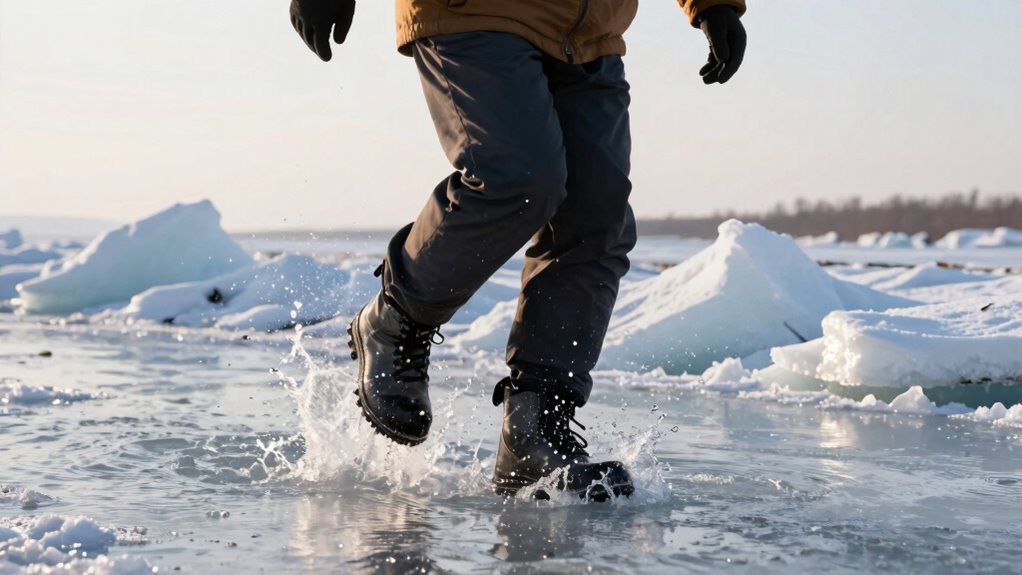
Have you ever rushed into cold exposure without preparing your body? Jumping straight into icy water or cold environments without proper preparation can trigger a dangerous cold shock response. When your body encounters cold unexpectedly, your nervous system reacts by rapidly increasing heart rate, blood pressure, and breathing rate. This sudden activation can lead to hyperventilation, dizziness, or even loss of consciousness. If you’re not ready, these responses can be overwhelming and increase your risk of accidents or cold-related injuries. That’s why it’s essential to approach cold exposure gradually, allowing your body to adjust over time.
One key factor in safely managing cold exposure is understanding thermal adaptation. Your body needs time to develop this adaptation, which involves physiological changes that improve your tolerance to cold. When you expose yourself gradually, your body learns to conserve heat more effectively, improves blood flow to vital organs, and reduces the intensity of the cold shock response. Without this adaptation, the initial shock can be brutal, making your experience uncomfortable and potentially dangerous. Rushing into cold exposure can also impair your body’s ability to regulate core temperature, increasing the risk of hypothermia or frostbite. thermal adaptation is a vital process that can be enhanced through consistent, gradual exposure. Additionally, understanding how nervous system responses influence your reaction to cold can help you better prepare for safe exposure.
Gradual exposure builds thermal adaptation, enhancing cold tolerance and reducing risks like hypothermia and frostbite.
Cold shock isn’t just uncomfortable—it can be life-threatening if it leads to panic or loss of control. If you dive in too fast, your breathing may become erratic, and you might panic, which makes the situation worse. Panicking causes rapid breathing, which can lower carbon dioxide levels in your blood, leading to dizziness or fainting. This is why easing into cold exposure helps you learn to stay calm and breathe steadily, reducing the risk of a cold shock crisis. Developing thermal adaptation over multiple sessions allows your nervous system and circulatory system to become more resilient, so your body responds more calmly and efficiently to cold conditions. Additionally, understanding the importance of gradual exposure can help you build confidence and safety in your cold exposure practices. It’s also helpful to be aware of body signals, so you know when to stop or slow down to prevent overexposure.
Furthermore, proper preparation can significantly reduce the likelihood of adverse reactions and improve your overall experience. To avoid these risks, you should start with short, controlled exposures and gradually increase duration as your body adapts. This approach helps you build resilience without triggering extreme cold shock responses. Remember, patience is key—rushing can undo the benefits of cold exposure and put your safety at risk. By pacing yourself and giving your body time to adapt, you’ll not only enjoy the benefits of cold therapy but also minimize potential dangers. In the end, taking it slow isn’t just safer; it’s the most effective way to harness the positive effects of cold exposure while staying protected from its hazards.

Emergency Blanket Mylar Thermal Space Survival Gear & Supplies 4-Pack Foil
- Thermal Retention: Retains up to 90% of body heat
- Multi-Purpose Use: Ground cover, shelter, hypothermia prevention
- Compact & Lightweight: Folds to small size for easy storage
As an affiliate, we earn on qualifying purchases.
As an affiliate, we earn on qualifying purchases.
Frequently Asked Questions
How Long Should I Stay in Cold Water to Avoid Risks?
You should limit your time in cold water to avoid risks like cold shock and hypothermia prevention. Start with just a few minutes, typically 2-3 minutes, especially if you’re new to cold exposure. Always listen to your body, and exit immediately if you experience numbness, dizziness, or intense shivering. Gradually increase your exposure over time, but never push beyond your comfort zone to stay safe.
Can Gradual Entry Prevent Hypothermia?
Yes, gradual entry helps prevent hypothermia by allowing your body to adapt through cold acclimatization. As you slowly immerse, you build psychological preparedness, reducing shock and panic. This controlled approach gives your body time to adjust to the cold, maintaining core temperature and decreasing risk. By easing into cold water, you enhance your resilience and safety, making cold exposure less dangerous and more manageable.
What Are the Signs of Cold Shock?
You’ll notice cold shock symptoms right away, like sudden gaspings and rapid breathing. Your breathing reflexes kick in unexpectedly, making you feel panicked or breathless. You might also experience muscle spasms or a feeling of disorientation. It’s a natural response to the shock of cold water or air, but staying calm and controlling your breathing can help you manage these signs effectively.
Does Clothing Type Affect Cold Exposure Safety?
Yes, clothing type considerably impacts cold exposure safety. You want clothing with good insulation to retain body heat, especially in cold conditions. Material permeability matters too; waterproof or tightly woven fabrics prevent moisture from entering and reduce heat loss. Wearing layers made of insulating, breathable materials keeps you warm and dry, lowering the risk of cold-related injuries. Choosing appropriate clothing based on insulation and permeability helps you stay safer during cold exposure.
Is There an Age Limit for Cold Water Immersion?
Think of cold water immersion as crossing a rapidly flowing river—you need to know your limits. Age considerations matter because cold exposure regulations often set age restrictions to protect vulnerable groups. Children and older adults face higher risks of hypothermia and shock. Always check local guidelines and consult health professionals before immersing, ensuring safety isn’t overlooked in the rush to experience the thrill.

LOCCEF 2 Pairs Winter Work Gloves Men Women, Thermal Freezer Gloves (XL)
- Warm and Flexible: Two-layer fabric for warmth and flexibility
- Durable and Oil-Resistant: High-quality materials with anti-slip and oil resistance
- Enhanced Grip and Dexterity: Superior grip for dry and humid conditions
As an affiliate, we earn on qualifying purchases.
As an affiliate, we earn on qualifying purchases.
Conclusion
So, next time you plunge into cold water, remember: rushing in might seem brave, but it’s a coincidence that can turn risky. Take your time, ease in gradually, and you might just avoid that unexpected shock to your system. Sometimes, the smallest decision—like pacing yourself—can prevent big surprises. After all, it’s ironic how a quick plunge, which feels daring, can actually put you more in danger than a cautious approach.

Mustang Cold Water Immersion Suit with Harness
- USCG and MED SOLAS Approved: Certified for safety standards
- Polar Code Compliant: Suitable for polar conditions
- Easy to Don in Storms: Quick and simple to wear
As an affiliate, we earn on qualifying purchases.
As an affiliate, we earn on qualifying purchases.

Emergency Winter Warmup Kit for Car, Home and Camping
- Waterproof Standup Pouch: Includes a waterproof ziplock pouch
- Pair of Hand Warmers: Two hand warmers included
- Emergency Blanket: High-quality emergency blanket
As an affiliate, we earn on qualifying purchases.
As an affiliate, we earn on qualifying purchases.