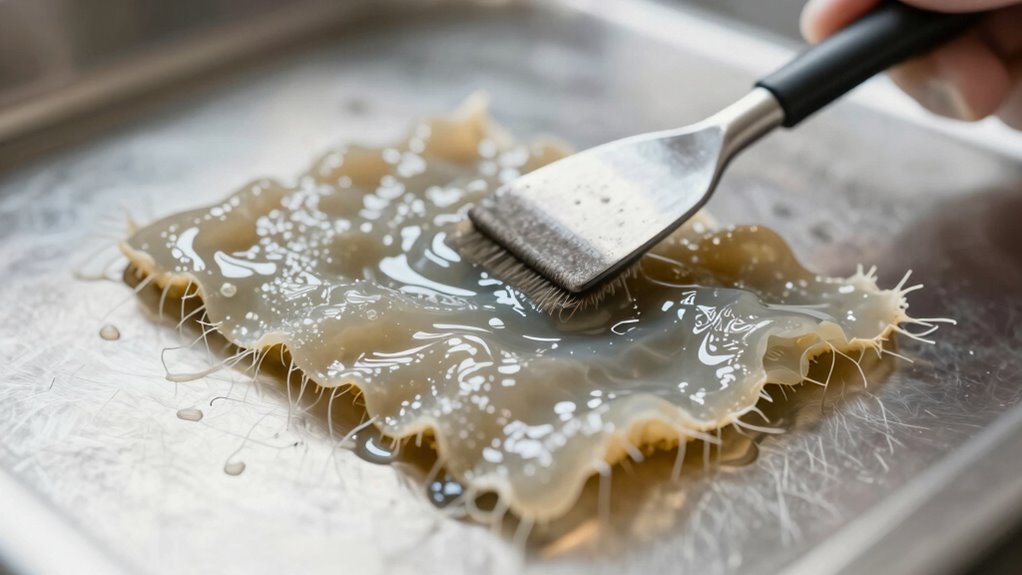
To remove biofilm safely, start by turning off water supplies and wearing gloves for protection. Use eco-friendly cleaners like vinegar or hydrogen peroxide to break down the slimy layers. Carefully disassemble plumbing parts if needed, then scrub surfaces thoroughly. Rinse well and check for leaks before restoring flow. Regular maintenance and monitoring help prevent future buildup. Keep exploring to discover detailed steps that make biofilm removal effective and safe.
Key Takeaways
- Turn off water supply and wear protective gloves before disassembly and cleaning.
- Use eco-friendly solutions like vinegar or hydrogen peroxide for effective biofilm removal.
- Carefully disassemble plumbing parts, clean surfaces thoroughly, and reassemble securely.
- Maintain regular cleaning schedules and monitor for signs of biofilm buildup.
- Conduct routine inspections and test disinfectant levels to prevent future biofilm formation.

Solutions HOCL Marine & Boat Water Tank Cleaner – Eco-Friendly Powder for Black Tank Treatment Marine Water Tank Cleaning Biofilm & Odor Removal – 100G
Powerful Marine & Boat Water Tank Cleaner: Effectively removes residues, biofilm, and mineral buildup from marine and boat…
As an affiliate, we earn on qualifying purchases.
As an affiliate, we earn on qualifying purchases.
What Is Biofilm and Why Is It a Health Concern?
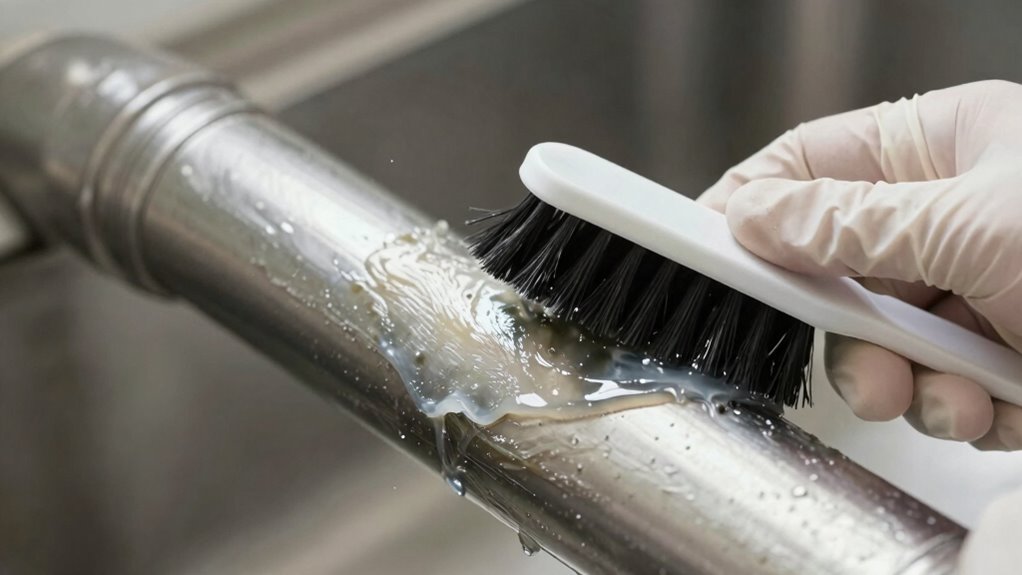
Have you ever wondered what biofilm really is and why it poses a health risk? Biofilm is a slimy layer formed by microbial communities that cling to surfaces, creating surface contamination. These microbial communities consist of bacteria, fungi, and other microorganisms that settle and grow together, protected by a slimy matrix. This buildup isn’t just unsightly; it can harbor harmful pathogens, increasing the risk of infections. Biofilms form on a variety of surfaces, including pipes, countertops, and medical equipment, making them difficult to detect and remove. When left unchecked, biofilm can lead to persistent contamination, corrosion, and even system failures. Understanding what biofilm is helps you recognize why safe removal practices are essential for maintaining a healthy environment. Additionally, high-quality cleaning methods are vital in effectively eliminating biofilms and preventing their return. Proper sanitation techniques, such as effective disinfectants and regular cleaning schedules, can further reduce the likelihood of biofilm formation and safeguard your environment against microbial build-up.

HARRIS 12% Concentrated Hydrogen Peroxide, 128oz, for Kitchen, Bath, Laundry, Home and Garden with Easy Fill Funnel
MULTI-PURPOSE CLEANING SOLUTION: Harris 12% Hydrogen Peroxide is ideal for a variety of cleaning tasks around the home,…
As an affiliate, we earn on qualifying purchases.
As an affiliate, we earn on qualifying purchases.
How to Detect Biofilm Buildup in Your Plumbing and Surfaces

Look for visible signs like slimy residue or discoloration on your pipes and surfaces. You can also perform simple tests, such as swabbing suspected areas and checking for biofilm presence. Recognizing these cues helps you catch buildup early and take action before it worsens.
Visible Signs of Buildup
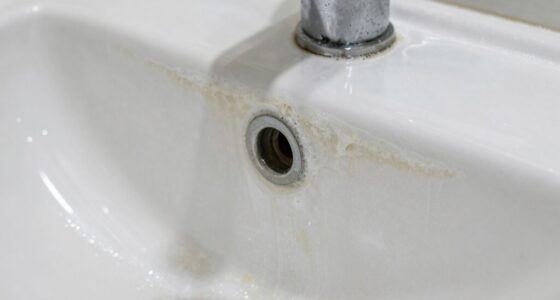
Are you noticing any changes in your plumbing or surfaces that might indicate biofilm buildup? Look for surface discoloration, which often appears as a slimy or streaked film that dulls the surface’s natural shine. Foul odors are another strong indicator, especially if they persist despite cleaning. You might also see a filmy layer or slight residue on sinks, pipes, or drains that feels greasy or slimy to the touch. These visible signs suggest a biofilm is forming and needs attention. Ignoring these clues can lead to more significant problems later. Regularly inspecting your surfaces and plumbing for these telltale signs helps you catch biofilm early, making removal safer and more effective. Additionally, understanding biofilm formation and its environmental factors can help you implement preventative measures to reduce future buildup. Being aware of microbial growth patterns in your home can further aid in early detection and prevention efforts, especially since biofilm can harbor harmful bacteria that pose health risks. Recognizing surface contamination early can also help prevent the spread of bacteria and maintain a healthier environment.
Testing for Biofilm Presence
Wondering how to confirm if biofilm has taken hold in your plumbing or on surfaces? Testing methods are essential for accurate detection. Start by inspecting for biofilm indicators like slimy textures, discoloration, or foul odors. Simple visual checks can reveal visible buildup, but biofilm often grows invisibly. To be sure, use testing methods such as swab sampling or water tests that detect microbial activity. These tests help identify biofilm presence even when it’s not visibly obvious. Incorporating proper testing techniques into your routine enhances your ability to detect biofilm before it becomes problematic. Additionally, understanding biofilm formation processes can help you implement more effective prevention strategies. Regular testing allows you to catch biofilm early, preventing health risks and damage. Being aware of biofilm detection methods can also improve your overall maintenance plan. Keep in mind, identifying biofilm indicators through these testing methods is the first step toward effective removal and ensuring your plumbing and surfaces stay clean and safe.
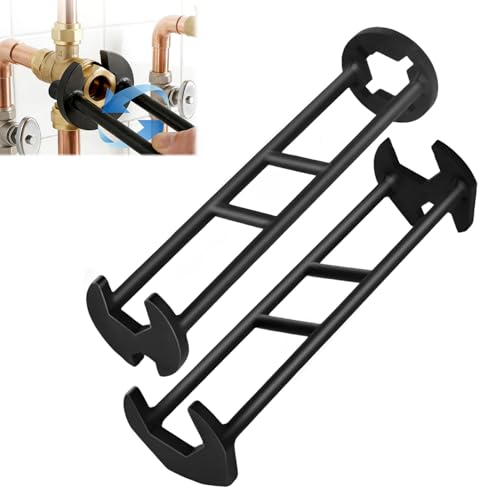
2 Pcs Multifunctional Sink Wrench,Plumbing Tools for Tight Spaces, Under Basin Pipe & Angle Valve Repair Plumbing Tools,Portable Installation Tool for Homeowners for Kitchen Bathroom
[Sink Wrench for Confined Spaces] This faucet wrench rotates 360°, making it easy to operate in confined spaces…
As an affiliate, we earn on qualifying purchases.
As an affiliate, we earn on qualifying purchases.
DIY Methods to Remove Biofilm Safely at Home
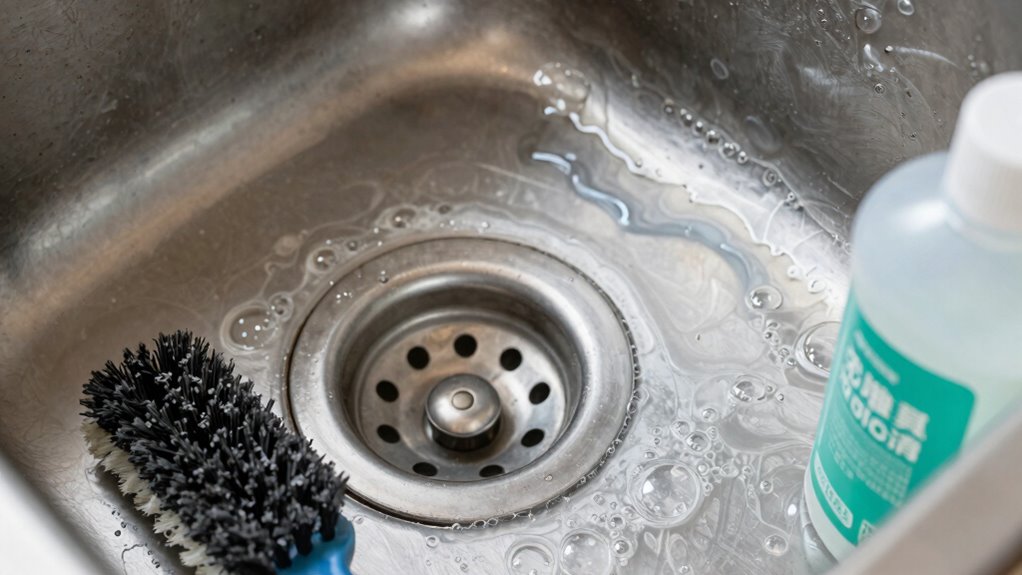
Removing biofilm at home can be effective and safe if you use the right techniques. Eco-friendly solutions are a great choice, as they minimize environmental impact and reduce health risks. For example, regular scrubbing with natural ingredients like baking soda or lemon juice can help break down biofilm without harsh chemicals. When attempting DIY removal, follow safety tips such as wearing gloves and ensuring proper ventilation. Always test cleaning solutions on a small area first to avoid damage. Maintain a consistent cleaning schedule to prevent biofilm buildup. Avoid using overly abrasive tools that might scratch surfaces. Incorporating natural cleaning methods can enhance the effectiveness of your biofilm removal. Using appropriate cleaning agents ensures that biofilm is effectively eliminated without damaging your surfaces. Additionally, understanding the science of biofilms can help you choose more targeted and effective cleaning strategies. By understanding the structure of biofilms, you can better target your cleaning efforts for more thorough removal. Combining eco-friendly solutions with proper safety measures makes DIY biofilm removal both efficient and safe, giving you peace of mind while keeping your home clean.

Legionella Surface Swab/Biofilm Test Kit (Single kit)
As an affiliate, we earn on qualifying purchases.
As an affiliate, we earn on qualifying purchases.
Natural Cleaners for Biofilm Removal: Vinegar and Hydrogen Peroxide
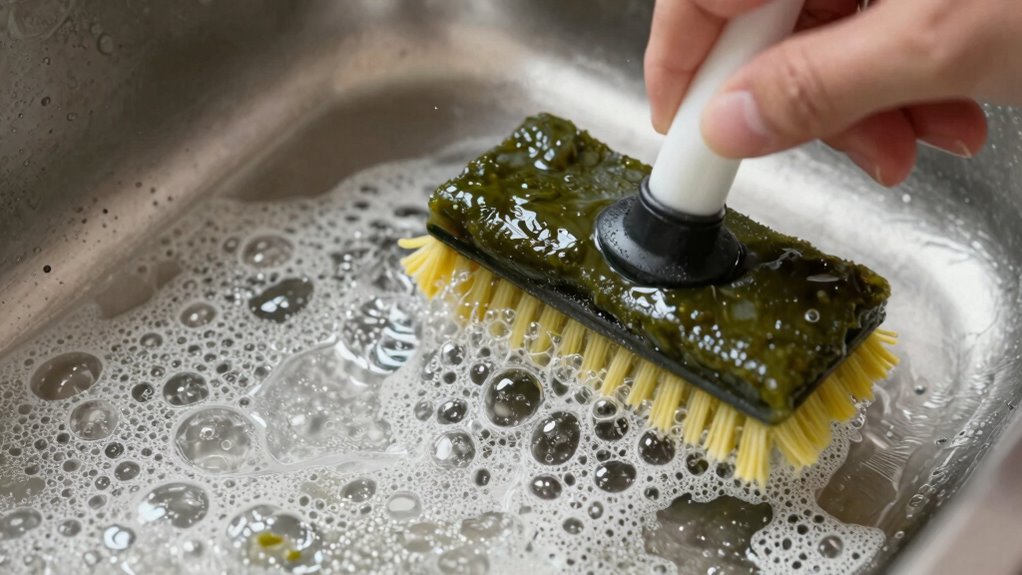
Vinegar is a powerful natural cleaner that can break down biofilm effectively. Hydrogen peroxide also shows strong antimicrobial properties, making it a great choice for removal. Understanding how each works helps you choose the best option for safe, effective cleaning. When selecting cleaning methods, consider the effectiveness of various solutions in eliminating biofilms to ensure thorough sanitation. Additionally, using these natural cleaners can support sustainable cleaning practices that are safer for both your health and the environment. Incorporating environmentally friendly methods can further enhance your cleaning routine while reducing chemical exposure. Being aware of safe application techniques can help prevent damage to surfaces and achieve optimal results. Recognizing the potential surface reactions of these cleaners ensures you avoid unintended damage during the process.
Vinegar’s Biofilm Power
Vinegar’s acetic acid makes it an effective natural cleaner for breaking down biofilm on various surfaces. Its acidic properties help dissolve the slimy layers that form biofilms, making it useful for plumbing maintenance and water treatment systems. When you use vinegar, it penetrates biofilm buildup in pipes and fixtures, reducing bacteria and mold growth. Regular application can prevent biofilm from re-establishing, keeping your plumbing cleaner and healthier. Vinegar’s antibacterial action also supports water treatment efforts by minimizing biofilm-related issues that compromise water quality. Additionally, artistic influences from Western movements like Cubism can be seen in innovative cleaning techniques that incorporate scientific principles. Keep in mind, while vinegar is effective for routine cleaning, it’s best to combine it with proper maintenance routines to ensure long-term biofilm control. Its natural, non-toxic nature makes it a safe, eco-friendly choice for your cleaning arsenal. Moreover, understanding the biofilm structure can help you develop more targeted cleaning strategies for different surfaces.
Hydrogen Peroxide Effectiveness
Hydrogen peroxide is a powerful natural cleaner that effectively breaks down biofilm due to its strong oxidizing properties. It acts as an antimicrobial agent, killing bacteria, fungi, and viruses embedded within the biofilm. When applied, it penetrates surfaces, disrupting the biofilm’s structure and aiding surface sterilization. Unlike many cleaners, hydrogen peroxide decomposes into water and oxygen, leaving no harmful residues. This makes it a safe choice for various surfaces, including kitchen and bathroom fixtures. Its ability to release oxygen bubbles helps lift and remove stubborn biofilm layers. For best results, use a 3% solution, allow it to sit for several minutes, and then scrub or rinse thoroughly. Hydrogen peroxide’s effectiveness makes it an essential natural option for thorough biofilm removal.
How to Disassemble and Clean Plumbing Components Safely
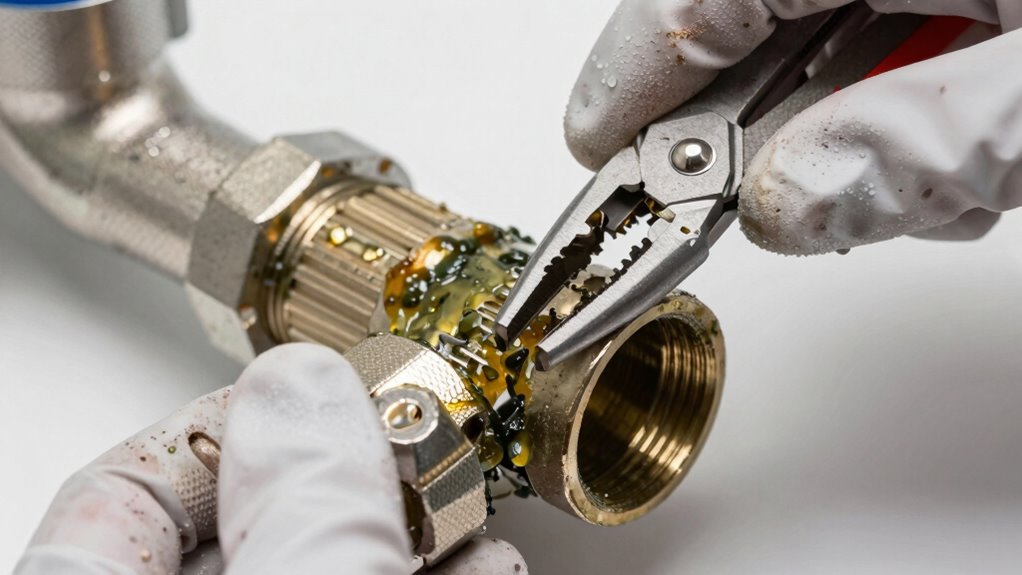
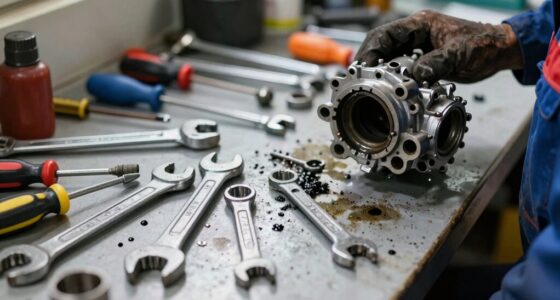
Disassembling plumbing components requires careful attention to safety and proper technique. Before starting, turn off the water supply and wear protective gloves. This guarantees safe cleaning and prevents leaks or damage. To make the process smooth, follow these steps:
- Identify and loosen fittings with the correct tools, avoiding excessive force.
- Remove components carefully, keeping track of small parts for reassembly.
- Inspect each part for buildup or biofilm, then clean with a brush and safe cleaning solutions.
- Always test for leaks after reassembling to ensure everything is functioning properly and to prevent water damage.
Proper plumbing disassembly helps eliminate biofilm and ensures your system stays hygienic. Always work methodically, and double-check connections before turning the water back on. This approach guarantees safe cleaning and a thorough job.
Tips for Preventing Biofilm Growth in Your Water Systems
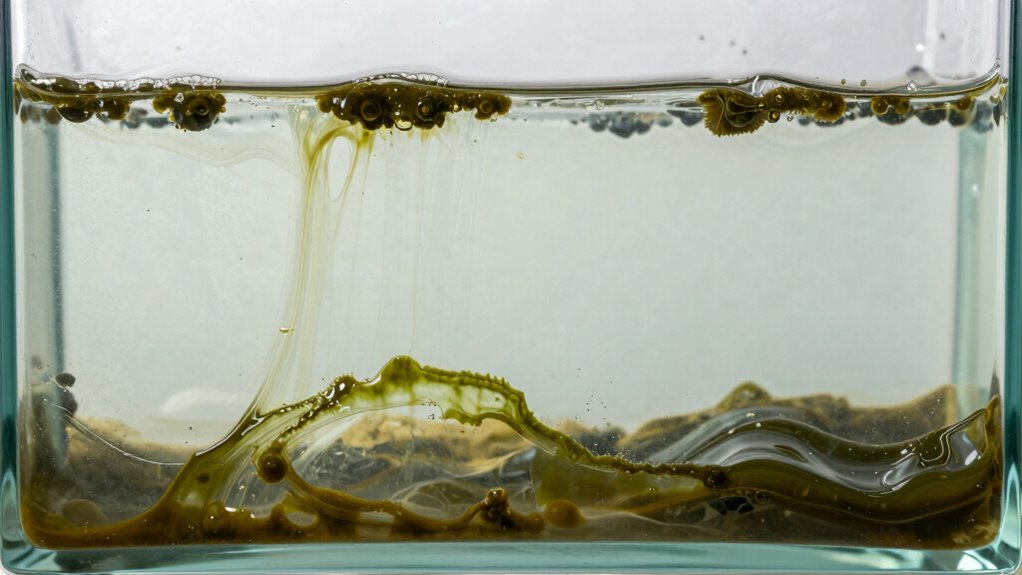
To prevent biofilm from forming in your water systems, maintaining proper hygiene and regular maintenance is essential. Biological contamination often occurs when organic matter and bacteria accumulate, creating an environment for biofilm growth. Using effective water filtration systems helps reduce bacteria and organic particles, limiting biofilm development. Regularly cleaning and disinfecting your plumbing components prevents build-up, especially in hard-to-reach areas. Make sure your water filters are replaced as recommended, and consider installing UV sterilizers for an added layer of protection. Monitoring water quality and addressing issues promptly also help prevent biofilm formation. Consistent maintenance and proper filtration create an environment less conducive to biofilm, protecting your water systems and ensuring safe, clean water for everyday use.
Knowing When to Call a Plumber or Biofilm Specialist
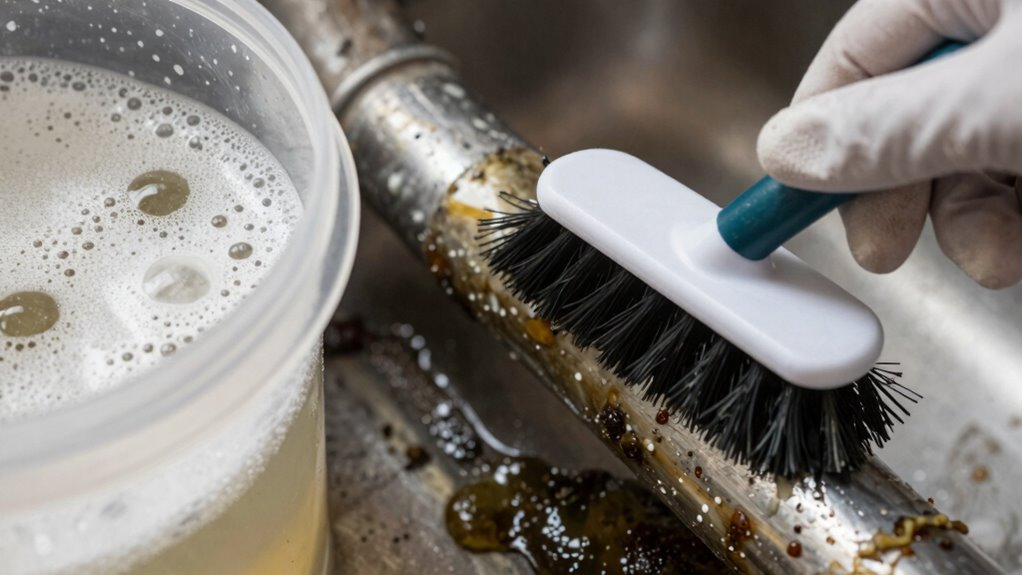
Recognizing the signs that indicate professional help is needed is essential for effectively managing biofilm issues. Ignoring these signs can lead to worsening problems or plumbing emergencies. Knowing when to call a plumber or biofilm specialist ensures proper biofilm diagnosis and safe removal.
Ignoring signs of biofilm problems can worsen issues; seek professional help promptly for proper diagnosis and safe removal.
Consider calling a professional if:
- You notice persistent foul odors or slime buildup that won’t clear with standard cleaning.
- Your water flow suddenly slows or stops, indicating possible pipe blockage.
- You experience recurring plumbing emergencies despite regular maintenance.
A professional can accurately assess whether biofilm is causing the issue and recommend effective solutions. Don’t delay seeking help if problems persist—proper diagnosis and treatment are critical for your water system’s health.
Common Mistakes That Make Biofilm Problems Worse
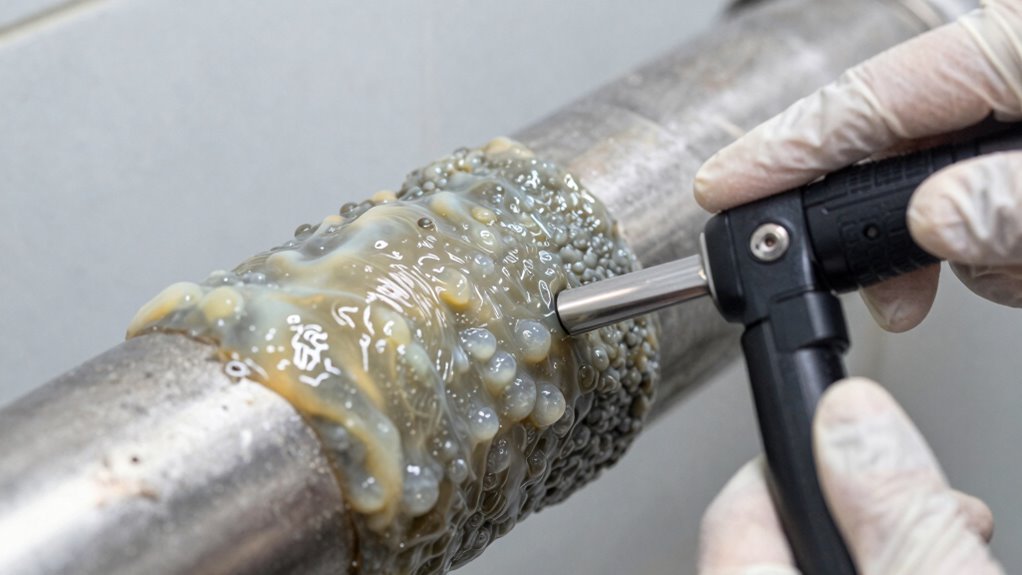
Using harsh chemicals can damage surfaces and worsen biofilm buildup, so choose safer cleaning agents. Neglecting regular maintenance allows biofilm to thrive and become more difficult to remove. Avoid these mistakes to keep your system clean and prevent bigger problems.
Using Harsh Chemicals
While it might seem tempting to rely on harsh chemicals to eliminate biofilm quickly, doing so can often backfire. These chemicals can damage surfaces and pose environmental risks. Using harsh chemicals improperly can lead to:
- Residual buildup that promotes further biofilm growth.
- Damage to pipes, seals, or equipment, increasing repair costs.
- Greater environmental impact, harming aquatic life and ecosystems.
Relying on aggressive chemicals may seem effective initially, but it often worsens the problem by encouraging resistant biofilms. Plus, the environmental impact of such chemicals can be severe, contaminating water sources and harming wildlife. Instead, focus on safer, eco-friendly cleaning methods to remove biofilm effectively without risking damage or environmental harm.
Neglecting Regular Maintenance
Neglecting regular maintenance allows biofilm to establish firmly and spread more easily. When you overlook upkeep, biofilm can grow unchecked, making future removal harder. Maintenance neglect creates a cycle where minor issues become major problems. Regular cleaning disrupts biofilm formation, preventing it from becoming stubborn. Here’s a quick comparison:
| Maintenance Aspect | Consequence of Overlooked Upkeep |
|---|---|
| Routine cleaning | Biofilm buildup accelerates |
| Inspection | Small issues turn into large ones |
| Prompt repairs | Minor damages lead to contamination |
| Proper sanitation | Pathogens thrive in neglected areas |
| Scheduled maintenance | Biofilm resists removal efforts |
Skipping these steps invites biofilm to take hold, complicating safe removal efforts. Stay diligent to keep your environment clean and biofilm-free.
Easy Tips to Keep Your Surfaces and Water Systems Biofilm-Free
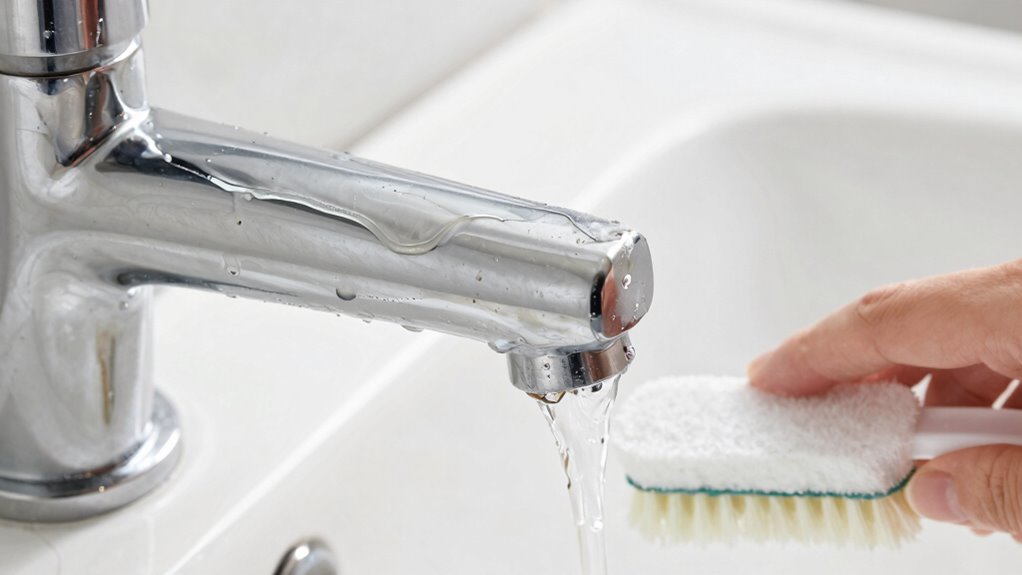
Keeping your surfaces and water systems biofilm-free is easier than you might think with a few simple habits. Regular upkeep prevents surface contamination and ensures water safety. Here are three easy tips:
Simple habits like regular cleaning and moisture control keep surfaces and water systems biofilm-free.
- Clean and disinfect surfaces frequently, especially in moist areas, to prevent biofilm buildup.
- Use water filters or treatment systems to reduce bacteria and prevent biofilm formation in water lines.
- Keep your environment dry whenever possible, as moisture promotes biofilm growth.
FAQs: Biofilm Removal and Long-Term Prevention

Understanding how to effectively remove biofilm and prevent it long-term is key to maintaining safe, clean surfaces and water systems. Regular cleaning minimizes plaque buildup and mold growth, reducing health risks. To guarantee lasting results, ask yourself: How can I keep biofilm from returning? Consistent sanitation, proper drying, and using effective disinfectants are crucial. Here’s a quick guide:
| Concern | Solution |
|---|---|
| Plaque buildup | Use anti-biofilm cleaners regularly |
| Mold prevention | Keep surfaces dry and well-ventilated |
| Recurring biofilm | Implement routine deep cleaning |
| Long-term safety | Maintain proper disinfectant levels |
| Hidden biofilm | Regular inspections and prompt action |
Staying vigilant helps prevent biofilm, plaque, and mold from compromising your environment’s safety.
Frequently Asked Questions
Can Biofilm Cause Health Issues Beyond Plumbing Systems?
Biofilm can cause health risks beyond plumbing systems by harboring harmful bacteria and pathogens. When biofilm contaminates your water supply or surfaces, it increases your chances of infections and illnesses. Plumbing contamination is just the start; biofilm can spread to other areas, affecting your health and environment. Regular cleaning and proper maintenance are essential to prevent biofilm buildup and protect you from these hidden health hazards.
Are There Specific Safety Precautions for DIY Biofilm Removal?
Yes, when removing biofilm yourself, you should wear protective gear like gloves and goggles to prevent chemical exposure. Always read and follow label instructions for any cleaning agents to guarantee chemical safety. Ventilate the area well, and avoid mixing chemicals to prevent dangerous reactions. By taking these precautions, you protect yourself from harmful biofilm-related pathogens and chemical hazards, making your DIY cleaning safer and more effective.
How Often Should I Inspect for Biofilm Buildup?
You should inspect for biofilm buildup at least once a month as part of your maintenance schedule. Regular inspections help catch early signs of biofilm, making removal easier and safer. Keep an eye on areas prone to moisture and stagnation, like pipes or tanks. Adjust your inspection frequency based on your environment’s conditions; high-moisture areas might require more frequent checks to prevent buildup.
Can Biofilm Develop in Outdoor Water Features?
Yes, biofilm can develop in outdoor water features, especially if natural filtration isn’t enough and water stagnation occurs. When water isn’t flowing or properly filtered, bacteria and algae thrive, forming biofilm on surfaces. Regular maintenance, like cleaning and ensuring proper circulation, helps prevent buildup. Keep an eye on stagnant areas and maintain your filtration system to minimize biofilm growth and keep your outdoor water feature clean and healthy.
What Professional Treatments Are Available for Stubborn Biofilm?
For stubborn biofilm, professionals typically use industrial cleaning methods combined with specialized chemical treatments. These treatments include powerful biocides and enzyme cleaners designed to break down the biofilm matrix effectively. Industrial cleaning tools like high-pressure washers or ultrasonic cleaners may also be employed to remove residues thoroughly. You should always consult a professional to guarantee the treatment is safe for your specific water feature and to achieve ideal results.
Conclusion
Now that you know how to tame the sneaky biofilm, think of yourself as a vigilant guardian, keeping your home’s waters and surfaces clear and shining. With simple tools and natural allies like vinegar and hydrogen peroxide, you can banish the invisible invaders before they take root. Stay proactive, avoid shortcuts, and your space will stay fresh and healthy—a shining fortress against biofilm’s quiet invasion. Keep fighting the good fight, and your home will thank you.