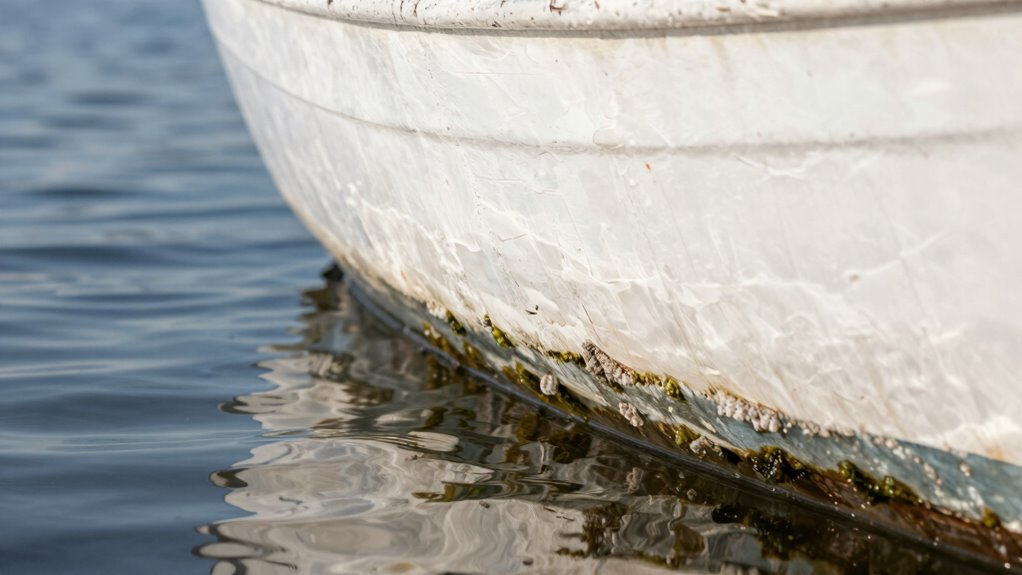

Waterline ring problems happen when the ring isn’t properly sized, installed, or maintained, which can cause gaps, water seepage, and damage over time. Factors like material degradation from UV, salt, and water expose the ring to cracks, peeling, and detachment. To stay ahead, you need to measure accurately, select durable marine-grade materials, and perform regular inspections. If you keep these tips in mind, you’ll better prevent issues and extend your vessel’s lifespan.

Get home appliances delivered free with Prime
- Fast, free delivery on millions of items
- Prime Video, Amazon Music and more included
- Member-only deals all year
Key Takeaways
- Improper sizing, installation errors, and neglecting measurements cause gaps and stress in waterline rings.
- Exposure to water, salt, and UV rays accelerates material degradation, leading to cracks and peeling.
- Proper measurement, following manufacturer guidelines, and professional installation ensure durability.
- Regular inspections, cleaning, and early repairs prevent deterioration and maintain water resistance.
- Using marine-grade materials and routine maintenance enhances resilience against environmental damage.
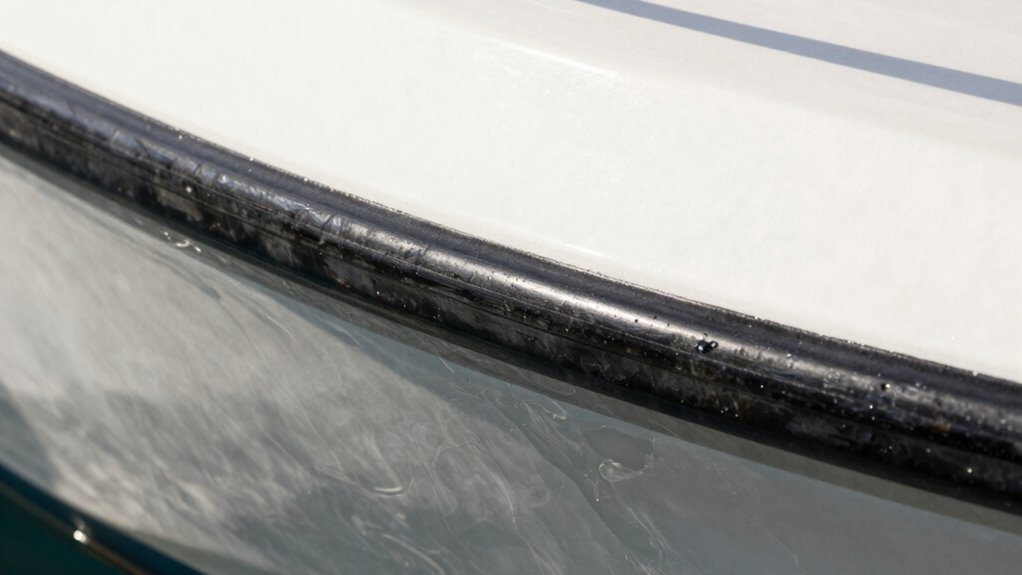
Have you ever wondered how to determine the correct size of a ring that sits perfectly at the waterline of a vessel? It’s a common question for boat owners who want both functionality and aesthetics in their marine setup. The waterline ring, often a crucial part of boat maintenance, helps protect the hull from water damage and keeps the vessel looking sharp. But if it’s the wrong size or poorly installed, it can cause problems that lead to water damage and costly repairs. Understanding what causes these issues and how to stay ahead of them is essential for any boat owner committed to water damage prevention.
The primary cause of the waterline ring problem is improper sizing or installation. If the ring is too small, it won’t provide adequate coverage, leaving gaps that allow water to seep in or cause wear on the hull over time. Conversely, if it’s too large, it can create unnecessary stress on the boat’s structure or interfere with other components. This improper fit often results from neglecting proper measurements during installation or failing to account for the boat’s changing conditions. Over time, exposure to water, salt, and UV rays can cause the ring material to degrade, especially if it’s not made from durable, marine-grade materials. That deterioration can lead to cracks, peeling, or complete detachment, all of which compromise your boat’s water resistance and aesthetic appeal. Regular maintenance and monitoring are key to catching early signs of degradation before they escalate into serious issues. Choosing durable materials is crucial for long-term performance and resilience.
Preventing these issues requires proactive boat maintenance. Regular inspections of the waterline ring can catch early signs of wear or misalignment. If you notice peeling paint, corrosion, or gaps, it’s time to replace or adjust the ring. Using high-quality, marine-grade materials ensures greater durability and resistance to harsh water conditions, reducing the likelihood of water damage. Proper installation is equally important—measure carefully and follow the manufacturer’s guidelines. When in doubt, consulting a professional can save you from costly mistakes that could compromise your vessel’s integrity.
Staying ahead of the waterline ring problem means understanding the importance of routine upkeep and timely replacements. Keep an eye on environmental factors, like salt buildup and UV exposure, and clean the ring regularly to prevent buildup that can weaken its structure. Investing in preventive measures not only prolongs the life of your boat’s waterline components but also helps you avoid water damage that could threaten the overall safety and longevity of your vessel. Being aware of how marine-grade materials perform under different conditions can help you choose the best options for your boat. In the end, the key to avoiding waterline ring problems is informed, attentive maintenance—keeping your boat in top shape and water damage-free for years to come.
Products Worth Considering

Ring Wired Doorbell Plus (2nd Gen) and Chime (3rd Gen), Nickel Silver and White

Ring Battery Doorbell (2nd Gen) and Indoor Cam Plus Bundle, Matte Mocha and Black

Ring Battery Doorbell 2K Plus (2nd Gen) and Spotlight Cam Plus Battery Bundle
As an affiliate, we earn on qualifying purchases.
Frequently Asked Questions
Can Waterline Rings Damage My Boat’s Paint or Hull?
Waterline rings can damage your boat’s paint or hull if left untreated. Over time, waterline ring formation promotes boat hull corrosion, weakening the material and causing paint to peel. Regular cleaning and applying protective coatings help prevent these rings from forming and damaging your boat. Staying proactive guarantees your boat stays in top shape, avoiding costly repairs and preserving its value and longevity.
Are Certain Boat Materials More Prone to Waterline Rings?
Ever wondered which boat materials are most prone to waterline rings? Generally, softer materials like wood or older gel coats are more susceptible, while durable materials like fiberglass or modern composites resist rings better. Surface finishes also play a role—high-quality, polished finishes can help prevent rings by reducing water adhesion. So, choosing a durable material with a strong surface finish is key to minimizing waterline rings and protecting your boat’s appearance.
How Often Should I Clean to Prevent Waterline Rings?
You should clean your boat’s waterline at least every two to four weeks, depending on usage and water conditions. Regular cleaning prevents buildup and reduces waterline rings. Incorporate maintenance tips like using gentle scrubbers and marine-safe cleaners to avoid damaging the finish. Consistent cleaning frequency keeps your boat looking pristine, helps identify early signs of waterline rings, and maintains its value and appearance over time.
Do Waterline Rings Affect Boat Resale Value?
Like a savvy trader in a vintage market, you’ll find waterline rings can subtly ding your boat’s resale value. They signal neglect and potential water damage, making buyers wary. Regular boat cleaning prevents these rings and preserves your boat’s appearance, boosting its worth. Leaving water damage unchecked may lead to costly repairs, further diminishing value. Stay ahead by maintaining your boat, and you’ll keep its resale appeal high.
Are There Eco-Friendly Products to Remove Waterline Rings?
Yes, there are eco-friendly solutions and natural remedies to remove waterline rings. You can try using vinegar or baking soda, which are gentle and safe for the environment. These natural remedies effectively break down mineral deposits without harsh chemicals, making them a sustainable choice. Applying these solutions with a soft cloth or sponge helps lift the rings safely, keeping your boat’s finish intact while protecting the environment.
Conclusion
To keep your boat gleaming like a star in the night sky, stay vigilant against waterline rings. Think of them as tiny shadows that creep along your vessel’s beauty, whispering neglect. Regular cleaning and proper maintenance are your shields, keeping these unwelcome marks at bay. With a little effort, you’ll sail smoothly, your boat shining brighter than ever, a shining beacon gliding effortlessly through the water’s embrace, forever ahead of the waterline ring problem.