ORP, or oxidation-reduction potential, shows how well water can resist contamination and kill germs. Higher ORP means the water is cleaner and safer, while lower levels suggest possible pollution or insufficient disinfection. It helps you understand water quality for drinking, pools, or aquariums. By measuring ORP regularly, you can make simple adjustments to keep water safe and clear. If you want to learn more about keeping water healthy, stay tuned for helpful tips.
Key Takeaways
- ORP measures how well water can resist contamination and microbial growth.
- High ORP indicates clean, safe water; low ORP suggests possible contamination or poor disinfection.
- It helps assess water quality in pools, drinking water, and aquariums.
- Proper testing and adjustments ensure water remains safe and healthy.
- ORP levels reflect the balance of chemicals and contaminants in the water.
What Is ORP and Why Is It Important for Water Quality?
Have you ever wondered how we measure water’s ability to resist contamination or microbial growth? That’s where ORP, or oxidation-reduction potential, comes into play. It’s a key indicator in water treatment, helping determine water quality and safety. High ORP levels suggest the water can effectively neutralize bacteria and viruses, reducing health risks. Conversely, low ORP values may point to contamination or insufficient disinfection. By monitoring ORP, professionals can assess whether the water is safe for drinking, bathing, or other uses. Understanding ORP’s role helps prevent waterborne illnesses and ensures that water treatment processes are effective. In short, ORP provides essential insight into water’s health implications, guiding decisions that protect your health and well-being.
How Do You Measure ORP in Water?

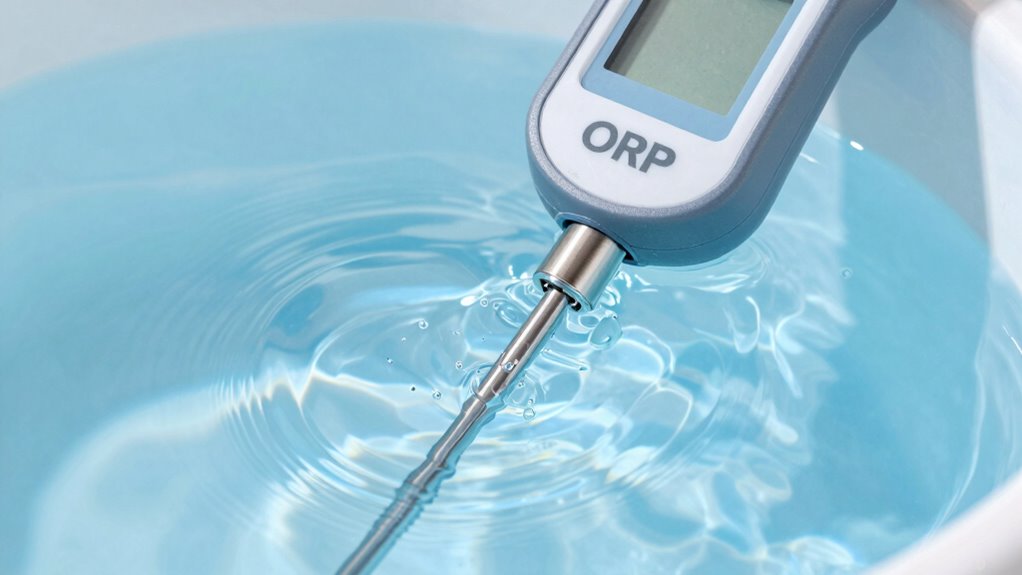
Measuring ORP in water involves using a specialized device called an ORP meter or sensor. This tool detects the water’s oxidation-reduction potential, giving you insight into its ability to support or inhibit microbial activity. To guarantee accurate readings, you should calibrate the device regularly and keep the electrode clean. Proper device calibration ensures reliable results, which is essential for accurate water monitoring. Regular maintenance of the measurement equipment also contributes to measurement accuracy and consistent data collection. Additionally, understanding the contrast ratio of your water sample can help interpret ORP readings in relation to visual clarity and image quality. Here’s a quick comparison:
| ORP Level (mV) | Water Condition | Use in Water Treatment |
|---|---|---|
| +700 to +800 | Highly Oxidized | Strong disinfection effect |
| +300 to +500 | Moderately Oxidized | General water safety |
| 0 to +200 | Slightly Oxidized | Low disinfection |
| -100 to 0 | Reduced Water | Potential contamination |
| Below -200 | Strongly Reduced | Risk of bacterial growth |
Knowing how to measure ORP helps optimize water quality and safety, especially considering the importance of water quality monitoring in maintaining safe drinking water.
What Do High and Low ORP Values Mean?

High and low ORP values provide immediate insight into water quality and its potential for microbial activity. A high ORP indicates strong oxidation reduction activity, meaning the water can effectively neutralize contaminants and bacteria, supporting water safety. Conversely, a low ORP suggests reduced oxidation reduction capacity, which can allow harmful microbes to thrive, compromising water safety. Understanding these values helps you assess whether water is disinfected or needs additional treatment. Elevated ORP levels typically point to disinfected, cleaner water, while lower levels may signal contamination or insufficient treatment. Regularly monitoring ORP levels can help you detect early signs of water quality issues before they become serious. Monitoring techniques such as portable ORP meters enable quick and accurate assessments of water safety. Remember, ORP readings are a quick indicator of the water’s oxidation reduction status, directly relating to its safety and overall quality. Monitoring ORP helps ensure you maintain healthy, safe water for everyday use. Additionally, water quality testing with ORP meters can provide ongoing assurance of your water’s safety and effectiveness of your filtration system. Being aware of ORP fluctuations can help you identify changes in water quality over time, prompting timely interventions. Recognizing the oxidation reduction process can further enhance your understanding of how treatments impact water safety.
What Factors Influence ORP Levels in Water?
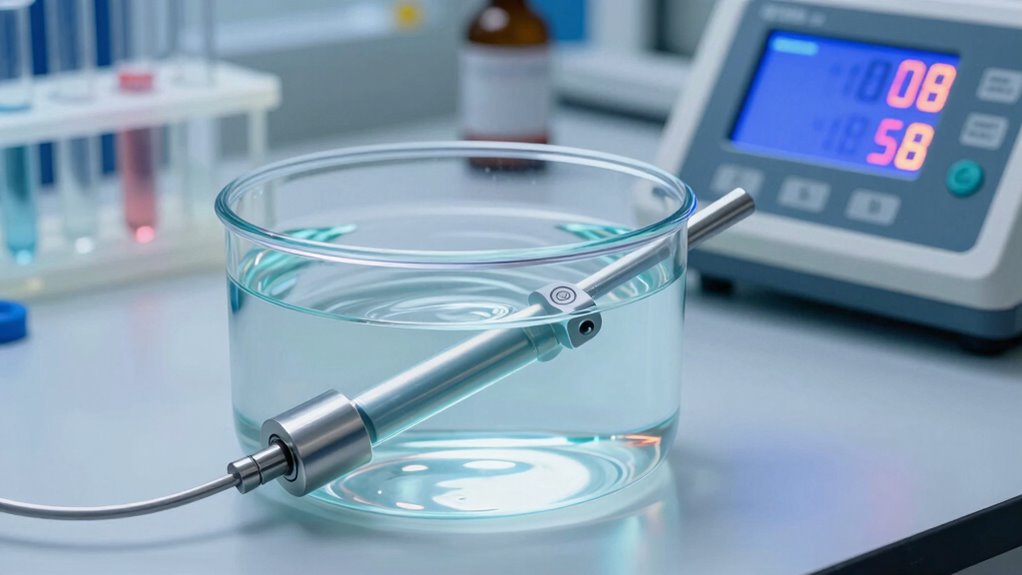
Your water source quality plays a big role in determining ORP levels, as cleaner water usually has higher ORP. pH levels also influence ORP readings, with more acidic or alkaline conditions affecting oxidation-reduction potential. Additionally, the presence of contaminants can lower ORP, indicating increased chemical activity or pollution. Proper water testing can help identify these issues and ensure safe water quality. Regular appliance maintenance plans can help ensure your water appliances operate safely and efficiently. Understanding water chemistry can further assist in interpreting ORP measurements and maintaining optimal water conditions, especially when considering oxidation-reduction reactions that influence water safety. Monitoring water quality parameters is essential for maintaining safe and balanced water chemistry.
Water Source Quality
Have you ever wondered what affects ORP levels in water? Your water source plays a vital role in determining its ORP. Several factors influence these levels, directly impacting water quality and safety:
- Contamination Risk: Pollutants like bacteria, chemicals, or heavy metals lower ORP, signaling possible contamination. A natural filtration process can sometimes mitigate these effects, but it depends on the water source and conditions. Additionally, the presence of oxidizing agents introduced through pollution can artificially elevate ORP levels, misleading assessments of water quality. The water chemistry, including factors like pH and mineral content, also plays a crucial role in determining ORP, as it affects the water’s capacity to oxidize or reduce substances.
- Source Type: Well water, surface water, or municipal supply each has inherent qualities affecting ORP, based on their exposure to pollutants.
- Environmental Conditions: Nearby industrial activity or agricultural runoff can introduce oxidants or reducers, shifting ORP levels unpredictably.
- Water Chemistry: The chemical composition of water, including pH and mineral content, can significantly influence ORP readings and overall water quality.
Understanding your water source helps you gauge its overall health. High contamination risk typically results in lower ORP, indicating compromised water quality. Regular testing is essential to catch changes early and ensure safe, clean water.
pH Levels Influence
pH levels considerably influence ORP readings because they affect the water’s overall oxidation-reduction balance. When water is more alkaline (higher pH), it tends to have a lower ORP, indicating reduced oxidation potential. Conversely, acidic water (lower pH) can increase ORP, showing heightened oxidation reduction activity. Think of water pH as a scale that shifts the ORP reading accordingly. To visualize:
| Water pH Level | Effect on ORP |
|---|---|
| Acidic (below 7) | Higher ORP, more oxidation |
| Neutral (7) | Balanced ORP |
| Alkaline (above 7) | Lower ORP, less oxidation |
Contaminant Presence
What factors related to contaminants can influence ORP levels in water? Contaminant detection is key, as certain pollutants can drastically change water’s oxidative or reductive state. When harmful substances like bacteria or organic matter invade, they often lower ORP, signaling potential health risks. Conversely, chemical contaminants such as chlorine or disinfectants can increase ORP, indicating water has been treated but may still contain residual pollutants. Here are three critical factors: 1. The presence of organic contaminants that consume oxygen and reduce ORP. Organic matter, especially in water with high biological activity, can significantly impact oxidation-reduction reactions, and increased microbial activity can further alter ORP readings. Additionally, biological activity can influence the levels of organic contaminants and thus affect ORP readings. 2. The level of disinfectants used during water purification, which can elevate ORP. The disinfection process introduces chemicals that temporarily raise ORP levels, but residuals may vary. 3. The infiltration of heavy metals or toxins that interfere with natural oxidation-reduction reactions. Additionally, leakage of chemicals from infrastructure can influence ORP levels by introducing new substances that alter water chemistry. Understanding these factors helps you assess water quality, ensuring effective contaminant detection and safe water purification.
What Are Typical ORP Ranges for Drinking, Swimming, and Other Uses?
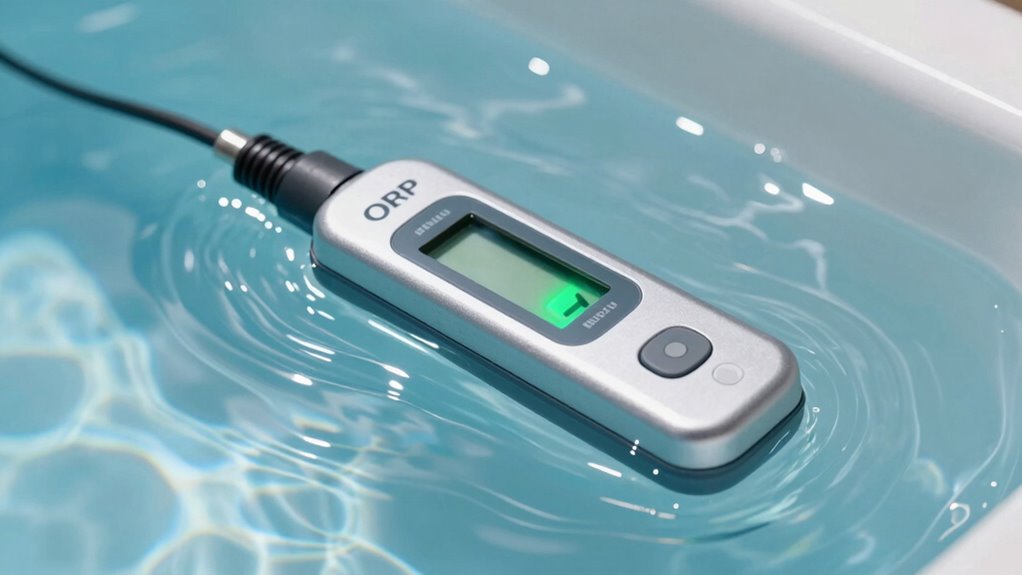
Understanding typical ORP ranges helps you determine water quality for different uses. For drinking water, the ORP usually stays between 200 and 400 millivolts, indicating safe and clean water. In pools and other settings, ORP levels are often maintained between 650 and 750 millivolts to make certain proper sanitation and safety.
Drinking Water ORP Range
The ORP range for drinking water typically falls between +200 mV and +600 mV, reflecting a balance between oxidizing and reducing conditions. This range is vital in water treatment, ensuring contaminants are minimized and water remains safe. Knowing your water’s ORP can help you understand its health implications, like potential antioxidant properties or possible oxidation of minerals. Monitoring ORP levels can also indicate changes in water quality over time.
- A higher ORP near +600 mV suggests cleaner, more oxidizing water, which may better inhibit bacteria.
- A lower ORP closer to +200 mV might indicate less effective treatment, raising concerns about water safety.
- Monitoring ORP helps you assess whether your water meets health standards and supports your overall well-being.
Pool Water ORP Levels
Have you ever wondered what the ideal ORP levels are for different types of water? For pool water, the typical ORP range is between 650 and 750 millivolts. Maintaining this range guarantees effective disinfection through chemical reactions, keeping bacteria and algae at bay. If ORP drops too low, water safety diminishes because disinfectants aren’t reacting efficiently, risking contamination. Conversely, too high ORP levels can cause irritation or damage to pool equipment. Regular testing helps you monitor these levels and adjust chlorine or other sanitizers accordingly. Proper ORP management creates a safe swimming environment, preventing waterborne illnesses and maintaining water clarity. Understanding these ranges helps you keep your pool safe and clean, protecting everyone who swims.
Other Water Uses
Different water uses require specific ORP levels to guarantee safety and effectiveness. For drinking water, a typical ORP range of +200 to +400 mV indicates good disinfection through water filtration, with balanced mineral content supporting health. Swimming pools generally aim for ORP levels around +650 to +750 mV to keep bacteria at bay and ensure safe water. Other uses, like soaking in a bath or outdoor water features, may tolerate lower ORP levels, but maintaining proper ranges enhances safety and enjoyment.
- Drinking water’s ORP ensures it’s safe and tastes fresh.
- Swimming pools’ ORP keeps bacteria and algae away, protecting your health.
- Water for other uses benefits from balanced mineral content and appropriate ORP for ideal safety.
How Do You Know If Your Water’s ORP Is Safe?
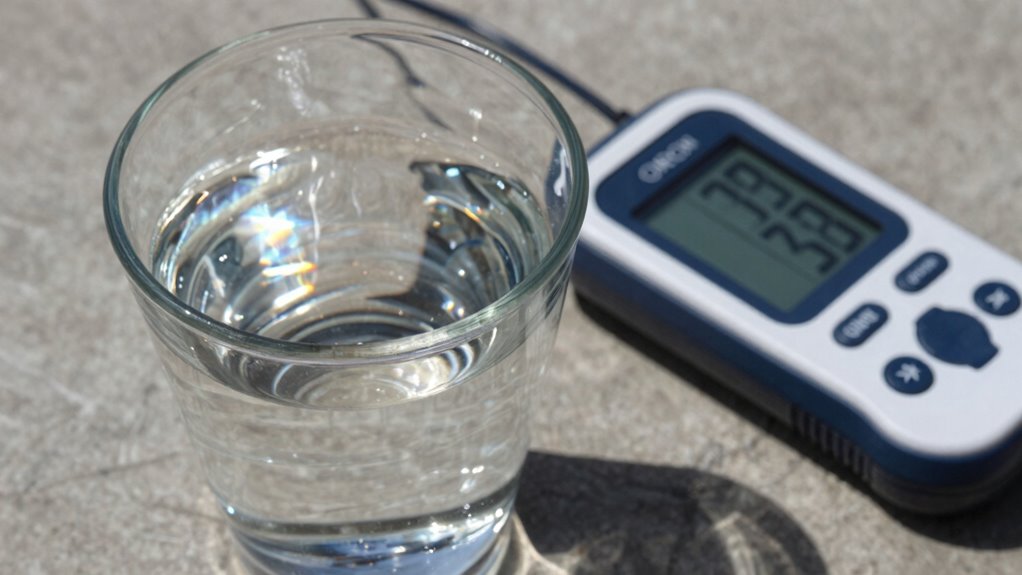
To determine if your water’s ORP is safe, you need to measure its oxidation-reduction potential with a reliable ORP meter. A proper reading can tell you if your water has undergone effective water purification, ensuring harmful contaminants are minimized. Generally, a positive ORP value indicates the water is oxidizing and likely free of bacteria or pollutants, which supports your health benefits. Conversely, a low or negative ORP suggests the water may be compromised and less safe to drink. Keep in mind, safe ORP levels vary depending on water source and purpose, so consult guidelines or experts for specific ranges. Regular testing helps you confidently assess water safety, giving you peace of mind and promoting overall health.
How Can ORP Help You Keep Your Pool Clean and Safe?
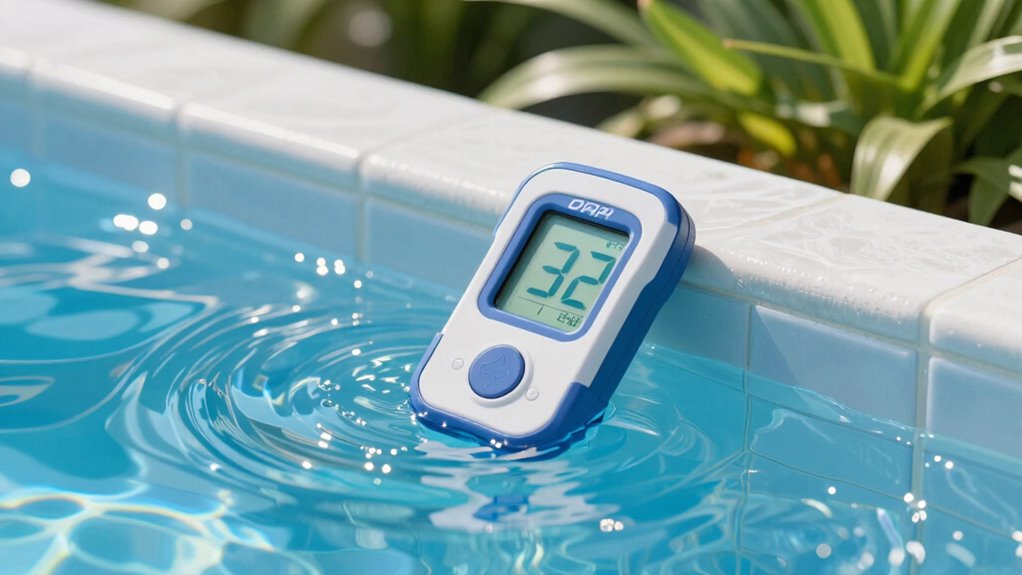
By monitoring ORP levels, you can guarantee your pool maintains proper oxidation, which helps break down contaminants effectively. Keeping a close eye on water quality allows you to adjust chemicals as needed for a safe swimming environment. This proactive approach makes it easier to keep your pool clean and safe for all swimmers.
Maintaining Proper Oxidation Levels
Maintaining proper oxidation levels is essential for keeping your pool clean and safe, and ORP (Oxidation-Reduction Potential) provides a straightforward way to monitor this process. When your oxidation balance is right, harmful contaminants are effectively destroyed, ensuring water safety. To keep your pool in top condition, focus on these key points:
- Avoid algae or bacteria buildup that can jeopardize water safety.
- Prevent cloudy, uninviting water that discourages swimmers.
- Reduce the risk of skin irritation and other health issues caused by improper chemical levels.
Monitoring Water Quality
Ever wondered how you can tell if your pool water is truly clean and safe? Monitoring water quality with ORP provides real-time insights into how effectively your water treatment is working. Higher ORP levels indicate strong oxidation, which helps eliminate bacteria, algae, and contaminants. This not only keeps your pool safe but also reduces the need for excessive chemicals, minimizing environmental impact. By regularly checking ORP, you can adjust chlorine levels precisely, ensuring ideal disinfection without overdoing it. Consistent monitoring helps prevent cloudy water, foul odors, and health hazards. Using ORP as part of your water treatment routine makes it easier to maintain a healthy, balanced pool while being environmentally conscious—saving you money and protecting the environment.
How Can You Use ORP to Monitor Water in Home Brewing and Aquariums?
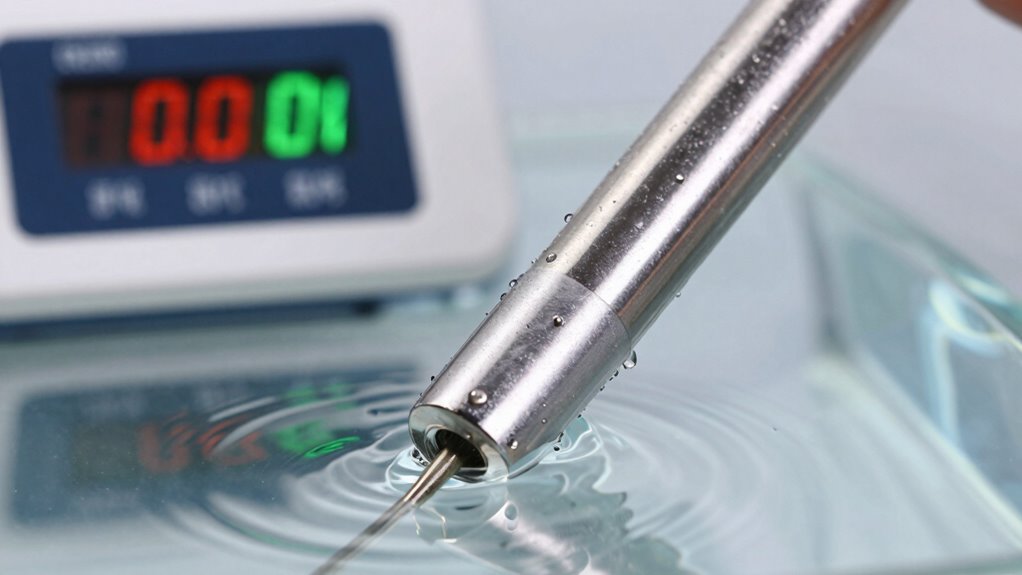
Have you ever wondered how to guarantee your water stays safe and balanced during home brewing or in your aquarium? Using ORP helps you monitor water quality effectively by tracking chemical interactions that indicate oxidation or reduction levels. To get accurate readings, you need to regularly calibrate your sensor, ensuring it reflects true ORP values. Here’s how ORP can help you:
- Detect harmful oxidants or reducers before they cause issues.
- Maintain ideal water conditions for brewing or aquatic life.
- Prevent imbalances by catching deviations early.
How Can You Improve Water Quality by Adjusting ORP?
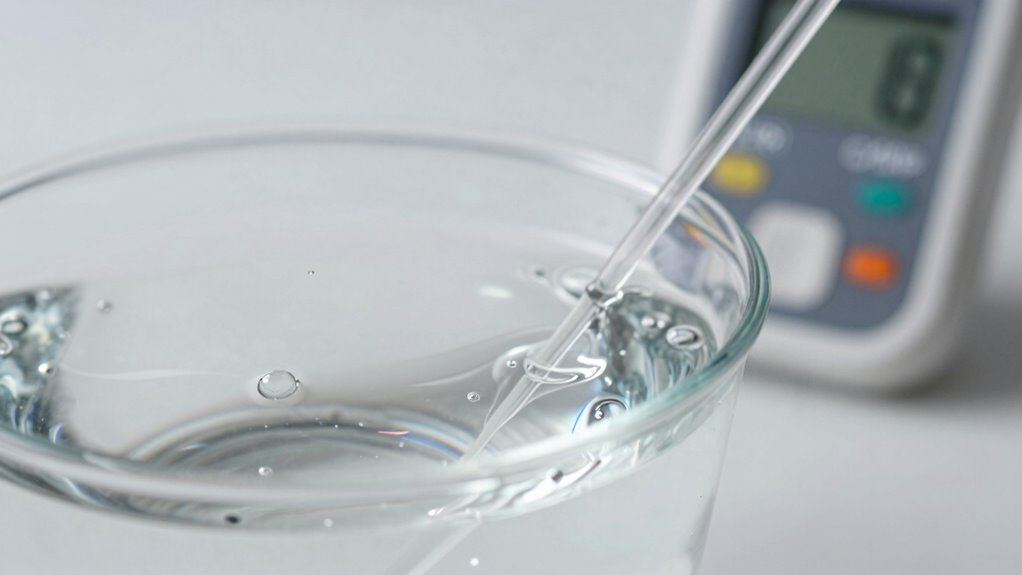
Adjusting ORP levels is a practical way to improve water quality, whether you’re brewing beer or caring for aquatic life. By fine-tuning ORP, you can maximize chemical balancing, helping to control bacteria, algae, and contaminants. Water filtration systems can be used to remove impurities that negatively impact ORP, making it easier to achieve desired levels. Adding appropriate sanitizers or oxidizers can raise ORP for cleaner, safer water, while reducing certain chemicals or introducing antioxidants can lower ORP if it’s too high. Regular testing helps you monitor changes and maintain ideal conditions. Remember, small adjustments can make a big difference in water quality, so focus on precise chemical balancing and effective filtration to keep your water healthy and balanced.
What Common Mistakes Should You Avoid When Checking ORP?
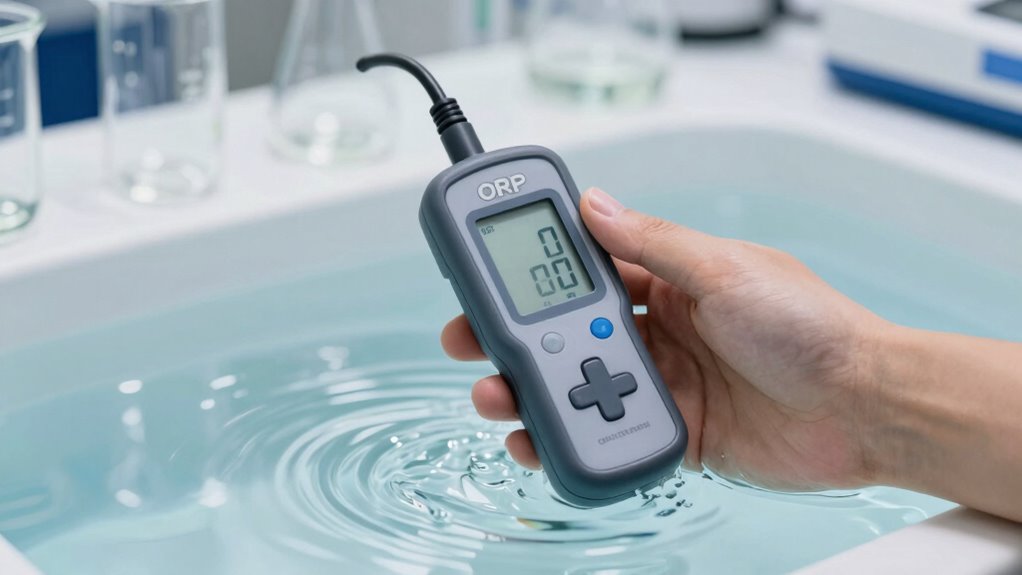
Checking ORP accurately requires attention to detail, as small mistakes can lead to misleading readings. When monitoring water quality in water treatment or environmental settings, avoid these common errors:
- Using a dirty or improperly calibrated probe—this skews readings and compromises data integrity.
- Testing in inconsistent conditions—temperature and sample contamination can drastically affect results.
- Ignoring calibration procedures regularly—failing to calibrate can cause inaccurate ORP measurements, risking environmental health.
Frequently Asked Questions
Can ORP Readings Vary With Water Temperature?
Yes, ORP readings can vary with water temperature because water temperature affects chemical reactions and ion activity, leading to ORP fluctuation. When water is warmer, the increased molecular activity can cause ORP values to shift, making readings less stable. Consequently, it’s important to account for water temperature when testing ORP, as it influences the accuracy and consistency of your results. Adjusting or considering temperature helps you get a more precise water quality reading.
Is ORP the Best Indicator of Water Safety?
Think of ORP as a water’s mood ring, but it’s not the best indicator of safety. While it reflects pH fluctuations and mineral content, it doesn’t give a complete safety picture. Water can have a good ORP reading yet still contain harmful bacteria or contaminants. Rely on multiple tests, including bacteria and chemical analyses, to truly gauge water safety. ORP is useful but shouldn’t stand alone.
How Frequently Should I Test ORP in My Water?
You should test ORP regularly, ideally weekly, to maintain ideal levels. Consistent testing helps you catch any changes in water quality early, ensuring safety and proper treatment. If your water source is prone to contamination or you’re using it for sensitive applications like swimming pools or aquariums, increase testing frequency to twice a week. Monitoring ORP consistently keeps your water safe and helps you make timely adjustments.
Do Certain Water Treatments Affect ORP Levels?
Yes, certain water treatments impact ORP levels. For example, adjusting water pH can influence ORP readings, making it either higher or lower depending on acidity or alkalinity. Similarly, adding chlorine for disinfection raises ORP levels, indicating stronger oxidizing power. You should regularly monitor ORP alongside water pH and chlorine levels to guarantee water quality, especially after treatments or adjustments, to maintain safety and proper treatment balance.
Can ORP Readings Detect Specific Contaminants?
You’ll find ORP readings aren’t specific enough to detect individual contaminants, but they do reveal the overall oxidation potential of water. About 80% of water quality issues relate to oxidation-reduction reactions, which influence pH levels. By monitoring ORP, you get a quick sense of water’s health—higher readings suggest fewer organic contaminants, while lower ones can indicate potential issues. It’s a useful, though broad, indicator of water safety.
Conclusion
Understanding ORP helps you guarantee your water stays safe and clean, whether it’s for drinking, swimming, or your hobby tanks. By knowing what those numbers mean, you can make smarter choices and avoid common pitfalls. Isn’t it worth taking a minute to check your water’s ORP and keep everything in check? Staying informed lets you enjoy better water quality and peace of mind every day.