
Your water chemistry can change over time due to natural processes like biological activity, temperature fluctuations, and interactions with container materials. Even if you do nothing, these factors cause pH drift, gradually shifting the water’s acidity or alkalinity. This ongoing change can impact the effectiveness of sanitizers and cause corrosion or irritation. To keep your water balanced, it’s helpful to understand these causes and how to manage them. If you want to learn more, keep exploring the details that influence pH drift.

Get home appliances delivered free with Prime
- Fast, free delivery on millions of items
- Prime Video, Amazon Music and more included
- Member-only deals all year
Key Takeaways
- Natural biological activity produces acids or bases, causing pH to change over time without intervention.
- Temperature fluctuations influence water pH, with higher temperatures often raising pH levels naturally.
- Container materials such as plastics or metals can leach ions, altering the water’s pH gradually.
- Water chemistry naturally shifts due to interactions with surrounding environment and material surfaces.
- Even in stagnant water, ongoing natural processes lead to pH drift without external chemical addition.
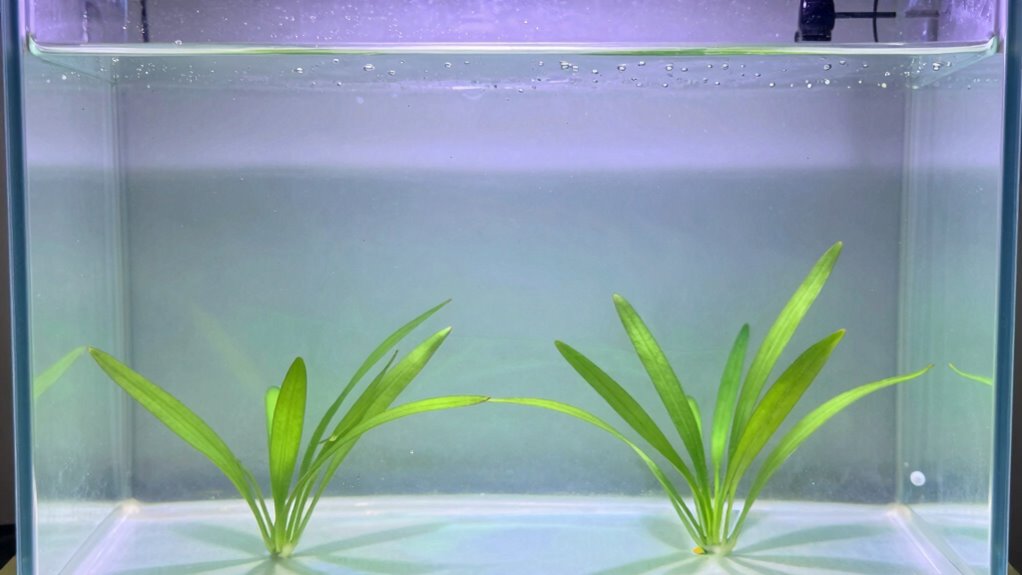
pH drift refers to the gradual change in the pH level of a solution over time, which can substantially impact the stability and effectiveness of chemical processes. If you’re managing water chemistry, understanding pH drift is essential because even without adding chemicals or making adjustments, your water’s pH can shift. This natural movement occurs due to various factors such as biological activity, temperature changes, or interactions with container materials, all influencing your water’s pH stability. Recognizing these influences helps you maintain proper chemical balancing, ensuring your processes stay consistent and efficient.
When pH drifts, it often results in unpredictable fluctuations that can compromise chemical stability. For example, in pools, slight pH changes can cause irritations or reduce sanitizer effectiveness. In industrial settings, even minor pH shifts can lead to corrosion or inefficient reactions. That’s why monitoring pH levels regularly is crucial. It allows you to detect drift early and take corrective actions, such as adding buffers or adjusting chemical dosages, to restore pH stability. Without these measures, your water chemistry can become unbalanced, risking equipment damage or compromised results.
Natural factors contribute considerably to pH drift. Biological activity, for instance, can produce acids or bases as microorganisms metabolize organic matter, gradually shifting your water’s pH. Temperature fluctuations also play a role, as higher temperatures tend to increase pH levels, while cooler temperatures may lower them. Additionally, materials in contact with the water, such as certain metals or plastics, can leach ions that influence pH over time. These ongoing processes mean that, even if you do nothing, your water won’t remain static—pH will drift due to these natural influences. Furthermore, the interactions with container materials can accelerate or mitigate pH changes, emphasizing the importance of material choice in water management.
To manage pH drift effectively, you need to understand the underlying causes and implement consistent monitoring. Using pH stabilizers or buffers helps maintain pH stability, counteracting minor shifts caused by biological or chemical processes. Regular testing allows you to identify trends in pH changes, so you can adjust your chemical balancing strategies proactively. Remember, the goal isn’t just to react to pH changes but to anticipate and control them, ensuring your water chemistry stays within ideal ranges.
In the end, understanding pH drift gives you the power to keep your water chemistry stable, even without constant intervention. By paying attention to natural influences and maintaining vigilant monitoring, you can safeguard the effectiveness of your chemical processes. This proactive approach minimizes risks and keeps your systems running smoothly, saving you time and resources in the long run. Recognizing that pH drift is inevitable helps you better prepare for it, ensuring your water remains balanced and your processes stay reliable over time.
As an affiliate, we earn on qualifying purchases.
Frequently Asked Questions
How Often Should I Test My Water’s pH?
You should test your water’s pH at least once a week to catch any changes early. Regular testing frequency helps you monitor shifts in water chemistry. Use proper calibration methods, like calibrating your pH meter with fresh calibration solutions, to guarantee accurate readings. If you notice any pH fluctuations, increase testing frequency until the levels stabilize. Consistent testing and calibration keep your water chemistry balanced and healthy.
Can External Weather Affect pH Drift?
Yes, external weather can affect pH drift. Weather influence, like rain, sunlight, or temperature changes, creates an environmental impact that alters your water’s chemistry. For example, rain can dilute your water, lowering pH, while sunlight speeds up biological activity, increasing pH. These natural fluctuations happen even if you do nothing, making it important to monitor your water regularly to maintain stable conditions.
What Role Do Biological Factors Play in pH Changes?
Biological factors substantially influence pH changes through biological activity and microbial growth. When microorganisms thrive, they produce acids or bases as metabolic byproducts, altering your water’s pH. This process is especially common in systems where organic matter is present, providing nutrients for microbes. You’ll notice pH shifts as microbial populations grow and break down substances, making it essential to monitor and manage biological activity to maintain stable water chemistry.
How Can I Stabilize pH Over Time?
Think of your water like a boat on a river—without a steady hand, it drifts. To stabilize pH over time, focus on increasing buffer capacity with chemical stabilizers. These substances act like a keel, preventing sudden swings. Regular testing helps you catch changes early, and adjusting buffer levels guarantees your water remains balanced. Consistent maintenance keeps your water chemistry steady, just like steadying a boat on a flowing river.
Does pH Drift Affect Fish Health?
Yes, pH drift can affect fish health by causing stress, which weakens their immune systems and makes them more vulnerable to disease. When water stability is compromised, sudden pH changes can shock your fish, leading to erratic behavior or even death. To prevent this, maintain consistent water parameters and avoid abrupt adjustments. Stable pH levels help reduce fish stress and promote a healthier, more resilient aquatic environment.
As an affiliate, we earn on qualifying purchases.
Conclusion
Even if you leave your water chemistry untouched, pH drift can still surprise you. It’s a reminder that nothing stays static, and change is inevitable. By understanding the factors at play, you can stay one step ahead and keep your water balanced. Remember, a watched pot never boils, but your water’s pH will still fluctuate regardless. Stay vigilant, and you’ll prevent small issues from brewing into bigger problems.
As an affiliate, we earn on qualifying purchases.
As an affiliate, we earn on qualifying purchases.
Fall yard work Picks
leaf blowers
As an affiliate, we earn on qualifying purchases.