

Good hygiene etiquette in a shared plunge pool means showering thoroughly before entering, washing your hands afterward, and avoiding using lotions or oils that can clog filters. Respect others by not entering if you’re unwell or have skin issues, and always dispose of hygiene products properly. Keep the area clean, report any issues, and use towels to limit contamination. By following these habits, you help maintain a safe, enjoyable environment—continue to discover how to practice ideal shared space etiquette.
Key Takeaways
- Shower thoroughly before entering the plunge pool to remove sweat, dirt, and oils.
- Avoid using the pool when feeling unwell or with skin infections to prevent contamination.
- Flush toilets and wash hands properly after use, disposing of hygiene products correctly.
- Limit the use of lotions, oils, or personal items that can clog filters or contaminate water.
- Report any hygiene issues or concerns promptly to maintain a clean and safe environment.
Have you ever wondered about the hygiene risks of sharing a plunge pool? When you’re using a communal space like this, maintaining good hygiene isn’t just about personal comfort; it’s about respecting others and ensuring everyone’s safety. The first step in good etiquette is understanding the importance of bathroom cleanliness. Even if the area looks spotless, germs can linger if proper hygiene isn’t practiced. Before stepping into the plunge pool, make sure you shower thoroughly. This simple act washes away sweat, dirt, and any residual products like lotions or oils that can contaminate the water. Not only does this reduce the risk of spreading bacteria, but it also helps keep the water cleaner for everyone. When you’re mindful of bathroom cleanliness, you’re taking personal responsibility for the health of others. Practicing proper hygiene also involves being aware of the importance of sanitation in shared spaces, which helps prevent the spread of illness.
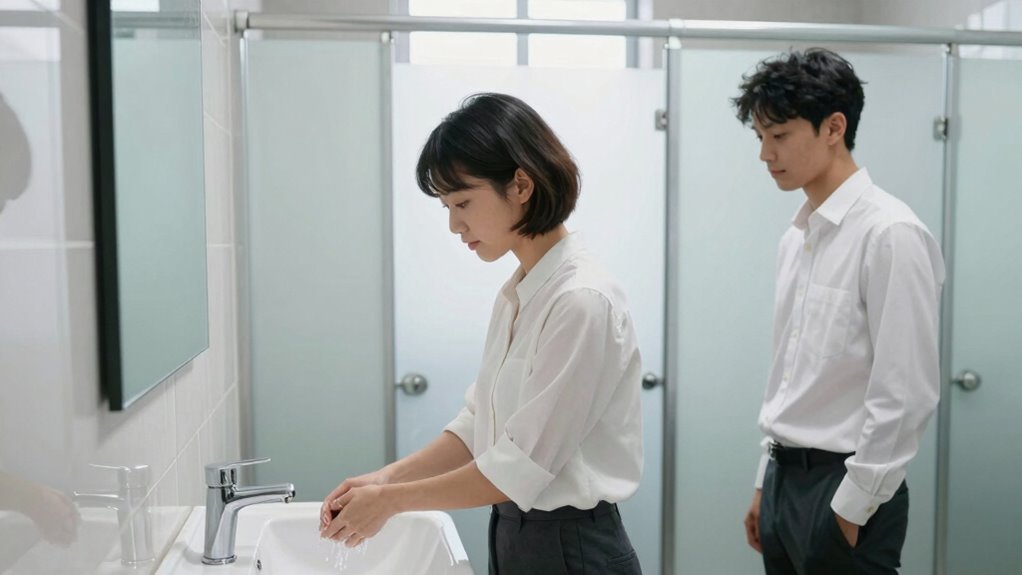
It’s equally essential to be aware of your own hygiene habits before entering shared spaces. Avoid using the plunge pool if you’re feeling unwell or have any skin infections. If you’ve recently been sick or have cuts or abrasions, it’s best to wait until they heal fully. These precautions are not just about protecting yourself but about preventing the spread of illness or infection to others. Good etiquette also involves using the provided facilities properly. Always use the restroom facilities as intended—flush toilets, wash your hands thoroughly, and dispose of any hygiene products correctly. Proper handwashing after using the bathroom is a non-negotiable, as it drastically reduces the chance of transferring germs into the water or onto shared surfaces.
Being conscious of bathroom cleanliness extends beyond your personal routine. If you notice any messes or hygiene issues, report them to the staff instead of leaving them for someone else to handle. Taking personal responsibility means doing your part to keep shared spaces safe and sanitary. Additionally, avoid bringing in items like towels, lotions, or other personal products into the plunge pool area that could introduce contaminants. Using clean towels and limiting the use of oils or lotions helps maintain water quality and minimizes the risk of clogging filters or spreading bacteria.
Ultimately, good etiquette around shared plunge pools is about respect and awareness. Your actions—being diligent about bathroom cleanliness, practicing good personal hygiene, and taking responsibility—help create a safe environment for everyone. When you approach shared spaces with this mindset, you’re not only protecting yourself but also contributing to a healthier, more enjoyable experience for all. Remember, personal responsibility is key to maintaining the hygiene standards that keep communal areas safe and welcoming.
Frequently Asked Questions
How Often Should Shared Plunge Pools Be Professionally Sanitized?
You should have your shared plunge pool professionally sanitized at least once a week to guarantee ideal water quality and safe pool maintenance. Regular professional cleaning helps eliminate bacteria, algae, and other contaminants, keeping the water clean and safe for everyone. If the pool sees heavy use or after any heavy rain, consider more frequent sanitation. Maintaining proper water quality not only promotes hygiene but also extends the life of your pool.
Are There Specific Hygiene Products Recommended for Shared Plunge Pools?
You should use gentle, non-abrasive disinfectants specifically designed for pool maintenance tips, like chlorine or bromine, to guarantee cleanliness. Avoid harsh chemicals that could damage poolside accessories or irritate skin. Regularly check and replace filters, and keep the pool covered when not in use. Proper hygiene products, like waterproof sanitizer sprays for hands, help maintain a safe environment. Consistent maintenance keeps shared plunge pools clean and enjoyable for everyone.
What Signs Indicate a Shared Plunge Pool Is Unsafe to Use?
You should avoid using a shared plunge pool if you notice murky water, strong odors, or visible debris, as these signs indicate poor pool maintenance and compromised hygiene standards. Skin irritation, redness, or unusual symptoms after swimming can also signal infection risks. Trust your senses and prioritize your safety; if anything seems off, it’s best to skip the pool and find a cleaner, well-maintained alternative.
How Can Individuals Protect Themselves From Germs in Shared Plunge Pools?
Think of a shared plunge pool as a small, busy marketplace—germs are the uninvited vendors. To protect yourself, practice private hygiene by showering before entering and avoid swallowing water. Use personal precautions like bringing your own towel and avoiding contact with the water if you’re unwell. By staying vigilant and maintaining these habits, you create a barrier against germs, ensuring a safer, more hygienic experience in shared pools.
Is It Necessary to Shower Before Entering a Shared Plunge Pool?
Yes, it’s necessary to shower before entering a shared plunge pool. Good personal hygiene helps reduce the spread of germs and keeps the water clean for everyone. Following proper pool etiquette, you should rinse off to remove sweat, dirt, and oils that can contaminate the water. This simple step shows respect for others and maintains a hygienic environment, making the experience enjoyable and safe for all swimmers.
Conclusion
By following these simple hygiene tips, you’ll turn shared plunge pools into safe, invigorating escapes rather than bacterial battlegrounds. Remember, a little courtesy goes a long way—think of your good manners as the superhero cape that keeps everyone healthy and happy. When you respect the space and others’ well-being, you’re not just avoiding germs—you’re transforming the experience into a paradise of cleanliness. So, plunge in responsibly and make every plunge a pristine, enjoyable adventure!