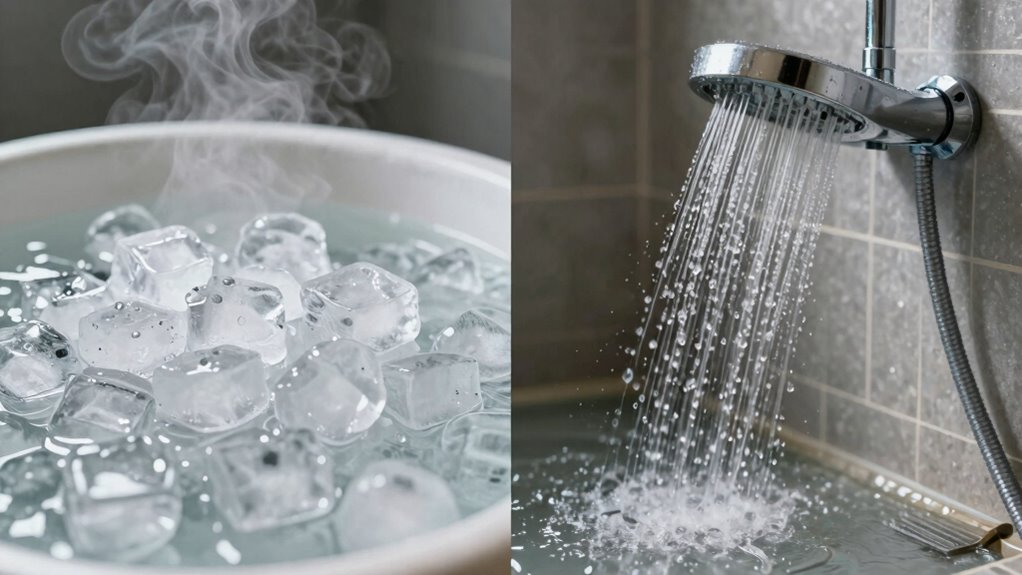

If you want quick muscle recovery and inflammation relief, ice baths are the better choice because they use colder water (50-59°F) and last around 10-15 minutes. Cold showers (60-70°F) improve mental clarity, boost immunity, and are easier to incorporate daily. Understanding how each method activates your body’s cold response helps you pick the right one for your goals. Continue exploring to discover which approach will benefit you most.
Key Takeaways
- Ice baths use colder water (50-59°F), providing deeper inflammation relief and muscle recovery than cold showers.
- Cold showers are less intense, typically 60-70°F, promoting mental clarity and immune health with safer daily application.
- The duration of ice baths (10-15 min) is longer and more targeted for physical recovery, while cold showers are shorter (2-5 min) for mental benefits.
- Ice baths activate a stronger cold shock response, aiding in thermoregulation and resilience building, unlike the milder response from cold showers.
- Your goal determines the choice: athletic recovery and inflammation reduction favor ice baths; mental wellness and routine maintenance suit cold showers.
What Are Cold Exposure Methods: Ice Baths and Cold Showers?
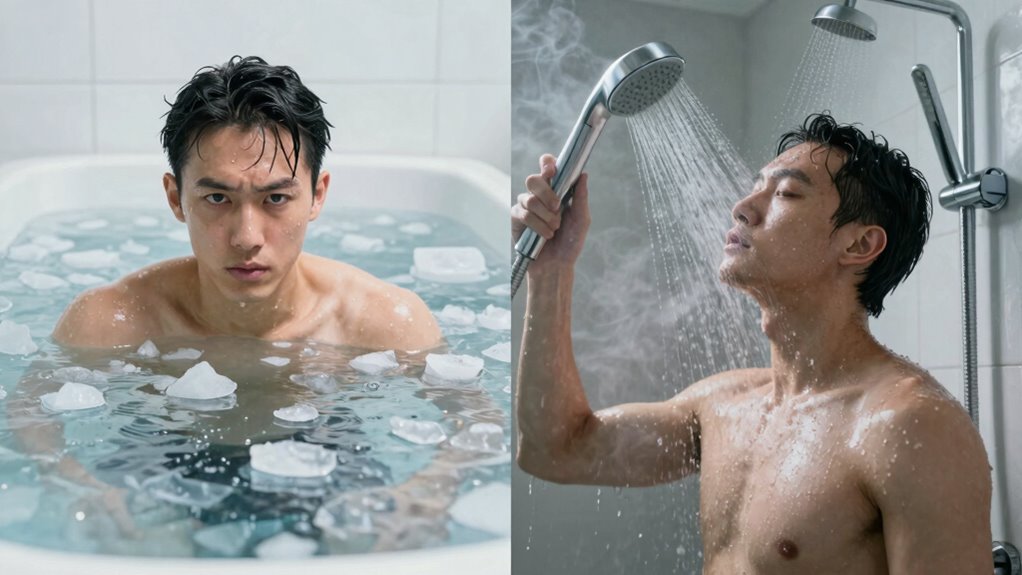
Cold exposure methods like ice baths and cold showers involve immersing or rinsing your body in cold water to promote recovery and boost alertness. These practices hinge on effective temperature control, allowing you to regulate how cold the water is to suit your tolerance and goals. Regular exposure can strengthen your mental resilience, helping you stay calm and focused under stress. By deliberately subjecting yourself to cold, you train the mind to manage discomfort and build a sense of discipline. Whether you prefer the full-body immersion of an ice bath or the quick refresh of a cold shower, both methods challenge your body’s response to low temperatures. Over time, they can enhance your ability to handle stress and improve your overall mental toughness. Additionally, understanding the role of contrast in temperature regulation can optimize your cold exposure routine for better results. Incorporating controlled temperature fluctuations can further enhance the benefits by challenging your body’s adaptability and recovery response. Engaging in consistent practice helps solidify these benefits and improves your body’s response over time. Developing a tailored training protocol can optimize the effectiveness of cold exposure for your specific needs. Recognizing the importance of gradual adaptation can also make your cold exposure routines safer and more effective as you build tolerance.
How Do Ice Baths and Cold Showers Differ for Recovery and Wellness?
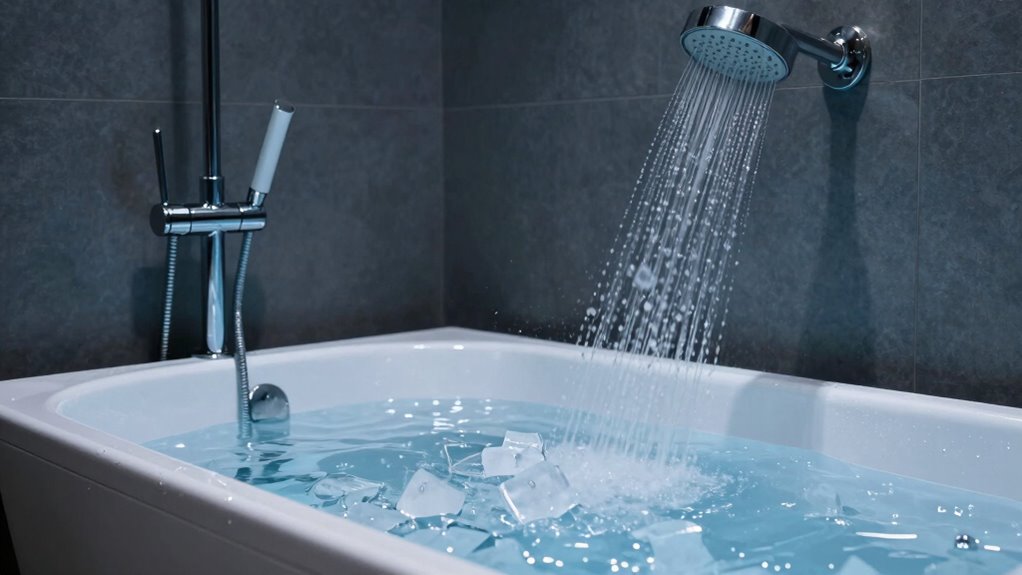
While both ice baths and cold showers are popular methods for promoting recovery and wellness, they serve different purposes and offer distinct benefits. Ice baths are more intense, helping reduce inflammation and muscle soreness, which accelerates physical recovery. Cold showers, being less extreme, promote mental clarity and can give your immune system a gentle boost. Here’s how they differ:
Ice baths reduce soreness, while cold showers boost mental clarity and immune health.
- Intensity – Ice baths are colder and more immersive, targeting deep muscle recovery.
- Duration – Cold showers are usually shorter, fitting easily into daily routines.
- Focus – Ice baths focus on physical recovery; cold showers enhance mental wellness.
- Accessibility – Cold showers are more convenient and safer for regular use. Incorporating temperature regulation techniques can improve safety and comfort during cold exposure.
Understanding the proper techniques and equipment required can make these recovery methods safer and more effective. Proper cold exposure protocols can maximize benefits while minimizing risks. Both methods support wellness but in different ways—choose based on your recovery or mental clarity goals. Additionally, employing modern kitchen technology devices like precise temperature control systems can help optimize your cold exposure sessions safely at home.
What Are the Temperatures of Ice Baths and Cold Showers?
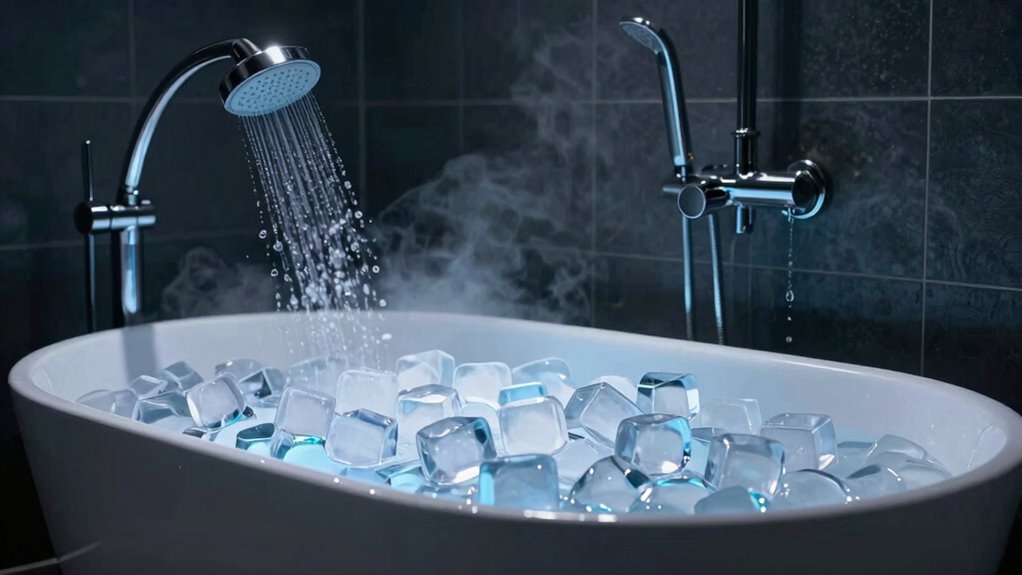
Ice baths typically range from 50°F to 59°F (10°C to 15°C), creating a deep chill that helps reduce inflammation and soothe sore muscles. The temperature ranges are carefully controlled to optimize water cooling without causing harm. During an ice bath, the water’s low temperature accelerates blood vessel constriction, aiding recovery. Cold showers, on the other hand, usually range from 60°F to 70°F (15°C to 21°C), offering a milder cooling effect. This temperature difference influences how your body responds, with ice baths providing more intense water cooling. Knowing these temperature ranges helps you choose the right method for your needs, whether you’re seeking rapid recovery or a invigorating, revitalizing experience. Proper water cooling is essential for maximizing the benefits of each method. Vetted Additionally, understanding temperature control can help prevent adverse reactions and ensure safety during use. Incorporating temperature regulation techniques can further enhance comfort and safety during cold immersion practices. Furthermore, the adherence to safe temperature guidelines is crucial to prevent hypothermia or skin damage during cold exposure. Maintaining proper water temperature is also important for consistency and effectiveness in cold therapy routines.
How Long and How Often Should You Use Each Method?
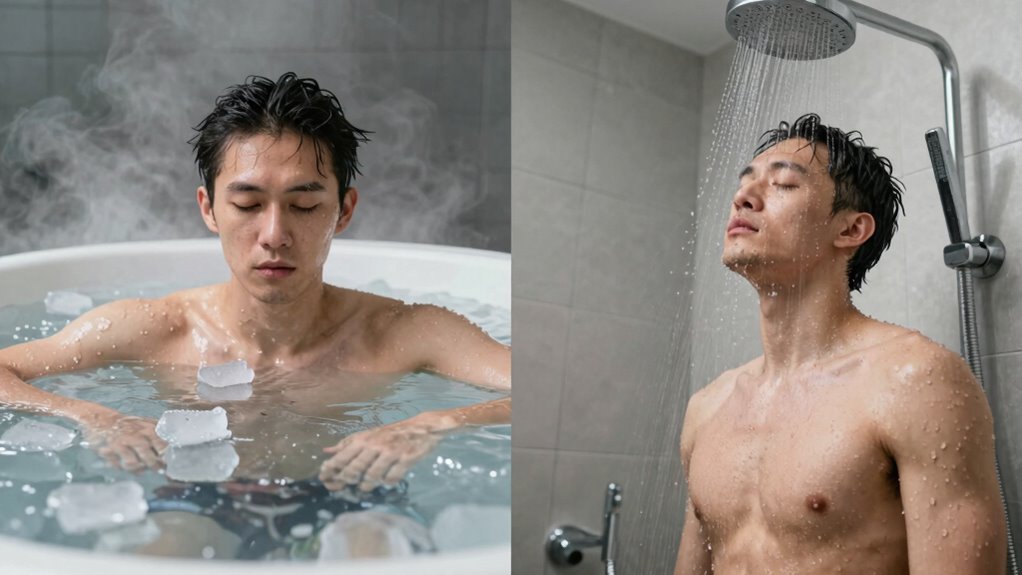
Knowing how long and how often to use ice baths or cold showers can maximize their benefits while minimizing risks. Typically, sessions last between 5 to 15 minutes, depending on your experience and goals. Most people find that taking these treatments 2 to 4 times a week works well for recovery and wellness. Additionally, temperature regulation plays a crucial role in achieving optimal results and ensuring safety during cold exposure. Maintaining proper body temperature can help prevent hypothermia and enhance comfort during sessions. Proper preparation and acclimation can also enhance comfort and effectiveness during cold exposure sessions. Incorporating gradual exposure techniques can improve tolerance and overall experience.
Optimal Duration Per Session
Determining the most effective duration for each session depends on your goals and tolerance levels. For cold showers, start with 2-5 minutes, adjusting as needed based on comfort. Cold exposure duration can influence the benefits and safety of your routine, so paying attention to how your body reacts is essential. Ice baths typically last longer, around 10-15 minutes, but should never cause numbness or pain. Use these duration guidelines to prevent overexposure and adverse effects. Consistency matters, so focus on maintaining a regular schedule rather than extending sessions excessively. Here are some general ideas to contemplate:
- Short, 2-5 minute cold showers for beginners
- Up to 10 minutes as your tolerance builds
- Ice baths lasting 10-15 minutes for recovery
- Adjust session duration based on how your body responds
- Incorporating energy-efficient technology can optimize your recovery routine while supporting sustainable practices.
Recommended Frequency Schedule
Choosing how often to use cold exposure methods depends on your goals, tolerance, and schedule. If you’re aiming to boost mental resilience, start with 2-3 sessions per week, gradually increasing as your body adapts. For social connection, consider group cold showers or ice baths, which can enhance motivation and accountability. Regular cold exposure can strengthen your mental toughness and improve mood, but overdoing it may lead to fatigue or injury. Listen to your body and adjust frequency accordingly. Monitoring your progress can help you find the optimal balance for your individual needs. Consistency is key—whether you’re doing cold showers daily or ice baths weekly, sticking to a routine helps maximize benefits. Balance cold exposure with adequate recovery to maintain both mental and physical well-being. Engaging in safe practices and understanding your personal limits are essential for long-term success. Additionally, incorporating proper hydration supports recovery and overall resilience during cold exposure routines. Being aware of heat transfer principles can optimize your experience and safety during these practices. Understanding individual tolerance can further personalize your schedule for better results.
Which Cold Exposure Method Is Better for Recovery and Reducing Inflammation?
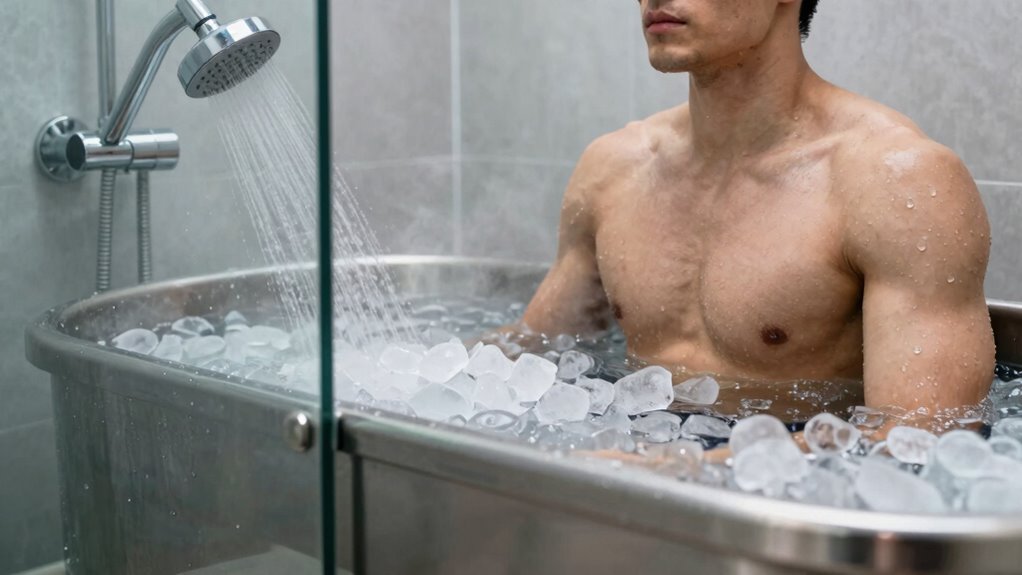
Both cold showers and ice baths can aid recovery and reduce inflammation, but which method works better? Cold showers are more accessible and easier to incorporate daily, while ice baths may provide deeper relief for intense soreness. Understanding their respective benefits can help you choose the most effective option for your recovery needs.
Cold Shower Benefits
Cold showers offer a practical and accessible way to boost recovery and reduce inflammation, making them a popular choice for athletes and wellness enthusiasts alike. They help sharpen mental clarity, enhance alertness, and can give your immune system a gentle boost. By exposing yourself to cold water, you stimulate circulation and promote faster muscle recovery without the need for specialized equipment.
Here are some key benefits:
- Increased mental clarity and focus
- Enhanced immune system support
- Reduced muscle soreness and inflammation
- Improved circulation and recovery speed
Taking cold showers regularly can elevate your overall wellness and resilience, making them a simple yet effective recovery tool that fits easily into your routine.
Ice Bath Effectiveness
While cold showers are convenient and easy to incorporate into your daily routine, ice baths often provide a more intense and targeted approach for recovery and reducing inflammation. Ice baths can considerably decrease muscle soreness and inflammation, speeding up recovery after intensive workouts. They also promote mental clarity by pushing your mental boundaries and boosting your immune system through exposure to cold stress. To help you visualize, here’s a quick comparison:
| Method | Recovery Benefits | Mental Clarity & Immunity |
|---|---|---|
| Cold Shower | Mild inflammation reduction | Moderate mental boost |
| Ice Bath | Deep inflammation reduction | Strong mental and immune boost |
Choosing an ice bath can amplify your recovery and help sharpen your mental focus.
How Do These Methods Impact Your Body’s Cold Response?

When you expose your body to cold water, whether through an ice bath or a cold shower, your body’s natural cold response kicks in quickly. This triggers a cold shock that activates your thermoregulatory response to maintain core temperature. You may notice these effects:
- Sudden breath-holding or hyperventilation during initial immersion
- Increased heart rate as your body fights to stay warm
- Rapid constriction of blood vessels to conserve heat
- Activation of brown fat stores to generate warmth
Both methods stimulate this cold shock, but ice baths tend to produce a more intense response due to lower temperatures. Your body adapts by sharpening its thermoregulatory mechanisms to protect essential functions in cold conditions.
Are There Any Risks or Practical Considerations to Keep in Mind?

Exposing your body to cold water can offer benefits, but it also comes with potential risks and practical considerations you should be aware of. If you’re on certain medications, like blood thinners or blood pressure drugs, cold exposure might interact with these, increasing your risk of adverse effects. Additionally, your skin sensitivity plays a role—people with conditions like eczema or dermatitis may experience irritation or discomfort from cold water. It’s important to start gradually and listen to your body, especially if you’re new to cold exposure. Never push yourself to extreme temperatures or durations without proper guidance. Always consult a healthcare professional if you’re unsure about how cold exposure might affect your health, particularly if you have underlying conditions or medication concerns.
How Can You Choose the Best Cold Exposure Method for Your Goals?

Choosing the right cold exposure method depends on your specific goals, whether it’s recovery, mental clarity, or athletic performance. To narrow down your options, consider these factors:
- If mental health and mood boost are priorities, a cold shower provides quick, accessible benefits without much preparation.
- For enhancing athletic performance and muscle recovery, ice baths may be more effective due to deeper, longer-lasting cold exposure.
- If you’re new to cold exposure, start with cold showers to build tolerance before progressing to ice baths.
- Your schedule and comfort level matter—shower sessions are easier to fit into daily routines, while ice baths require more setup.
Match your choice to your goals to optimize benefits and stay consistent.
Frequently Asked Questions
Can Cold Exposure Improve Mental Health or Mood?
Cold exposure can definitely boost your mental health and mood. When you immerse yourself in cold water, you stimulate mental clarity and enhance emotional resilience. This practice triggers the release of endorphins, which lift your spirits, and helps reduce stress by calming your nervous system. Regular cold exposure trains your mind to stay calm under pressure, making it easier to manage daily challenges and improve overall emotional well-being.
Are There Specific Contraindications for Cold Exposure Methods?
Think of cold exposure as a double-edged sword—while it can boost your resilience, it also carries risks if misused. You should be aware of contraindications like cardiovascular issues, Raynaud’s disease, or nerve sensitivity, which make cold exposure risky. If you have these conditions or are pregnant, consult a healthcare professional first. Ignoring risks can lead to adverse effects, so always approach cold methods with caution and awareness.
How Does Cold Exposure Affect Athletic Performance Long-Term?
Cold exposure can boost your long-term athletic performance by enhancing muscle recovery and reducing inflammation. Regular cold therapy helps you recover faster after intense workouts, allowing you to train more consistently and improve endurance. It also minimizes inflammation, which lessens soreness and the risk of injury. Over time, these benefits support better performance, quicker recovery, and sustained training, making cold exposure a valuable part of your athletic routine.
What Are the Environmental Impacts of Ice Baths Versus Cold Showers?
Like a ripple spreading across water, your choices impact the environment. Cold showers usually have a smaller environmental footprint, as they require less energy and water, addressing sustainability concerns effectively. Ice baths, on the other hand, demand significant energy for freezing water, increasing energy consumption and environmental impact. If you’re aiming for eco-friendliness, opting for cold showers helps reduce your carbon footprint and conserves resources.
Is There an Optimal Time of Day for Cold Exposure Practices?
You should do cold exposure practices in the morning or early afternoon to maximize timing benefits. Morning sessions help boost alertness and set a positive tone for your daily routine, while early afternoon cold showers can refresh you mid-day. Consistency is key, so choose a time that fits your schedule, making it easier to incorporate into your daily routine and enjoy the full benefits of cold exposure.
Conclusion
Choosing between ice baths and cold showers is about finding what cools your body and calms your mind. Imagine stepping into icy water, feeling the chill awaken your senses and soothe your muscles. Whether you prefer the deep immersion or the brisk splash, embracing cold exposure can rejuvenate your body and sharpen your focus. Trust your instincts, listen to your body, and let each cold moment be a invigorating journey toward better recovery and wellness.