
When you feel like you can’t catch your breath, your lungs aren’t working efficiently to get enough oxygen. This can happen due to conditions like asthma, allergies, or other respiratory issues that block airflow or reduce lung capacity. Sometimes, stress or disrupted breathing patterns make it harder to breathe smoothly. If this happens often, it’s important to see a doctor for a proper diagnosis. Keep exploring to learn simple ways to help manage and improve your breathing.
Key Takeaways
- The feeling occurs when lungs can’t supply enough oxygen, often due to airway or lung capacity issues.
- Panic and anxiety can cause rapid, shallow breathing, worsening the sensation of breathlessness.
- Breathing techniques like diaphragmatic or pursed-lip breathing help restore normal airflow.
- Regular practice of these techniques can strengthen lungs and reduce episodes over time.
- Persistent or severe breathlessness requires medical assessment to identify underlying causes and treatment.
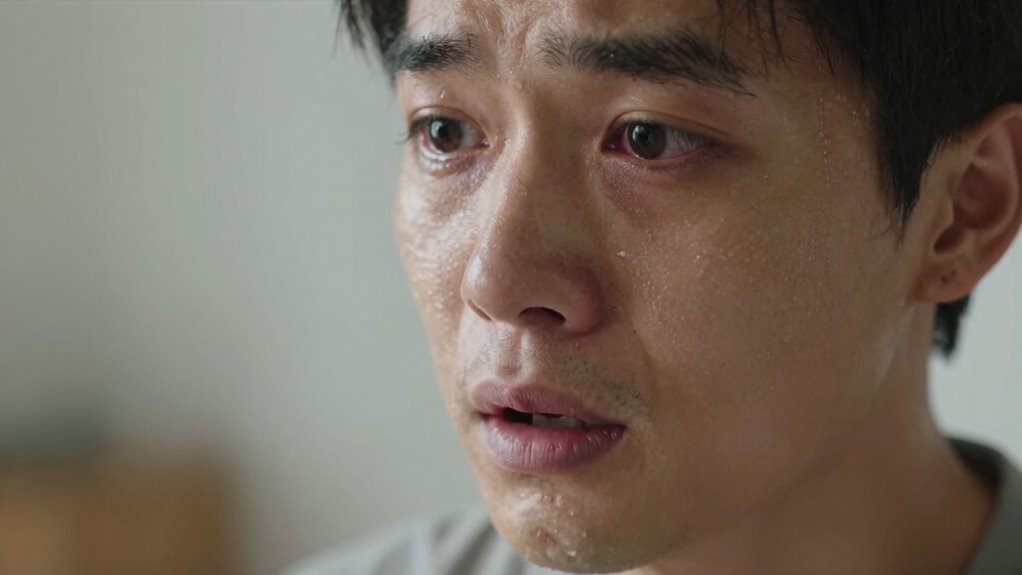
Have you ever found yourself unable to catch your breath, feeling like air is just out of reach? That sudden rush of panic can be frightening, but understanding what’s happening can help you regain control. When you struggle to breathe, it often relates to your lung capacity, which determines how effectively your lungs exchange oxygen and carbon dioxide. If your lungs aren’t functioning at their best—whether due to asthma, allergies, or other respiratory issues—you might notice episodes where breathing feels labored or incomplete.
During these moments, your body isn’t getting enough oxygen, and your brain sends signals to breathe harder and faster. But sometimes, your breathing pattern gets disrupted, making it seem even more difficult to get air. That’s where breathing techniques come into play. Simple exercises like diaphragmatic breathing or pursed-lip breathing can help you slow down, relax your respiratory muscles, and improve your lung capacity. These techniques encourage deep, controlled breaths, which can increase oxygen intake and reduce feelings of breathlessness.
Breathing techniques like diaphragmatic and pursed-lip breathing help relax muscles and improve lung capacity.
When you’re in the midst of the “I can’t catch my breath” sensation, it’s natural to panic. But instead of reacting with rapid, shallow breaths, try to focus on slowing your breathing. Inhale slowly through your nose, allowing your belly to rise as your diaphragm expands. Then, exhale gently through pursed lips or your nose, aiming for a longer, controlled exhale. This method helps to maintain open airways, prevent airway collapse, and improve your overall breathing efficiency. Regular practice of these techniques can also enhance your lung capacity, helping you manage symptoms more effectively over time.
Practicing these breathing techniques regularly can bolster your lung capacity over time. When you’re not experiencing symptoms, incorporate them into your daily routine to build resilience. Strengthening your lungs and learning to control your breath can make episodes of breathlessness less severe or even prevent them altogether. Additionally, awareness of respiratory health and early intervention can prevent episodes from worsening. If you frequently experience difficulty catching your breath, it’s essential to consult a healthcare professional. They can assess your lung capacity, identify underlying causes, and recommend appropriate treatments or therapies.

The Power of Breath: A Comprehensive Guide to Mastering 21 Breathing Techniques for Health, Focus, and Well-Being
As an affiliate, we earn on qualifying purchases.
As an affiliate, we earn on qualifying purchases.
Frequently Asked Questions
Can Anxiety Cause Shortness of Breath?
Yes, anxiety can cause shortness of breath. During panic attacks, your body reacts as if it’s in danger, triggering rapid breathing and chest tightness. This affects your respiratory health and makes you feel like you can’t breathe properly. You might notice a sense of suffocation or hyperventilation, which worsens anxiety. Recognizing these symptoms helps you manage the situation better and reduces the fear of not catching your breath.
When Should I See a Doctor for Breathing Issues?
You should see a doctor for breathing issues if your symptoms persist, worsen, or are accompanied by chest pain, dizziness, or bluish lips. Don’t dismiss signs that affect your lung capacity or if breathing exercises don’t improve your condition. Prompt medical attention ensures proper diagnosis and treatment, helping you breathe easier and prevent serious complications. Trust your instincts—seek help when your breathing feels abnormal or unmanageable.
Can Allergies Lead to Difficulty Breathing?
Yes, allergies can lead to difficulty breathing. When you’re exposed to allergy triggers like pollen, dust, or pet dander, your immune system responds with respiratory inflammation. This causes swelling in your airways, making it harder to breathe. If you notice persistent or severe breathing issues during allergy season or after exposure, it’s essential to see a doctor promptly to manage symptoms and prevent complications.
Are There Quick Ways to Relieve Breathlessness?
Imagine your breath as a gentle stream suddenly blocked; you need quick relief. Breathing exercises and relaxation techniques can help clear that blockage. Try deep breaths, inhaling slowly through your nose, and exhaling through your mouth. Focus on relaxing your muscles and calming your mind. These methods activate your body’s relaxation response, often providing immediate relief from breathlessness, especially during anxiety or mild asthma episodes.
What Lifestyle Changes Can Improve Breathing?
To improve your breathing, incorporate breathing exercises like diaphragmatic and pursed-lip breathing into your daily routine. Make lifestyle modifications such as quitting smoking, maintaining a healthy weight, and staying active. Reducing exposure to pollutants and allergens can also help. These changes strengthen your lungs and enhance respiratory efficiency, making it easier to breathe and reducing the chances of breathlessness. Consistency is key to seeing long-term benefits.
pursed-lip breathing mask
As an affiliate, we earn on qualifying purchases.
As an affiliate, we earn on qualifying purchases.
Conclusion
Feeling like you can’t catch your breath can be unsettling, but understanding the causes helps you stay calm. Think of it like trying to breathe through a clogged straw—you just need to clear the blockage. Whether it’s anxiety, asthma, or another issue, knowing the basics empowers you to seek help when needed. Remember, breathing difficulties are a signal from your body—listen closely, and don’t ignore what it’s telling you.

Breathing Exercise Device for Lungs, Lung Exerciser Device – 5000ml Volumetric Deep Breathing Trainer with Flow Rate Indicator for Respiratory Health & Recovery
Large 5000ml Capacity for Gradual Breathing Training – This breathing exercise device for lungs offers a maximum volume…
As an affiliate, we earn on qualifying purchases.
As an affiliate, we earn on qualifying purchases.

Breathing Exercise Device for Lungs, Lung Exerciser Device, Breathing Trainer– Upgraded Capacity 1900cc/sec, Improves Respiratory Health & Aids Recovery
Strengthen Lung Capacity & Breathing Efficiency – This breathing exercise device for lungs is designed to help improve…
As an affiliate, we earn on qualifying purchases.
As an affiliate, we earn on qualifying purchases.