
Your sense of cold exposure feeling powerful comes from both your body’s physiological responses and your mental outlook. When exposed to cold, your brain triggers physical reactions like blood vessel constriction and heat production, which are real. At the same time, your thoughts, beliefs, and expectations shape how intensely you perceive these signals. This mind-body link can amplify your experience or make it seem less overwhelming. Understanding how your mental state influences physical responses can deepen your appreciation of this powerful process.
Key Takeaways
- Physiological responses to cold, like vasoconstriction and heat generation, are real and vital regardless of mental influence.
- Mental framing and expectations can amplify or diminish the perception of cold’s intensity and benefits.
- The mind’s focus and confidence can modulate how bodily signals are perceived, affecting the cold experience.
- The placebo effect can enhance feelings of resilience and well-being during cold exposure.
- Both genuine physiological reactions and mental perceptions combine to make cold exposure feel powerful.
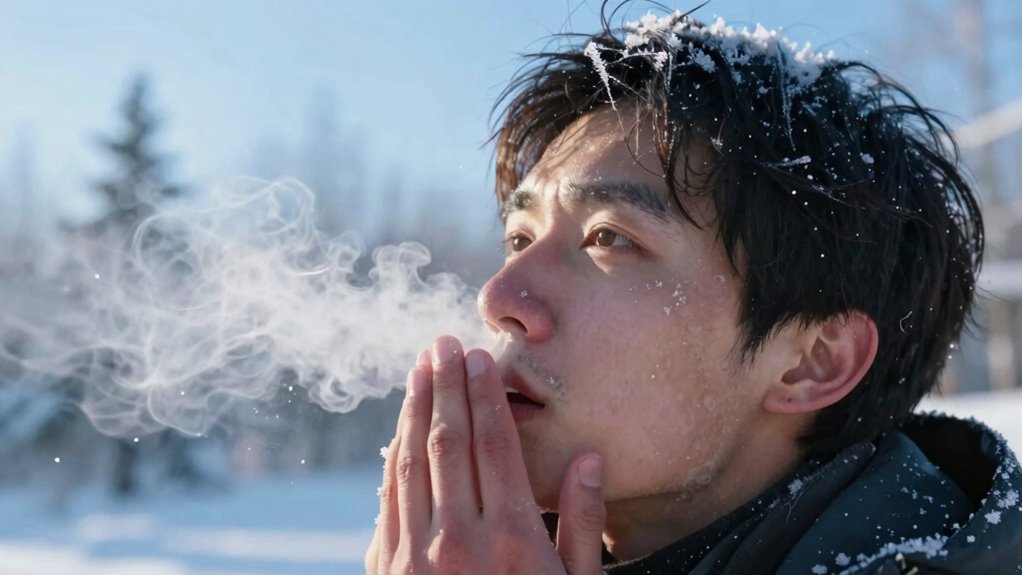
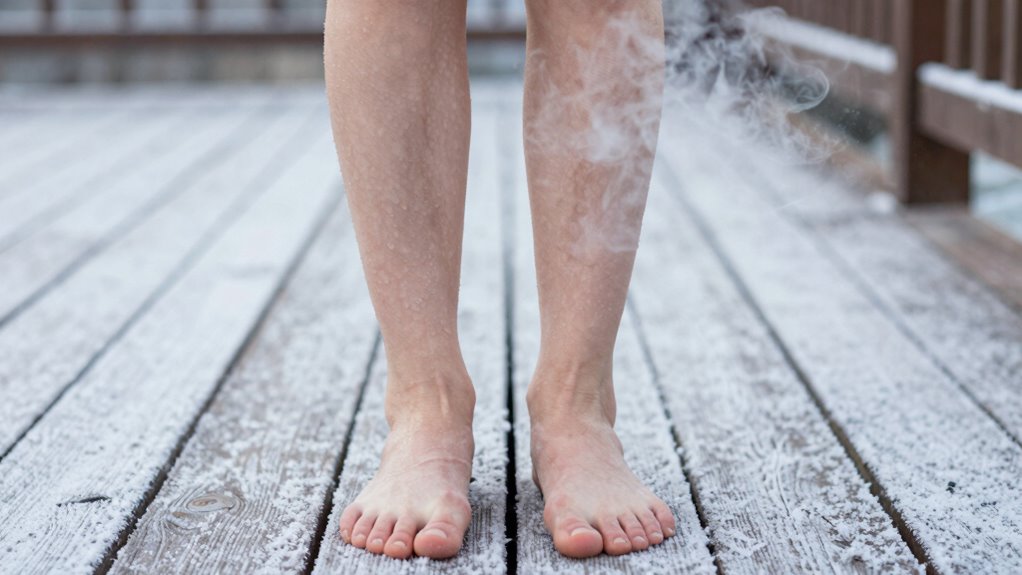
Understanding the difference between placebo effects and physiological responses is essential when evaluating health outcomes. When you step into cold water or endure a chilly outdoor session, your mind over matter plays a significant role in how you perceive the experience. The powerful connection between your thoughts and physical sensations can amplify or diminish your perception of cold exposure. This isn’t just about psychological tricks; it’s rooted in real physiological responses that your body initiates when faced with cold temperatures. Your brain sends signals to constrict blood vessels, generate heat, and activate other mechanisms to protect your core. These responses are genuine, measurable, and indispensable for survival. However, how you interpret and react to these signals can be heavily influenced by your mental state, expectations, and previous experiences.
When you believe that cold exposure is beneficial or invigorating, you’re more likely to experience positive effects, which is where the mind over matter concept truly shines. Your mental outlook can influence the intensity of your physiological responses. If you approach cold immersion with confidence and a sense of control, your body might produce fewer stress hormones and experience less discomfort. Conversely, if you’re anxious or unsure, your body may react more strongly, feeling colder and more uncomfortable. This interaction illustrates how your mind can modulate physiological responses, making the experience feel more powerful or more manageable.
Even though the sensations of cold are real, the perception of their power is often shaped by your mental framework. This is why some people report feeling energized after cold exposure, even if their body is genuinely responding in the same way as someone who finds it overwhelming. The acknowledgment of this mind-over-matter phenomenon doesn’t diminish the physiological responses occurring; instead, it highlights how your thoughts and beliefs can influence their intensity. Additionally, understanding homeostasis helps clarify how your body strives to maintain internal balance during cold exposure. When you understand this, you realize that cold exposure’s benefits aren’t solely based on physical factors—your mental resilience and outlook play essential roles.
Frequently Asked Questions
Can Placebo Effects Enhance Cold Exposure Benefits?
Yes, placebo effects can enhance cold exposure benefits by boosting your psychological preparedness and managing expectations. When you believe cold exposure will improve your mood, increase resilience, or boost immunity, your brain releases feel-good chemicals that amplify these effects. By actively focusing on positive outcomes and maintaining strong expectations, you tap into your mind’s power, making the cold experience feel even more impactful and rewarding.
How Do Individual Beliefs Influence Physical Cold Responses?
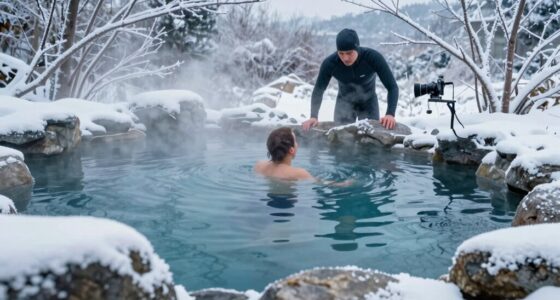
Imagine stepping into icy waters, your mind shaping the experience. Your mindset influence and expectation effects can amplify or diminish your cold response. When you believe cold exposure will energize and invigorate you, your body reacts more vigorously, releasing feel-good hormones. Conversely, doubts can make the cold feel harsher. Your beliefs act like a lens, shaping how intense and powerful your physical reaction becomes during cold exposure.
Are There Long-Term Psychological Effects of Cold Exposure?
Yes, cold exposure can have long-term psychological effects. Your mindset influence and expectation effects play a significant role, shaping how you perceive and handle future cold challenges. Over time, consistent cold exposure can boost mental resilience, reduce anxiety, and improve stress management. By consciously embracing the discomfort, you train your brain to respond better, creating lasting psychological benefits that reinforce your confidence and emotional strength in facing adversity.
Does the Placebo Effect Vary Across Different Cultures?
You might think the placebo effect is universal, but it actually varies widely across cultures. Cultural beliefs shape how you perceive and respond to treatments, making placebo variability quite real. Ironically, what’s considered a powerful remedy in one society might be dismissed as mere suggestion in another. So, your expectations and cultural background influence how effective a placebo feels, proving that mind and culture strongly intertwine in health perceptions.
Can Placebo Training Improve Cold Adaptation Skills?
Yes, placebo training can improve your cold adaptation skills by influencing your mindset and expectation management. When you believe your training techniques are effective, your brain releases chemicals that enhance your resilience to cold exposure. This mindset influence can boost your confidence and reduce discomfort, making cold exposure feel less intimidating. By harnessing these psychological factors, you can potentially accelerate your adaptation process and gain better cold tolerance over time.
Conclusion
So, whether it’s your mind convincing you of a benefit or your body truly responding, the power of cold exposure is like a double-edged sword. You might feel it because of a placebo or genuine physiological change, but either way, it’s effective. Trust in your experience, because sometimes, the mind and body work together like a well-oiled machine. Embrace the cold, knowing both your belief and biology can make it feel just as powerful.