
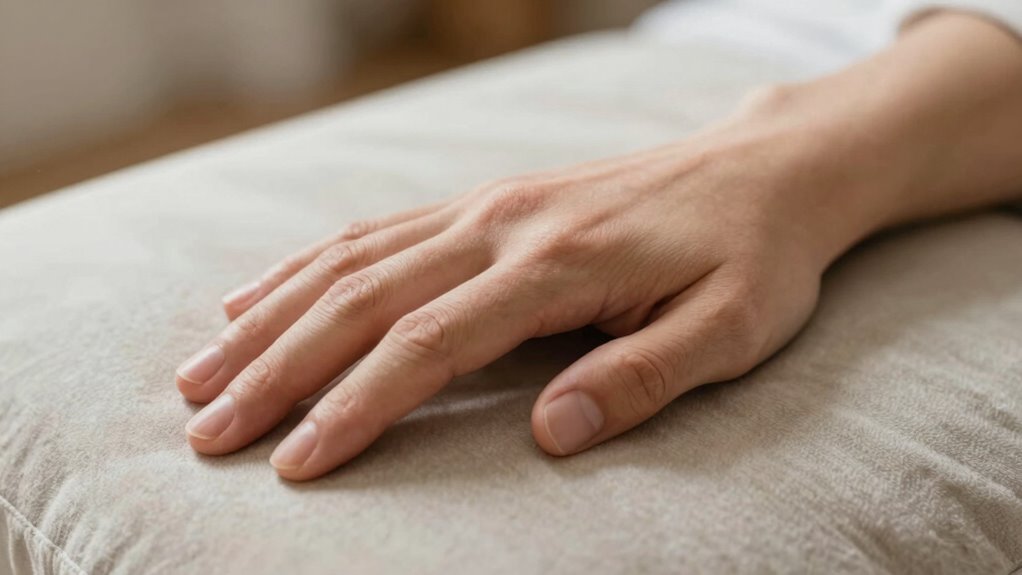

Numbness after recovery can be normal as your nerves heal, especially if it’s short-term, mild, or gradually improves. However, if numbness persists, worsens, or causes difficulty with daily activities, it could signal nerve damage or other issues requiring medical attention. Factors like inflammation, circulation problems, or nerve injury may contribute. To understand which situation applies to you and how to help, explore the full details below.
Key Takeaways
- Temporary numbness during nerve healing is normal, especially if it gradually improves over days or weeks.
- Persistent, worsening, or severe numbness beyond several weeks may indicate nerve damage requiring medical evaluation.
- Signs like sudden weakness, persistent pain, or sensory loss suggest complications needing prompt care.
- Managing inflammation with cold packs, elevation, and anti-inflammatory meds can support normal nerve recovery.
- Regular monitoring of numbness duration, intensity, and associated symptoms helps distinguish normal healing from concerning issues.

RelaxCoo Neck Ice Pack Wrap, Reusable Gel Ice Pack for Neck Shoulders, Cold Compress Therapy for Pain Relief, Injuries, Swelling, Bruises, Sprains, Inflammation and Cervical Surgery Recovery
Long-Lasting Soothing Relief- Neck ice pack wrap gel filled with 30% more gel than others, and the professional-grade…
As an affiliate, we earn on qualifying purchases.
As an affiliate, we earn on qualifying purchases.
Is Numbness After Recovery Normal?
After recovering from surgery or injury, experiencing numbness can be common, but it isn’t always normal. During the healing process, your sensory nerves work to regain function, which can cause temporary numbness or tingling. This numbness often indicates that your nerves are repairing themselves, especially if it gradually lessens over time. However, if numbness persists or worsens, it might signal nerve damage or other complications. It’s important to pay attention to how your sensory nerves respond during recovery. Mild numbness typically aligns with the healing process, but abnormal or prolonged numbness warrants further medical evaluation. Trust your body’s signals, and consult your healthcare provider if you have concerns about your recovery. Free floating sensations may also occur during nerve regeneration, reflecting the complex process of neural healing. Understanding the nerve healing process can help you better interpret your symptoms and know when to seek additional care. Recognizing normal recovery signs can assist in distinguishing between typical healing and potential issues needing medical attention. Additionally, being aware of nerve regeneration stages can provide insight into what to expect during different phases of recovery. Being informed about possible complications can help you identify warning signs that require prompt medical attention.

FREETOO Hand Compression Gloves for Swelling, Neuropathy, Arthritis Gloves for Women for Pain, Typing, Sleeping, Carpal Tunnel Gloves with Grip for Daily Use Fits Palm 6.5''-7'' Black XS
【360°compression, stop hand pain】These compression arthritis gloves extend from fingertips to wrist. 360-degree wrap around the entire metacarpal…
As an affiliate, we earn on qualifying purchases.
As an affiliate, we earn on qualifying purchases.
How Do I Know If My Numbness Is Normal or Concerning?

You should pay attention to how long your numbness lasts and how often it appears. Notice if it comes with other symptoms like weakness or pain, which could be warning signs. Also, consider whether it’s interfering with your daily activities; if it is, you should seek medical advice. Additionally, understanding the importance of comprehensive education can help you better assess when numbness indicates a need for professional evaluation. Recognizing neurological warning signs can further guide you in determining whether your symptoms require urgent attention. Staying informed about common causes of numbness can also empower you to make timely decisions regarding your health.
Duration and Frequency
Understanding whether your numbness is normal or concerning depends largely on how long it lasts and how often it occurs. Usually, during the recovery timeline, numbness related to nerve healing may persist for a few days or weeks, gradually improving over time. If your numbness is infrequent and short-lived, it’s likely part of the normal healing process. However, if it’s persistent, recurring frequently, or lasts beyond several weeks, it could signal a complication. Pay attention to the pattern—constant or worsening numbness warrants medical attention. Recovery timelines vary depending on the nerve affected and the severity of injury, but consistent or prolonged numbness is not typical of healthy nerve healing. Monitoring these factors helps you determine when to seek further evaluation.
Accompanying Symptoms
Noticing other symptoms alongside numbness can help determine if your recovery is proceeding normally or if there’s cause for concern. Sensory disruptions, such as tingling, burning, or sharp pains, may indicate that your nervous system is still healing or experiencing recovery complications. If numbness is accompanied by weakness, dizziness, or loss of coordination, it could signal a more serious issue requiring medical attention. Pay attention to any changes in sensation that seem abnormal or worsening over time. While some sensory disruptions are normal during healing, persistent or severe symptoms may suggest that your nerves are not recovering as expected. Trust your instincts—consult a healthcare professional if you’re unsure whether your numbness and accompanying symptoms are part of normal healing or signs of a problem.
Impact on Daily Life
When numbness starts affecting your daily routines, it’s important to evaluate whether it’s part of normal healing or a sign of a problem. Sensory impairment can interfere with tasks like typing, dressing, or cooking, making everyday activities difficult. If your numbness persists or worsens, it could indicate delayed nerve recovery or nerve damage needing medical attention. Pay attention to signs like sudden weakness, loss of coordination, or persistent pain, which aren’t typical of normal recovery. Additionally, understanding the numbness causes associated with nerve issues can help determine if medical intervention is necessary.
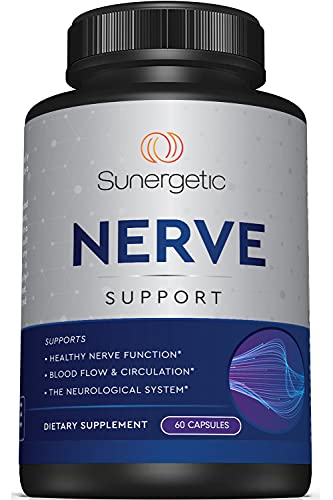
Premium Nerve Support Supplement – with Alpha Lipoic Acid (ALA) 600 mg, Acetyl-L-Carnitine (ALC) & Benfotiamine – Nerve Support Formula for Healthy Circulation, Feet, Hands & Toes – 60 Capsules
POWERFUL NERVE SUPPORT FORMULA: Are you looking for nerve support? Our Nerve Health Supplement helps support the neurological…
As an affiliate, we earn on qualifying purchases.
As an affiliate, we earn on qualifying purchases.
What Causes Numbness After Healing?
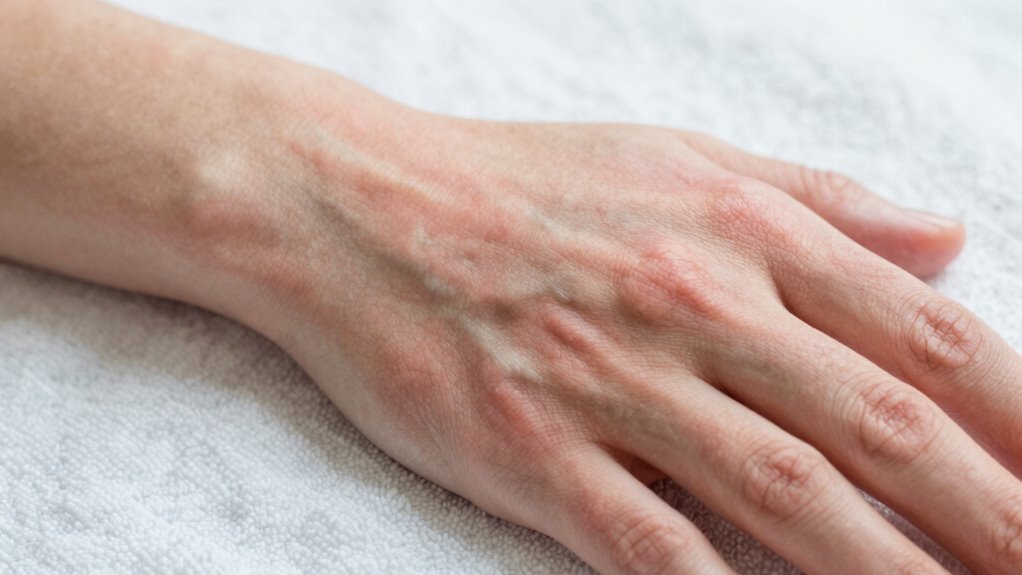
Numbness after healing can happen for several reasons, like nerve damage or inflammation that irritates your nerves. Circulatory changes, such as reduced blood flow, might also contribute to the sensation. Understanding these causes can help you figure out the best way to address your symptoms. Utilizing appropriate filtration and pump protection techniques can prevent further complications and support proper healing. Additionally, maintaining proper drone safety protocols can minimize the risk of nerve injuries during drone operation or maintenance. Being aware of the neurological impacts of certain injuries can also guide effective recovery strategies. Recognizing the role of European cloud innovation in healthcare data management can further ensure secure handling of sensitive information during recovery processes. Proper assessment of Gold IRA markets can inform safer investment choices during your recovery period.
Nerve Damage Risks
Even after your skin has healed, nerve damage can still cause numbness because the nerves themselves may have been directly injured or compressed during injury or surgery. This damage can hinder nerve regeneration, delaying or preventing sensory recovery. Factors that increase nerve damage risks include:
- Severe trauma that crushes or tears nerves
- Surgical procedures that accidentally damage nerve fibers
- Chronic compression from swelling or scar tissue
- Lack of proper healing strategies, which can also contribute to prolonged numbness and complicate recovery. Additionally, the presence of home security systems that monitor your property can provide peace of mind during the recovery process, especially if you are concerned about safety during periods of reduced mobility. Incorporating hydrotherapy techniques can promote circulation and nerve healing, potentially reducing recovery time. Proper nutrition also plays a vital role in nerve regeneration and overall healing, and seeking medical advice early can improve outcomes if nerve injury persists.
These issues can disrupt normal nerve function, leading to ongoing numbness or altered sensation. Understanding these risks helps you recognize when numbness might be a sign of persistent nerve injury rather than normal healing. If nerve injury occurs, recovery may be slow or incomplete, making early intervention vital to preserve nerve function.
Inflammation and Swelling
Inflammation and swelling can continue to cause numbness after your skin has healed because they put pressure on nerves, disrupting their normal function. To address this, inflammation management is essential. Applying cold packs can help reduce swelling, easing nerve compression. Elevating the affected area also aids swelling reduction by encouraging fluid drainage. Over-the-counter anti-inflammatory medications might be recommended by your healthcare provider to decrease inflammation further. Keep in mind that persistent swelling can prolong numbness, so managing inflammation promptly is key. Additionally, proper inflammation control can help prevent chronic nerve issues. Incorporating anti-inflammatory techniques into your recovery plan can further support nerve health. Maintaining a healthy diet and lifestyle may also contribute to reducing inflammation and promoting healing. Being aware of mammography guidelines and discussing your personal risk factors with your healthcare provider can help ensure appropriate screening and early detection if needed. If swelling and numbness persist despite these measures, it’s important to consult a medical professional to rule out other underlying issues. Proper inflammation management and swelling reduction can markedly improve nerve function and decrease numbness after healing.
Circulatory Changes
After inflammation and swelling have been managed, changes in circulation can still cause numbness during healing. Altered circulatory flow may reduce blood circulation to affected nerves, leading to persistent numbness or tingling sensations. This occurs because blood carries oxygen and nutrients essential for nerve repair and function. When circulation is compromised, nerves don’t get enough support, slowing recovery. Factors like blood vessel constriction, scar tissue, or positional compression can disrupt blood flow. You might notice numbness more in certain positions or after activity. To address circulatory changes, gentle movement and proper posture can help improve blood circulation. Understanding these shifts helps you recognize when numbness is a normal part of healing or a sign that circulation needs further attention.

Nervive Pain Relieving Cream, Nervive Pain Relief, Max Strength Formula, Lidocaine Cream, Lidocaine Topical, Foot Pain, Leg Pain, Hand Pain Non-Greasy, 3.0z
EXPERIENCE POWERFUL PAIN RELIEF WITH NERVIVE, FROM THE MAKERS OF THE WORLD'S #1 NERVE CARE BRAND
As an affiliate, we earn on qualifying purchases.
As an affiliate, we earn on qualifying purchases.
Warning Signs That Numbness May Be Serious
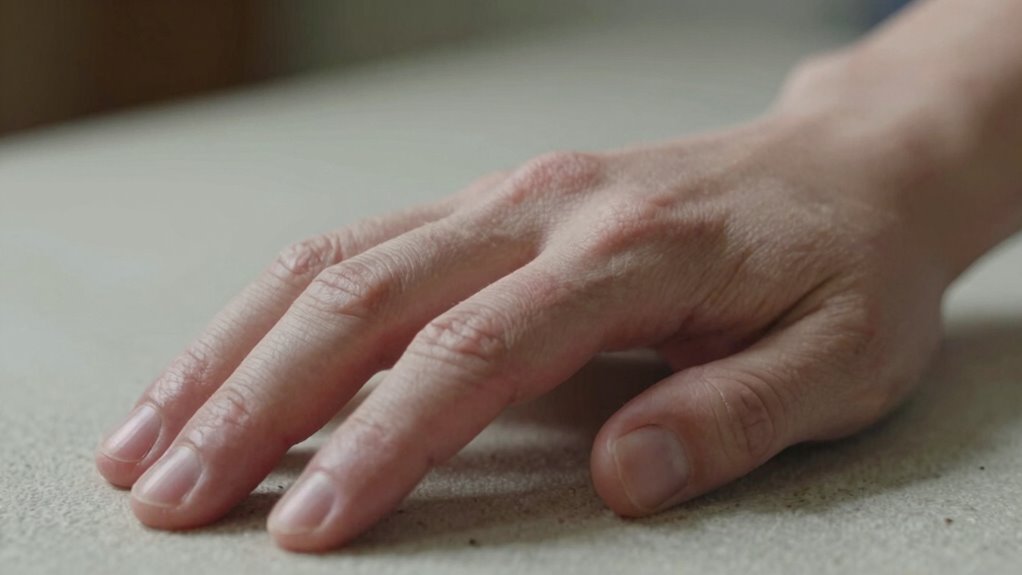
Recognizing warning signs that numbness may be serious is essential for your health. If you notice symptoms like persistent tingling, weakness, or a sudden loss of sensation, it could indicate nerve damage or impaired nerve regeneration. Neuropathy symptoms such as burning pain or numbness that worsens over time are red flags. Additionally, if numbness occurs alongside muscle weakness or difficulty controlling movements, seek medical attention promptly. Rapid changes or new symptoms, especially if they affect your balance or coordination, may signal nerve or neurological issues that need immediate evaluation. Don’t ignore these warning signs, as untreated nerve problems can worsen or lead to irreversible damage. Trust your body—early intervention can make a significant difference in recovery and long-term health.
Self-Care Tips to Reduce Numbness and Support Recovery

Taking proactive steps can make a real difference in reducing numbness and supporting your recovery process. Prioritize your emotional well-being by practicing relaxation techniques like deep breathing or meditation, which can ease stress that may worsen numbness. Make dietary adjustments by including foods rich in vitamins B12, E, and omega-3 fatty acids to nourish your nerves. Regular gentle exercises, such as stretching or light movement, can improve circulation and reduce numbness symptoms. Additionally, guarantee you get enough rest and avoid prolonged pressure on affected areas. These self-care strategies help your body heal and keep your nerves healthy during recovery, empowering you to take control of your well-being and minimize discomfort.
When Should I See a Doctor About Numbness?

You should see a doctor about numbness if it persists or worsens despite your self-care efforts, or if it happens suddenly and severely. Persistent numbness may indicate nerve damage that needs professional attention to support nerve regeneration. If numbness worsens, it could signal worsening nerve injury or other underlying issues requiring specialized pain management. Sudden, severe numbness can be a sign of urgent conditions like nerve compression or even stroke, demanding immediate medical evaluation. Timely intervention can help prevent permanent nerve damage and improve recovery outcomes. Don’t ignore these symptoms; seeking medical advice ensures you get the right diagnosis and treatment plan to manage pain and promote nerve healing effectively.
What Tests Will My Healthcare Provider Use?
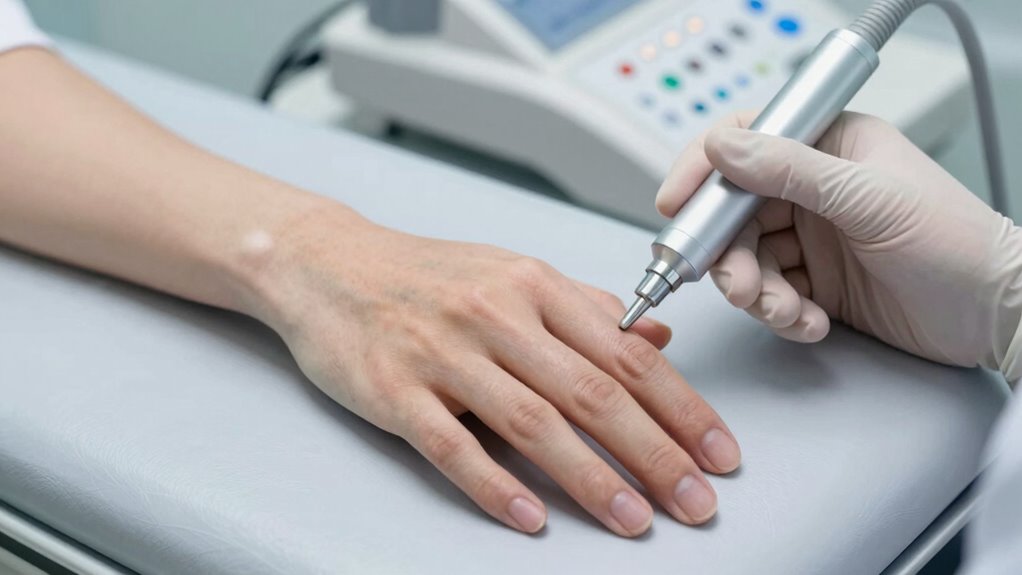
When your healthcare provider evaluates numbness, they’ll typically start with a physical exam and review your medical history to identify potential causes. They may then recommend specific tests, such as diagnostic imaging, to visualize nerves and surrounding structures. Nerve conduction studies are also common, measuring how well electrical signals travel along your nerves. These tests help pinpoint nerve damage or compression. Depending on your symptoms, additional assessments like blood tests might be ordered to check for underlying conditions. The combination of diagnostic imaging and nerve conduction tests provides an all-encompassing view, guiding accurate diagnosis and appropriate treatment. Ultimately, these tests clarify whether your numbness is part of normal recovery or signals a more serious issue needing intervention.
How Can I Prevent Future Numbness?
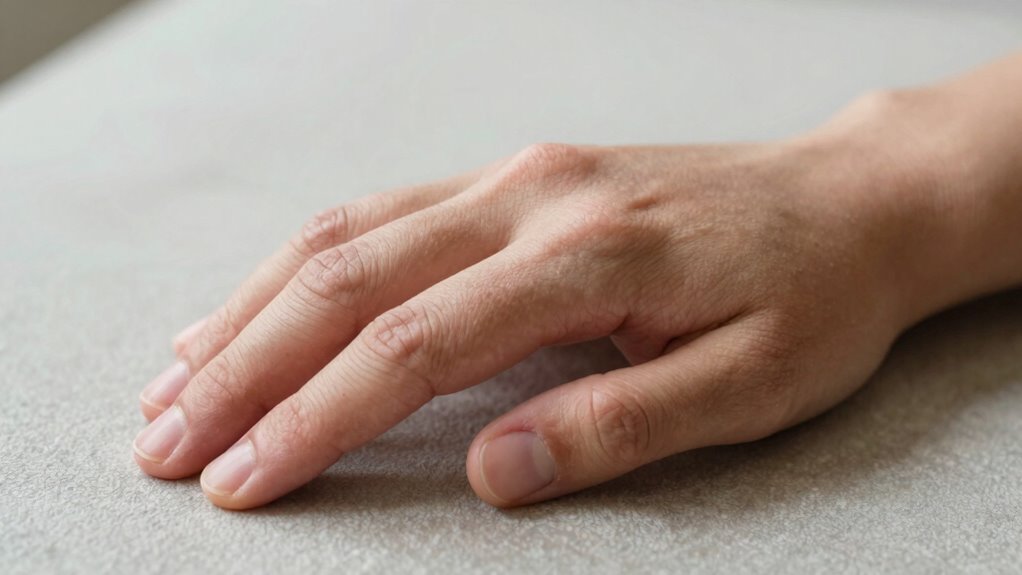
To prevent future numbness, maintaining healthy nerve function is crucial. Focus on supporting nerve repair by avoiding activities that cause repetitive strain or injury. Incorporate physical therapy into your routine, as it can strengthen muscles, improve circulation, and enhance nerve healing. Proper ergonomics at work and daily activities help reduce nerve compression. Stay active with gentle exercises to promote blood flow and nerve health. Guarantee your diet includes nutrients essential for nerve repair, like B vitamins and antioxidants. Managing underlying conditions such as diabetes also minimizes nerve damage risk. Regular check-ups with your healthcare provider can catch issues early. By taking these steps, you support ongoing nerve repair and reduce the likelihood of future numbness.
Frequently Asked Questions
Can Numbness Indicate a Recurring Underlying Condition?
Yes, numbness can indicate a recurring underlying condition like nerve damage or chronic conditions. If you notice persistent or worsening numbness, it’s important to seek medical advice promptly. Numbness may be a sign that an underlying issue is reactivating or not fully resolved. Addressing these concerns early helps prevent further nerve damage and manages chronic conditions more effectively, ensuring your health isn’t compromised long-term.
How Long Does Numbness Typically Last After Recovery?
Think of numbness as a fleeting shadow; it usually lasts from a few days to a few weeks during your recovery timeline. Sensation fluctuations are normal, but if numbness persists beyond a month or worsens, it signals you should seek medical advice. Your body’s healing process varies, so stay attentive. If numbness lingers or intensifies, it’s a sign your recovery might need a closer look.
Are There Specific Activities That Worsen Post-Recovery Numbness?
Certain activities, like intense exercise triggers, can worsen your post-recovery numbness. These activities may cause nerve irritation, leading to increased numbness or discomfort. You should be cautious with high-impact exercises or repetitive motions that put strain on affected nerves. Instead, opt for gentle stretches and low-impact activities. If numbness worsens, stop the activity and consult your healthcare provider to prevent further nerve irritation.
Does Medication Help Alleviate Persistent Numbness?
Medication can sometimes help alleviate persistent numbness, but its effectiveness depends on the underlying nerve damage. If nerve damage is minor, certain medications may reduce nerve pain or discomfort. However, if the nerve damage is severe, medications might offer limited relief. It’s essential to consult your doctor, who can evaluate your condition and recommend the best treatment plan, possibly including therapies beyond medication for ideal recovery.
Can Lifestyle Changes Prevent Future Numbness Episodes?
Yes, lifestyle changes can prevent future numbness episodes. You just need to stay alert and proactive. Incorporate mindful stretching into your daily routine to improve circulation and nerve health. Additionally, make dietary adjustments by adding nutrient-rich foods that support nerve function. These simple yet effective steps can make a big difference, helping you avoid recurring numbness and regain control over your well-being. Don’t wait—start today for a healthier tomorrow.
Conclusion
Numbness after recovery is common, but knowing when it’s normal or concerning is key. Remember, about 20% of nerve injuries can lead to persistent symptoms if not treated early. If your numbness lasts beyond a few weeks or worsens, see a healthcare professional promptly. Early intervention can make all the difference in preventing long-term issues. Stay attentive to your body’s signals and prioritize your recovery to keep nerves healthy and functioning properly.