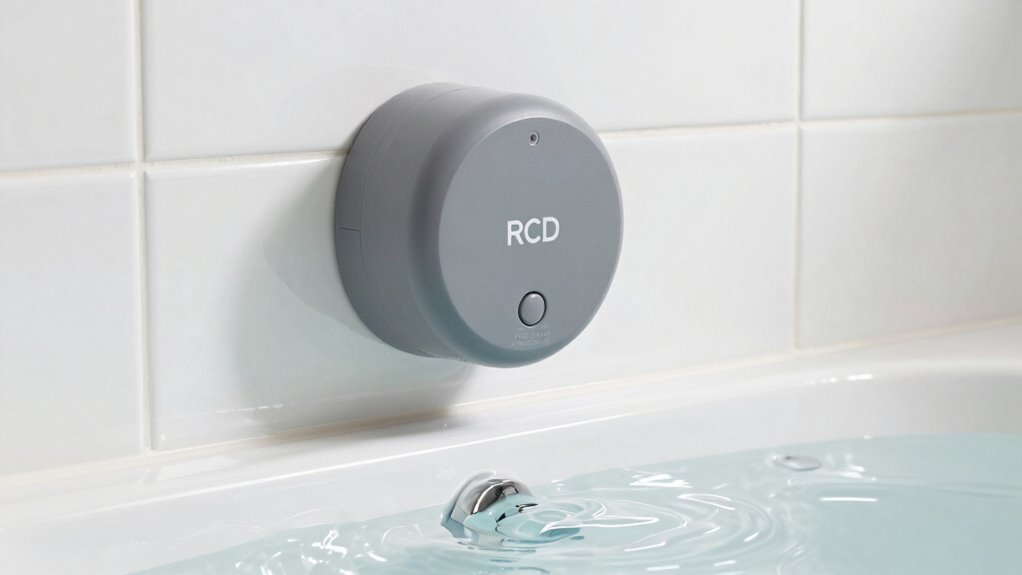

In the EU, Residual Current Devices (RCDs) are essential for your safety, especially around water. They quickly disconnect power if they detect ground faults, preventing electric shocks and fires. Water’s excellent conductivity makes RCDs indispensable in areas like kitchens, bathrooms, and pools. Properly installed RCDs help keep you safe by stopping dangerous shocks at the source. Keep going to learn how these devices work and why regular testing is crucial for your protection.
Open a free Amazon Business account
Business pricing, bulk buying and tax-exempt orders.
As an affiliate, we earn on qualifying purchases.
Key Takeaways
- RCDs are safety devices that quickly disconnect power when a ground fault is detected, preventing electric shocks.
- EU regulations mandate the installation of RCDs in areas near water, such as bathrooms and outdoor pools.
- RCDs enhance electrical safety by monitoring current flow and trip instantly during ground faults.
- Proper grounding and regular testing of RCDs are essential to ensure ongoing protection around water sources.
- Installing compliant RCDs significantly reduces the risk of electric shocks and fire hazards in water-related environments.
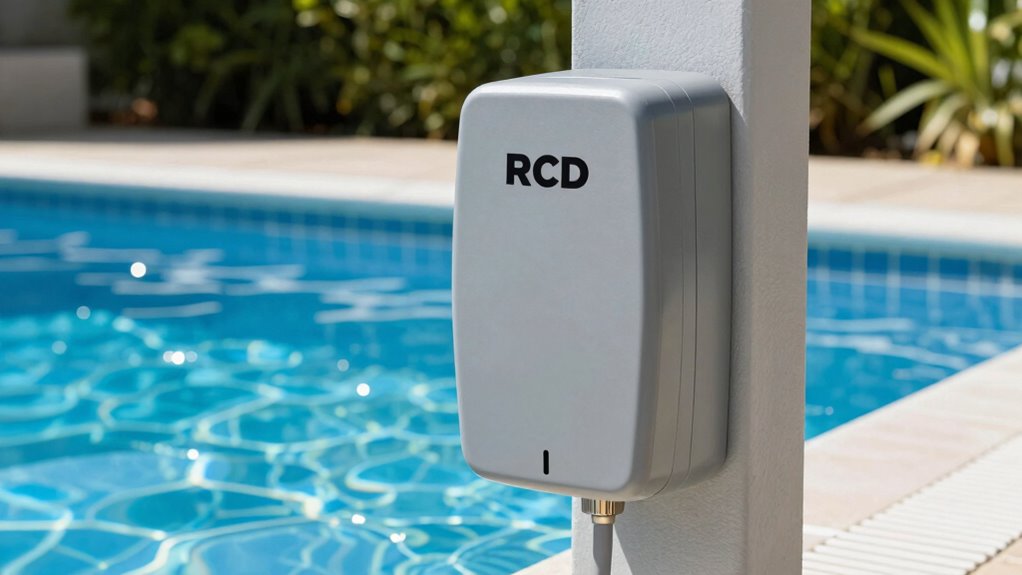
How safe is your power supply in the EU? That’s a question many people overlook until something goes wrong. The good news is that the European Union has strict electrical safety standards designed to protect you and your property. One essential element of these standards is ground fault protection, which helps prevent electric shocks and fires caused by faults in electrical systems. When you’re around water—whether in your kitchen, bathroom, or outdoor pool—ground fault protection becomes even more indispensable. It acts as a safeguard, quickly disconnecting power if a leakage occurs, reducing the risk of severe electric shocks.
In the EU, electrical safety standards mandate the use of residual current devices (RCDs), also known as residual current circuit breakers (RCCBs). These devices are specifically designed to detect ground faults—situations where current finds an unintended path to the ground. If a fault is detected, the RCD trips almost instantly, cutting off power before anyone gets hurt. This rapid response is critical when water is involved because water is an excellent conductor of electricity, increasing the danger of electric shock. Installing RCDs that incorporate ground fault protection is one of the most effective ways to enhance electrical safety around water.
RCDs detect ground faults and trip instantly, preventing shocks and increasing safety around water sources.
Your home’s electrical system should comply with these standards, which specify the types of protective devices needed and their installation locations. Not only do these standards guide electricians during installation, but they also guarantee that safety devices like RCDs are reliable and effective. When an RCD trips, it’s a clear sign that a ground fault has occurred, and you should investigate the issue immediately. Regular testing of these devices is also essential to confirm they’re functioning properly. Many RCDs have a test button that allows you to verify they trip when they should, giving you peace of mind that your safety measures are operational.
Ground fault protection isn’t just about preventing shocks; it also minimizes fire hazards caused by stray currents. Electrical safety standards emphasize the importance of proper grounding and protective devices to reduce these risks. Proper grounding and high-quality protective devices play a crucial role in maintaining safety standards and preventing dangerous faults. Ensuring your electrical system aligns with these standards isn’t just recommended; it’s indispensable for your safety. If you’re unsure whether your home meets these requirements, consulting a qualified electrician can help you identify and rectify any gaps. Remember, water and electricity are a dangerous combination, but with the right safety measures—ground fault protection and compliance with electrical safety standards—you can greatly reduce the risk and keep yourself and your loved ones safe.
EU compliant RCD residual current device
As an affiliate, we earn on qualifying purchases.
As an affiliate, we earn on qualifying purchases.
Frequently Asked Questions
How Often Should RCDS Be Tested for Optimal Safety?
You should test your RCD at least once a month to guarantee maximum safety. Follow your device’s maintenance schedule and use the testing procedures provided by the manufacturer. Regular testing helps you identify any faults early, reducing the risk of electric shock or fire. Keep a record of each test, and replace the RCD if it fails to trip during testing or shows signs of wear.
Are RCDS Required in All EU Residential Properties?
While not all EU residential properties are legally required to have RCDs, you should know that homeowner responsibilities include ensuring proper RCD maintenance for safety. Many countries mandate RCD installation in new or renovated homes, especially in areas near water. You’re responsible for checking your RCDs regularly and replacing them when needed. Staying proactive helps protect you and your loved ones from electrical hazards, especially around water.
Can RCDS Be Installed by Homeowners or Only Professionals?
You can perform DIY installation of RCDs if you have electrical knowledge and experience, but for safety and compliance, it’s best to opt for professional installation. Licensed electricians ensure the RCD is correctly installed and tested, reducing risks. While some homeowners might tackle it themselves, hiring a professional guarantees the installation meets all EU safety standards and minimizes potential hazards around water.
What Is the Typical Lifespan of an RCD?
Imagine installing an RCD in your home, and after about 10-12 years, it suddenly trips more often or fails to trip when needed. Typically, RCDs last around 10-15 years, depending on usage and electrical maintenance. Following safety regulations, you should regularly test your RCD and replace it when it nears the end of its lifespan to guarantee ongoing protection. Proper maintenance keeps your safety device functioning effectively.
Do RCD Requirements Vary Between Different EU Countries?
Yes, RCD requirements can vary between EU countries due to different national standards and installation procedures. You should check local regulations to make certain of compliance when installing or maintaining RCDs. While the core safety features remain consistent, specific standards may differ, affecting aspects like sensitivity and testing intervals. Always follow the national standards and installation procedures to guarantee your RCD provides reliable protection around water.
waterproof RCD for bathroom and pool
As an affiliate, we earn on qualifying purchases.
As an affiliate, we earn on qualifying purchases.
Conclusion
So, next time you’re splashing around or plugging in that fancy gadget, remember: an RCD is your superhero in disguise, silently saving you from electric nightmares. It’s like having a safety buddy who never takes coffee breaks—because, let’s face it, nobody wants to wake up to a shocking surprise. Stay safe, stay smart, and let that little device do the heavy lifting, so you can keep enjoying water without turning your home into a lightning show.
As an affiliate, we earn on qualifying purchases.
As an affiliate, we earn on qualifying purchases.
Fall yard work Picks
leaf blowers
As an affiliate, we earn on qualifying purchases.