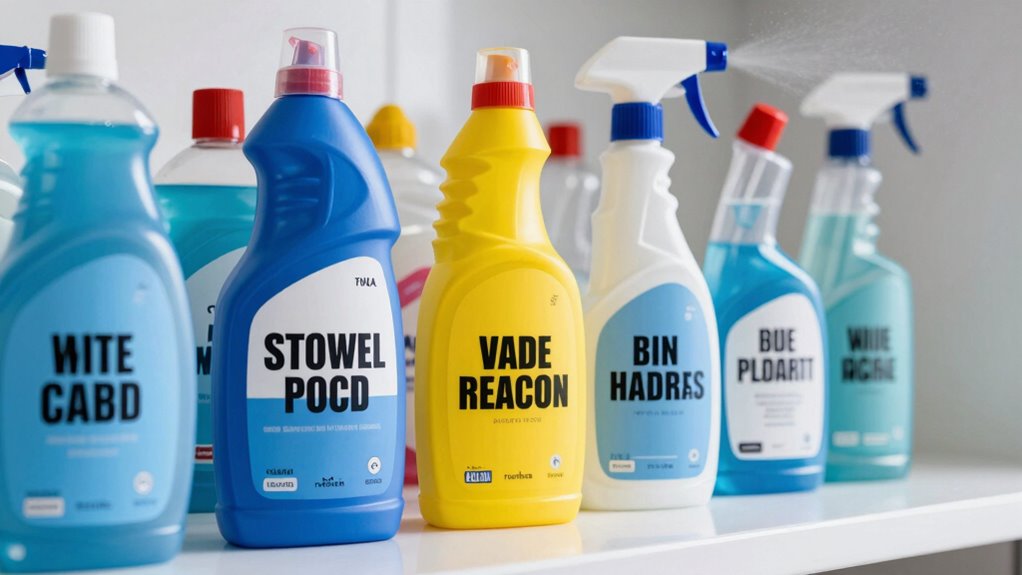
You should never mix bleach with ammonia, vinegar, or lemon juice, as these create toxic chloramine or chlorine gases that can harm your lungs, eyes, and skin. Avoid combining different cleaners unless the label explicitly says it’s safe, and always use one product at a time. Make sure to store chemicals properly and keep your space well-ventilated. If you want to stay safe and learn more about safe cleaning practices, keep exploring this essential info.
Key Takeaways
- Never mix bleach with ammonia, vinegar, or lemon juice to prevent toxic chloramine or chlorine gas formation.
- Always read labels and avoid combining chemicals unless explicitly instructed by manufacturer guidance.
- Keep chemicals stored separately in original containers away from children and pets.
- Use cleaning products one at a time, thoroughly rinsing surfaces before applying a new chemical.
- Work in well-ventilated areas and avoid mixing chemicals in closed spaces to prevent dangerous fumes buildup.
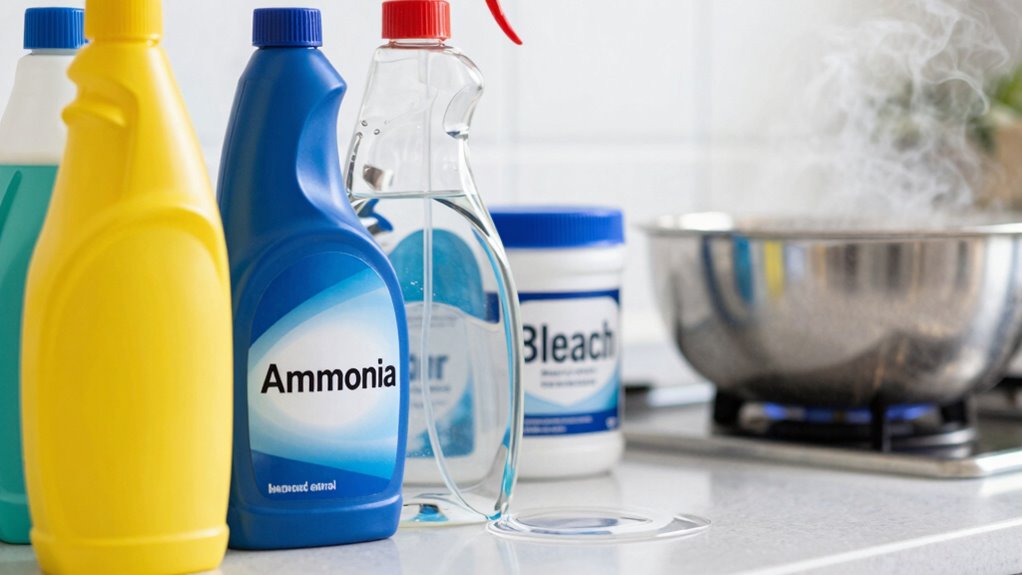
Cleaning chemicals are essential tools for maintaining a hygienic and safe environment, whether at home or in commercial spaces. However, using these chemicals improperly can lead to dangerous situations. One of the most important aspects of safe cleaning is understanding dangerous combinations. Mixing certain chemicals can produce toxic gases, cause fires, or create health hazards that you don’t want to face. For example, combining bleach with ammonia releases chloramine vapors, which can cause respiratory problems, chest pain, and eye irritation. Similarly, mixing bleach with acidic cleaners like vinegar or lemon juice produces chlorine gas, a highly toxic substance that can damage your lungs and cause breathing difficulties. Recognizing these dangerous combinations is vital for your safety.
To avoid accidents, it’s essential to follow safe mixing tips. Always read labels carefully before combining any cleaning products. If you’re unsure whether two chemicals can be safely used together, it’s best to keep them separate. Use one product at a time, thoroughly rinse surfaces if needed, and allow any fumes to dissipate before applying another cleaner. Wearing gloves and ensuring proper ventilation also reduces your risk of exposure to harmful fumes. Keep all chemicals in their original containers, clearly labeled, and store them away from children and pets. These simple precautions help prevent accidental mixing of incompatible substances.
Another safe mixing tip is to never mix household chemicals in a container that previously held another chemical unless you are certain it’s safe. Residues from previous cleaners can react unexpectedly with new products. Additionally, never mix cleaning chemicals in a closed space, as fumes can quickly build up and become dangerous. Always work in a well-ventilated area, and if you feel dizzy or notice strange smells, leave immediately and seek fresh air. Remember, even common combinations like bleach and toilet bowl cleaners can produce hazardous gases. It’s best to avoid mixing any chemicals unless you are fully confident about their compatibility.
Being aware of the chemical reactions that can occur when mixing cleaning agents is crucial to prevent accidents and health hazards. Sticking to these safe mixing tips is your best defense against chemical accidents. Always prioritize reading labels, understanding the ingredients, and keeping chemicals separate unless explicitly instructed otherwise. Recognize dangerous combinations before you start cleaning, and never underestimate the risks involved. By being cautious and informed, you can use cleaning chemicals effectively without risking your health or safety. When in doubt, consult reliable sources or contact the manufacturer for guidance. Your vigilance can prevent serious health issues and ensure a cleaner, safer environment for everyone.
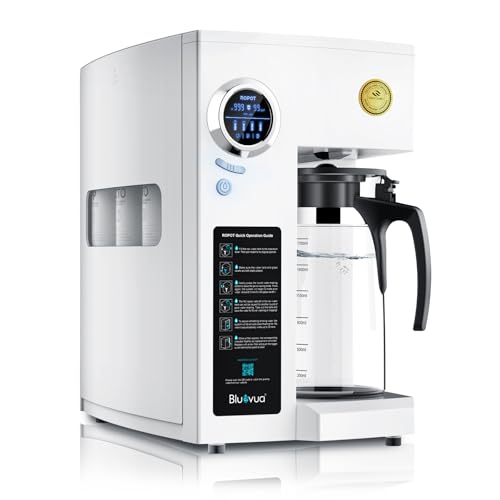
Bluevua RO100ROPOT Countertop Reverse Osmosis Water Filter System, Portable RO Filtration with Remineralization, No Installation, WQA Certified - ROPOT-UV, 6-Stage RO
6-STAGE ADVANCED FILTRATION WITH UV LIGHT: The Bluevua RO100ROPOT-UV boasts a superior 6-stage filtration system, featuring a 0.0001μm...
As an affiliate, we earn on qualifying purchases.
Frequently Asked Questions
Can I Mix Bleach With Vinegar for Cleaning?
You should never mix bleach with vinegar because it creates a dangerous chemical reaction. Combining these household cleaning agents releases toxic chlorine gas, which can cause respiratory issues, eye irritation, or even more severe health problems. For your household safety, always read labels and avoid mixing chemicals. Stick to safe cleaning practices by using each product separately and never combining acids with bleach to prevent harmful reactions.
Is It Safe to Combine Ammonia and Bleach?
Did you know that combining ammonia and bleach creates dangerous chemical reactions? You should never mix these substances because it releases chloramine vapors, which can cause respiratory issues and throat irritation. For your safety, always follow safety precautions by using these cleaners separately, ensuring proper ventilation, and wearing gloves. Mixing ammonia with bleach is hazardous and can seriously harm your health—it’s best to avoid it entirely.
What Happens if I Mix Different Drain Cleaners?
Mixing different drain cleaners can cause dangerous chemical reactions that produce toxic gases or heat, creating serious safety hazards. You might see bubbling, fumes, or even hear loud noises, indicating a hazardous reaction. Never combine drain cleaners, especially if they contain acids or alkali substances, because the resulting chemical reactions can harm you or damage your plumbing. Always follow the manufacturer’s instructions for safe use.
Can I Use Baking Soda With Commercial Cleaners?
You shouldn’t mix baking soda with commercial cleaners, as it can cause dangerous reactions or reduce effectiveness. Always follow label instructions for safe storage and use, and keep baking soda separate from chemicals to avoid accidents. While baking soda is a natural cleaner, combining it with certain commercial products may produce harmful fumes or neutralize cleaning power. Stick to recommended combinations for a safe, effective cleaning routine.
Are There Any Natural Alternatives to Harmful Chemical Mixes?
Yes, there are natural alternatives to harmful chemical mixes. You can use natural remedies like vinegar, baking soda, and lemon juice for cleaning, which are eco-friendly solutions that effectively tackle dirt and grime. These options are safe, non-toxic, and biodegradable, making them ideal for a healthier home environment. By choosing natural remedies, you avoid harsh chemicals and reduce your ecological footprint while keeping your space clean and fresh.

iSpring RCC7AK, NSF Certified, 75 GPD, Alkaline 6-Stage Reverse Osmosis System, pH+ Remineralization RO Water Filter System Under Sink, Patented Top-Mounted Faucet Design for Easy Installation
PATENTED DESIGN – The top-mounted fastener allows for easy countertop installation entirely from above, eliminating the hassle of...
As an affiliate, we earn on qualifying purchases.
Conclusion
Remember, a stitch in time saves nine—so never mix cleaning chemicals, no matter how tempting. It’s better to be safe than sorry, as the saying goes. Sticking to one product at a time keeps your home safe and your cleaning effective. Always read labels and follow instructions carefully. When in doubt, skip the risky combos and stick to simple, proven methods. Your health and safety are worth more than a quick clean.

HealthRelife 4D Massage Chair Full Body Zero Gravity Recliner - 55“ SL-Track,15 Auto Modes,11 Massage Technique,40 Airbags Massage,with Yoga Stretch,APP Control,Shiatsu Foot Massage(Black)
【Full Body Airbags Massage】 40 Airbags are strategically positioned from the shoulder to the foot. They apply rhythmic...
As an affiliate, we earn on qualifying purchases.

2026 Massage Chair, Massage Chairs Full Body and Recliner with 10 Fixed Points, Zero Gravity, Wood Grain Leather, Foot Massage, Airbags, Lumbar Heating, Bluetooth and Control Screen (Elegant White)
[Elevate Wellness & Decor] We've crafted this newly designed Massage Chair to take your relaxation to the next...
As an affiliate, we earn on qualifying purchases.