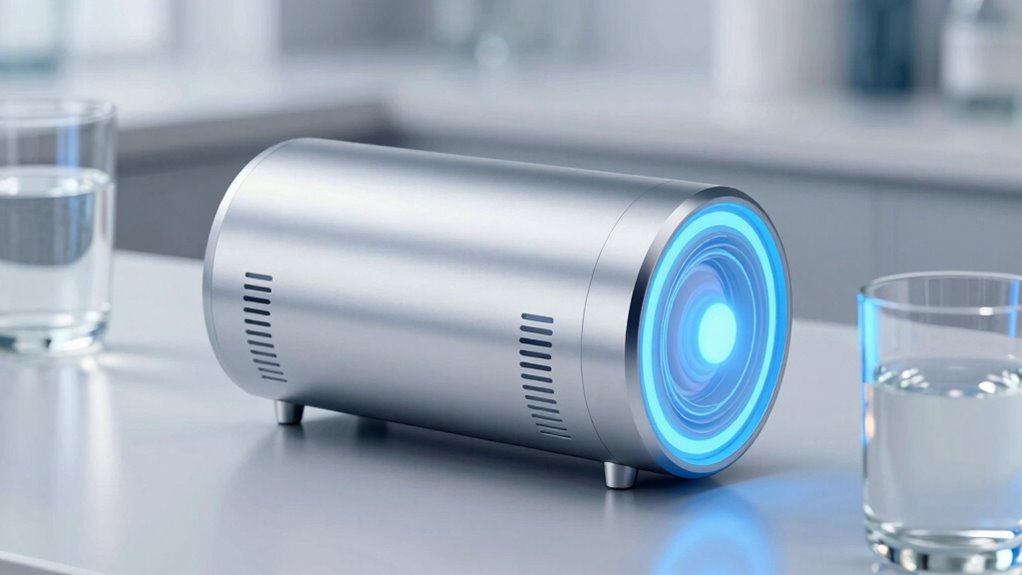
UV sterilizers use ultraviolet light to physically destroy harmful microbes like bacteria, viruses, and algae by damaging their DNA or RNA, preventing them from reproducing. They work best when properly installed, maintained, and used with pre-filtration to guarantee light penetration. Keep in mind, UV sterilizers don’t remove chemicals, heavy metals, or improve water taste. To get the most from your device and understand its limits, explore further details below.
Key Takeaways
- UV sterilizers use UV-C light to damage microorganisms’ DNA or RNA, preventing reproduction and infection.
- They are effective for water and surface sanitation but do not remove chemical contaminants.
- Proper placement, sufficient exposure time, and pre-filtration are essential for optimal results.
- UV sterilizers require regular maintenance, including cleaning and bulb replacement, to stay effective.
- Safety precautions are necessary to avoid skin and eye exposure to UV-C light during operation.
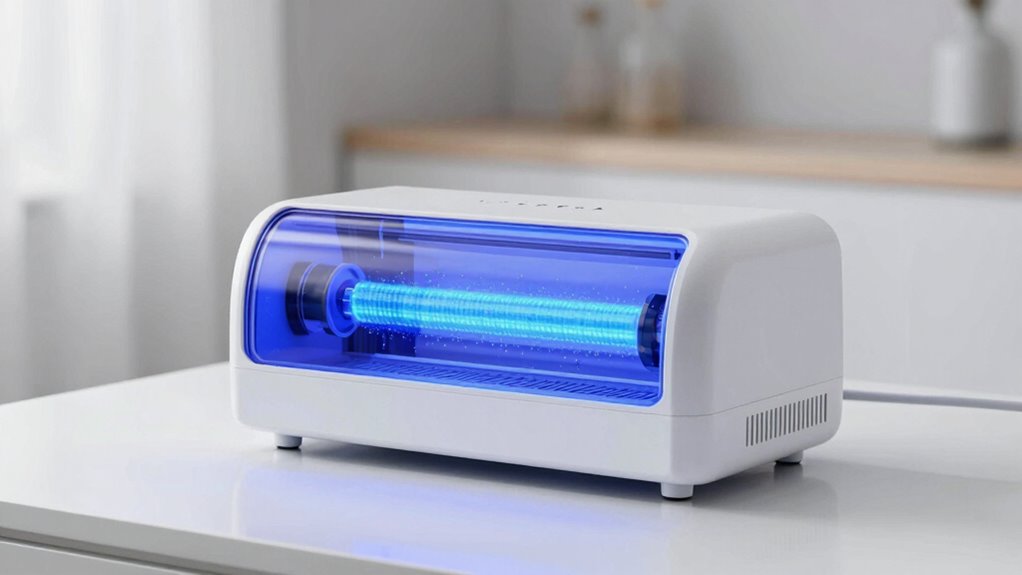
Have you ever wondered how UV sterilizers actually work to keep your water or surfaces clean? These devices use ultraviolet light to target microorganisms like bacteria, viruses, and algae, but understanding their true capabilities helps you make smarter choices about their use. When UV light penetrates the cell walls of microbes, it damages their DNA or RNA, preventing them from reproducing or causing infection. This process, known as physical disruption, doesn’t rely on chemicals, making UV sterilizers a chemical-free way to sanitize.
UV sterilizers use UV light to damage microbes’ DNA, providing chemical-free sanitization for water and surfaces.
However, it’s important to realize that UV sterilizers are not magic. Their effectiveness depends on factors like the intensity of the UV light, exposure time, and the clarity of the water or surface being treated. For water, for example, if there’s too much sediment or organic matter, the UV light can be blocked, reducing its sterilization power. That’s why pre-filtration is often recommended before UV treatment to improve chemical effectiveness. On surfaces, direct exposure is essential; shadows or obstructions can create safe zones where microbes survive. You need to position the UV device properly and ensure it’s used consistently for maximum results.
Safety considerations are also key when dealing with UV sterilizers. UV-C light, the most common type used for sterilization, can be harmful to your skin and eyes if you’re exposed directly. That’s why most UV sterilizers are designed with protective housings or automatic shut-off features to prevent accidental exposure. It’s crucial to follow manufacturer instructions carefully and never look directly at the UV light source when it’s operating. For water sterilization systems, the risk to users is minimal once installed properly, but maintenance and bulb replacement should be handled with care to avoid exposure.
While UV sterilizers are effective at destroying microorganisms, they don’t remove chemical contaminants, heavy metals, or other pollutants from water. They also don’t eliminate odors or improve taste, which means they’re best used as part of an all-encompassing water treatment system. Safety considerations extend beyond UV exposure; if the device isn’t maintained properly, its effectiveness can diminish, leading to potential microbial survival. Regular cleaning, bulb replacement, and adherence to guidelines ensure that the sterilizer works as intended. Additionally, understanding the importance of UV light penetration can help optimize the placement and use of these devices for better sterilization results. Proper maintenance and understanding of microbial DNA damage are essential for ensuring consistent sterilization performance.

Aquasure Whole House 48,000 Grain Water Softener with 12 GPM UV Water Sterilizer System – Triple Purpose Pre-Filter – 75 GPD RO System Bundle
【 DESIGNED FOR 3-4 BATHROOMS 】This 4-in-1 water treatment system bundle combines a water softener, pre-filter, UV light,…
As an affiliate, we earn on qualifying purchases.
As an affiliate, we earn on qualifying purchases.
Frequently Asked Questions
Are UV Sterilizers Effective Against All Types of Bacteria and Viruses?
UV sterilizers are effective against many bacteria and viruses by disrupting their DNA through UV radiation, causing chemical reactions that deactivate pathogens. However, they don’t eliminate all types, especially those shielded or resistant. You need to handle them with radiation safety in mind, avoiding direct exposure to skin or eyes. Remember, their effectiveness depends on proper use and the pathogens’ susceptibility, so they’re not foolproof for every microorganism.
How Long Does It Take for a UV Sterilizer to Disinfect a Space?
The sterilization time for a UV sterilizer depends on your space size. Typically, it takes between 10 to 30 minutes to disinfect a small to medium room effectively. Larger spaces may require longer or multiple treatments. You should keep the area unoccupied during the process to guarantee safety and maximum sterilization. Always follow the manufacturer’s guidelines for your specific UV sterilizer model to get the best results.
Can UV Sterilizers Be Used on Human Skin Safely?
You shouldn’t use UV sterilizers on your skin because UV exposure can harm your skin safety. For example, a person trying to disinfect their hands with a UV sterilizer might experience burns or skin damage. UV light is effective for surfaces, but it’s not safe for direct skin contact. Always follow manufacturer instructions and avoid exposing your skin to UV sterilizers to prevent injury or health risks.
Do UV Sterilizers Require Regular Maintenance or Bulb Replacement?
Yes, UV sterilizers require regular maintenance and bulb replacement to guarantee UV safety and maintain sterilizer durability. Over time, bulbs lose effectiveness, so replacing them as recommended keeps the device working efficiently. Regular cleaning of the device also prevents dust buildup, which can hinder UV light. Staying on top of these maintenance tasks ensures your sterilizer remains safe, effective, and durable for ongoing use.
Are UV Sterilizers Suitable for Use in Food Preparation Areas?
While UV sterilizers can enhance kitchen hygiene, they’re generally not recommended for direct food contact surfaces. They’re better suited for air and water purification rather than ensuring food safety. Using them in food prep areas might offer some added cleanliness, but they shouldn’t replace traditional cleaning methods. For maximum food safety, rely on thorough washing, proper storage, and regular sanitization to keep your kitchen safe and hygienic.
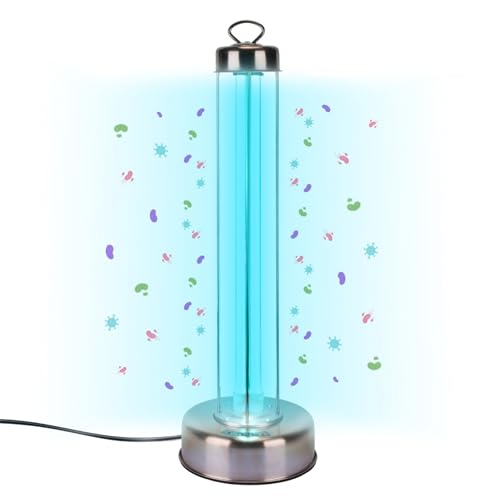
AeraLight Whole Room Surface UV Light Sanitizer – 100W Professional Grade UV-C Lamp for Commercial & Home Use with Timer, & 10,000hr Bulb, Lab Certified 99.9% Germ Kill in 15 Mins
SAFE, OZONE-FREE UV LIGHT SANITIZER – Our premium stainless steel UVC light operates with NO harmful ozone emissions,…
As an affiliate, we earn on qualifying purchases.
As an affiliate, we earn on qualifying purchases.
Conclusion
So, next time you see a UV sterilizer, remember it’s not a magic wand. It’s great for disinfecting surfaces, but it’s not foolproof or a substitute for good hygiene. Sometimes, a quick wipe or thorough cleaning does the trick better. Coincidentally, just as you’re about to dismiss it, you find yourself reaching for one during your next cleaning session—proving that, like most tools, its true power depends on how you use it.
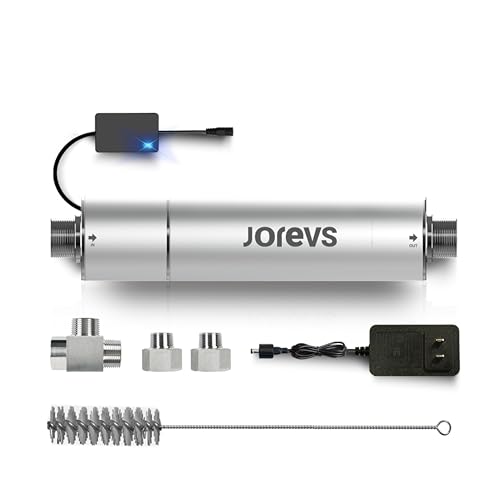
JOREVS UV Water Filter – Whole House UV LED Water Purifier, Mercury-Free Water Purification System, Easy Installation, 12 GPM for Energy-Saving for Whole Home Water Filtration
【Advanced UVC-LED Technology for Whole House Disinfection】UVC-LED Technology with a wavelength of between 270 nm – 280 nm,…
As an affiliate, we earn on qualifying purchases.
As an affiliate, we earn on qualifying purchases.

FKBYM 2-Pack 36W UV Replacement Bulbs, 36W UV Bulb Lamp, Compatible with JEBAO PU-36W Filter Sterili-zers, 2G11 4-Pin Bulb Base, HVAC U-V Light
【Compatibility】 2-Pack 36W UV Replacement Bulbs, 36W UV Lamp, Compatible with JEBAO PU-36W Filter Sterili-zers, 2G11 4-Pin Base,…
As an affiliate, we earn on qualifying purchases.
As an affiliate, we earn on qualifying purchases.