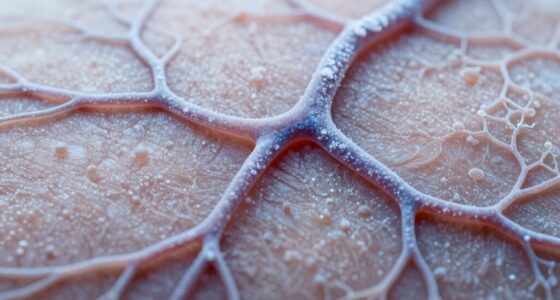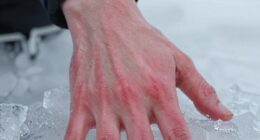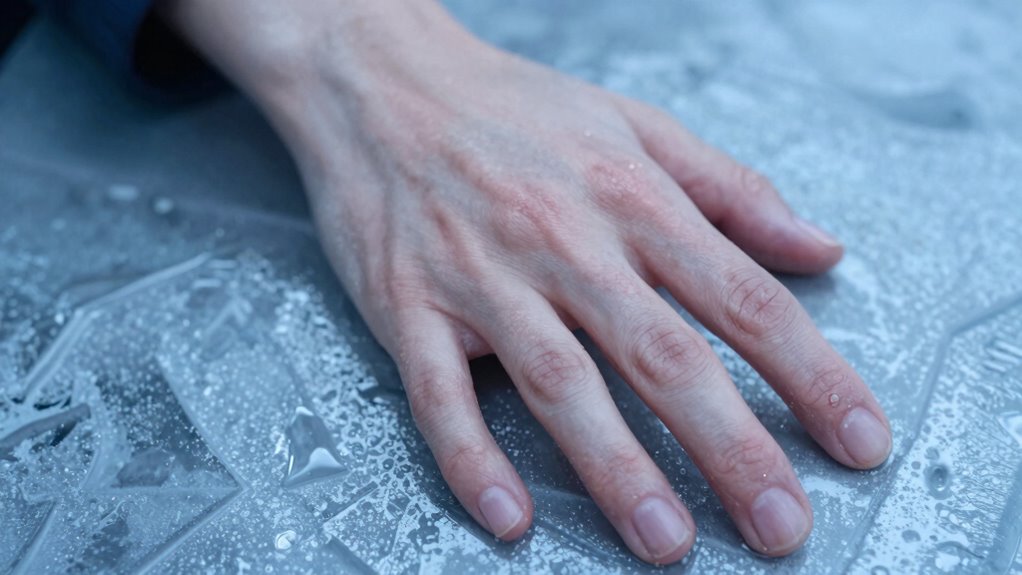
When your body is exposed to cold, blood flow constricts to conserve heat, trapping cold blood in your extremities. As you start warming, this cold blood rushes back to your core through vessel dilation, causing a temporary drop in core temperature—known as the “afterdrop.” This process can happen even if you’re actively warming up. Understanding how blood flow redistributes heat helps you manage hypothermia safely—see why this occurs as you explore further.
Key Takeaways
- Afterdrop occurs when cold blood from extremities returns to the core during rewarming, causing a temporary decrease in core temperature.
- Vasoconstriction during cold exposure traps cold blood in extremities; vasodilation during rewarming releases it back to the core.
- External warming can inadvertently increase blood flow, leading to internal heat redistribution and further cooling of the core.
- Rapid rewarming methods can worsen afterdrop; gradual, controlled warming helps prevent additional temperature drops.
- Recognizing afterdrop is crucial for safe hypothermia treatment, emphasizing patience and careful management of internal heat redistribution.
Have you ever wondered why someone’s body temperature drops even after warming them up? It’s a perplexing phenomenon that can catch both medical professionals and laypeople off guard. This occurrence, known as the “afterdrop,” happens when a person, especially someone experiencing hypothermia, continues to lose body heat even after efforts to rewarm them have begun. Understanding this process is vital, particularly when it comes to hypothermia recovery and the use of cold water immersion as a treatment method.
When someone is exposed to cold environments, their body’s initial response is to conserve heat, often by shivering and reducing blood flow to the extremities. Once you start warming them—say, through passive techniques like blankets or active methods such as warm fluids—the core temperature should begin to rise. However, in some cases, the temperature continues to decline temporarily. This counterintuitive drop occurs because cold blood from the extremities, which have been deprived of warmth, suddenly rushes back to the core once blood vessels dilate during rewarming. The influx of this colder blood causes the core temperature to dip further, even though external warming measures are in place.
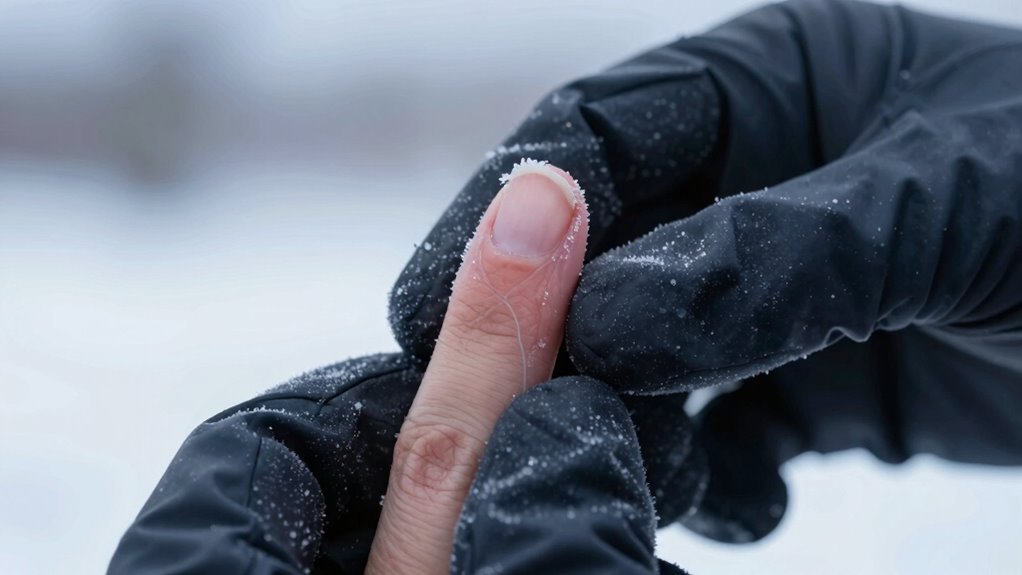
Cold extremities can cause body temperature to drop even during warming efforts.
This process is especially relevant in hypothermia recovery scenarios. If you’re involved in treating someone with hypothermia, you might observe their temperature initially stabilizing or improving, only to see it fall again. That’s the afterdrop at work, and it underscores the importance of gradual, controlled rewarming. Rapid warming or inappropriate techniques, like immersing someone in hot water, can exacerbate the problem, leading to dangerous afterdrops or shock. Conversely, techniques like cold water immersion, used carefully in some athletic recovery protocols, are intended to reduce inflammation and promote healing. While cold water immersion isn’t typically recommended for hypothermia treatment, understanding how cold exposure affects blood flow and temperature regulation helps clarify the risks involved.
In essence, the afterdrop highlights the complexity of body temperature regulation. It’s not just about warming someone up; it’s about managing the internal redistribution of heat safely. When you’re helping someone recover from hypothermia, patience is key. Gradual rewarming allows blood vessels to dilate slowly, preventing a sudden rush of cold blood to the core. Recognizing the afterdrop’s role in body temperature fluctuations ensures you avoid overconfidence in initial improvements and stay vigilant until their temperature stabilizes. Additionally, understanding blood flow dynamics can aid in developing safer rewarming strategies. This knowledge can mean the difference between effective recovery and unintentional complications.

Rescue Essentials Hypothermia Wrap Blanket, Oversized 60" x 96", Mylar/Lightweight Polyethylene Fabric (Orange)
Oversized, Dimensions: 96"H x 60"W (open). Dimensions: 3"H x 4.5"W x 0.5"D (packaged). Weight: 3.5 oz
As an affiliate, we earn on qualifying purchases.
As an affiliate, we earn on qualifying purchases.
Frequently Asked Questions
Can Afterdrop Occur in Mild Hypothermia Cases?
Yes, afterdrop can occur in mild hypothermia cases. When your body is mildly hypothermic, cold blood from your extremities can flow back to your core, causing your body temperature to drop further even after you’ve started warming up. This process happens because your body continues to lose heat internally, especially if you’re not actively warming the extremities or if rewarming is slow. Stay vigilant to prevent further cooling.
How Quickly Can Afterdrop Happen During Rewarming?
Afterdrop can happen within minutes during rewarming, especially if core cooling occurs rapidly. As you warm the body, peripheral vasoconstriction reverses, causing cold blood from extremities to flow back to the core, further lowering temperature. To prevent this, rewarm gradually, allowing blood vessels to adjust slowly. This controlled approach helps minimize afterdrop and stabilizes core temperature effectively during hypothermia treatment.
Are Certain Individuals More Susceptible to Afterdrop?
You’re more susceptible to afterdrop if your individual susceptibility or genetic factors make your body less efficient at conserving heat. People with poor circulation, certain medical conditions, or lower fat stores tend to experience deeper temperature drops during rewarming. These factors can impair your body’s ability to maintain core temperature, increasing the risk of continued cooling even after initial warming efforts. Recognizing this helps you understand who’s at greater risk during cold exposure.
Does Alcohol Consumption Increase the Risk of Afterdrop?
Yes, alcohol influence can increase your risk of afterdrop. Alcohol’s metabolic effects cause blood vessels to dilate, leading to heat loss, which lowers your core body temperature. When you consume alcohol, it impairs your body’s ability to regulate temperature, making you more prone to continued cooling after removal from cold environments. So, drinking alcohol during cold exposure can worsen afterdrop and make it harder for your body to recover warmth.
What Are the Latest Methods to Prevent Afterdrop?
To effectively counteract afterdrop, you should employ advanced rewarming techniques combined with vigilant temperature monitoring. Gentle external warming methods, like warm blankets or forced air devices, help stabilize core temperature. It’s essential to continually monitor the patient’s temperature to avoid over- or under-warming. These measures work together to prevent further temperature decline, ensuring a more controlled and safer rewarming process, ultimately reducing the risk of afterdrop.

IFAK Trauma First Aid Kit Molle Pouches Emergency Survival Kit for Tactical Military Car Travel Hiking Camping with Vented Chest Seal, Israeli Bandage, Splint, Thermal Blanket, Gloves
Comprehensive First Aid Solution: This multifunctional trauma first aid kit prepares you for emergencies in outdoor adventures, hunting,…
As an affiliate, we earn on qualifying purchases.
As an affiliate, we earn on qualifying purchases.
Conclusion
So, next time you’re battling hypothermia, remember that your body’s temperature can keep dropping even after you’re pulled to safety. It’s like a stubborn guest who refuses to leave—your body’s internal chill lingers longer than expected. Understanding the “afterdrop” helps you stay prepared and proactive. Don’t let this silent thief catch you off guard; by knowing the science, you’re one step ahead in the fight against cold. Stay warm, stay safe.

Qu River Prep Emergency Kit – Winter Storm & Ice Storm Survival Kit, Power Outage Preparedness with 15 Essential Items, COB Light, Rain Poncho, Blanket, Emergency Water & First Aid
UPDATED FOR WINTER: Contains 15 essential winter storm survival items, over 30 pieces total. Curated by disaster housing…
As an affiliate, we earn on qualifying purchases.
As an affiliate, we earn on qualifying purchases.

Emergency Blanket 4-Pack Space Mylar Blankets Survival Gear and Supplies Reusable Thermal Camping Hunting Essentials First Aid Car Backpacking Marathon Kit Prepper Go Rave Bug Out Bag Foil Cold Winter
Superior Thermal Retention: Crafted from advanced aluminized Mylar, these foil emergency blankets are designed to retain up to…
As an affiliate, we earn on qualifying purchases.
As an affiliate, we earn on qualifying purchases.